



Texas high school football has been part of Friday nights for generations. In many towns and school districts, the weekly game is one of the most familiar events of the fall.
Students, parents, teachers, alumni, and local residents gather at the stadium to support the team. Some come for football. Others come for the band, the halftime show, the social time, or the school spirit.
That wide appeal is one reason the tradition has lasted. A Friday night game gives people a simple way to connect with their school and community.
It Gives Communities a Shared Event
High school football works well as a community gathering because it involves more than the players on the field.
A game night often includes:
- Football players and coaches
- Marching band members
- Cheerleaders and drill teams
- Student trainers and volunteers
- Parents and booster clubs
- Teachers, alumni, and local fans
This makes the event feel connected to the whole school. Many students have a role in the night, even if they are not playing football.
In smaller towns, the game may be one of the biggest weekly events. In larger districts, it can still serve as a strong point of school pride.
It Connects Generations
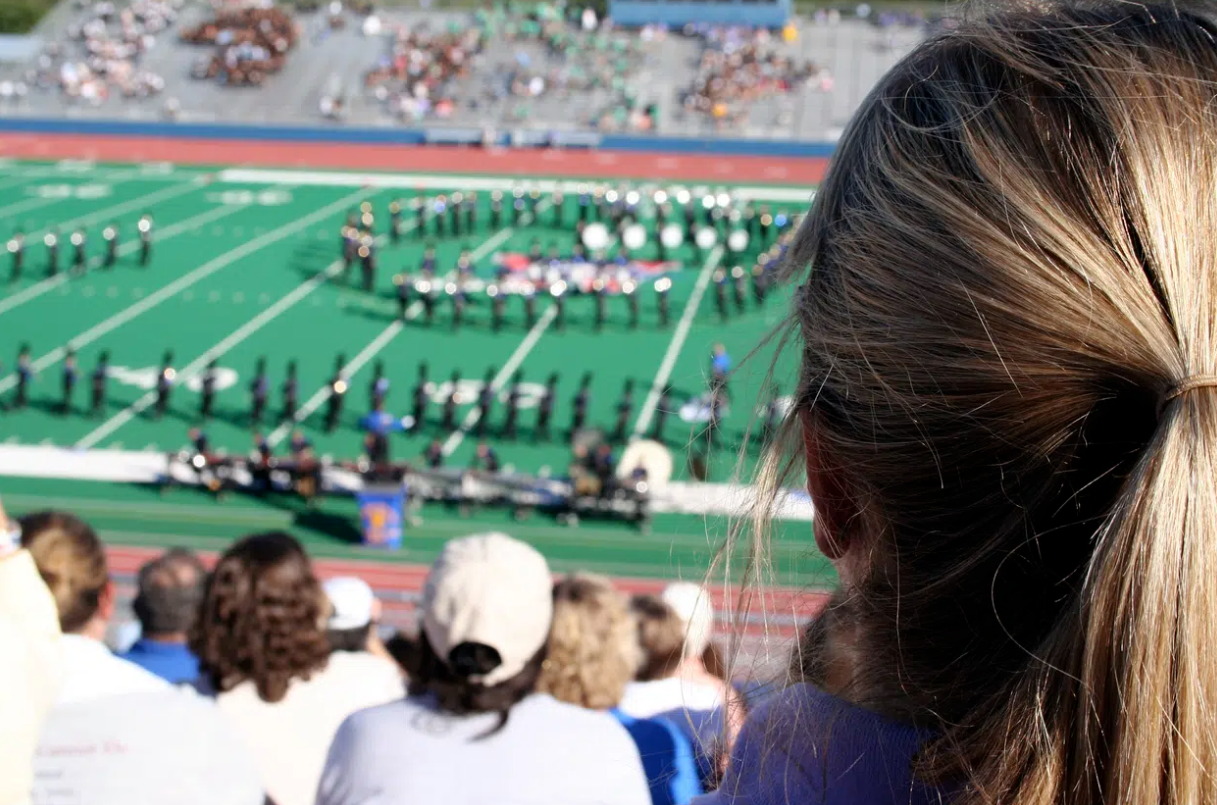
Many Texans grow up attending high school football games. Some later return as parents, coaches, teachers, or alumni.
That creates a strong sense of continuity. People remember their own school years, former teams, rivalry games, and playoff runs. Those memories help keep interest in the sport alive.
For families, football season can become part of the routine. A Friday night game is a place to see familiar faces, support students, and stay connected to the school.
School Pride Plays a Big Role
High school football gives schools a clear identity. Team colors, mascots, fight songs, and rivalries help build school spirit.
Students often rally around the team during the week. Pep rallies, spirit days, homecoming events, and rivalry games all add to the experience.
This kind of school pride matters because it gives students something to share outside the classroom. It can make the school year feel more connected and organized around common events.
Rivalries Keep People Interested
Rivalry games are a major part of Texas high school football.
Some rivalries come from nearby towns. Others come from years of district competition or close playoff games. These matchups often draw larger crowds and more attention than regular games.
Rivalries also give fans a reason to follow the season closely. Even people who do not attend every game may show up when a familiar opponent comes to town.
The result is a regular season with built-in storylines that keep communities engaged.
Small Towns Make the Game Personal
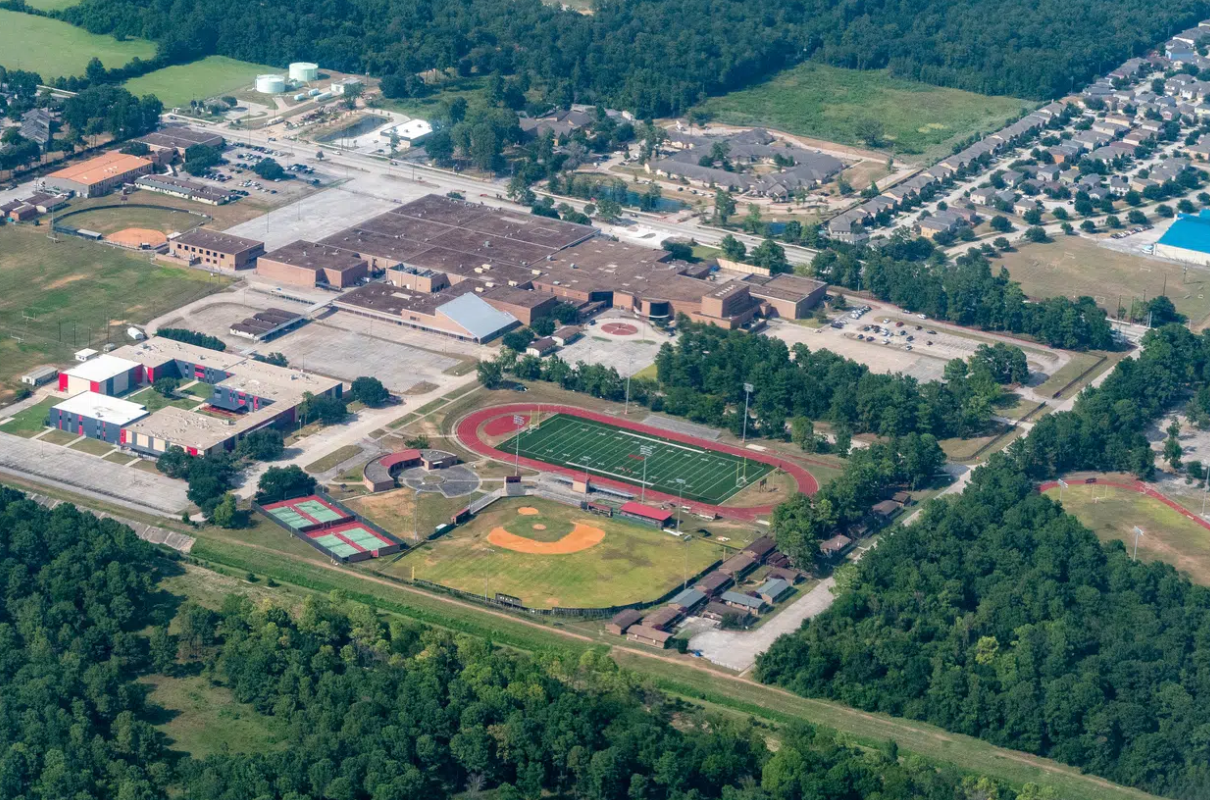
In small Texas towns, high school football can feel especially important because people often know the players and their families.
The students on the field may be classmates, neighbors, cousins, or children of former players. That personal connection makes the game more meaningful for many fans.
The team becomes a visible part of the town’s identity. Local businesses may support the program. Residents may follow scores closely. Alumni may return for big games.
This local connection is one of the main reasons high school football remains strong in rural areas and smaller communities.
Big Cities Have Raised the Level of Competition
Texas high school football is also important in large metro areas.
Schools in places like Dallas-Fort Worth, Houston, San Antonio, Austin, and surrounding suburbs often have large enrollments, strong athletic programs, and competitive schedules.
These programs can draw attention from college recruiters, media outlets, and fans across the state. Some games feature athletes who later play college football, which adds another layer of interest.
The size and talent level of many Texas programs help make high school football feel significant beyond one school or town.
The Playoffs Add Statewide Interest
The regular season is important, but the playoffs are a major reason Texas high school football gets so much attention.
 Teams from across the state compete by classification, giving schools of different sizes a chance to make a postseason run. As the playoffs continue, communities often travel to support their teams at neutral-site games.
The state championships bring together top programs from different regions. For players, coaches, and fans, reaching that stage is a major achievement.
The playoff system gives the season a clear direction. Every district game can affect seeding, momentum, and postseason hopes.
Coaches Help Shape the Culture
Coaching is another reason Texas high school football remains respected.
High school coaches do more than prepare teams for games. They manage practices, teach fundamentals, support player development, and often help students learn discipline and responsibility.
In many communities, the head coach is a visible school leader. The program can influence school culture, student behavior, and community involvement.
A strong coach can help turn football into a structured learning experience. Players learn how to handle pressure, work with teammates, follow instructions, and commit to long-term goals.
The Band and Spirit Groups Matter Too
Friday night football would not have the same appeal without the groups surrounding the game.
Marching bands bring music and halftime performances. Cheerleaders and drill teams help lead school spirit. Student sections create energy in the stands. Booster clubs organize support behind the scenes.
These groups make football games more inclusive. The event becomes less about one sport and more about the school community.
For many students, the best memories of football season come from performing, supporting friends, or taking part in school traditions.
Local Media Keeps the Conversation Going
Local media has helped Texas high school football stay visible.
Newspapers, radio stations, television crews, and now online platforms cover games, rankings, players, and playoff races. Many schools also stream games or post highlights on social media.
This coverage keeps fans connected throughout the week. People can follow scores, watch highlights, read previews, and keep up with district standings.
The added visibility makes the sport feel active beyond Friday night. It also helps alumni and out-of-town supporters stay involved.
College Football Dreams Add Interest
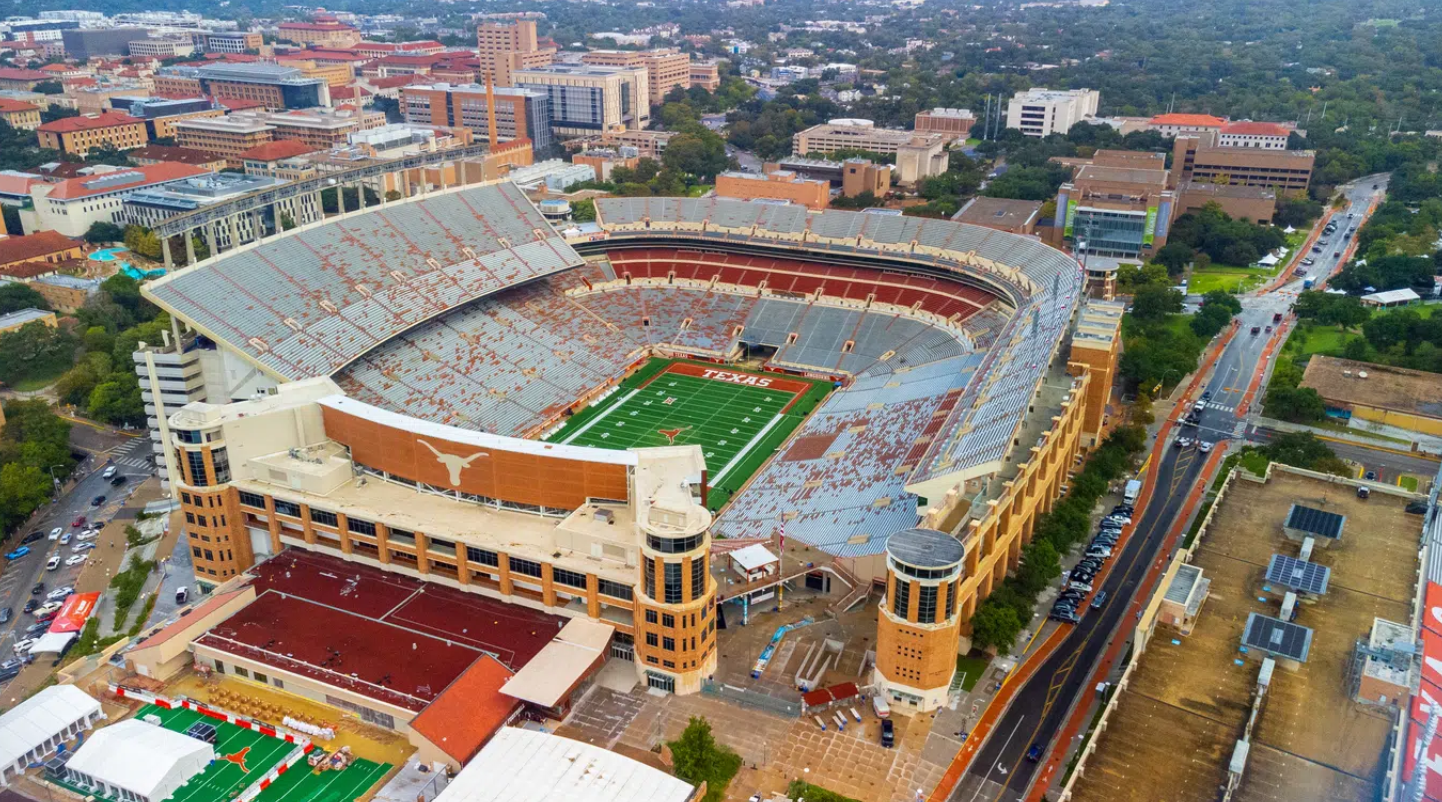
Texas produces many talented football players, so high school games often attract college recruiting attention.
For some athletes, high school football can lead to scholarships and opportunities to play at the next level. That possibility adds excitement for families, coaches, and fans.
However, most players will not play major college football. For them, the value of high school football often comes from the experience itself. They build friendships, learn structure, and take part in something connected to their school.
That balance is important. The top recruits may draw attention, but the team experience remains central.
Facilities Show the Sport’s Importance

Texas is known for large and well-equipped high school football stadiums. Some districts have built modern facilities with large seating areas, video boards, press boxes, and spaces used for multiple school events.
These stadiums often attract attention because of their size and cost. Supporters see them as investments in students and community events. Critics sometimes question whether schools should spend heavily on athletic facilities.
Either way, the facilities show how important football is in many Texas communities. The stadium is often one of the most visible public spaces tied to the school district.
Friday Night Offers a Reliable Routine
One reason Texas high school football continues to succeed is that it gives people a familiar weekly routine.
Fall arrives. The schedule comes out. Families plan around games. Students look forward to rivalry week, homecoming, and playoffs. Local fans know where they will be on Friday night.
That routine is simple, but it matters.
In a busy world, people still value events that bring structure and connection to the week. High school football gives communities a regular reason to gather in person.
The Tradition Has Adapted Over Time
Texas high school football has changed in many ways.
Players train differently. Coaches use more advanced systems. Safety rules have improved. Recruiting has become more visible. Games can now be streamed online.
Even with those changes, the basic appeal remains the same. People support their school, cheer for local students, and take pride in their community.
The tradition has survived because it has adapted while keeping its familiar role in school life.
Why It Still Owns Friday Night
Texas high school football still owns Friday night because it brings together several things Texans care about: school pride, community involvement, tradition, competition, and local identity.
The game itself is important, but the full experience is what keeps people coming back. A Friday night game includes students, families, alumni, bands, cheer squads, coaches, volunteers, and fans.
It gives people a place to gather, a team to support, and a season to follow.
That is why Texas high school football remains one of the state’s strongest traditions. It is familiar, organized, competitive, and deeply connected to the communities that support it.

Comments (0)
No comments yet. Be the first to share your thoughts.
Leave a comment