


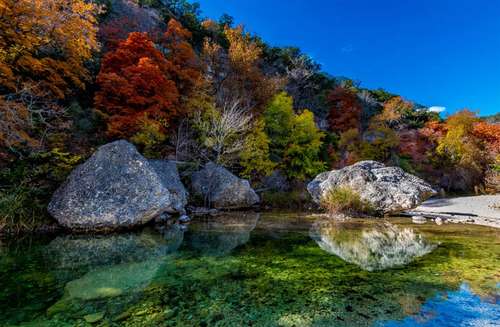
Texas has no shortage of wide-open scenery, river country, desert views, pine forests, and rocky Hill Country trails. Still, Lost Maples State Natural Area stands apart. Tucked near Vanderpool along the upper Sabinal River, it protects one of the most unusual landscapes in the state: a rugged Hill Country canyon system where Uvalde bigtooth maples still grow in cool, sheltered pockets.
Most people know Lost Maples for its fall color. That reputation is well earned. Yet the area’s real story goes deeper than bright red and orange leaves. Lost Maples is unique because of its geology, plant life, wildlife, trails, water, and protected natural character.
A Rare Pocket of Fall Color in Texas
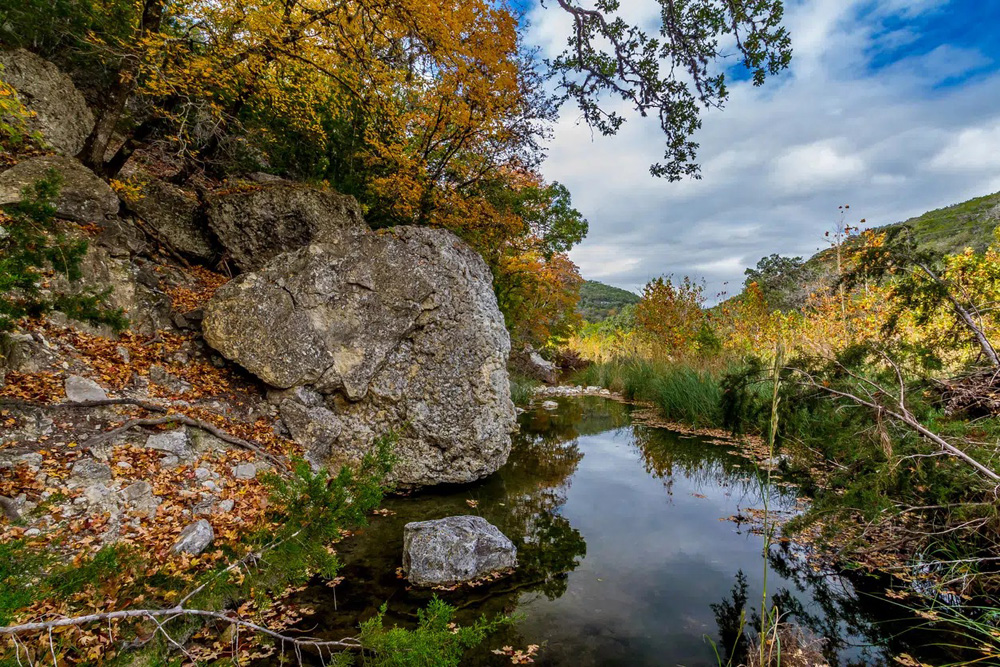
Fall color can be subtle in much of Texas. Many regions stay warm deep into autumn, and some trees shift from green to brown without much drama. Lost Maples feels different.
The natural area protects a special stand of Uvalde bigtooth maples, a tree closely tied to the park’s identity. These maples often turn red, orange, and gold in autumn, creating one of the best-known fall displays in Texas. Texas Parks and Wildlife notes that the timing and intensity of the color depend on weather, which is why the agency begins posting foliage reports around mid-October.
That weather connection matters. Cool nights, sunny days, and the right moisture conditions can bring out stronger color. A warm or wet fall can make the display softer. That uncertainty has become part of the Lost Maples experience. Visitors often check reports, plan ahead, and hope to catch the short window when the canyon lights up.
The Maples Are “Lost” for a Reason
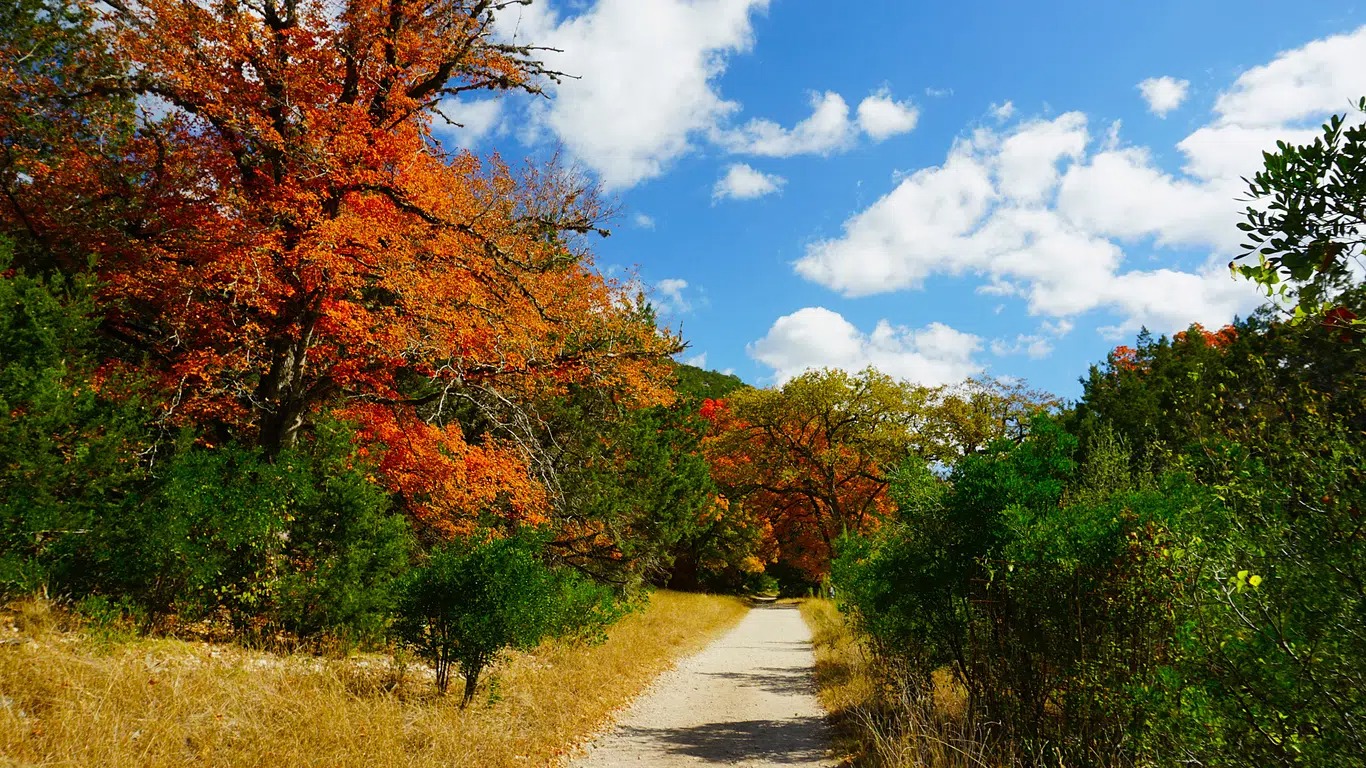
The name Lost Maples points to one of the area’s most interesting natural facts. Bigtooth maples are better suited to cooler, moister conditions than much of modern Texas provides. In Lost Maples, they survive in protected canyons where shade, water, and limestone terrain create a cooler microclimate.
Many naturalists consider these maples a remnant population from a time when the region’s climate was cooler and wetter. As Texas became warmer and drier, the trees disappeared from many places. The canyons near the Sabinal River gave some of them a refuge.
That makes Lost Maples feel almost like a living history lesson. The trees are not only beautiful. They also tell a story about climate, adaptation, and survival.
A Landscape Built by Limestone and Water
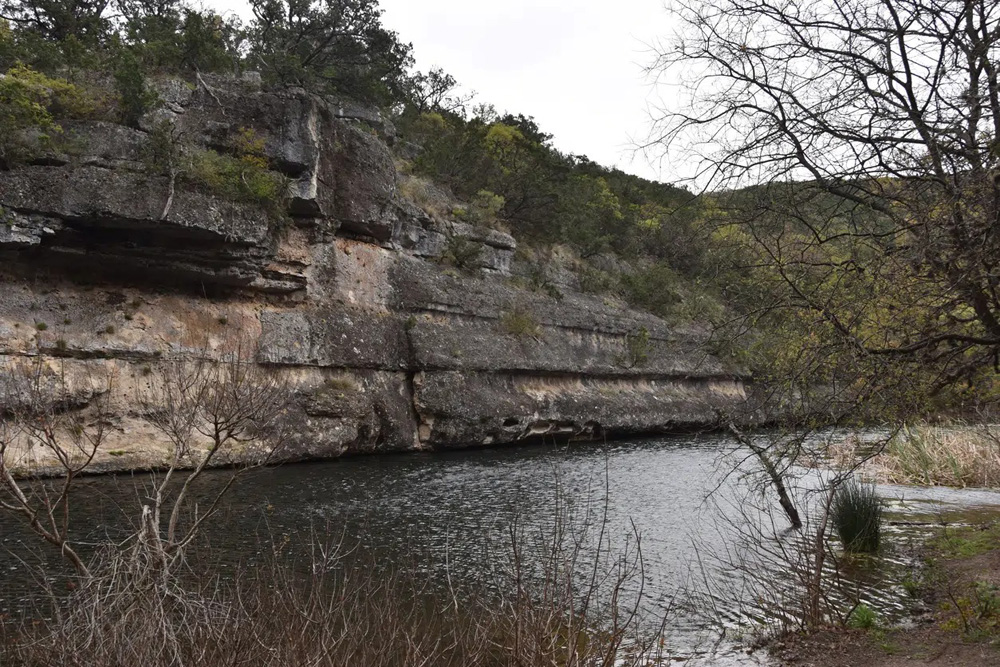
Lost Maples is located in the Texas Hill Country, but it does not feel like a simple roadside overlook. The area includes steep limestone canyons, wooded slopes, springs, clear streams, and plateau grasslands.
The limestone plays a major role in shaping the scenery. It creates cliffs, ledges, rocky trails, and canyon walls. Water has carved through the terrain over time, leaving behind pockets where plants and animals can thrive.
The Sabinal River adds another important layer. According to the Texas State Historical Association, the Sabinal River rises in the Lost Maples State Natural Area before flowing south toward the Frio River.
That river connection helps explain why the area feels so alive. Water supports trees, fish, birds, insects, and mammals. It also gives hikers moments of relief from the rocky climbs and dry uplands.
It Is a Natural Area, Not a Regular State Park
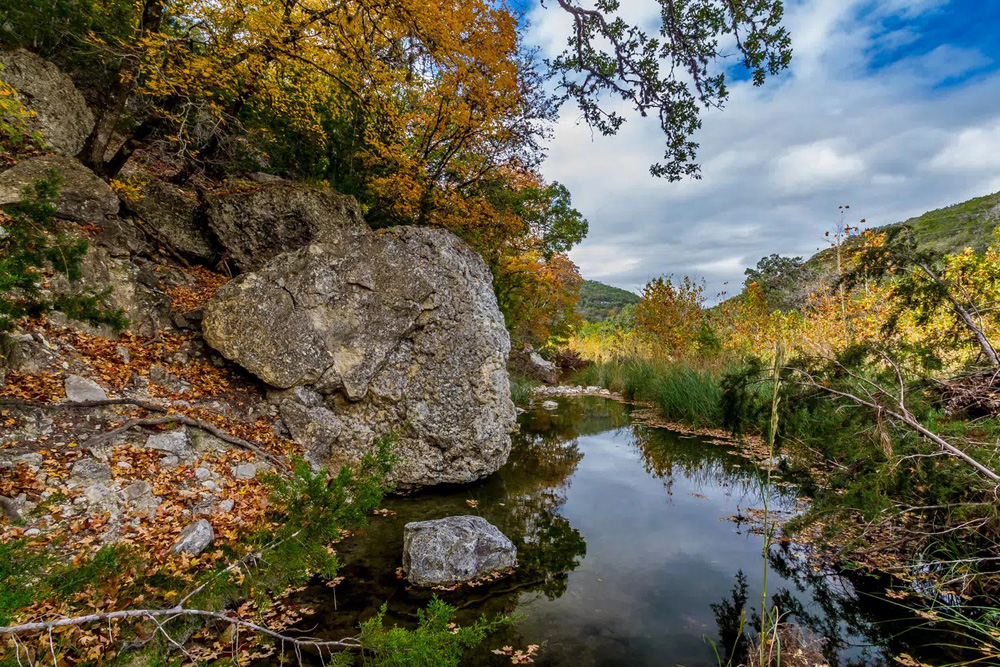
Lost Maples is officially a state natural area. That designation matters. A state natural area places special emphasis on protecting the land’s natural condition. Recreation still happens, but protection comes first.
Texas Parks and Wildlife encourages visitors to stay on designated trails, especially because the habitat is sensitive. The goal is to allow people to enjoy the area without damaging the same features that make it special.
This gives Lost Maples a different feeling from many highly developed parks. It has access, trails, campsites, and visitor facilities, but it still feels rugged. The land has not been softened too much for convenience.
Hiking Shows the Park’s Many Personalities
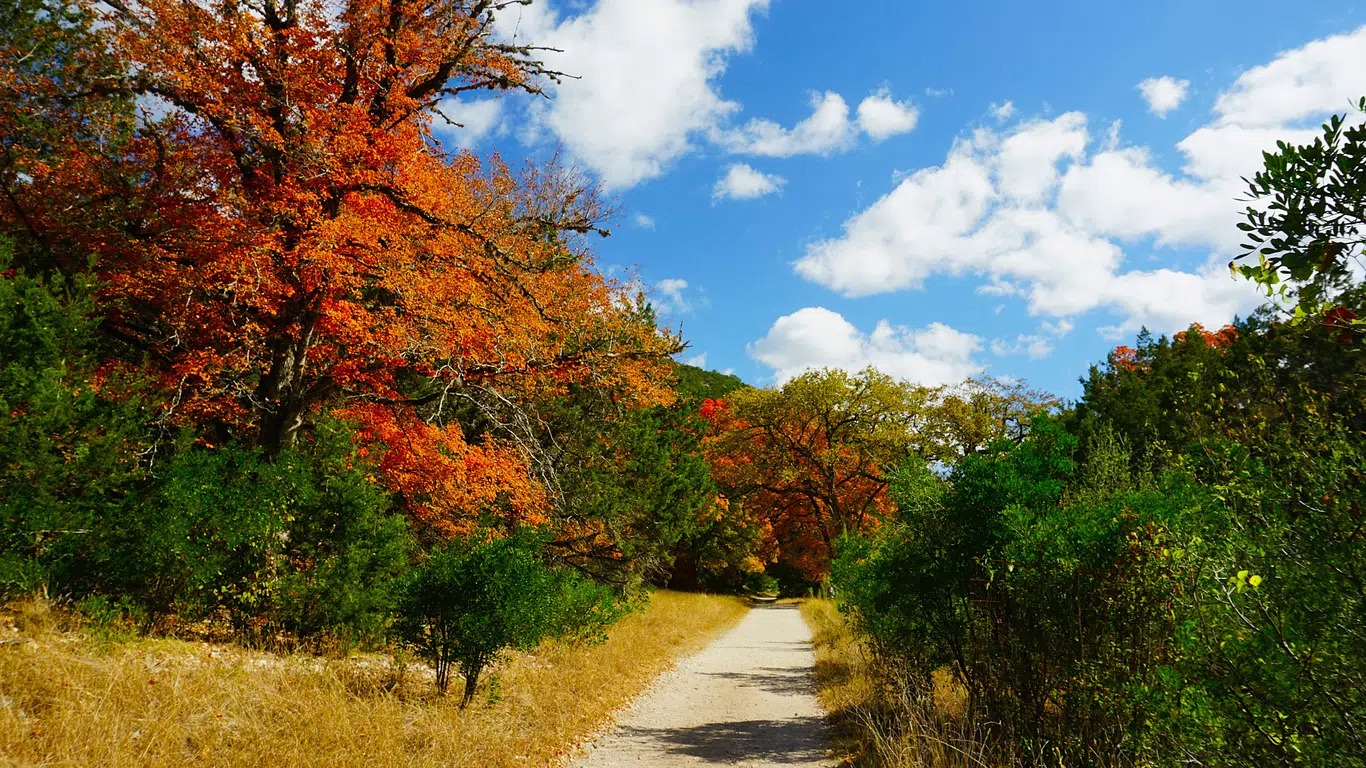
Lost Maples is one of those places where the experience changes quickly as you move. A trail may begin near water, climb into rocky slopes, pass through shaded woods, and then open toward a wide Hill Country view.
The park is known for hiking, photography, birding, fishing, camping, backpacking, stargazing, and geocaching.
The trails also show why the area feels larger than it looks on a map. Climbs can be steep. Rock surfaces can be uneven. Some routes require more effort than casual visitors expect. That challenge is part of the appeal for hikers who want something wilder than a flat nature walk.
The Views Feel Distinctly Hill Country
Lost Maples has some of the classic marks of the Hill Country: limestone, clear water, oak and juniper-covered slopes, open sky, and rocky ridges. Yet the presence of maples adds a surprising twist.
In spring and summer, the area can feel green and shaded in the canyon bottoms. In fall, color gathers along the slopes and creeks. In winter, the bare branches reveal the shape of the hills. After rain, the streams and springs give the area a fresh look.
That seasonal variety helps Lost Maples stay interesting throughout the year. Fall may bring the biggest crowds, but the land has something to teach in every season.
Wildlife Adds to the Experience
Lost Maples is also a valuable habitat. Visitors may see birds, deer, armadillos, reptiles, and other Hill Country wildlife. The mix of water, woods, cliffs, and grassland creates different homes for different species.
Birding is especially popular. The canyons and wooded areas attract a variety of birds, and the quieter sections of trail can reward patient visitors. Wildlife sightings are never guaranteed, but the natural area gives animals enough space and cover to remain part of the landscape.
The Fall Crowds Prove Its Reputation
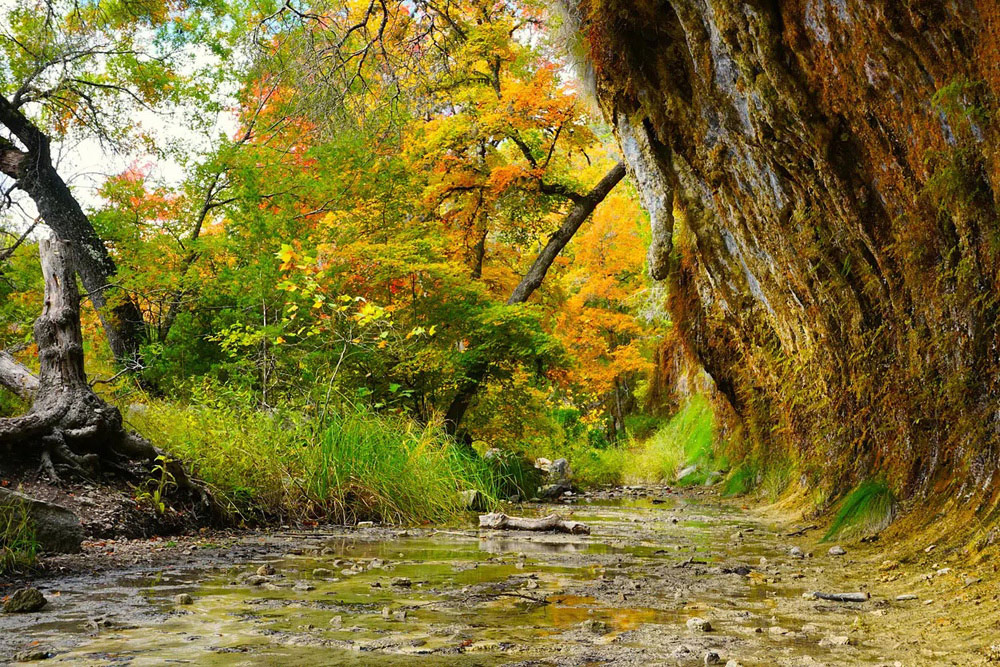
Lost Maples can become very busy during peak fall color. That popularity says a lot about how rare this kind of autumn display feels in Texas. In a state where many fall landscapes are subtle, Lost Maples gives visitors a stronger seasonal shift.
Because of that demand, planning matters. Day passes and camping reservations can fill quickly during the busiest weeks. The official foliage report is one of the best tools for timing a visit, since the color changes from year to year based on weather.
Visitors who want a quieter experience may enjoy spring, early summer mornings, or weekdays outside peak foliage season.
Why Lost Maples Matters
Lost Maples is unique because it brings together features that rarely appear in one Texas destination. It has ancient-feeling maple groves, limestone canyons, clear streams, rugged trails, and a protected setting that still feels close to wild.
Its beauty is easy to see, especially in autumn. Its deeper value comes from what it preserves. Lost Maples protects a rare natural community shaped by geology, water, climate, and time.
That is why it holds such a special place in Texas. It gives visitors a view of the Hill Country that feels familiar in some ways and surprising in others. It reminds people that Texas nature is full of hidden pockets, and some of the most memorable ones sit quietly in the canyons, waiting for the right season to show their colors.
Comments (0)
No comments yet. Be the first to share your thoughts.
Leave a comment