


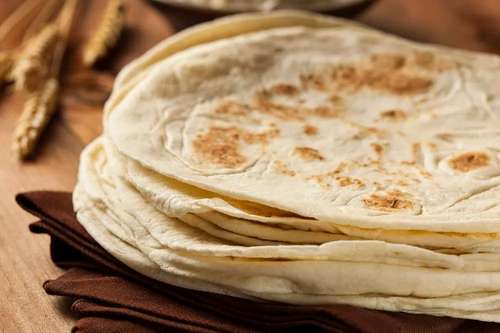
Ask a longtime Texan what separates an average Tex-Mex restaurant from a great one, and there's a good chance the answer won't be queso, enchiladas, or fajitas. Instead, many will point to the fresh tortillas. Whether they're soft flour tortillas arriving warm at the table or freshly pressed corn tortillas wrapped in a cloth-lined basket, they're often viewed as the foundation of the entire meal.
That importance goes beyond flavor. Fresh tortillas reflect generations of family traditions, regional history, and a commitment to craftsmanship that continues defining Tex-Mex cuisine today. Many Texas restaurants proudly make tortillas throughout the day because they know customers notice the difference almost immediately.
In a cuisine built around simple, satisfying ingredients, few things matter more than serving tortillas at their very best.
Tortillas Have Been Part of Texas Food Culture for Centuries
The story begins long before Tex-Mex became a recognized cuisine.
For thousands of years, Indigenous communities throughout Mexico prepared corn tortillas, using nixtamalized corn to create a versatile bread that accompanied nearly every meal. When Spanish settlers introduced wheat to northern Mexico during the colonial era, another tradition gradually emerged: the flour tortilla.
Northern Mexico's climate proved well suited to wheat farming, and flour tortillas became especially common in regions that now border Texas. As families moved, traded, and settled throughout what would become the Lone Star State, those recipes naturally became part of everyday cooking.
Modern Tex-Mex cuisine inherited both traditions, but flour tortillas became especially associated with South Texas, San Antonio, and much of the state's Tex-Mex restaurant culture.
Fresh Tortillas Transform the Entire Meal
A fresh tortilla is very different from one that's been sitting in plastic packaging for days.
When served immediately after cooking, a flour tortilla is soft, flexible, and slightly chewy with a rich aroma of toasted wheat. A fresh corn tortilla offers a delicate texture, subtle sweetness, and earthy flavor that packaged versions rarely achieve. These qualities affect every dish they accompany.
Whether wrapped around fajitas, served beside enchiladas, or simply enjoyed with butter before dinner, fresh tortillas enhance the entire meal rather than functioning as a mere side item. That's why restaurants that invest in making tortillas fresh often build fiercely loyal customer followings.
Great Tex-Mex Starts With Simple Ingredients
One reason fresh tortillas remain so highly respected is that they rely on relatively few ingredients.
Traditional flour tortillas typically contain flour, water, salt, baking powder, and either lard, vegetable shortening, or another fat. Corn tortillas require even fewer ingredients when prepared from freshly ground masa. Because there are no complex seasonings to hide imperfections, every step matters.
The dough must be mixed properly, rested long enough, rolled evenly, and cooked at precisely the right temperature. Even slight differences in technique affect the final texture. Making consistently excellent tortillas requires experience that many family recipes have refined over generations.
Handmade Tortillas Showcase Restaurant Quality
Many Texans judge a Tex-Mex restaurant before the entrées even arrive. If the tortillas are warm, soft, and obviously fresh, diners immediately gain confidence in the rest of the meal. Conversely, dry or rubbery tortillas often suggest that other shortcuts may follow.
For this reason, many respected restaurants continue making tortillas throughout the day despite the additional labor involved. Fresh tortillas quietly communicate a restaurant's standards. Without saying a word, they tell customers that quality remains a priority.
Flour and Corn Tortillas Both Have Important Roles
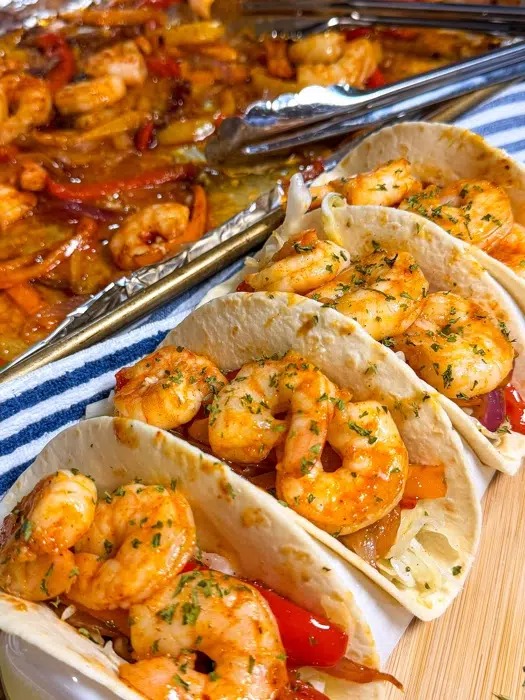
Source: stephgigliotti
Tex-Mex culture embraces both flour and corn tortillas, although each serves different purposes. Flour tortillas are especially common with fajitas, breakfast tacos, carne guisada, bean-and-cheese tacos, and as table bread before meals. Their softness and flexibility make them ideal for wrapping grilled meats and larger fillings.
Corn tortillas remain central to dishes such as enchiladas, crispy tacos, taquitos, and traditional street tacos. Their distinct flavor complements chile sauces, slow-cooked meats, and many regional Mexican recipes. Rather than competing with one another, the two styles reflect the diverse influences that shaped Texas cuisine.
Fresh Tortillas Are About Hospitality
Fresh tortillas also communicate something less tangible. At many family-owned Tex-Mex restaurants, bringing a warm basket of tortillas to the table is a way of welcoming guests. In some establishments, they arrive alongside butter, while others serve them with salsa or simply on their own. The gesture encourages everyone to relax while waiting for the main course.
Families talk, friends catch up, and children eagerly tear off pieces while the kitchen finishes preparing entrées. That slower, more welcoming rhythm remains an important part of traditional Tex-Mex dining.
Texas Restaurants Known for Excellent Fresh Tortillas
Across Texas, several restaurants have earned outstanding reputations for their fresh tortillas.
In Austin, Matt's El Rancho has been making flour tortillas for generations, while Joe's Bakery & Coffee Shop continues serving fresh tortillas alongside beloved breakfast tacos and classic Tex-Mex dishes. Fonda San Miguel, although more focused on interior Mexican cuisine, is also highly regarded for the quality of its handmade tortillas.
In San Antonio, Mi Tierra Café y Panadería remains one of the city's best-known destinations for fresh flour tortillas, while Blanco Café has built a loyal following around traditional Tex-Mex prepared with warm, house-made tortillas. Pete's Tako House is another longtime favorite where fresh tortillas remain central to the dining experience.
In Houston, The Original Ninfa's on Navigation helped popularize fajitas nationwide, and its fresh flour tortillas remain one of the restaurant's defining features. Nearby El Tiempo Cantina, founded by members of the same family, continues that tradition with tortillas made throughout the day.
The Dallas–Fort Worth area also offers excellent examples. Joe T. Garcia's in Fort Worth has long emphasized fresh tortillas alongside its classic Tex-Mex menu, while Meso Maya is widely praised for both its handmade corn and flour tortillas prepared fresh for many dishes.
These restaurants demonstrate that outstanding tortillas remain one of the clearest signs of a serious Tex-Mex kitchen.
Tortillas Connect Restaurants to Family Traditions
For many Texans, the taste of a fresh tortilla brings back childhood memories. Families often gathered around the kitchen while grandparents or parents rolled dough, cooked tortillas on a hot comal, and served them immediately with butter, beans, eggs, or grilled meats. Those recipes were rarely written down, passing instead from one generation to the next through observation and practice.
Many restaurant owners continue drawing from those same family traditions today. Serving fresh tortillas becomes a way of preserving recipes and techniques that have remained part of Texas kitchens for decades.
The Handmade Tortilla Revival
Interest in handmade tortillas has grown significantly in recent years. As more diners seek authentic regional cooking, restaurants and specialty tortillerías have renewed their focus on traditional techniques rather than mass-produced alternatives. Some now grind fresh masa for corn tortillas, while others continue preparing flour tortillas entirely by hand throughout the day.
Food writers, chefs, and home cooks have also helped educate diners about the differences between freshly made tortillas and factory-produced versions. This renewed appreciation has strengthened one of Texas' oldest culinary traditions.
Tips for Finding Great Fresh Tortillas
If you're looking for exceptional tortillas, start by visiting independent Tex-Mex restaurants that advertise handmade or house-made tortillas. Watch how the tortillas arrive. They should be warm, soft, and wrapped to retain moisture rather than sitting uncovered on the plate. A fresh flour tortilla should bend easily without cracking, while a quality corn tortilla should remain tender without falling apart.
If possible, enjoy one on its own before adding fillings. The best tortillas have enough flavor and texture to stand alone, making it easy to appreciate the craftsmanship behind them. Finally, don't hesitate to ask your server whether the tortillas are made in-house. Restaurants that invest the time and effort are usually proud to say so.
Why Fresh Tortillas Continue to Define Tex-Mex
Fresh tortillas remain one of the most important elements of Tex-Mex culture because they represent far more than convenience.
They connect modern restaurants to centuries of culinary tradition, showcase the skill of cooks who prepare them throughout the day, and create the welcoming atmosphere that has long defined Texas dining. Whether they're served before a meal, wrapped around sizzling fajitas, or accompanying a plate of enchiladas, they quietly elevate every dish they touch.
Restaurants such as Mi Tierra Café y Panadería, The Original Ninfa's on Navigation, Matt's El Rancho, Joe T. Garcia's, Blanco Café, and many other family-owned establishments continue proving that fresh tortillas are worth the extra effort. Their commitment helps preserve one of the most recognizable traditions in Texas food culture.
Comments (0)
No comments yet. Be the first to share your thoughts.
Leave a comment