


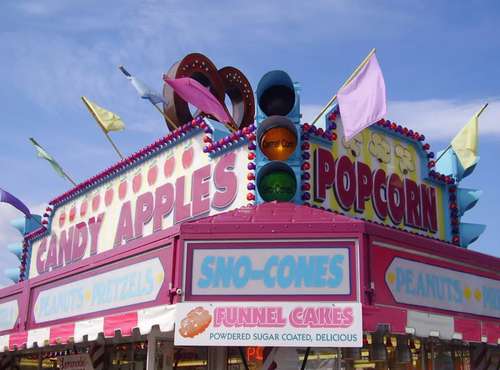
For many Texans, the first signs of fair season have little to do with livestock shows, carnival rides, or live entertainment. Instead, they arrive through familiar aromas drifting across fairgrounds—freshly fried corn dogs, barbecue smoke, roasted nuts, funnel cakes, and countless creative foods that seem to push culinary boundaries a little further each year.
Fair food has become one of the most recognizable and beloved parts of Texas culture. What began as practical refreshments for farmers and livestock exhibitors evolved into a tradition that attracts millions of visitors annually. Today, food is often one of the main reasons people attend Texas fairs, especially major events like the State Fair of Texas, one of the largest and most famous state fairs in the United States.
The popularity of fair food in Texas is about much more than indulgence. It reflects the state’s agricultural roots, entrepreneurial spirit, regional diversity, and love of community gatherings. The story of fair food is, in many ways, the story of Texas itself.
The Agricultural Roots of Texas Fairs
To understand why fair food became so important, it helps to look at why fairs existed in the first place.
Throughout the 19th century, agricultural fairs served as gathering places where farmers, ranchers, and rural communities could showcase livestock, crops, equipment, and innovations. Texas, with its vast agricultural economy, embraced these events as opportunities to exchange knowledge and celebrate local success.
Visitors often traveled considerable distances to attend. Many spent entire days at the fairgrounds, creating a natural demand for food vendors. Early fair food was straightforward and practical. Vendors sold sandwiches, pies, baked goods, sausages, roasted meats, and seasonal produce that could be prepared relatively easily for large crowds.
Food was initially a convenience. Over time, it became an attraction in its own right.
The Rise of the State Fair of Texas
First established in 1886, the fair quickly became one of the state’s premier annual events. Held in Dallas, it attracted visitors from across Texas who came to experience agricultural exhibits, livestock competitions, educational displays, entertainment, and eventually, food.
As attendance grew, food vendors recognized an opportunity. Competition encouraged creativity. Vendors began developing signature items designed to stand out from neighboring booths.
By the mid-20th century, certain foods became closely associated with the Texas fair experience. Visitors returned year after year seeking favorite treats, creating traditions that families passed down through generations.
Food was no longer simply something people ate while attending the fair. It became one of the reasons they attended.
How Iconic State Fair Foods Evolved
Some of the foods now closely associated with the State Fair of Texas began as simple concessions designed to feed large crowds. Corn dogs, funnel cakes, roasted corn, barbecue sandwiches, and cotton candy were practical fair foods because they were portable, affordable, and easy to eat while walking the grounds.
Over time, vendors realized that visitors were looking for more than convenience. They wanted foods that felt unique to the fair experience. This led to increasingly creative offerings that combined familiar comfort foods with Texas-sized imagination.
The evolution accelerated in the early 2000s as vendors competed to create foods that generated media attention and social media buzz. Deep-fried desserts, oversized burgers, inventive tacos, and sweet-and-savory combinations became annual attractions. Today, many visitors arrive with a list of new foods they want to try before they even enter the gates.
What began as simple concession fare has evolved into one of the fair’s biggest draws, helping transform food from a supporting attraction into a headline event.
The Corn Dog’s Texas Legacy
One of the most significant milestones in Texas fair food history is the rise of the corn dog.
The exact origins of the corn dog remain debated, but Texas played a major role in popularizing it. The Fletcher family introduced what became known as the Fletcher’s Original Corny Dog at the State Fair of Texas in the early 1940s.
The concept was simple yet effective: a hot dog coated in cornmeal batter and fried until golden brown. It was portable, affordable, and easy to eat while walking through crowded fairgrounds.
The Corny Dog became an instant success and remains one of the most iconic foods associated with Texas fairs. For many visitors, attending the State Fair of Texas without eating one feels almost unthinkable.
Its enduring popularity helped establish the idea that a fair food item could become a cultural symbol.
Big Tex and the Rise of Fair Food Culture
No discussion of Texas fair food is complete without Big Tex, the giant cowboy who has welcomed visitors to the State Fair of Texas since 1952. Standing 55 feet tall above Fair Park, Big Tex has become one of the most recognizable symbols of Texas culture and hospitality. His famous greeting of “Howdy, Folks!” has welcomed generations of fairgoers and helped turn a simple annual event into a statewide tradition.
As the fair grew throughout the second half of the twentieth century, Big Tex became more than a mascot. He became a cultural ambassador for the event and a familiar figure associated with family outings, football games, midway rides, livestock exhibits, and, of course, food. For many Texans, seeing Big Tex marks the official beginning of their annual fair experience.
His popularity also helped elevate the visibility of fair food vendors. New food creations often debut beneath the watchful presence of Big Tex, and many of the fair’s biggest culinary innovations have become part of the traditions that surround him. Today, Big Tex remains one of the strongest links between Texas fair culture and the food traditions that keep millions of visitors returning year after year.
The Big Tex Choice Awards and Record-Breaking Foods
One of the biggest reasons fair food continues to evolve is the annual Big Tex Choice Awards competition. Established in 2005, the contest encourages State Fair concessionaires to create new and imaginative foods that compete for recognition in front of judges and the public.
The competition has produced some of the fair’s most talked-about creations. Over the years, entries have included everything from deep-fried comfort foods and elaborate desserts to inventive combinations that blend multiple cuisines into a single handheld dish.
Winning a Big Tex Choice Award can dramatically increase a vendor’s visibility. Some creations become instant sensations, generating media coverage throughout Texas and beyond. Others help establish new trends that influence future fair menus. The competition has become so influential that many fairgoers now follow the finalists each year before deciding what foods to try.
The awards have helped reinforce the idea that Texas fair food is not simply about eating. It is about innovation, entertainment, and the excitement of discovering something completely new.
The Birth of Competitive Fair Food
One reason Texas fair food gained national attention is the development of food competitions.
The State Fair of Texas introduced annual contests that encouraged vendors to create entirely new menu items. These competitions transformed fair food from traditional snacks into culinary spectacles.
Each year, vendors unveil inventive creations hoping to capture public attention and earn awards. Winning entries often generate widespread media coverage and draw large crowds eager to try the latest sensation.
The competition has produced an impressive variety of foods over the years. Some are inspired by regional Texas flavors, while others embrace pure creativity. The goal is often to surprise visitors while still delivering something enjoyable to eat.
This culture of innovation helped Texas become one of the country’s most influential fair food destinations.
Deep-Fried Creativity Becomes a Texas Signature
Deep-fried foods are now closely associated with Texas fairs, but their popularity reflects several practical advantages.
Frying allows vendors to prepare large quantities quickly while maintaining consistency. It also creates flavors and textures that appeal to large audiences.
As food competitions intensified, frying became a vehicle for experimentation. Vendors discovered they could adapt familiar dishes into portable fair-friendly versions. Over time, Texas fairs became known for introducing deep-fried versions of foods that few people would have imagined placing in a fryer.
While these creations often attract headlines, they represent more than novelty. They showcase the playful, inventive spirit that has become part of Texas fair culture.
Visitors frequently attend not just to eat, but to discover what surprising new food might appear next.
A Reflection of Texas Diversity
Fair food also mirrors the cultural diversity that defines modern Texas.
The state’s cuisine draws influences from Mexican, German, Czech, Southern, African American, Cajun, and numerous other culinary traditions. These influences often appear in fair food offerings.
Visitors may find smoked brisket alongside tacos, sausage specialties, roasted corn, funnel cakes, barbecue sandwiches, and desserts inspired by regional traditions. New food entries frequently blend multiple influences, creating dishes that reflect Texas’s evolving identity.
This diversity helps explain why Texas fair food remains dynamic rather than static. The menu continues to change as new communities, ingredients, and culinary ideas become part of the state’s cultural landscape.
Food as Entertainment
At many Texas fairs, food serves the same purpose as rides, concerts, and exhibits—it entertains.
People discuss new foods before attending, photograph their meals, share recommendations with friends, and compare favorite vendors. Social media has amplified this phenomenon, turning certain fair foods into annual attractions.
Some visitors spend weeks planning which foods they want to try. Others make it a goal to sample award-winning creations each year.
The visual appeal of oversized desserts, elaborate toppings, and unusual combinations adds another layer to the experience. Fair food becomes part of the event’s storytelling and excitement.
In this sense, food has evolved beyond nourishment into a form of entertainment that contributes directly to the fair’s atmosphere.
How Fair Food Has Changed Through the Decades
The fair food landscape of the 1950s looked very different from what visitors experience today.
During the mid-twentieth century, most fair foods focused on practicality. Corn dogs, barbecue, hamburgers, popcorn, roasted peanuts, and simple sweets dominated concession stands. These foods were affordable, filling, and easy to prepare for large crowds.
By the 1980s and 1990s, menus began expanding as vendors introduced larger portions and more specialized offerings. Regional foods from across Texas became increasingly visible, reflecting the state’s growing diversity.
The biggest transformation arrived in the early 2000s. Food competitions, television coverage, and eventually social media encouraged vendors to think bigger and bolder. Deep-fried desserts, oversized snacks, gourmet ingredients, and unexpected flavor combinations became annual attractions.
Today, fair food serves multiple purposes. It still satisfies hunger, but it also creates photo opportunities, social media moments, and conversations that continue long after the fair ends. Despite all the changes, the underlying goal remains the same: bringing people together through memorable food experiences.
That ability to evolve while preserving tradition is one of the reasons fair food remains such an important part of Texas culture.
A Texas Tradition That Continues to Evolve
The story of Texas fair food is ultimately a story of adaptation. What began as simple refreshments for agricultural fairs grew into a culinary tradition recognized throughout the country.
Today, fair food serves as a bridge between Texas’s agricultural past and its modern cultural identity. It celebrates local ingredients, honors family traditions, encourages creativity, and brings communities together in ways few other experiences can.
As long as Texans continue gathering at fairgrounds each year, fair food will remain more than a meal. It will continue serving as a symbol of shared experiences, regional pride, and the enduring spirit of celebration that has long defined life in the Lone Star State.
Comments (0)
No comments yet. Be the first to share your thoughts.
Leave a comment