


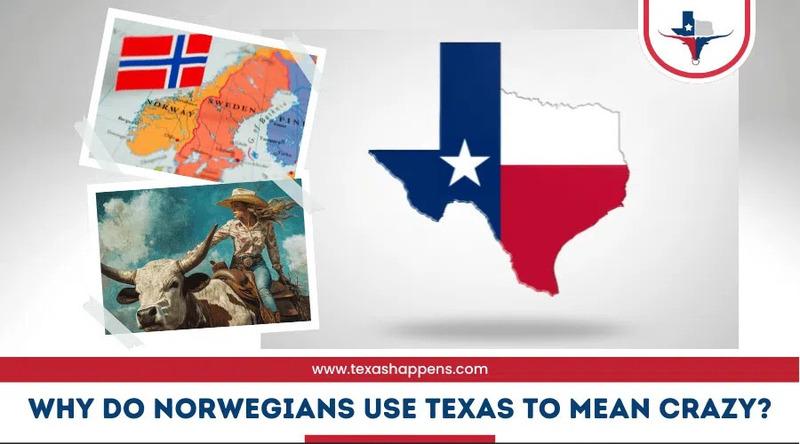
In Norway, the word "Texas" has an unusual meaning beyond the American state. Norwegians use it to describe situations that are wild, chaotic, or unpredictable. The expression originated from popular images of the American Wild West, particularly cowboy movies and Western literature. Over time, it became a familiar part of Norwegian slang, reflecting how cultural stereotypes can influence everyday language.
Key Takeaways
- Norwegians use the expression helt texas, meaning "completely crazy" or "total chaos," to describe wild or unpredictable situations.
- The slang developed from popular portrayals of Texas in American Western movies, books, and cowboy stories.
- The earliest known written example appeared in a 1957 novel by Norwegian author Vegard Vigerust.
- The expression commonly describes chaotic events, including parties, sporting matches, traffic, and unusual incidents.
- Linguists identify this usage as metonymy, where a place name takes on a meaning associated with its cultural image.
- Norwegian expressions such as hawaii football demonstrate similar figurative uses of geographic names.
- The expression gained international attention in 2015, surprising many Americans unfamiliar with its Norwegian meaning.
What Does Texas Mean in Norwegian Slang?
In everyday Norwegian speech, "Texas" can describe something chaotic, disorderly, or unusually exciting. The most common expression is helt texas, which roughly translates to "completely crazy" or "total chaos." Rather than referring directly to the American state, the phrase describes situations that appear unpredictable or difficult to control.
Norwegians might use the expression when describing a crowded party, a particularly heated football match, or unusually hectic traffic. For example, someone discussing an unruly celebration might say Det var helt texas, meaning the event was completely wild. The expression can convey amusement, frustration, or excitement depending on the circumstances.
Importantly, the phrase generally describes events and atmospheres rather than individual personalities. Calling a situation helt texas does not necessarily mean something dangerous happened. It often suggests confusion, excessive activity, or unexpected excitement, making the expression useful in informal conversations and news reporting.
How American Western Movies Inspired the Expression
The Norwegian use of "Texas" developed from the popularity of American Western entertainment. During the twentieth century, cowboy movies, adventure novels, and stories about frontier life attracted audiences throughout Europe. These stories frequently portrayed Texas as a landscape associated with outlaws, gunfights, daring adventures, and lawlessness.
Although Western stories covered many parts of the United States, Texas became especially recognizable as a symbol of frontier excitement. Norwegian audiences encountered fictional cowboys, sheriffs, and bandits through imported films and books. These portrayals gradually established a strong cultural association between Texas and unpredictable situations.
Over time, the geographic name developed a meaning separate from the actual state. Norwegians began using "Texas" to describe chaotic experiences in their own communities. The expression reflected an imagined version of the American frontier rather than a factual assessment of contemporary Texan society.
When Did Norwegians Start Using Texas This Way?
The earliest widely documented written example of "Texas" as Norwegian slang appeared in 1957. Norwegian author Vegard Vigerust used the expression in his novel Gutten som ville kjøpe Norsk Rikskringkasting. The passage described making a situation in a village even more chaotic.
However, the 1957 example does not establish exactly when the expression originated. Linguists suggest it was probably already familiar in spoken Norwegian before appearing in literature. Popular Western movies and books had circulated for decades, allowing the association between Texas and disorder to develop gradually.
The Norwegian Language Council has confirmed the expression's longstanding use. Its appearance in historical dictionaries and newspaper archives demonstrates that it was not invented through modern internet culture. Instead, it developed through ordinary language use before attracting wider international attention in the twenty-first century.
How Norwegians Use Helt Texas in Everyday Conversations
The expression helt texas is flexible enough to describe many everyday situations. A person attending a crowded concert might use it to describe an energetic audience. Someone experiencing disorganized traffic could use the same phrase to express frustration about the confusion surrounding them.
Sporting events provide another common setting for the expression. Norwegian football commentators and supporters sometimes use "Texas" when matches become unpredictable, with rapid attacks, defensive mistakes, and dramatic changes in momentum. In these contexts, the phrase emphasizes excitement and a lack of control.
The expression can also describe unusual incidents reported in newspapers. In one documented example, a Norwegian fisherman used it after encountering an unexpectedly large swordfish. Such examples demonstrate that helt texas does not always indicate something negative. It can also describe surprising experiences that become memorable because of their intensity.
The Washington Post
Why Linguists Consider Texas an Example of Metonymy
The Norwegian meaning of "Texas" illustrates a linguistic process known as metonymy. This occurs when a word or name takes on another meaning through a strong association. Instead of describing the geographic location itself, speakers use the name to represent qualities connected with its cultural image.
In this case, Texas became associated with Western movies, cowboys, frontier towns, and unpredictable adventures. These associations eventually allowed the place name to function as an informal description of disorder. The expression became recognizable because speakers shared similar cultural references.
Metonymy appears in many languages and is not limited to geographic names. English speakers use "Hollywood" to represent the American film industry and "Wall Street" to refer to financial markets. Similarly, Norwegian speakers transformed "Texas" into a description of chaotic situations through familiar cultural associations.
Other Norwegian Expressions Inspired by Geographic Places
Norwegian contains other expressions that use geographic names figuratively. One example is hawaii football, which describes an unusually open or unpredictable football match. The term suggests a game where players move rapidly between attacking and defending, creating a disorganized but entertaining contest.
Another expression draws on Klondike, the region associated with the gold rush of the late nineteenth century. In Norwegian usage, references to Klondike can evoke a rush of activity, sudden opportunity, or disorderly competition. The association comes from historical images of prospectors seeking wealth in a rapidly developing frontier environment.
These expressions demonstrate how geographic names can acquire meanings shaped by popular culture and historical events. Their figurative uses do not necessarily reflect accurate descriptions of the places involved. Instead, they show how shared cultural impressions become convenient shortcuts in everyday communication.
How the Norwegian Expression Surprised Americans in 2015
Although Norwegians had used "Texas" as slang for decades, the expression attracted international attention in October 2015. An online discussion about its unusual meaning caught the attention of American journalists. Texas Monthly subsequently published a story explaining how Norwegians used the state's name to describe chaotic situations.
The report spread through American news outlets, including NPR and other national publications. Many readers were surprised that the name of an American state had developed such a distinctive meaning in another language. Some Texans found the expression amusing, while others questioned whether it unfairly portrayed their home state.
Norwegian language specialists explained that the expression originated from fictional images of the Wild West rather than negative judgments about modern Texas. International coverage highlighted how familiar cultural references can acquire unexpected meanings abroad. The story also introduced wider audiences to the distinctive creativity of Norwegian slang.

Comments (0)
No comments yet. Be the first to share your thoughts.
Leave a comment