


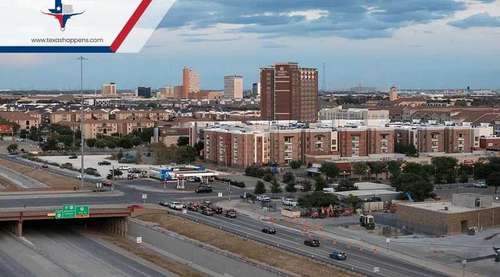
Lubbock's Depot District brings together live music, local history, restaurants, and cultural attractions in one of the city's most distinctive entertainment areas. Located near downtown along Buddy Holly Avenue, the neighborhood has evolved from a railroad and warehouse district into a lively destination for residents and visitors. With historic venues, Texas music traditions, and an inviting nightlife scene, the Depot District offers plenty of reasons to explore this corner of West Texas.
The History Behind Lubbock's Depot District
The Depot District takes its name from the Fort Worth and Denver South Plains Railway Depot, constructed in 1928. The railroad helped connect Lubbock with regional markets, supporting the movement of agricultural goods, passengers, and commercial supplies throughout West Texas.
As transportation patterns changed, the surrounding neighborhood gradually shifted away from its original railroad and industrial functions. Many older buildings remained, preserving architectural details that reflected the area's early commercial development and transportation heritage.
Revitalization efforts beginning in the late 1980s and continuing through the 1990s transformed the neighborhood into an entertainment destination. Historic properties gained new uses as restaurants, performance spaces, and cultural attractions, helping establish the district's distinctive combination of history and modern activity.
Iconic Music Landmarks and Live Entertainment
Music is central to the Depot District's identity, particularly through its connection to Lubbock-born rock and roll pioneer Buddy Holly. The Buddy Holly Center occupies the historic railway depot and features memorabilia, exhibitions, and educational programs celebrating his influence on American music.
Nearby, the Cactus Theater has become one of the district's recognizable entertainment landmarks. Originally opened as a movie theater in 1938, it was restored during the 1990s and now hosts concerts, theatrical productions, and performances by regional and touring artists.
The Blue Light adds another dimension to the neighborhood's music scene through live performances associated with Texas country, Americana, and emerging musicians. Together, these venues create an entertainment atmosphere that celebrates Lubbock's musical heritage while supporting contemporary performers.
Exploring Art and Cultural Attractions
Beyond live music, the Depot District offers opportunities to explore Lubbock's artistic heritage. The Buddy Holly Center combines historical music exhibits with visual arts programming, creating a cultural space where visitors can discover both established artists and regional creative talent.
Across from the center, the Buddy and Maria Elena Holly Plaza features the Buddy Holly statue and West Texas Walk of Fame. These landmarks honor musicians and entertainers connected to the region, celebrating their contributions to Texas cultural history.
The surrounding downtown Cultural District also provides access to galleries, public artworks, and additional performance spaces. This combination of artistic attractions gives visitors opportunities to explore Lubbock's creative identity beyond its celebrated musical traditions.
Dining and Nightlife in the Depot District
The Depot District's dining and nightlife scene contributes significantly to its popularity. Restaurants, bars, and entertainment establishments provide gathering places for visitors looking to enjoy a meal before a concert or spend an evening exploring downtown Lubbock.
McPherson Cellars is a distinctive destination located inside a renovated former Coca-Cola bottling plant. The winery highlights Texas wines while preserving elements of the building's industrial history. Its tasting room and event spaces demonstrate how historic properties can be adapted for modern hospitality.
Live music establishments such as the Blue Light contribute to the district's nighttime atmosphere. Visitors can combine performances with nearby dining options, although individual operating hours, reservations, and entertainment schedules should be checked before arriving.
Shopping and Discovering Local Businesses
The Depot District and nearby downtown streets offer opportunities to explore independently operated businesses, specialty shops, and creative establishments. Historic commercial buildings provide distinctive settings that reflect the neighborhood's earlier development.
Jux-Ta-Posh is among the recognizable downtown businesses associated with antiques, home furnishings, and decorative merchandise. Stores like these contribute to the broader shopping experience, offering alternatives to conventional retail centers.
Exploring the area on foot also reveals historic architecture and streetscapes shaped by decades of redevelopment. While individual businesses may change locations or operating schedules, the neighborhood's character continues to reflect a mixture of older commercial traditions and modern creativity.
Community Events and Festivals
Community celebrations play an important role in Lubbock's downtown cultural scene. The First Friday Art Trail, held monthly throughout the wider Cultural District, brings together galleries, museums, artists, and visitors for an evening of exhibitions and creative activities.
The event provides opportunities to experience regional artwork, meet local creators, and explore participating cultural venues. Free transportation services traditionally help visitors travel between locations, including stops near the Buddy Holly Center.
Concerts, seasonal celebrations, and special performances also contribute to the area's entertainment calendar. Event offerings vary throughout the year, so visitors should confirm current schedules rather than assuming recurring programs or performances take place every week.
Family-Friendly Attractions and Nearby Experiences
Although the Depot District is known for nightlife, visitors can also enjoy daytime cultural attractions. The Buddy Holly Center provides educational opportunities for families interested in music, local history, and visual arts.
The Buddy Holly statue and West Texas Walk of Fame offer additional stops for sightseeing and photography. These outdoor landmarks provide an accessible introduction to the city's musical heritage without requiring a lengthy visit.
Families exploring the wider Lubbock area can also consider the National Ranching Heritage Center and American Wind Power Center. Located outside the Depot District, these attractions highlight West Texas ranching traditions and wind energy history, complementing a day of cultural exploration.
Tips for Making the Most of Your Visit
Planning a visit to the Depot District is easier when you consider the activities that interest you most. Daytime visits are well suited to museums, historic buildings, and sightseeing, while evenings offer opportunities to enjoy concerts, restaurants, and live entertainment.
The neighborhood is accessible by car, with parking options available around downtown Lubbock. Visitors attending performances should check venue-specific parking arrangements, ticket requirements, and schedules in advance, particularly during busy weekends or special events.
Whether you're interested in Buddy Holly's musical legacy, historic architecture, dining, or live performances, the Depot District offers a memorable introduction to Lubbock's cultural character. Its combination of preserved history and contemporary entertainment makes it a distinctive destination in West Texas.

Comments (0)
No comments yet. Be the first to share your thoughts.
Leave a comment