


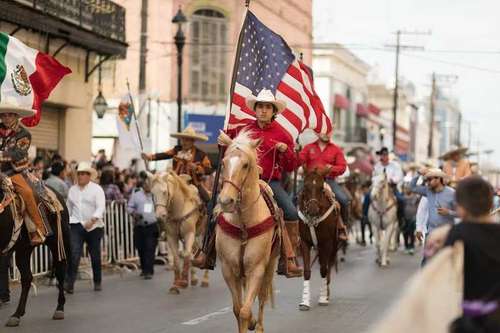
Texas has always been a place shaped by many cultures. Across the state, communities gather each year to celebrate food, music, dance, history, faith, art, and family traditions. These events are often colorful and fun, but they also serve a deeper purpose. Cultural festivals help people understand where they come from, learn about their neighbors, and strengthen the communities they call home.
From small-town heritage fairs to large city celebrations, cultural festivals give Texans a chance to share identity in a public and welcoming way. They bring generations together. They support local businesses. They preserve stories that might otherwise fade. Most of all, they remind people that Texas culture is built from many voices, backgrounds, and traditions.
Festivals Keep Heritage Alive
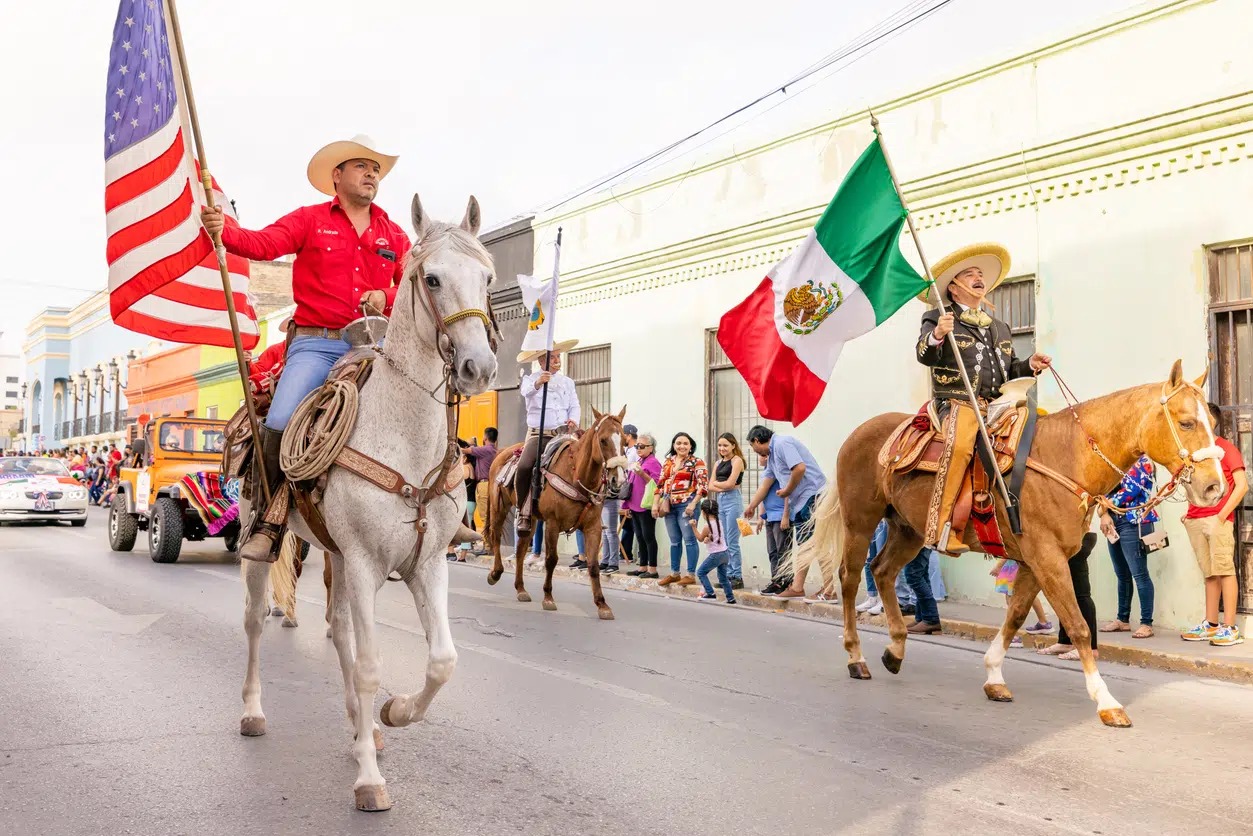
Cultural festivals help preserve traditions that families and communities have carried for decades or even centuries. These traditions may include folk dances, religious customs, traditional clothing, storytelling, music, or recipes passed down through generations.
In Texas, this matters because so many communities have roots in different parts of the world. Mexican American, German, Czech, Polish, Vietnamese, African American, Native American, Irish, Scottish, Lebanese, Greek, Filipino, and many other communities have all helped shape the state’s identity.
A festival gives these traditions a public home. Children see grandparents speak a heritage language, prepare traditional foods, or explain old customs. Younger generations learn that culture is something lived, shared, and practiced. That experience can make history feel personal instead of distant.
For example, a child who attends a Czech kolache festival may learn that the pastry on the table connects to immigrant families who settled in Central Texas. A student watching a Día de los Muertos altar may gain a better understanding of remembrance, family, and Mexican cultural traditions. These moments turn heritage into something visible and meaningful.
They Build Community Pride
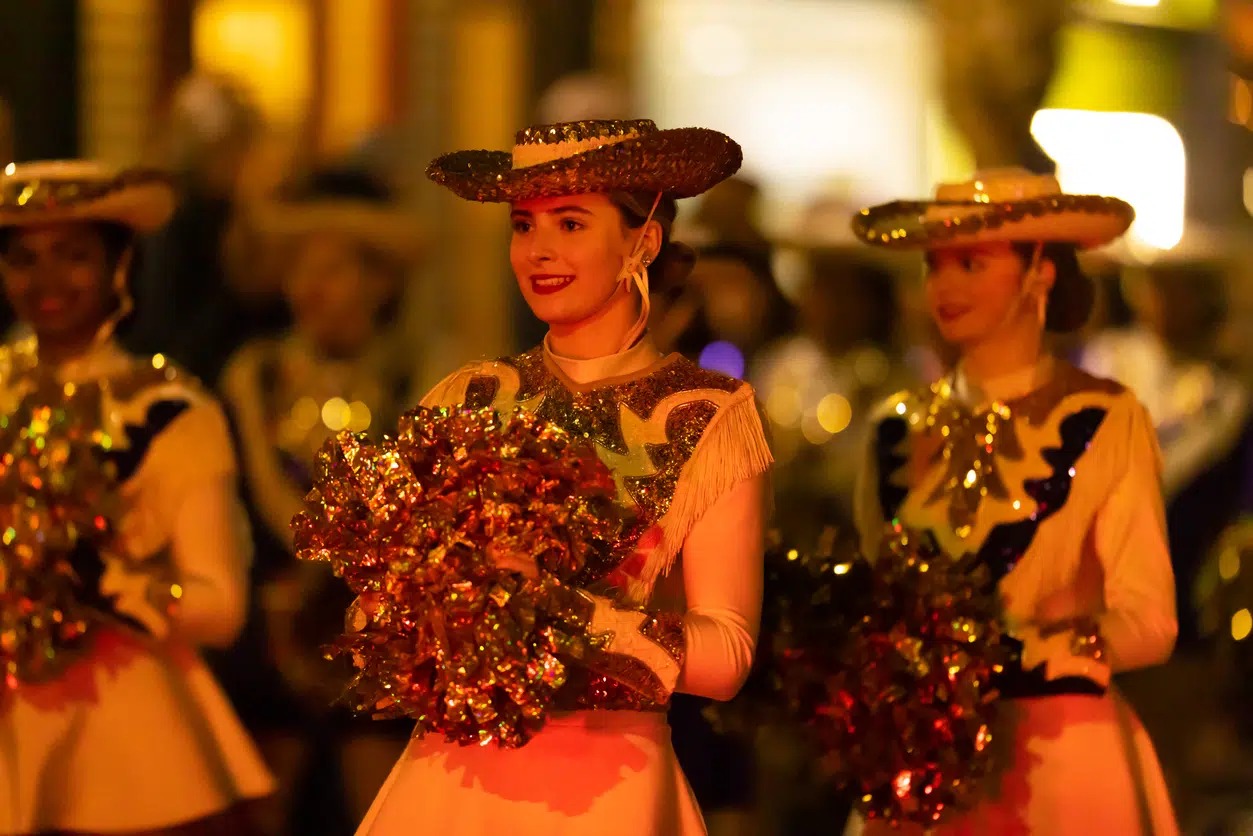
Festivals give people a reason to feel proud of where they live. A town known for a specific cultural celebration often builds part of its identity around that event. Residents volunteer, decorate, cook, perform, organize booths, and welcome visitors.
That kind of shared effort builds pride. People see their hometown or neighborhood come alive. Streets fill with music. Local parks turn into gathering spaces. Community centers become places of celebration. Even people who do not share the culture being celebrated can still feel connected to the event because it belongs to the community as a whole.
This pride can be especially important in smaller towns. A local festival can remind residents that their community has a story worth telling. It can also help younger people feel connected to their hometown instead of seeing it as a place with little to offer.
Festivals Encourage Cultural Understanding
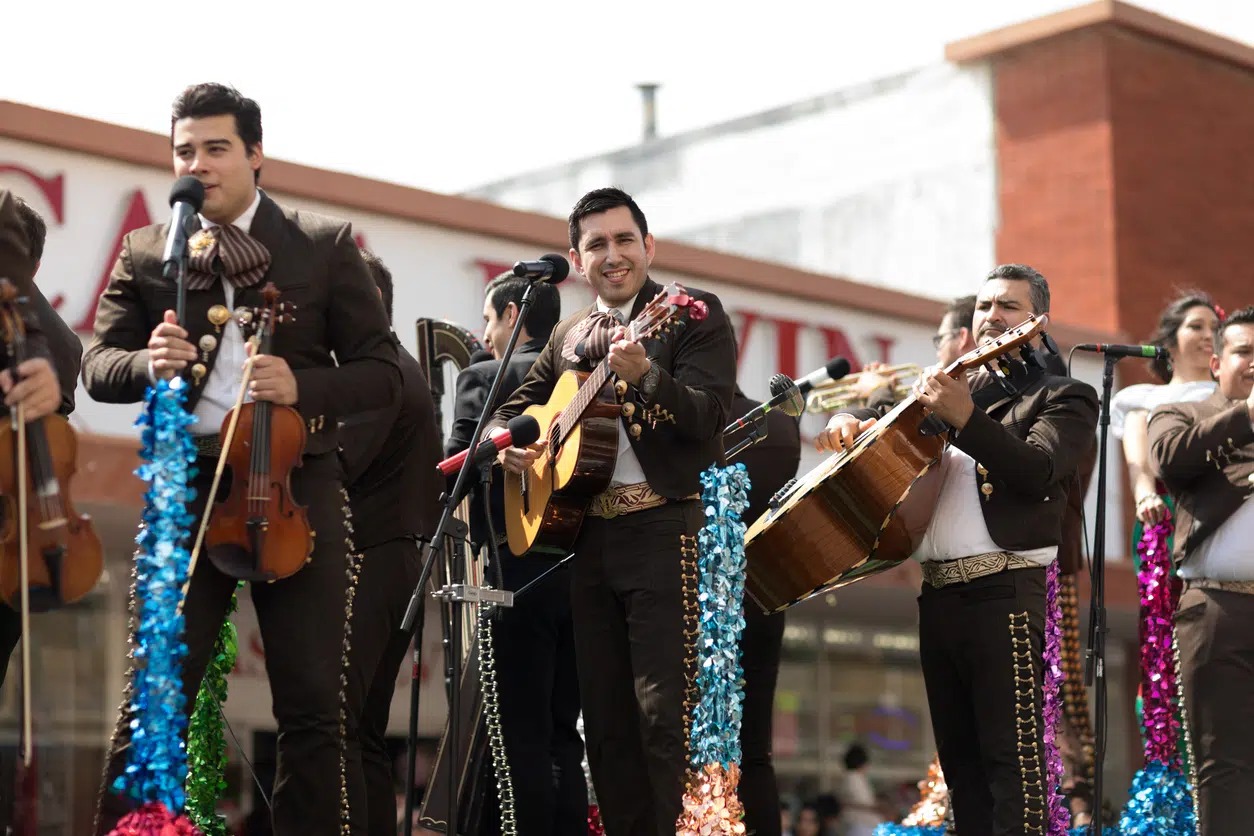
Texas communities are often diverse, especially in major cities like Houston, Dallas, San Antonio, Austin, El Paso, and Fort Worth. Cultural festivals create relaxed spaces where people can learn about one another without feeling like they are sitting in a classroom.
Food, music, dance, and art are easy entry points into learning. Someone may come for tacos, barbecue, dumplings, pierogi, tamales, sausage, curry, or pastries, then leave with a better understanding of the people behind those traditions.
This kind of learning matters. It helps reduce stereotypes. It encourages curiosity. It allows people to ask questions, listen to stories, and see neighbors in a fuller way.
Festivals also show that cultural differences do not have to create distance. They can become points of connection. A dance performance, a craft demonstration, or a shared meal can help people recognize common values such as family, faith, hospitality, remembrance, hard work, and celebration.
They Support Local Businesses and Artists
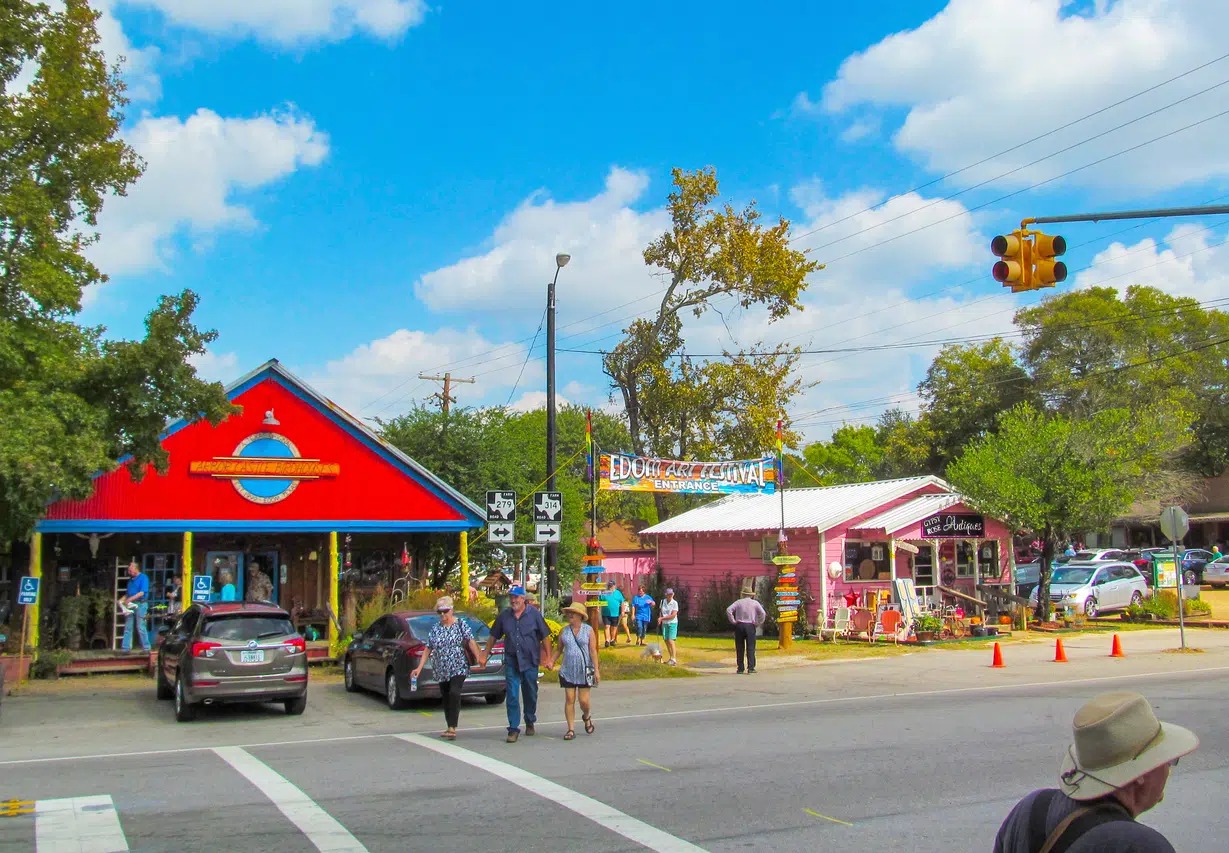
Cultural festivals often provide a strong boost for local economies. Vendors sell food, handmade crafts, clothing, jewelry, books, art, and other goods. Restaurants may see more customers. Hotels and shops may benefit when visitors come from nearby towns or other parts of the state.
For small business owners, festivals can be a valuable opportunity. A family-run food stand may introduce its recipes to new customers. A local artist may sell work inspired by cultural traditions. Musicians and performers may gain exposure and build stronger connections with audiences.
These events also help keep traditional skills alive. Craft makers, cooks, dancers, singers, and storytellers often rely on festivals as places to share their work. Without these gatherings, some cultural art forms may have fewer public spaces to survive and grow.
Festivals Bring Generations Together
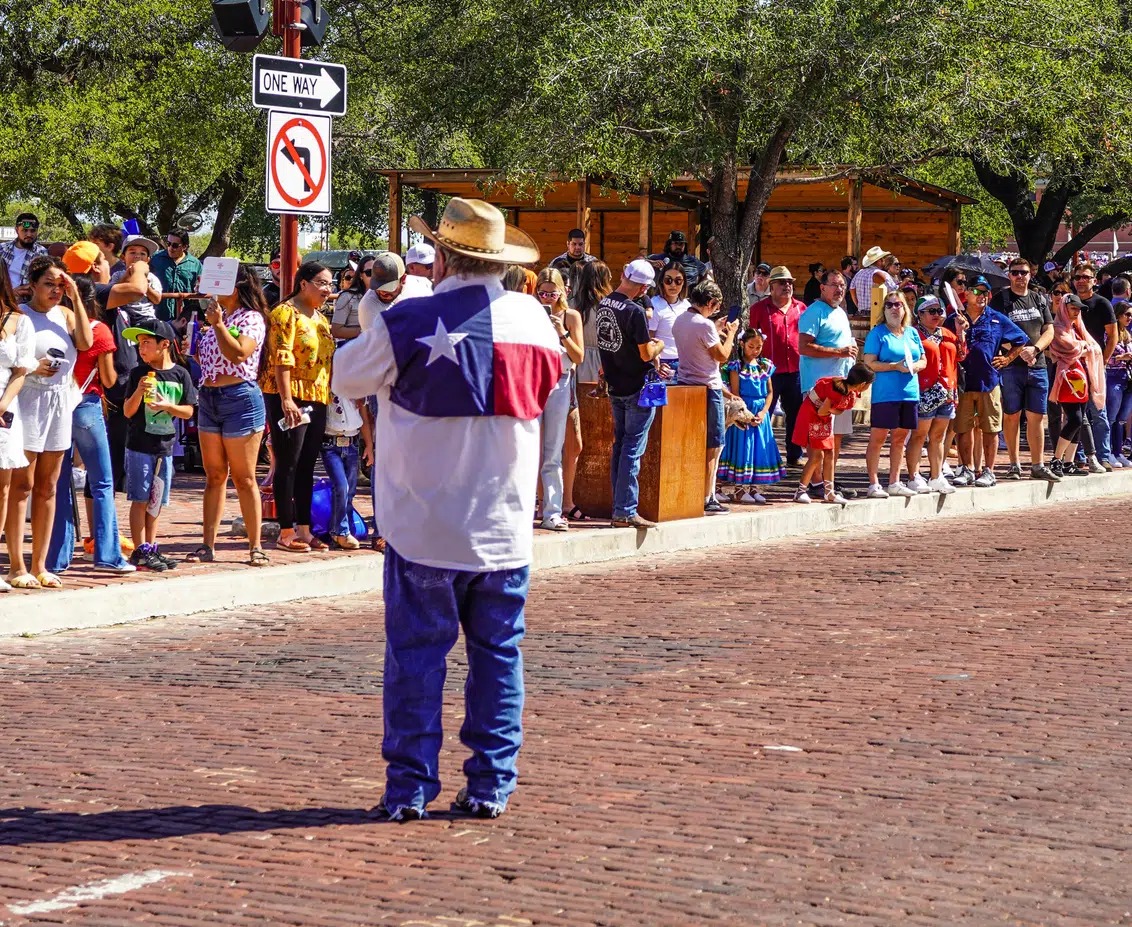
One of the strongest parts of a cultural festival is the way it connects generations. Older adults often carry memories, recipes, songs, prayers, and stories that younger people have not yet learned. Festivals give them a reason to pass those things along.
A grandmother may teach a child how to fold dough for a traditional pastry. A father may explain the meaning behind a dance costume. A community elder may tell stories about immigration, farming, military service, church life, or neighborhood history.
These exchanges are important because culture depends on memory. When younger generations participate, they help carry traditions forward. They may adapt them over time, but they still keep a connection to the past.
Festivals also create family memories. Many Texans can remember attending the same annual festival year after year. Those repeated experiences become part of family life and community identity.
They Make History Easier to Understand
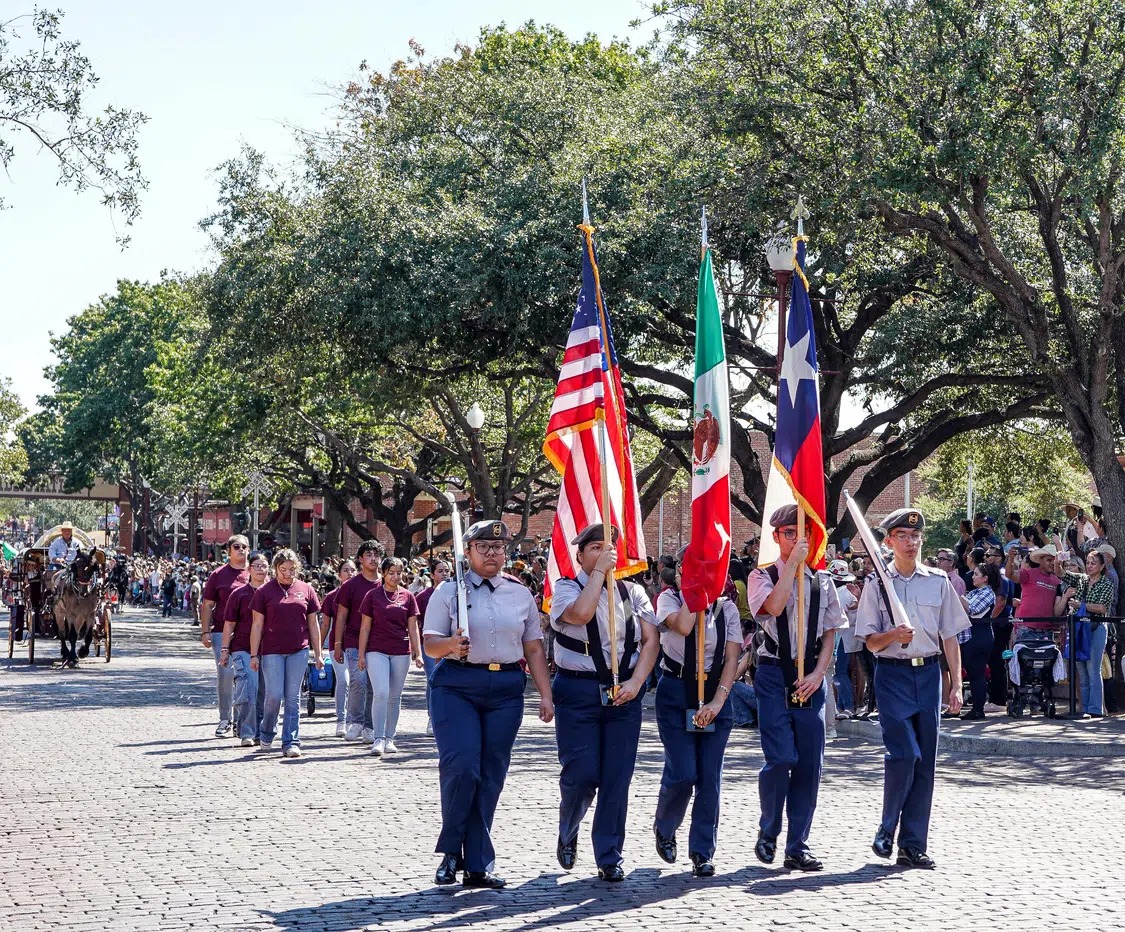
History can sometimes feel like a list of dates, names, and events. Cultural festivals make history easier to understand because they connect it to everyday life.
A German heritage festival in Texas can open conversations about immigration, farming communities, church traditions, language, and settlement patterns. A Juneteenth celebration can teach people about freedom, resilience, and the central role Texas played in that history. A Native American cultural gathering can help visitors understand the deep roots of Indigenous peoples in the region long before Texas became a state.
When history appears through music, food, clothing, ceremonies, and personal stories, it becomes easier to remember. People do not only read about the past. They experience parts of it through community celebration.
Festivals Strengthen a Sense of Belonging
People need places where they feel seen and welcomed. Cultural festivals can provide that sense of belonging, especially for communities whose histories have not always received equal attention.
For immigrants, descendants of immigrants, and long-established cultural communities, festivals can create a powerful feeling of recognition. They say, “Our story matters here.” That message matters for children, families, elders, and newcomers.
At the same time, festivals invite others to join the celebration. They do not have to belong to only one group. A well-planned festival can welcome everyone while still honoring the culture at its center.
This balance is important. It allows communities to celebrate identity while also building bridges with neighbors.
They Help Communities Adapt and Grow
Culture is not frozen in time. It changes as people move, create, marry, raise families, start businesses, and build new lives. Texas festivals often show this natural change.
A festival may include traditional music alongside newer styles. Food vendors may serve classic recipes with local Texas flavors. Younger performers may blend old customs with modern art. These changes do not erase heritage. They show that culture is alive.
Texas itself has always been shaped by movement and exchange. Cultural festivals reflect that reality. They help communities honor the past while still making room for new ideas and new generations.
Festivals Create Shared Joy
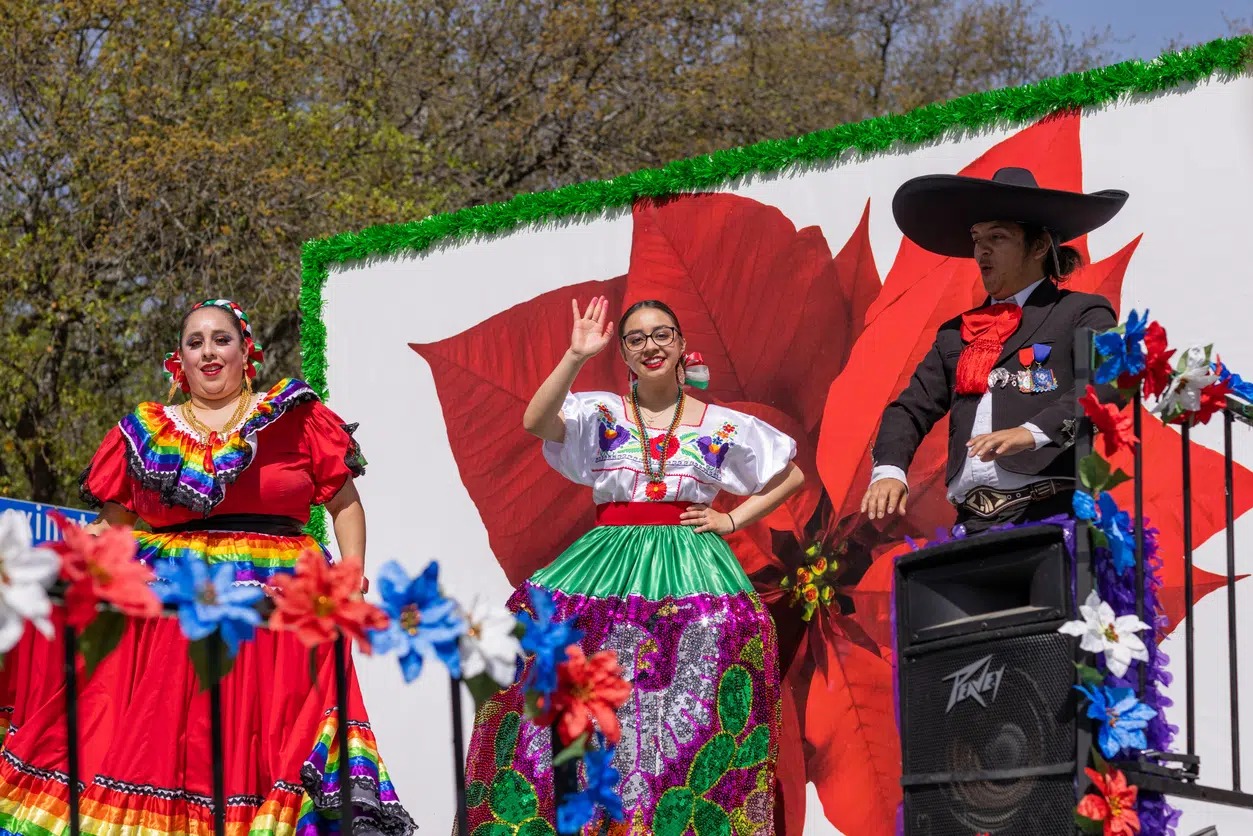
Communities need joy as much as they need services, roads, schools, and businesses. Festivals give people a break from routine. They offer music, laughter, dancing, food, games, parades, and public gatherings.
That shared joy has real value. It helps neighbors meet. It gives families something to look forward to. It creates positive memories tied to a place. It can even help communities heal after hard times by bringing people back together in a spirit of celebration.
A festival may last only a day or a weekend, but the feeling can stay with people much longer.
Why They Matter Across Texas
Cultural festivals matter because they do work that is both practical and personal. They preserve history. They support local economies. They teach people about one another. They give families a way to pass down traditions. They also help communities feel proud, connected, and welcoming.
In a state as large and varied as Texas, these events play an important role. They remind people that Texas identity has many layers. It includes ranching towns, border communities, coastal cities, farming settlements, immigrant neighborhoods, historic Black communities, Indigenous traditions, and modern urban centers.
Each festival adds another piece to the story of Texas. Together, they show how much culture lives in the state’s food, music, language, faith, art, and family life.
Final Thoughts
Cultural festivals are far from simple entertainment. They are community classrooms, family reunions, local business showcases, history lessons, and celebrations of identity. They help Texans understand their neighbors and appreciate the many traditions that shape the state.
When people gather for a festival, they do something meaningful. They honor the past, enjoy the present, and help carry culture into the future. That is why cultural festivals continue to matter so deeply to Texas communities.
Comments (0)
No comments yet. Be the first to share your thoughts.
Leave a comment