


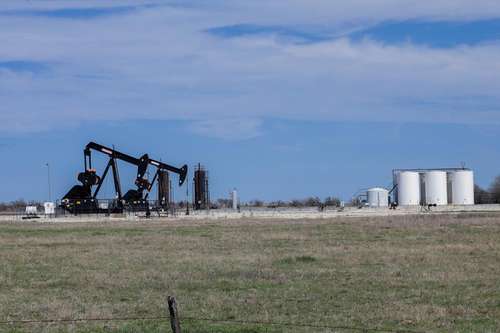
Oil has a way of changing places fast, and Texas knows this better than most. One day a quiet town sits near a stretch of farmland or open desert. The next, it fills with trucks, drilling rigs, workers, and money. Restaurants open. Rents climb. New roads appear almost overnight. In parts of West Texas and the Permian Basin, this cycle has played out more than once. For a while, it can feel like the good times will roll on forever.
But oil booms do not last. Wells slow down. Prices fall. Companies move on to the next opportunity. When that happens, Texas communities that grew quickly are left with a hard question: what comes next?
This article looks at what really happens after the oil leaves, with a focus on places shaped by Texas oil booms. It explores the economic, social, and environmental effects of the bust that follows a boom. It also looks at how some towns struggle, how others adapt, and what lessons decades of oil history in Texas have already taught us.
The Rise and Fall of the Oil Boom
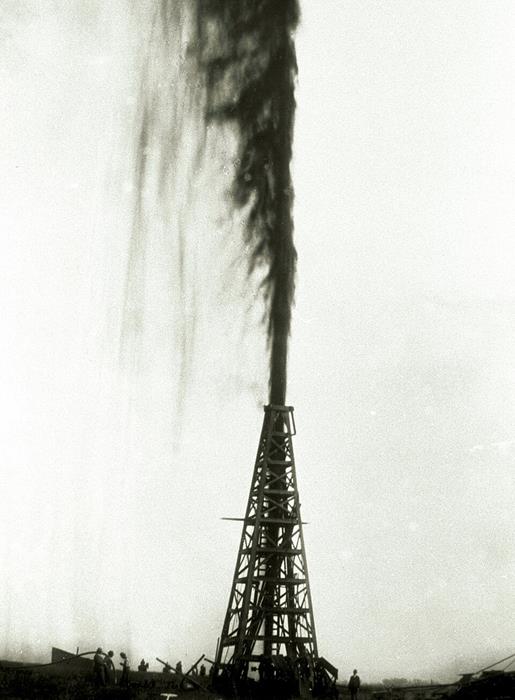
Oil booms follow a familiar pattern, and Texas has seen it play out time and again. A new discovery is made, or oil prices rise enough to make drilling worthwhile. Workers arrive in large numbers, often from across the state or from other parts of the country. Local businesses see quick profits. Governments collect more tax revenue. Land values rise, sometimes faster than anyone expects.
During this phase, growth often feels unstoppable. Housing expands quickly in places like West Texas and South Texas. Schools grow crowded. Traffic increases on roads never designed for heavy industrial use. Town budgets stretch to keep up with the demand for public services, from law enforcement to water systems.
Then the shift begins. Sometimes it comes slowly, with fewer new wells drilled each year. Other times it arrives fast, triggered by a sudden drop in oil prices, global market shifts, or regulatory changes. Companies cut jobs. Rigs are dismantled or moved elsewhere. Workers leave as quickly as they arrive.
What remains is a Texas town built for growth that is no longer happening, forced to adjust to a new economic reality after the boom fades.
Economic Shock: Jobs, Income, and Local Business
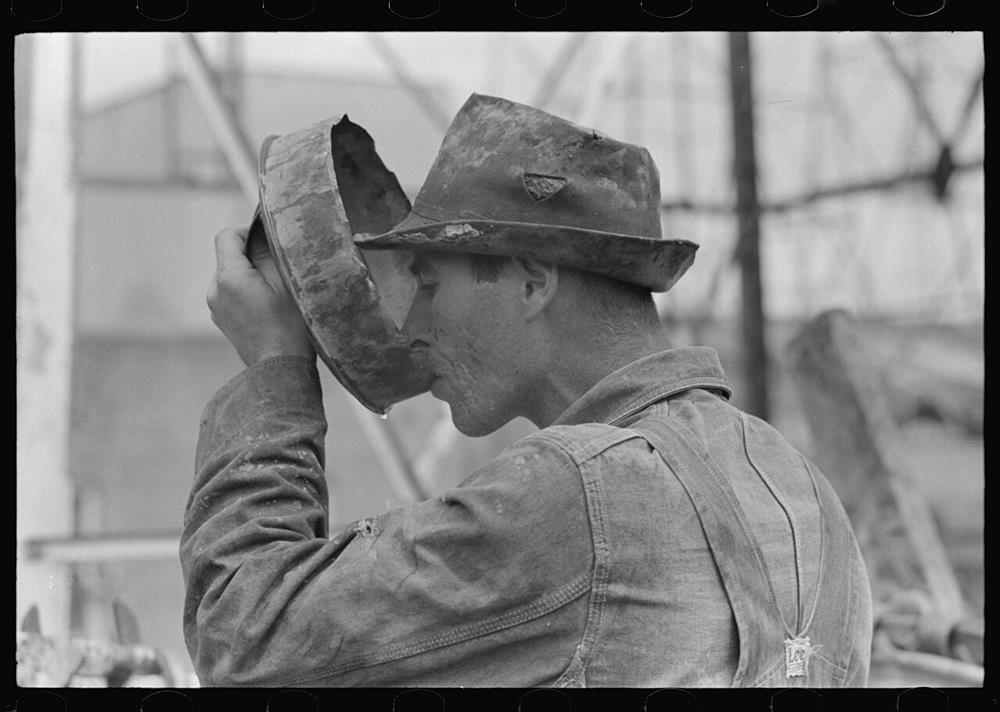
The first and most visible impact of an oil bust in Texas is job loss. Oil extraction supports far more employment than drilling crews alone. Truck drivers hauling water and equipment, mechanics servicing rigs, engineers, safety inspectors, and office staff all depend on steady activity. So do restaurants, hotels, equipment suppliers, and small retailers in towns across West Texas and South Texas.
When oil activity slows, these jobs disappear in waves.
Unemployment rises sharply. Wages fall. Many workers move away to find work elsewhere, often heading to another oil region or leaving the state altogether. They take their spending power with them. Local businesses that expanded during the boom often struggle to survive. Some closed within months, especially those that relied heavily on oilfield workers.
Property values also drop. Homes built to meet peak demand sit empty. Rents fall, sometimes below what landlords need to cover mortgages. Construction projects stall, leaving unfinished developments on the edges of Texas boomtowns.
For local governments, the financial picture becomes grim. Tax revenue declines while infrastructure costs remain. Roads damaged by heavy truck traffic still need repairs. Schools still need funding. Water systems built for rapid growth still require upkeep. Balancing budgets becomes difficult, and cuts to public services often follow.
Population Whiplash and Community Change
The first and most visible impact of an oil bust in Texas is job loss. Oil extraction supports far more employment than drilling crews alone. Truck drivers hauling water and equipment, mechanics servicing rigs, engineers, safety inspectors, and office staff all depend on steady activity. So do restaurants, hotels, equipment suppliers, and small retailers in towns across West Texas and South Texas.
When oil activity slows, these jobs disappear in waves.
Unemployment rises sharply. Wages fall. Many workers move away to find work elsewhere, often heading to another oil region or leaving the state altogether. They take their spending power with them. Local businesses that expanded during the boom often struggle to survive. Some closed within months, especially those that relied heavily on oilfield workers.
Property values also drop. Homes built to meet peak demand sit empty. Rents fall, sometimes below what landlords need to cover mortgages. Construction projects stall, leaving unfinished developments on the edges of Texas boomtowns.
For local governments, the financial picture becomes grim. Tax revenue declines while infrastructure costs remain. Roads damaged by heavy truck traffic still need repairs. Schools still need funding. Water systems built for rapid growth still require upkeep. Balancing budgets becomes difficult, and cuts to public services often follow.
Environmental Legacy: What the Land Is Left With
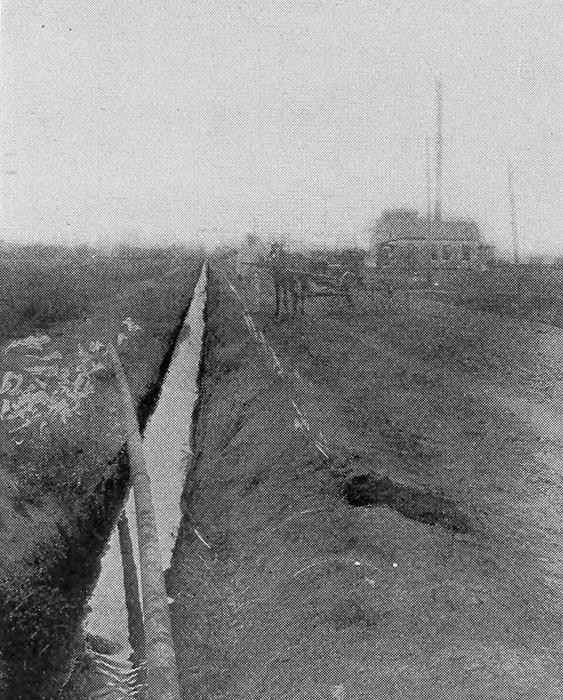
Oil extraction leaves lasting marks on the Texas landscape, even after production stops. Some impacts are easy to see. Others remain hidden underground.
Abandoned wells can leak methane or other gases if they are not properly sealed. Old pipelines may corrode beneath the soil. Storage pits can contaminate land and groundwater. In parts of Texas, wastewater injection has been linked to increased seismic activity that can continue even after drilling slows.
Cleaning up these sites costs money, and responsibility is not always clear. When companies go bankrupt or leave the region, cleanup often falls to the state or local governments. That means taxpayers may end up paying for damage caused years earlier.
Land restoration takes time. Replanting native grasses, stabilizing soil, and monitoring water quality require long-term effort. In areas where ranching, farming, or tourism once thrived, environmental damage can limit future economic opportunities.
Still, cleanup work can also create jobs and restore ecosystems. With proper planning and oversight, environmental recovery can become part of a broader transition for oil dependent regions of Texas.
Housing and Infrastructure After the Bust
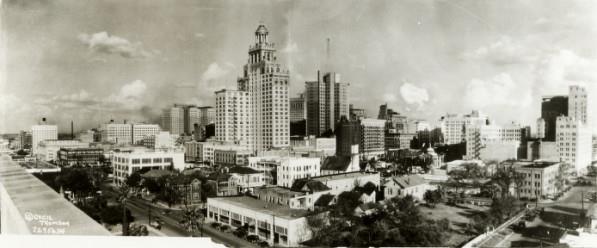
During oil booms, housing in Texas is built quickly and often with short-term demand in mind. Modular homes, RV parks, and hastily constructed apartment complexes appear to meet immediate needs. Infrastructure expands to support heavy truck traffic, industrial water use, and rapid population growth.
When demand collapses, this infrastructure becomes a burden.
Vacant housing can attract vandalism and decay. Cities and counties must still maintain roads designed for constant oilfield traffic that no longer passes through. Water and sewer systems built for peak populations may operate far below capacity, raising costs for remaining residents.
Some Texas towns try to repurpose what was built during the boom. Temporary worker housing may become affordable rentals. Industrial roads may support new types of businesses or logistics operations. Success depends on long-term planning and available investment.
Without adaptation, infrastructure left behind by the boom can drain public resources for years.
Mental Health and Social Wellbeing
Economic downturns affect more than paychecks. In Texas oil towns, they also take a toll on mental health and community morale.
During oil busts, stress levels rise. Financial uncertainty leads to anxiety and depression. Families face difficult decisions about staying put or leaving for work elsewhere. Social networks weaken as friends, coworkers, and neighbors move away.
Healthcare systems, already strained in many rural parts of Texas, struggle to meet growing needs. Mental health services are often among the first to face budget cuts, even as demand increases.
Community identity can also suffer. Towns that defined themselves by oil may feel uncertain about who they are without it. Rebuilding confidence and purpose takes time, strong leadership, and local involvement.
Lessons from Past Boomtowns
Texas history offers many examples of what happens after oil booms end. Some towns fade into obscurity. Others find ways to reinvent themselves.
Communities that struggle the most often share common traits. They rely heavily on oil revenue. They invest little in long-term planning. They fail to diversify their economies during good times.
More resilient Texas towns tend to use boom periods wisely. They invest in education, infrastructure that supports multiple industries, and reserve funds to cushion future downturns. They encourage small businesses and entrepreneurship outside the energy sector.
These choices do not eliminate hardship, but they soften the landing when oil activity declines.
Paths Forward: What Comes After Oil
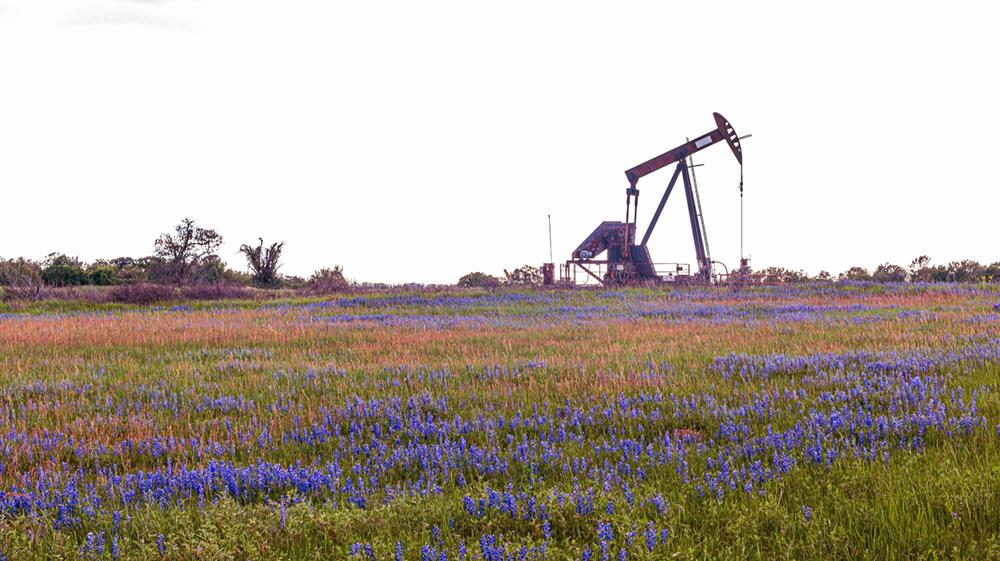
Life after oil is difficult, but not hopeless. Many former Texas oil towns have found new directions.
Some focus on renewable energy. Wind and solar projects often rely on similar technical skills and land resources as oil and gas. Workers with mechanical and electrical experience can transition with additional training.
Others invest in manufacturing, logistics, or data services. Texas offers space, transportation networks, and an experienced workforce that can attract new industries.
Tourism is another option, especially in regions with unique landscapes or strong local history. Restored land, museums, and community events can draw visitors and create steady income.
Education and retraining play a central role in all of these paths. Communities that support skill development help residents adapt rather than leave.
The Role of Policy and Planning
State and local policy shapes how Texas communities experience oil busts. Regulations that require companies to fund well plugging and cleanup reduce long-term environmental risk. Tax structures that smooth revenue swings help stabilize budgets.
Some areas establish savings accounts during boom years to support public services during downturns. These funds reduce the need for emergency cuts when revenue falls.
Local planning matters just as much. Flexible zoning, investment in broadband, and support for small business development all contribute to long-term resilience.
Planning does not prevent oil booms from ending, but it gives Texas communities better tools to manage what comes next.
A More Realistic View of the Boom
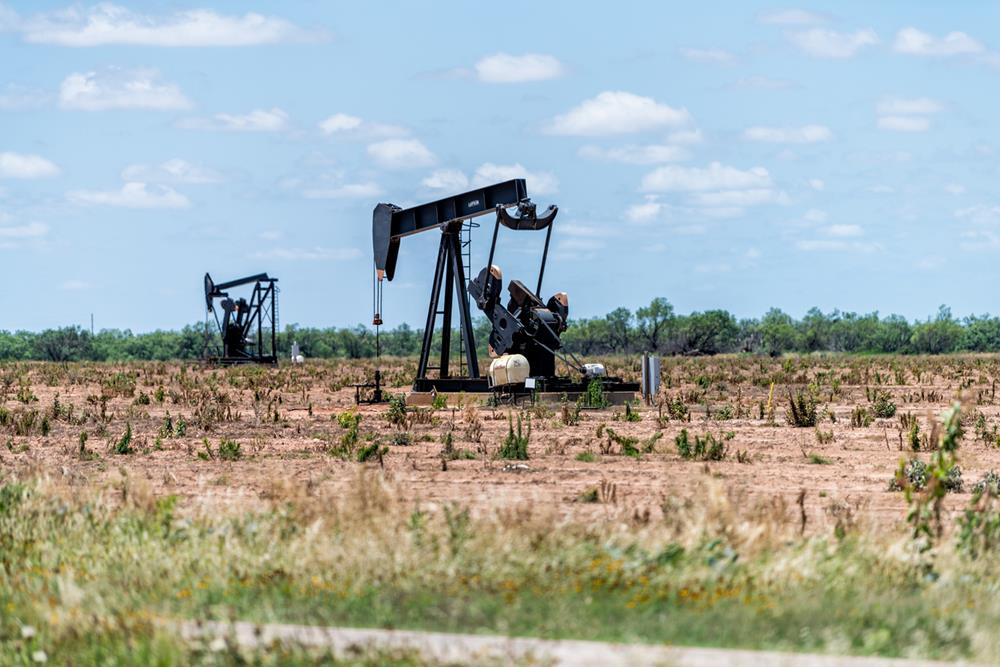
Oil booms are often framed as pure opportunity in Texas. They bring jobs, wealth, and rapid growth. Those benefits are real, but they come with risks.
Understanding what happens after the oil leaves leads to better decisions before that day arrives. It encourages communities to ask hard questions early instead of reacting under pressure later.
The goal is not to reject oil development. It is to recognize its temporary nature and plan with clear expectations.
Living with the Aftermath
When the boom ends, life goes on in Texas oil towns. Some places shrink. Others change direction. Some people leave. Others stay and rebuild.
The empty rigs and quieter roads tell one story. The people who remain tell another. They open new businesses, support their neighbors, and imagine different futures.
Oil may leave, but communities do not disappear overnight. With planning, honesty, and investment, many Texas towns find ways to move forward. The end of a boom is not the end of the story. It is a transition that tests resilience and highlights what truly holds a place together.
Comments (0)
No comments yet. Be the first to share your thoughts.
Leave a comment