


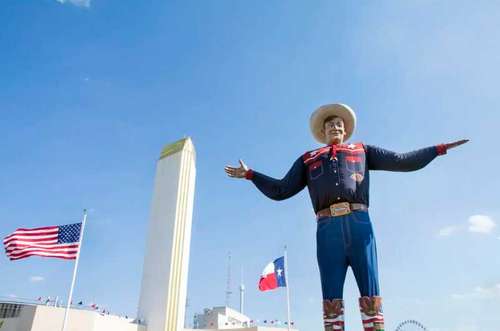
Holiday festivals happen all over the country, but Texas celebrations often have a character that feels noticeably different. While many communities embrace familiar seasonal traditions like Christmas lights, holiday markets, parades, and visits with Santa, Texas adds its own cultural influences, regional history, and community spirit to the experience.
rom the illuminated River Walk in San Antonio to the historic Dickens-themed celebrations in Galveston, Texas holiday festivals reflect the state’s unique blend of cultures, landscapes, and traditions. They are often larger in scale, deeply tied to local identity, and shaped by influences that stretch from German immigrant settlements in the Hill Country to Hispanic holiday customs along the border.
The result is a holiday season that feels unmistakably Texan.
A Blend of Cultural Traditions
One of the biggest reasons Texas holiday festivals stand apart is the state’s cultural diversity. Texas has long been influenced by Native American, Mexican, Spanish, German, Czech, and Southern traditions, and many holiday celebrations reflect those combined histories.
In cities such as San Antonio, holiday events often incorporate Hispanic traditions alongside more familiar Christmas customs. The annual Ford Holiday River Parade and the holiday lights along the River Walk showcase a distinctly Texas interpretation of the season, combining festive décor with the city’s historic connection to Spanish colonial heritage.
Throughout South Texas and border communities, holiday celebrations may also feature tamaladas, community gatherings where families and friends come together to make tamales before Christmas. While not always part of official festivals, these traditions remain a meaningful part of the holiday season across many Texas communities.
Meanwhile, towns in the Texas Hill Country often showcase their German heritage during holiday events. Places such as Fredericksburg embrace traditions influenced by the area’s nineteenth-century German settlers, creating celebrations that feel different from holiday festivals found elsewhere in the United States.
Rather than presenting a single version of the holidays, Texas festivals often blend multiple traditions into one community celebration.
The Importance of Community Participation
Texas holiday festivals are often community-driven events rather than purely commercial attractions.
Across the state, local nonprofits, civic groups, churches, schools, and volunteer organizations play a major role in organizing seasonal events. Residents frequently participate in decorating downtown districts, operating food booths, performing in holiday concerts, or helping organize parades and charity drives.
This strong community involvement is particularly visible in smaller towns.
In communities such as Grapevine, which promotes itself as the “Christmas Capital of Texas,” local businesses, volunteers, and city organizations work together to create a season-long calendar of activities that includes train rides, holiday markets, performances, and light displays.
The same spirit can be seen in towns like Marshall, home to the annual Wonderland of Lights festival. Historic downtown buildings become part of the attraction, while local organizations help bring the event to life through performances, decorations, and seasonal programming.
Because many Texas festivals are closely tied to local residents, visitors often experience a stronger sense of authenticity and hometown pride.
Bigger Displays and Larger-Than-Life Attractions
Texas has a reputation for doing things on a grand scale, and holiday festivals are no exception.
Many communities invest heavily in large light displays, oversized decorations, and immersive experiences that attract visitors from across the region.
One of the most famous examples is Santa’s Ranch in New Braunfels, a drive-through holiday light park featuring miles of displays. Similarly, Prairie Lights in Grand Prairie has become a North Texas tradition, drawing families each year with its extensive drive-through lighting experience.
The Trail of Lights in Austin transforms Zilker Park into a massive seasonal attraction featuring light displays, food vendors, entertainment, and community activities.
Even smaller communities often embrace ambitious holiday displays. In Texas, it is not unusual to find elaborate courthouse lighting ceremonies, community light tunnels, synchronized music displays, and seasonal attractions that rival those found in much larger cities.
This tendency toward larger-scale celebrations helps create memorable experiences while reinforcing the festive atmosphere.
Historic Downtowns Play a Major Role
Many of Texas’ most beloved holiday festivals take place in historic downtown districts.
Unlike newer entertainment developments, these historic settings provide a sense of character and authenticity that enhances the holiday atmosphere. Courthouses, restored theaters, century-old storefronts, and public squares become natural backdrops for seasonal events.
The annual Dickens on The Strand festival in Galveston is a prime example. Set within the city’s historic downtown district, the event recreates a Victorian-era holiday celebration inspired by the works of Charles Dickens. Costumed performers, historic architecture, and themed entertainment help create an experience that feels different from a standard holiday festival.
Similarly, communities such as Georgetown, McKinney, and Waxahachie use their historic downtown areas as gathering places for tree lightings, markets, performances, and seasonal celebrations.
These settings help connect holiday festivities to local history, making the experience feel rooted in place rather than interchangeable.
Texas Food Traditions Add Something Different
Food is a major part of nearly every Texas festival, and holiday events are no exception.
While visitors can certainly find familiar seasonal treats such as hot chocolate, cookies, and roasted nuts, Texas festivals often incorporate foods that reflect regional tastes and traditions.
Depending on the location, festival-goers might encounter:
- Tamales
- Barbecue
- Kolaches
- Tex-Mex specialties
- Funnel cakes
- Smoked meats
- Pecan-based desserts
The state’s large Czech and German communities have also influenced holiday baking traditions in certain regions.
Food vendors frequently showcase local favorites, allowing visitors to experience flavors that are closely tied to the surrounding community. This regional approach to food helps distinguish Texas holiday festivals from celebrations that rely solely on standard seasonal fare.
Mild Winters Create a Different Festival Atmosphere
Another feature that makes Texas holiday festivals unique is the state’s climate.
While many parts of the country associate holiday events with snow, freezing temperatures, and heavy winter clothing, much of Texas experiences relatively mild weather during the holiday season.
That climate allows for more outdoor celebrations.
Holiday markets, outdoor concerts, walking tours, riverfront events, and light displays can often operate comfortably throughout December. Visitors may attend a holiday parade in a light jacket rather than heavy winter gear.
The annual holiday festivities along the San Antonio River Walk are a perfect example. The city’s relatively mild winter weather allows residents and visitors to comfortably enjoy outdoor dining, boat rides, and evening walks beneath thousands of holiday lights.
The warmer climate creates a seasonal experience that feels distinctly Texan while still capturing the spirit of the holidays.
Local Identity Shapes Every Festival
Perhaps the most important reason Texas holiday festivals feel different is that they often reflect the identity of the community hosting them.
No two Texas towns celebrate in exactly the same way.
Coastal communities may incorporate maritime themes. Hill Country towns often highlight German heritage. Border communities may feature traditions influenced by Mexican culture. Historic towns frequently connect their celebrations to local history.
Even large cities develop their own signature events.
Austin’s Trail of Lights, San Antonio’s River Walk celebrations, Grapevine’s extensive Christmas programming, Galveston’s Dickens on The Strand, and Marshall’s Wonderland of Lights all offer very different experiences despite sharing the same holiday season.
Rather than following a single formula, Texas communities tend to build celebrations around what makes their town unique.
That local focus creates festivals that feel genuine and memorable.
Why Visitors Keep Coming Back
People return to Texas holiday festivals year after year because they offer more than seasonal entertainment. They provide opportunities to experience local culture, support community traditions, enjoy regional food, and connect with the history of a particular place.
The combination of cultural diversity, community involvement, historic settings, regional traditions, and larger-than-life attractions creates experiences that are difficult to replicate elsewhere.
Whether someone is watching holiday lights reflect off the San Antonio River, attending a Victorian-themed festival in Galveston, exploring a holiday market in Fredericksburg, or taking part in a small-town courthouse lighting ceremony, the experience reflects something larger than the holiday season itself.
It reflects the communities, histories, and traditions that make Texas unique. For many visitors, that’s exactly what makes a Texas holiday festival feel distinct.
Comments (0)
No comments yet. Be the first to share your thoughts.
Leave a comment