


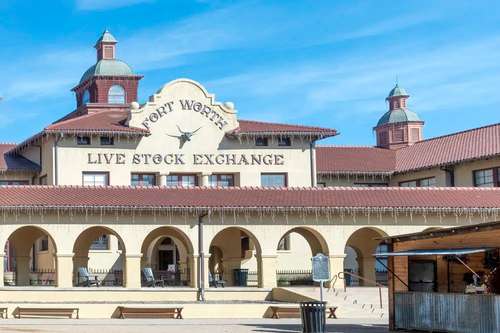
Livestock competitions hold a special place in Texas. Across the state, from small county fairs to major stock shows, these events bring people together around agriculture, education, family tradition, and local pride.
For many Texans, livestock shows are much more than a weekend event. They are part of growing up, learning responsibility, supporting young people, and keeping agricultural traditions alive. They connect rural roots with modern community life in a way few events can match.
A Strong Link to Texas Agricultural Heritage
Texas has long been tied to ranching, farming, and livestock production. Cattle, sheep, goats, pigs, chickens, and other animals have shaped the state’s economy and identity for generations.
Livestock competitions help keep that heritage visible.
At these events, people see agriculture up close. They watch young exhibitors present animals they have raised for months. They learn about breeds, animal care, feeding, grooming, judging, and the hard work behind livestock production.
That matters in a state where many people now live in cities and suburbs. Livestock shows remind communities that food production, land stewardship, and animal care still play a major role in Texas life.
Teaching Responsibility at an Early Age
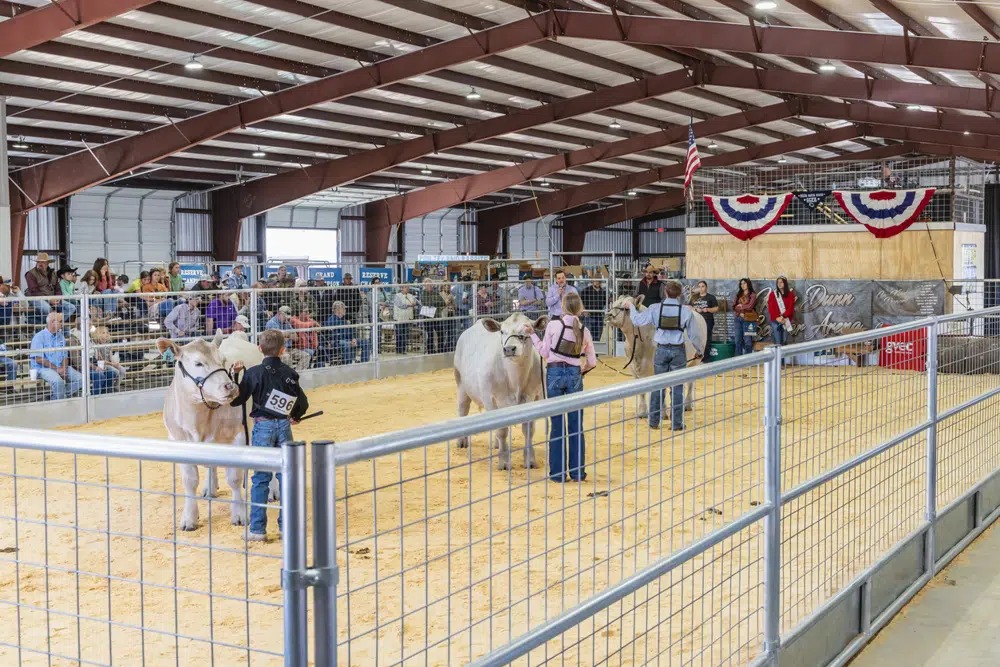
One of the biggest benefits of livestock competitions is what they teach young people.
Students involved in 4-H, FFA, and local agricultural programs often spend months preparing for a show. They feed their animals every day. They clean pens. They monitor health. They learn schedules, budgets, and discipline.
That kind of work builds habits that can last a lifetime.
A young exhibitor cannot simply show up on competition day and hope for the best. Success comes from daily effort. Animals need care in hot weather, cold weather, early mornings, and busy school weeks.
Through that process, students learn that responsibility means showing up even when it is inconvenient.
Building Confidence Through Competition
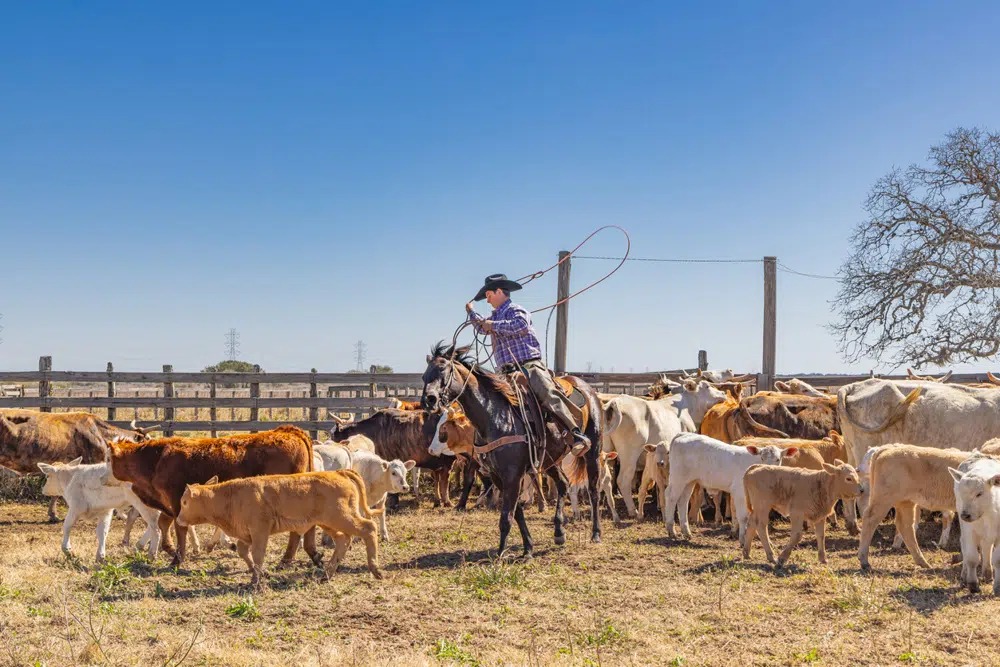
Livestock shows also help young people gain confidence.
Standing in a show ring can be intimidating. Exhibitors must guide their animals, listen to judges, stay calm, and present themselves well in front of an audience. They learn how to handle pressure and accept results with maturity.
Winning a ribbon feels great, of course. But the lessons often go far beyond winning.
Students learn how to improve after a tough result. They learn how to ask questions. They learn how to take feedback from judges, parents, ag teachers, and experienced exhibitors.
Over time, that builds confidence. A student who once felt nervous in the ring may later feel comfortable speaking in public, interviewing for a job, or leading a team.
Supporting Local Youth
In many Texas communities, livestock competitions are one of the most important ways people support young people.
Local businesses, families, civic groups, and donors often contribute to auctions, scholarships, and prize funds. These contributions can help students pay for college, trade school, future agricultural projects, or other goals.
The auction barn or show arena often becomes a place where the whole community shows up for its kids.
That support sends a clear message. It tells young people their hard work matters. It tells them their community sees them, believes in them, and wants them to succeed.
In small towns especially, that kind of encouragement can have a powerful effect.
Strengthening Family Bonds
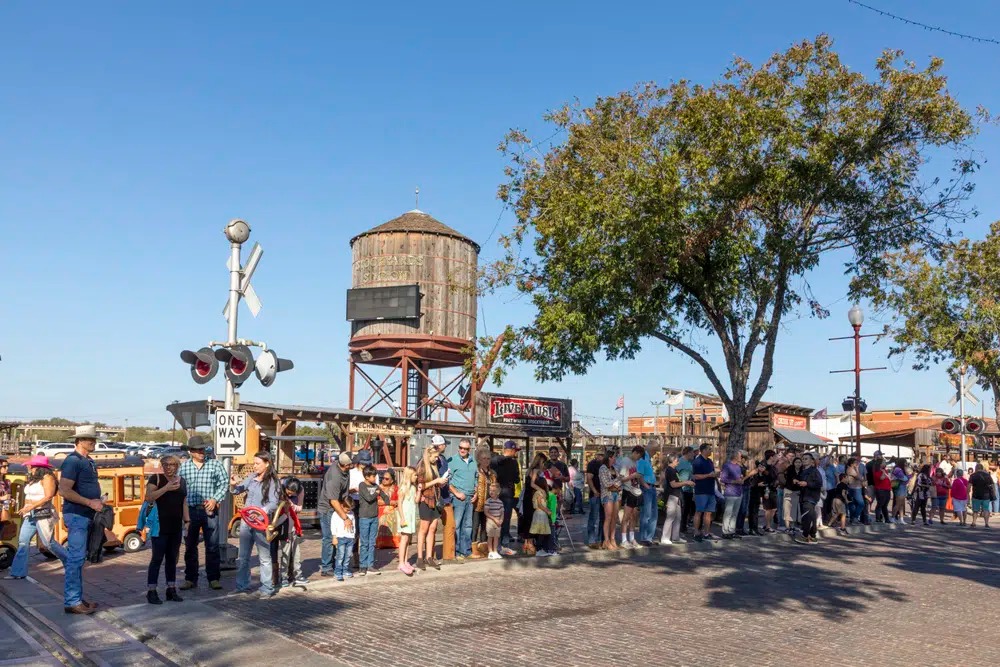
Livestock competitions are often family events.
Parents, grandparents, siblings, cousins, and neighbors may all play a part. One person may help haul feed. Another may help with grooming. Someone else may drive to the show before sunrise or sit in the stands all day waiting for one class to begin.
For many families, livestock projects become part of daily life.
There are chores before school. There are late nights in the barn. There are road trips to shows, shared meals, early mornings, and plenty of tired laughs along the way.
Those moments build memories. They also teach younger generations through example. Children see adults working hard, helping others, and taking pride in a job done well.
Bringing Communities Together
Livestock competitions are social events as well as agricultural events.
People gather at fairgrounds, barns, arenas, and show halls to visit, cheer, volunteer, and catch up. Local clubs sell food. Businesses sponsor banners. Volunteers manage gates, pens, paperwork, judging schedules, and cleanup.
The result is a shared community effort.
These events create a meeting place for people who may not cross paths often during the rest of the year. Farmers talk with teachers. Business owners visit with parents. Retired ranchers offer advice to first-year exhibitors.
That shared involvement strengthens local connections.
Preserving Practical Skills
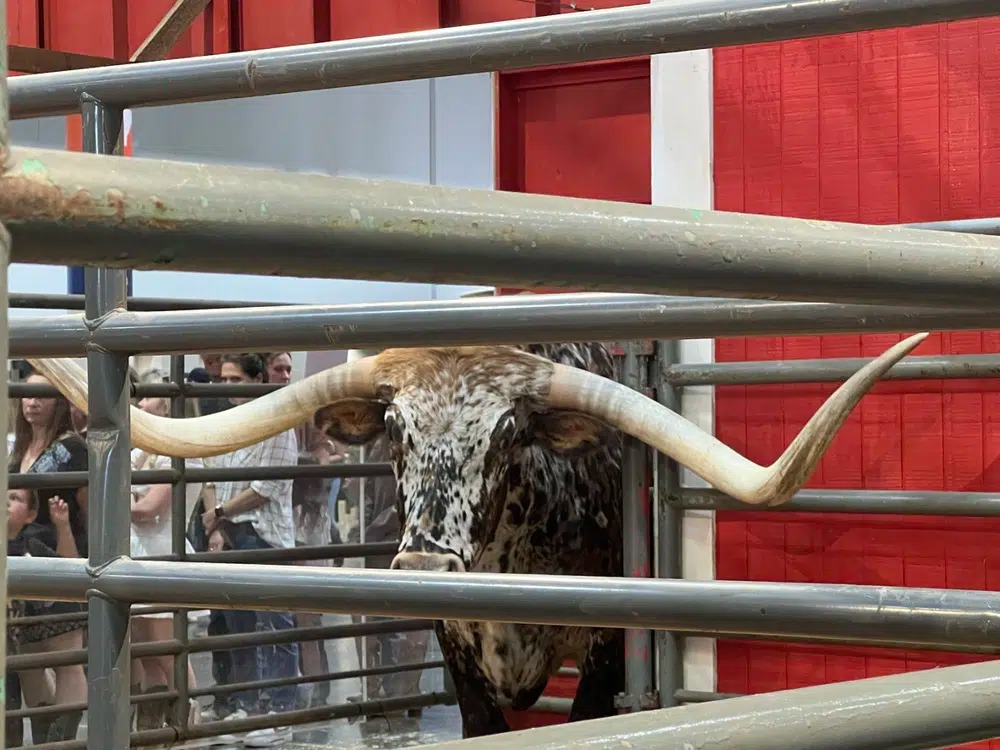
Livestock competitions also help preserve hands-on agricultural skills.
Exhibitors learn how to identify healthy animals, understand nutrition, manage weight, handle livestock safely, and prepare animals for show. They may also learn recordkeeping, animal science basics, and ethical care practices.
These skills still matter.
Even students who do not pursue agriculture as a career gain useful knowledge. They learn where food comes from. They understand the effort behind livestock production. They develop respect for animals and for the people who work in agriculture.
For students who do enter agricultural fields, livestock shows can provide an early foundation for careers in ranching, veterinary medicine, animal science, agribusiness, education, and related industries.
Encouraging Healthy Competition
Competition can teach valuable lessons when it is handled well.
Livestock shows give students a chance to set goals and work toward them. They learn that preparation matters. They also learn that judging can be subjective, and that results do not always turn out the way they hoped.
That is part of the lesson.
A student might raise an excellent animal and still miss the top spot. Another might improve greatly from one year to the next without winning a major award. In both cases, the experience teaches patience, humility, and persistence.
Good sportsmanship is a major part of livestock competition. Exhibitors are expected to respect judges, congratulate others, care for their animals properly, and represent their clubs or chapters with pride.
Helping Local Economies
Livestock competitions can also support local economies.
When families travel to a show, they spend money on fuel, food, lodging, equipment, supplies, feed, and services. Local vendors may sell clothing, tack, grooming products, food, and agricultural goods. Hotels and restaurants often benefit when larger events bring visitors into town.
County fairs and stock shows can also attract sponsors and donors who invest in the community.
For rural areas, these events can provide an important seasonal boost. They bring people into town and put local businesses in front of families from across the region.
Connecting Rural and Urban Texas
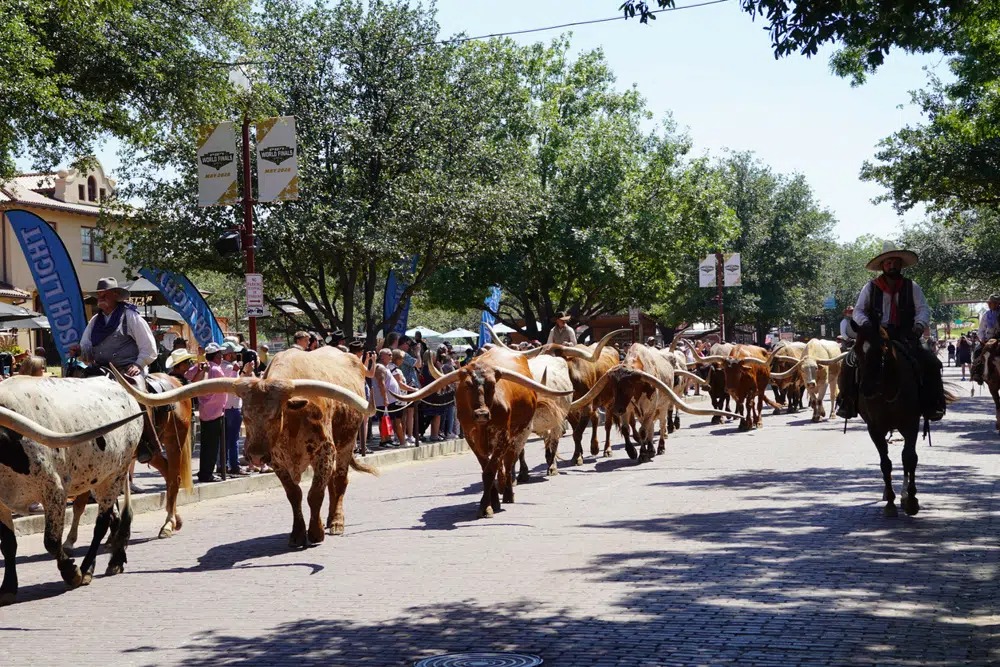
Texas has changed a lot over the years. Large cities have grown rapidly, and many Texans now live far from farms or ranches.
Livestock competitions help bridge that gap.
At major shows in cities like Houston, San Antonio, Fort Worth, and Austin, urban families can experience agriculture firsthand. Children who have never walked through a barn can see cattle, goats, pigs, sheep, poultry, and other animals up close.
They can ask questions. They can watch students compete. They can learn that agriculture involves science, business, tradition, and daily care.
This connection helps keep agriculture part of the public conversation, even as Texas becomes more urban.
The Role of 4-H and FFA
4-H and FFA are central to many livestock competitions in Texas.
These organizations help students develop leadership, agricultural knowledge, public speaking skills, and career readiness. Livestock projects are one path within that larger mission.
Through these programs, students learn how to keep records, manage expenses, set goals, and present their work. They also learn how to serve their communities and work with others.
Many former exhibitors look back on 4-H and FFA as major influences in their lives. The lessons often stay with them long after their final show season ends.
Tradition With Modern Value
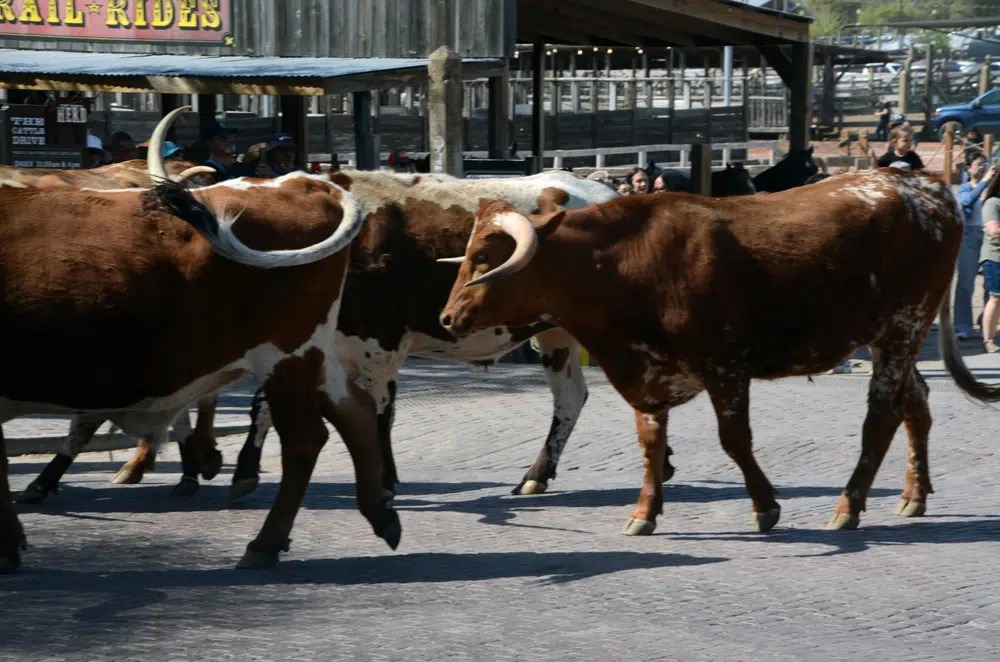
Livestock competitions may feel traditional, but their value is very current.
They teach work ethic in a world full of distractions. They give young people real responsibilities. They connect families and neighbors. They help communities support education. They remind Texans of the importance of agriculture.
They also offer a rare kind of learning. Students do not only read about responsibility, animal care, or discipline. They practice those lessons every day.
That practical experience makes livestock competitions meaningful in ways that are hard to replace.
Challenges Behind the Scenes
Livestock competitions require time, money, and commitment.
Families may face costs for animals, feed, equipment, entry fees, travel, veterinary care, and show supplies. Students must balance their projects with school, activities, jobs, and family responsibilities.
There is also a lot of physical work involved. Animals need care no matter how busy the week gets. Pens need cleaning. Feed must be measured. Health problems must be addressed quickly.
These challenges are part of why community support matters so much.
When local businesses, schools, volunteers, and donors help, they make it easier for students to participate. That support keeps livestock competitions accessible and strong.
Why These Events Still Matter
Livestock competitions matter because they combine education, tradition, and community support in one place.
They give young people meaningful goals. They teach life skills that cannot be learned from a textbook alone. They keep agriculture visible. They bring families and neighbors together around a shared purpose.
In Texas, these events also reflect a deep respect for hard work.
A show animal represents months of care. A student in the ring represents early mornings, careful planning, and steady effort. A cheering crowd represents a community that understands the value of showing up.
Conclusion
Livestock competitions mean a great deal to Texas communities. They honor the state’s agricultural roots while helping prepare young people for the future. They build confidence, responsibility, family bonds, and local pride.
At their best, these events show what happens when a community invests in its youth.
The ribbons and trophies matter, but the lasting value often comes from the work behind them. In barns, arenas, fairgrounds, and auction rings across Texas, livestock competitions continue to teach lessons that reach far beyond show day.
Comments (0)
No comments yet. Be the first to share your thoughts.
Leave a comment