


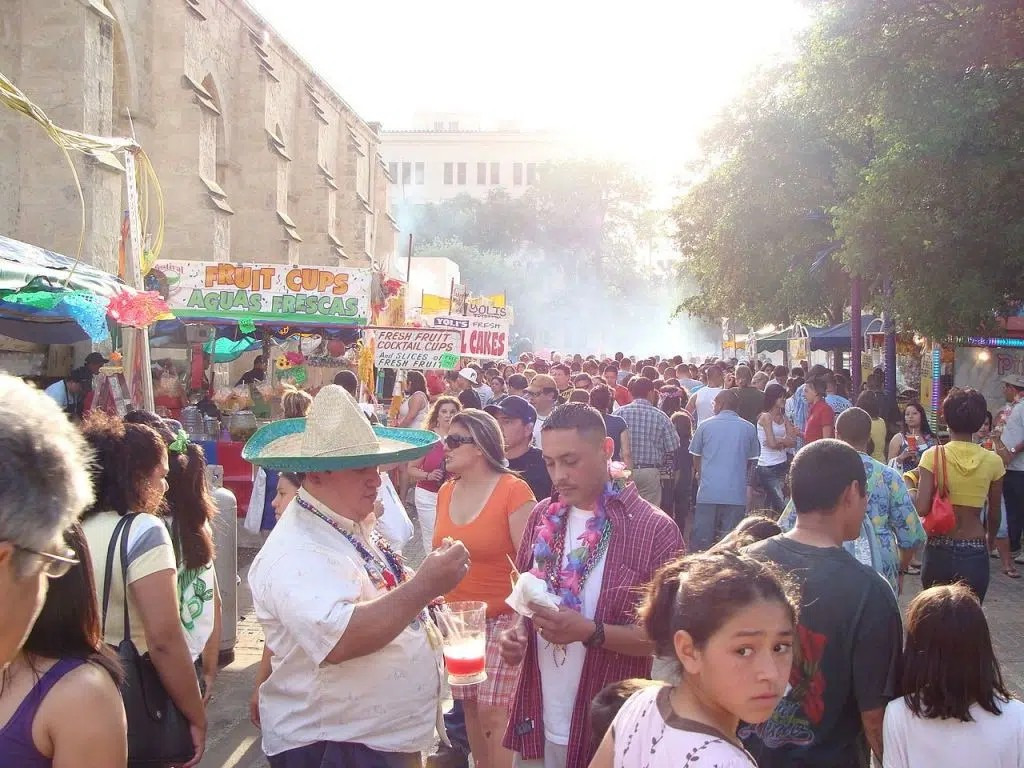
Fiesta San Antonio is one of Texas's most colorful annual celebrations, bringing music, parades, food, and cultural traditions to San Antonio every spring. Established in 1891 as a floral parade honoring the heroes of the Texas Revolution, the festival has grown into an 11-day celebration featuring more than 100 official events. Today, Fiesta brings together residents and visitors to celebrate the city's history, diverse communities, and charitable organizations.
Key Takeaways
- Fiesta San Antonio began in 1891 with the Battle of Flowers Parade, honoring the defenders of the Alamo and the victory at San Jacinto.
- The first parade featured flower-decorated carriages and participants playfully tossing flowers near the Alamo.
- Fiesta developed into a major spring festival featuring parades, concerts, cultural performances, food celebrations, and sporting activities.
- The Order of the Alamo was established in 1909, introducing lasting traditions involving Fiesta royalty.
- The Pilgrimage to the Alamo honors the defenders who died during the Texas Revolution.
- Fiesta Flambeau and A Night in Old San Antonio became important festival traditions in 1948.
- El Rey Feo, meaning the Ugly King, first appeared in 1947 and became an official Fiesta royal figure in 1980.
- Fiesta supports local nonprofit organizations and contributes hundreds of millions of dollars to San Antonio's economy.
History of Fiesta San Antonio
Fiesta San Antonio began in April 1891 as a commemorative event honoring the heroes of the Texas Revolution. A group of prominent San Antonio women, including Ellen Maury Slayden, organized a floral parade inspired by celebrations they had encountered elsewhere. Their goal was to remember the Alamo and the victory at San Jacinto.
The first Battle of Flowers Parade featured decorated carriages, bicycles, and participants carrying fresh flowers. As the procession passed near the Alamo, celebrants tossed flowers at one another in a playful reenactment of battle. The inaugural event took place on April 24, 1891, after inclement weather delayed the original schedule.
The floral celebration quickly became popular among San Antonio residents. Additional activities, including concerts, dances, carnival attractions, and ceremonial events, gradually joined the festivities. By the late nineteenth century, the original single-day parade had developed into a larger annual celebration that would eventually become Fiesta San Antonio.
The Battle of Flowers Parade and Its Traditions
The Battle of Flowers Parade remains one of Fiesta San Antonio's most recognizable attractions. Organized by the Battle of Flowers Association, the procession features elaborate floral floats, decorated vehicles, marching bands, equestrian groups, and community organizations. Its colorful displays reflect the festival's original emphasis on flowers and remembrance.
The association is particularly notable because it is organized and directed entirely by women volunteers. Since the first parade in 1891, these volunteers have helped preserve the event's historical traditions while introducing new themes and attractions. The parade is recognized as one of the largest women-organized parades in the United States.
An important part of the celebration involves presenting floral tributes at the Alamo. Participants honor the people who fought during the Texas Revolution while spectators enjoy the elaborate decorations and performances. The combination of historical remembrance and public entertainment has helped sustain the parade's popularity for generations.
Fiesta Royalty and the Order of the Alamo
Fiesta royalty developed during the festival's early years as organizers introduced formal ceremonies and coronations. The first Fiesta Queen was selected in the 1890s, establishing a tradition that eventually expanded to include kings, princesses, duchesses, and other ceremonial representatives.
In 1909, John B. Carrington founded the Order of the Alamo, an organization responsible for selecting the Queen of the Order of the Alamo and her court. The royal court traditionally includes a princess, 12 local duchesses, and 12 visiting duchesses. These representatives participate in major festival ceremonies and parades.
Fiesta's royal traditions also introduced several memorable kings, including King Cotton, King Selamat, and King Omala. The Texas Cavaliers later established the continuing King Antonio tradition in 1927. These ceremonial figures contribute to the festival's pageantry and represent different organizations associated with San Antonio's historical celebration.
The Pilgrimage to the Alamo
The Pilgrimage to the Alamo is among Fiesta's most solemn traditions. Unlike the festival's colorful parades and entertainment events, the pilgrimage focuses on remembrance and respect for those who died defending the Alamo during the Texas Revolution in 1836.
The tradition began during World War I and has been maintained by the Daughters of the Republic of Texas since 1925. Participants include civic organizations, historical associations, military representatives, patriotic groups, and students. They gather for a ceremonial procession that concludes at the historic Alamo.
During the pilgrimage, participants carry wreaths and floral tributes to honor the defenders. Their names are traditionally read aloud as part of the remembrance ceremony. The event preserves Fiesta's original historical purpose, reminding visitors that the celebration began as a tribute to Texas history.
Fiesta Flambeau and the Famous Night Parade
Fiesta Flambeau is one of San Antonio's most spectacular nighttime celebrations. The parade began in 1948 after Reynolds Andricks proposed an illuminated procession inspired by Mardi Gras celebrations in New Orleans. The concept introduced a distinctive evening attraction to Fiesta's expanding schedule.
Early Fiesta Flambeau parades featured participants carrying torches and other lighting devices to illuminate the route. The name Flambeau comes from a French word referring to a flaming torch. As technology improved, elaborate electric lighting replaced many of the original illumination methods.
Today, the parade features brightly illuminated floats, marching bands, dancers, and performers. Colorful lights create a festive atmosphere as thousands of spectators gather along the streets. Fiesta Flambeau is organized separately from the Battle of Flowers Parade and remains one of the celebration's most popular attractions.
A Night in Old San Antonio and Fiesta Food Traditions
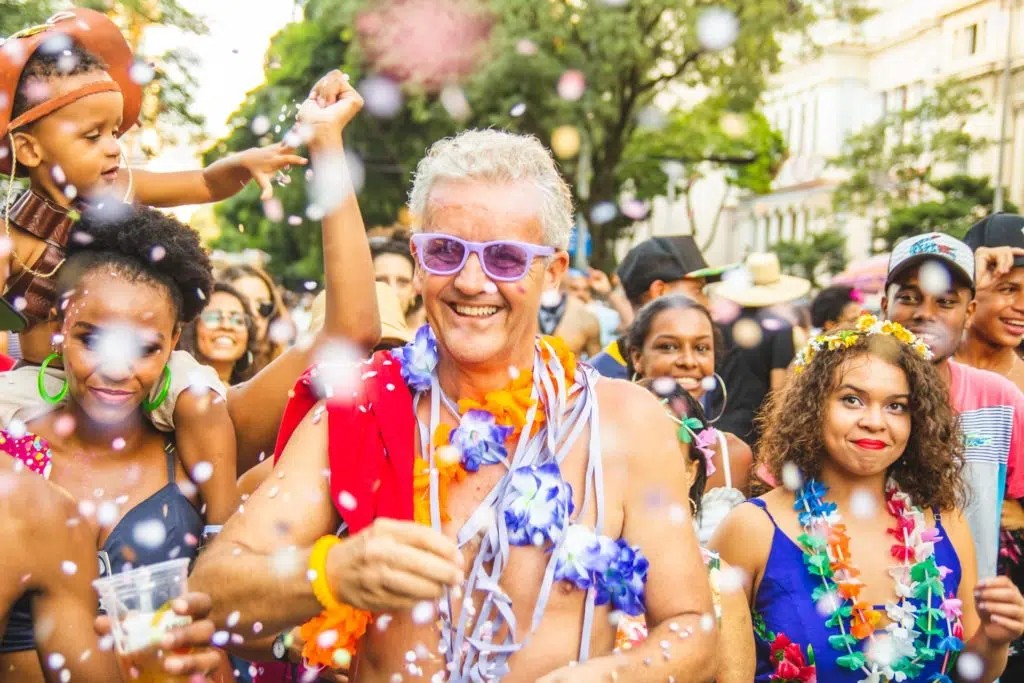
A Night in Old San Antonio, commonly called NIOSA, became part of Fiesta in 1948. The event celebrates San Antonio's cultural heritage through traditional foods, music, entertainment, and themed festival areas. It is organized by the Conservation Society of San Antonio, which supports historic preservation projects.
NIOSA takes place in La Villita Historic Arts Village, where visitors explore food booths, entertainment stages, and cultural displays. Different festival areas represent traditions associated with San Antonio's diverse communities. Visitors can enjoy Mexican, German, Texan, and other regional influences through food and performances.
Another favorite culinary event is the Fiesta Oyster Bake at St. Mary's University. Known for its food booths, live music, and community atmosphere, the celebration attracts large crowds. These food-centered events highlight Fiesta's role in bringing together cultural traditions while raising funds for educational and charitable activities.
El Rey Feo and Other Fiesta Royal Traditions
El Rey Feo, meaning the Ugly King, represents one of Fiesta's most distinctive royal traditions. The first El Rey Feo was crowned in 1947, introducing a ceremonial figure inspired by a medieval custom in which ordinary people could temporarily select their own king.
The tradition developed as a more community-centered counterpart to established Fiesta royalty. El Rey Feo became an official part of Fiesta's royal celebrations in 1980. Candidates have traditionally supported scholarship fundraising, linking the honorary title with educational opportunities for local students.
Fiesta also includes the Reina de la Feria de las Flores, the Charro Queen, and other representatives of San Antonio's cultural communities. Royalty members participate in parades, school visits, charitable activities, and community gatherings. Their involvement reflects the festival's expansion beyond its original ceremonial traditions.
Other Popular Events at Fiesta San Antonio
Fiesta San Antonio features more than 100 official events organized by local nonprofit groups. Beyond its major parades, the festival includes concerts, cultural exhibitions, athletic competitions, neighborhood celebrations, and community gatherings. These activities provide opportunities for residents and visitors to experience different aspects of San Antonio's heritage.
Popular events include Cornyation, a satirical stage production that humorously comments on local personalities and current events. The Pooch Parade features costumed dogs and their owners, while other activities celebrate music, dance, and community traditions. Event offerings can vary between festival years.
Fiesta is often described as a party with a purpose because its activities support charitable organizations. A 2017 economic study estimated the festival's local economic contribution at approximately $340 million. Beyond tourism and entertainment, Fiesta generates funding for scholarships, community services, and nonprofit programs, making it an important cultural and charitable tradition in San Antonio.

Comments (0)
No comments yet. Be the first to share your thoughts.
Leave a comment