


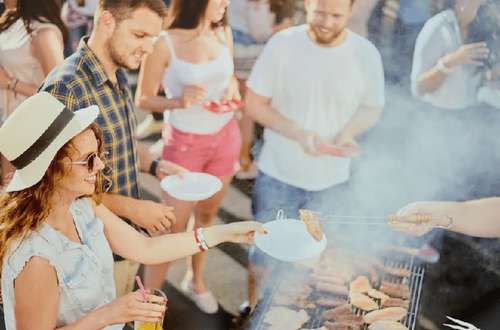
Texas barbecue has a way of turning a meal into a gathering, a gathering into a tradition, and a tradition into a point of pride. Across the state, barbecue festivals bring that feeling into full view. They are part food event, part history lesson, part community reunion, and part friendly competition.
At first glance, a barbecue festival may look like a simple celebration of smoked brisket, ribs, sausage, beans, sauce, and live music. Look closer, though, and it reveals something deeper about Texas itself. These festivals show how Texans honor regional identity, family traditions, local businesses, hard work, hospitality, and the stories passed down through food.
Texas pride is often talked about in big terms. Barbecue festivals show it in a more practical way. You see it in the pitmaster who wakes up before sunrise to tend a fire. You hear it in the stories people tell while waiting in line. You taste it in recipes shaped by generations of ranching, immigration, farming, and small-town life.
Barbecue in Texas is food, but it is also a memory. Festivals help keep that memory alive.
Barbecue As A Texas Tradition
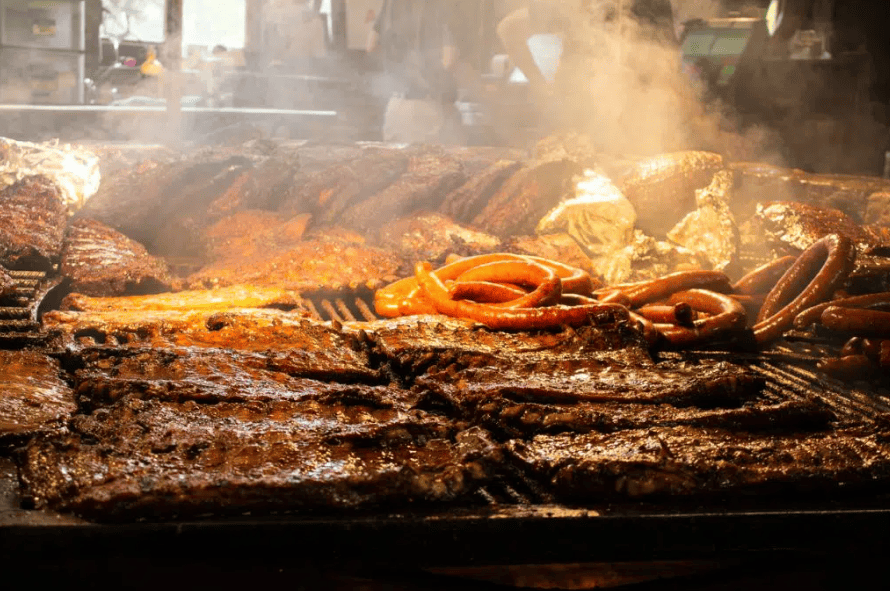
Texas barbecue did not appear from one single place or one single group of people. It grew from many influences over time. Cattle ranching, immigrant foodways, community gatherings, butcher shops, and rural cooking all helped shape what people now recognize as Texas barbecue.
In Central Texas, German and Czech meat-market traditions played a major role. Butchers smoked leftover cuts of meat to preserve and sell them. Over time, smoked brisket, sausage, and ribs became local specialties. In East Texas, barbecue developed with strong Southern influences, often featuring chopped beef, pork, and sauce-rich plates. South Texas brought barbacoa traditions, especially slow-cooked beef head wrapped and cooked with care. West Texas leaned into direct-heat cooking, with a style often connected to open-fire ranch cooking.
That regional variety matters. It shows that Texas barbecue is not one single thing. It is a collection of local stories. Barbecue festivals give those stories a stage.
When people attend a festival in Lockhart, Austin, Houston, Fort Worth, Taylor, or a small Hill Country town, they are tasting more than smoke and seasoning. They are tasting local history. Each region has its own preferences, arguments, heroes, and legends. That sense of place helps explain why Texans speak about barbecue with such strong opinions.
To outsiders, the debates may seem intense. Sauce or no sauce? Brisket lean or moist? Salt-and-pepper rub or a more complex seasoning blend? Beef ribs or pork ribs? To Texans, these are not minor details. They are part of a larger conversation about identity.
The Pit Master As A Symbol Of Craft
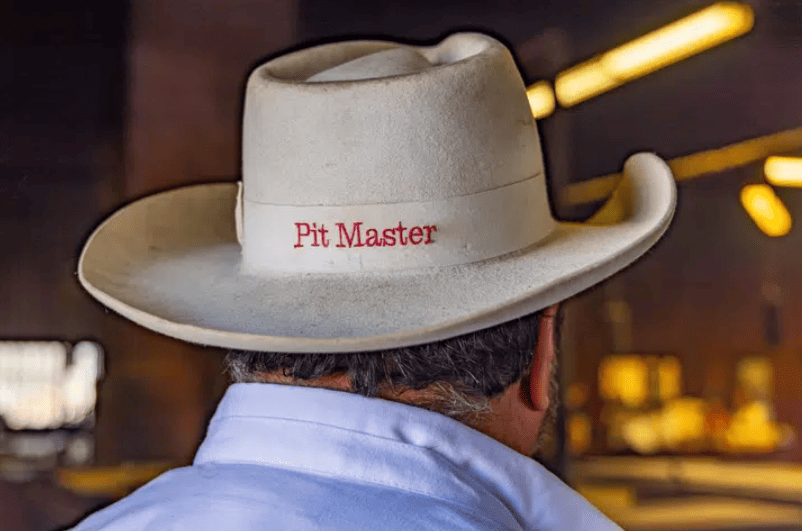
One thing barbecue festivals make clear is that Texans respect craft. A good pitmaster does not simply cook meat. A pitmaster manages heat, smoke, timing, texture, and patience.
Brisket is a perfect example. It is a tough cut from the chest of the cow, and it needs time to become tender. Cook it too fast, and it can turn dry or chewy. Cook it with skill, and it becomes rich, smoky, and deeply flavorful. The process often takes most of a day, sometimes longer when preparation and rest time are included.
That kind of cooking fits well with the Texas image of hard work. Barbecue rewards patience. It values experience. It does not give quick results. At festivals, visitors get to see the labor behind the plate. They see stacks of wood, large smokers, tired cooks, and teams that have worked through the night.
This is part of why pitmasters are treated with such respect. Many of them learned from parents, grandparents, neighbors, mentors, or years of trial and error. Some run famous restaurants. Others cook for local charities, church events, school fundraisers, or backyard gatherings.
A barbecue festival places both groups side by side. The celebrity pitmaster and the small-town cook share the same smoke-filled air. That balance says a lot about Texas pride. Reputation matters, but effort matters too.
Small Towns And Big Identity

Many Texas barbecue festivals take place in smaller towns, where the event can become one of the biggest weekends of the year. Hotels fill up. Main streets get crowded. Local vendors set up booths. Musicians perform. Families return home. Visitors discover places they may never have visited otherwise.
For small towns, these festivals are a chance to show who they are. Barbecue becomes a welcome sign.
A festival can highlight a town’s history, courthouse square, local businesses, volunteer fire department, school groups, churches, and civic organizations. It gives residents a reason to work together and gives visitors a reason to stay a while.
That matters in Texas because local identity runs strong. People are proud of their hometowns, counties, regions, and family roots. A barbecue festival lets that pride become visible. It is not limited to speeches or signs. It appears through food, music, hospitality, and shared effort.
In many towns, barbecue festivals also support important local causes. Cook-offs and food events often raise money for scholarships, youth programs, emergency services, veterans’ groups, or community projects. This gives the festival a purpose beyond entertainment.
People come for brisket and ribs. They also support the place that made the event possible.
Competition With A Friendly Edge
Texas barbecue festivals often include cook-offs, and these competitions bring out a special kind of energy. Teams arrive with smokers, secret rubs, folding chairs, ice chests, banners, and plenty of confidence. Some take the competition seriously. Others come mainly for fun. Many do both.
Competition is part of Texas culture. It shows up in high school football, rodeo, chili cook-offs, livestock shows, and barbecue contests. At its best, it creates excitement without losing the sense of community.
Barbecue competitions are interesting because the judging can be strict, but the atmosphere often remains welcoming. Teams may guard recipes, yet still help each other with supplies. They may talk a little trash, then share a laugh over coffee before sunrise.
That balance reveals something important about Texas pride. Texans like to win, but they also value neighborliness. A festival cook-off can be both a contest and a reunion.
The judging categories also show what people value in barbecue. Appearance, tenderness, flavor, smoke balance, and overall impression all matter. Winning requires more than tossing meat on a pit. It requires planning, skill, patience, and consistency.
A trophy at a Texas barbecue festival means something because everyone knows the work behind it.
Brisket And The Texas State Of Mind
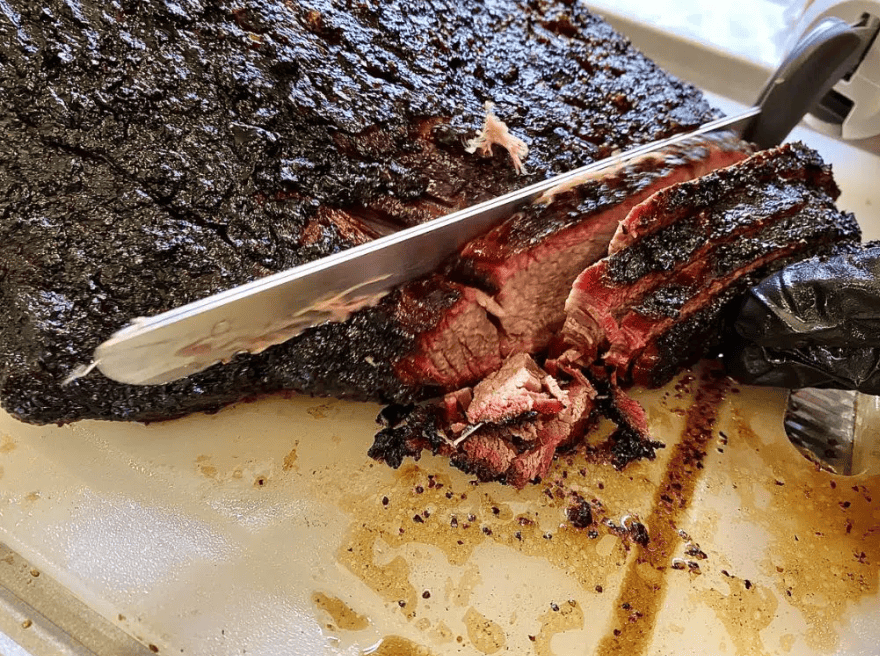
No food is more closely tied to Texas barbecue than brisket. Other meats matter, of course. Sausage, ribs, turkey, chicken, pork, and barbacoa all have strong places in the state’s barbecue culture. Still, brisket often sits at the center of the Texas barbecue plate.
Brisket fits Texas pride because it turns something tough into something celebrated. That idea has a certain Texan feel. It reflects resourcefulness, patience, and confidence.
Historically, brisket was not always considered a luxury cut. It required time and skill to cook properly. Texas barbecue helped raise it to iconic status. Today, a perfectly smoked brisket can draw long lines and national attention.
At festivals, brisket often becomes the main attraction. People compare bark, smoke rings, fat rendering, tenderness, and seasoning. Some prefer a simple rub of salt and black pepper. Others enjoy deeper spice blends. Some want sauce nearby. Others consider sauce unnecessary when the meat is cooked well.
These preferences can spark debate, but the debate is part of the fun. Texans often treat barbecue opinions like family stories. Everyone has one, and everyone believes theirs has strong support.
The Role Of Smoke, Wood, And Place
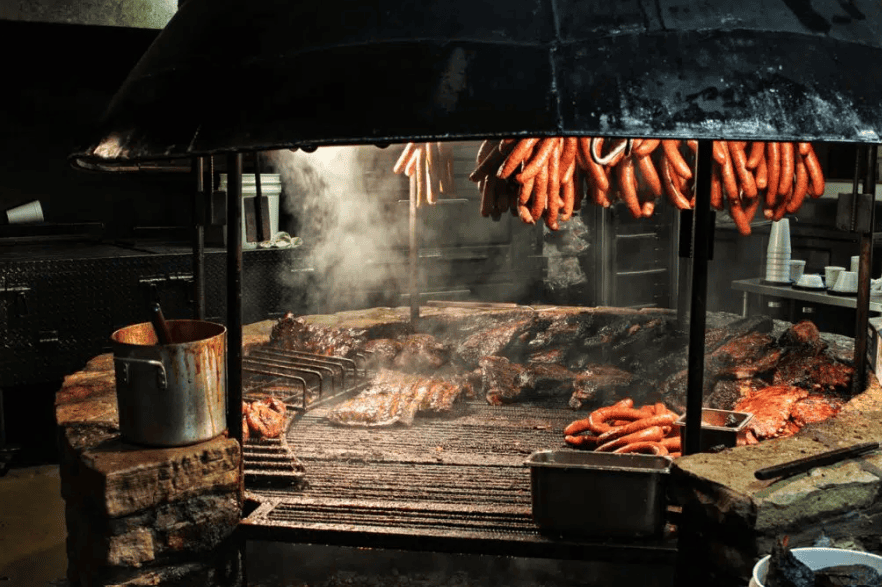
Texas barbecue festivals also reveal how closely food connects to the land. Wood matters in barbecue, and different woods bring different flavors. Post oak is especially important in Central Texas. Mesquite is common in parts of South and West Texas. Pecan, hickory, and other woods also appear in different regions and cooking styles.
The choice of wood is not random. It often reflects what grows nearby, what families used in the past, and what local cooks believe works best. In this way, barbecue carries the flavor of place.
Smoke is one of the most important ingredients in Texas barbecue, but it has to be controlled. Too much smoke can overpower the meat. Too little can leave it flat. Clean smoke, steady heat, and good airflow separate careful cooking from careless cooking.
At a festival, visitors may not think deeply about airflow or wood moisture, but they experience the result. The smell of smoke drifting through a fairground or town square is one of the strongest sensory markers of a barbecue festival. It creates instant recognition.
That smell says something simple: this is Texas gathering around fire, food, and tradition.
Festivals As Living History
Barbecue festivals are not museums, but they often work like living history events. They preserve traditions through action. Instead of placing old tools behind glass, they keep smokers running. Instead of only writing about foodways, they feed people.
This matters because food traditions can fade when they are no longer practiced. A recipe written down is helpful, but a recipe cooked for a crowd has a different kind of power. Younger generations see the work. They taste the results. They learn the difference between fast food and slow craft.
Festivals also allow older cooks to share knowledge. Some lessons are technical, such as how to control heat or slice brisket against the grain. Other lessons are cultural, such as why a family recipe matters or how a town became known for a certain style.
In this way, barbecue festivals help preserve Texas history without making it feel distant. They make history edible, social, and easy to understand.
Music, Dance, And The Festival Atmosphere
A Texas barbecue festival rarely stops at food. Live music, dancing, vendor booths, crafts, games, and family activities often fill out the day. This mix turns the event into a broader celebration of local culture.
Music is especially important. Country, blues, Tejano, conjunto, rock, gospel, and Americana sounds can all appear depending on the region and the crowd. The soundtrack helps shape the mood. People eat, visit, dance, and linger.
That social element matters. Barbecue has always worked well as gathering food. It is cooked in large quantities, shared across long tables, and served in a way that encourages conversation. Festivals amplify that quality.
People do not simply buy a plate and leave. They stand in line, talk with strangers, ask where someone is from, compare favorites, and swap recommendations. A festival can make a large state feel surprisingly personal.
That sense of welcome is one of the strongest forms of Texas pride. It says, “Come eat with us. See what we care about.”
Barbecue And Texas Diversity
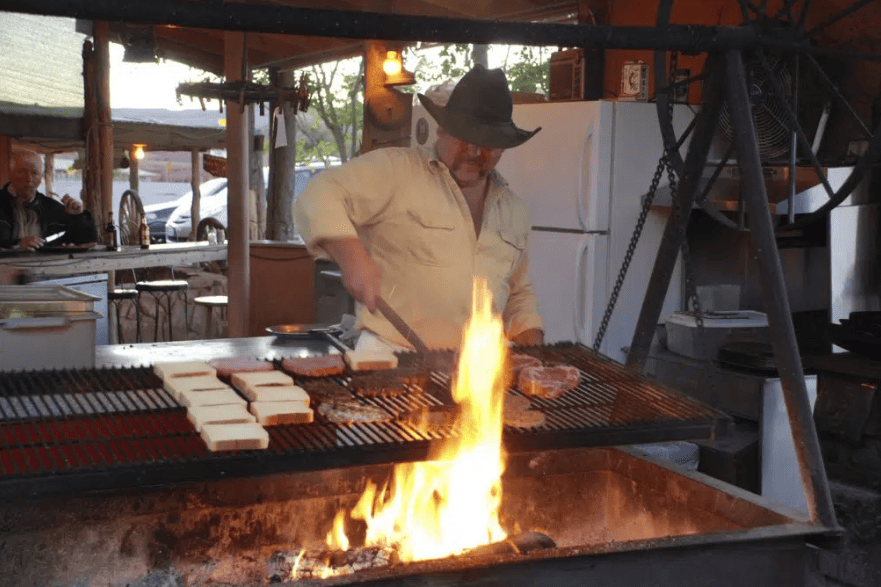
Texas pride is sometimes described in broad, simple terms, but barbecue festivals show a more layered picture. Texas barbecue has been shaped by many communities, including Mexican, Czech, German, African American, Southern, cowboy, ranching, and immigrant traditions.
For example, sausage traditions in Central Texas reflect European influences. Barbacoa reflects Mexican and South Texas roots. East Texas barbecue carries strong connections to Southern and African American cooking traditions. Urban barbecue scenes in Houston, Dallas, Austin, and San Antonio continue to expand with new flavors and techniques.
Modern festivals often reflect this diversity. Alongside classic brisket and ribs, visitors may find smoked turkey, birria-inspired barbecue, Korean-influenced smoked meats, barbecue tacos, loaded baked potatoes, brisket ramen, or creative desserts using smoked ingredients.
This does not erase tradition. It shows tradition continuing to grow. Texas barbecue has always adapted to people, place, and available ingredients. Festivals make that growth visible.
That is one reason barbecue remains so powerful in Texas. It honors the past while leaving room for new cooks to add their voices.
The Business Of Barbecue Pride
Barbecue festivals also reveal the economic side of Texas pride. Many pitmasters, food trucks, restaurants, sauce makers, wood suppliers, ranchers, and small vendors benefit from these events. A festival can introduce a new business to thousands of potential customers in one weekend.
For restaurant owners, a festival appearance can build reputation. For small-batch sauce makers, spice companies, and craft vendors, it can create direct contact with customers. For towns, it can bring tourism dollars to local shops, gas stations, hotels, and restaurants.
This commercial side does not make the festival less meaningful. In fact, it shows how tradition can support livelihoods. Many Texas barbecue businesses are family-run or locally rooted. Their success often depends on community support, word-of-mouth, and a strong sense of authenticity.
When visitors buy a plate from a small operator, they are often supporting years of practice, risk, and long hours. Barbecue pride is not only cultural. It is also practical. It helps people build businesses around a craft they care about.
Why Lines Become Part Of The Experience
Long lines are common at famous barbecue festivals and restaurants. In many food settings, a long line feels like a problem. In Texas barbecue culture, it can become part of the experience.
Waiting builds anticipation. It gives people time to talk, study the menu, smell the smoke, and watch plates pass by. People swap tips about which booth to try next. They ask locals for advice. They compare notes on who has the best brisket, sausage, or ribs.
The line also signals trust. If people are willing to wait, they believe the food is worth it. At festivals, that belief creates a shared sense of excitement.
Of course, nobody enjoys waiting forever. Still, barbecue has always been tied to patience. The cook waits on the meat. The customer waits for the plate. The whole process pushes against the rush of modern life.
That slower pace is part of the appeal. Barbecue festivals invite people to spend time, not simply consume and move on.
Hospitality On A Plate
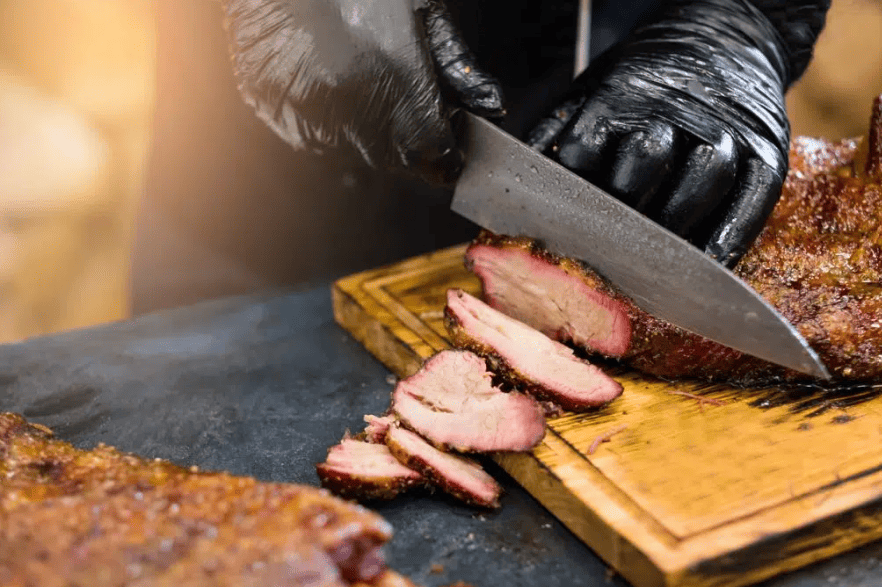
Texas pride often expresses itself through hospitality. Barbecue festivals show this clearly. Volunteers give directions. Cooks answer questions. Strangers share tables. Families bring lawn chairs. People recommend favorite booths with real enthusiasm.
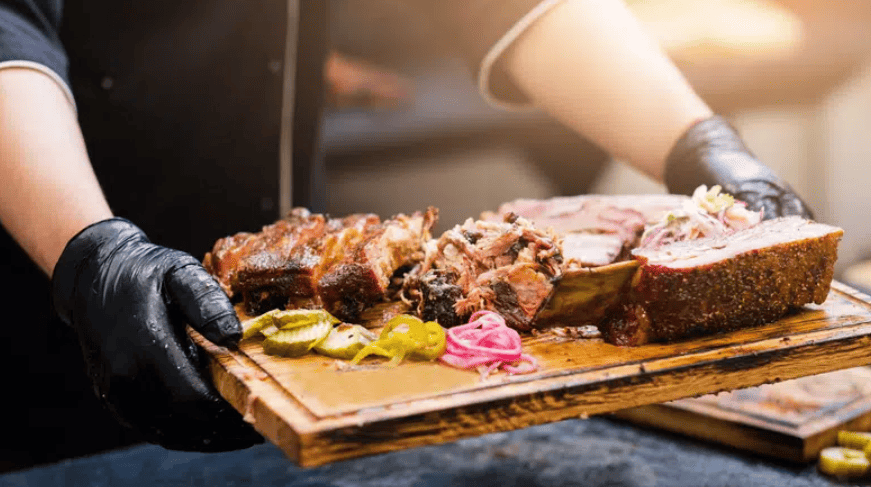
The plate itself can feel generous. A classic barbecue plate might include meat, bread, pickles, onions, beans, potato salad, coleslaw, or other sides. The exact combination varies, but the message is the same. Sit down. Eat well. Stay awhile.
Hospitality also appears in how festivals welcome visitors from outside the area. Many attendees travel across the state or from other states to experience Texas barbecue. Locals often enjoy explaining what makes their festival special. They may point visitors toward historic meat markets, old dance halls, local landmarks, or the best place to get breakfast the next morning.
That kind of welcome is pride without arrogance. It celebrates local culture by sharing it.
What Barbecue Festivals Teach Visitors
For visitors, Texas barbecue festivals offer several lessons.
First, they show that barbecue is a serious craft. A great plate comes from skill, timing, and deep attention to detail.
Second, they show that Texas food culture is regional. What people eat in Central Texas may differ from what they love in East Texas, South Texas, or West Texas.
Third, they show that barbecue is social. The food matters, but so does the gathering around it.
Finally, they show that pride can be rooted in everyday things. A smoker, a folding table, a family recipe, a local band, and a small-town square can say as much about Texas as any slogan.
That is what makes these festivals educational as well as entertaining. They teach through flavor, sound, smell, and conversation.
Why These Festivals Still Matter
In a fast-changing world, barbecue festivals give Texans a way to hold onto something steady. They bring together old methods and new ideas. They support local economies. They give small towns a spotlight. They help families pass down traditions. They give visitors a deeper understanding of the state.
They also remind people that pride does not have to be loud to be strong. Sometimes it looks like a pitmaster checking the fire at dawn. Sometimes it sounds like a local band warming up near the stage. Sometimes it tastes like brisket that took all night to get right.
Texas barbecue festivals reveal a state that values skill, place, history, competition, generosity, and community. They show how food can carry identity from one generation to the next.
A barbecue festival may begin with smoke in the air, but it ends with something bigger than a meal. It leaves people with a clearer sense of why Texans care so deeply about barbecue, and why that care says so much about Texas pride.
Comments (0)
No comments yet. Be the first to share your thoughts.
Leave a comment