


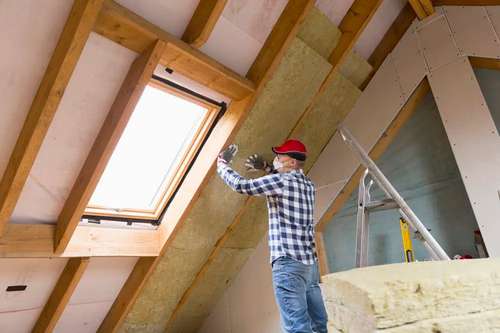
Texas summers are legendary for their long, hot days and intense sunshine. For many homeowners, temperatures regularly soar past 90°F — and often crack 100°F — stretching across late spring through early fall.
In that kind of heat, keeping your home comfortable isn’t just about blasting the air conditioner; it’s about making your home more efficient so the cool air you pay for stays inside where it belongs. One of the most powerful and cost-effective ways to do that is upgrading your insulation.
In this guide, we’ll explore how insulation works, why it’s especially important in Texas, what materials and techniques are worth considering, and how to plan an insulation upgrade that pays off in comfort, energy savings, and long-term home value.
Why Insulation Matters in a Texas Summer
At its core, insulation slows heat transfer between the outside world and the conditioned space inside your home. In Texas, that means keeping the blistering summer heat out and the cool air in. Without adequate insulation, your air conditioner works overtime — cycling almost nonstop as it battles rising temperatures. Not only does this drive up energy bills, it also accelerates wear and tear on your HVAC system.
Heat moves into your home in three ways:
- Conduction: heat passing through solid materials like roof decking or wall studs.
- Convection: heat carried in by air moving through gaps and cracks.
- Radiation: heat from the sun’s rays, especially through roof materials.
Insulation targets each of these, but the first step in making it work well is understanding your home’s weak points — most notably the attic. Because heat rises, a poorly insulated attic becomes a heat reservoir that radiates warmth down into living areas below.
Start at the Top: Attic Insulation
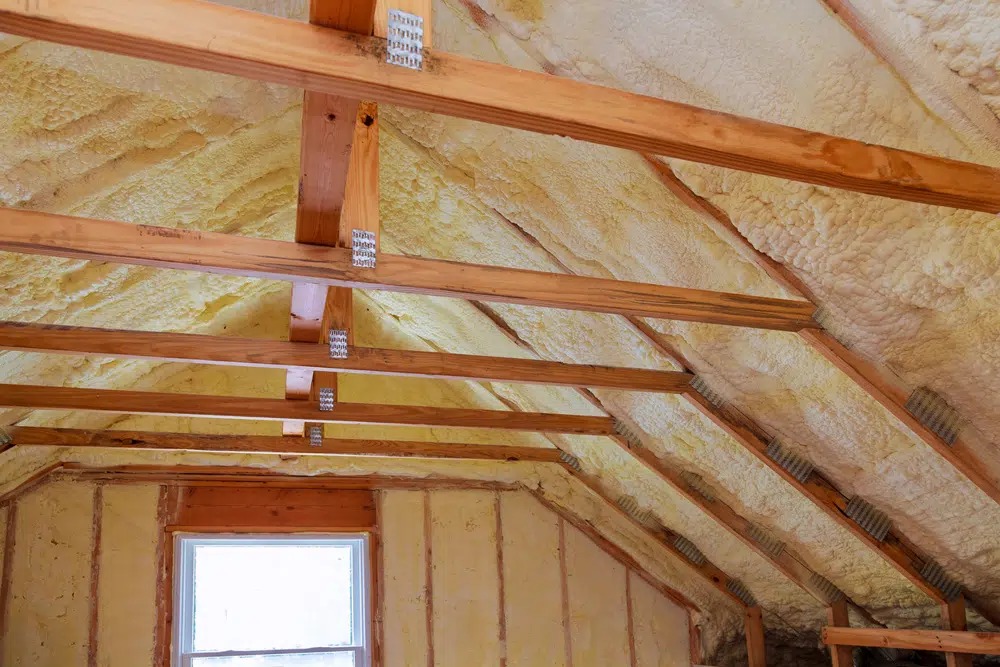
In most homes, the attic is where insulation upgrades deliver the biggest return on investment. That’s because:
- The attic absorbs direct sunlight and can reach temperatures far hotter than the outside air.
- Inadequate insulation here lets that heat pour into living spaces, forcing your AC to work harder.
- Adding or improving attic insulation reduces this heat transfer, meaning the thermostat stays lower with less effort.
Recommended R-Value: Texas sits in warm climate zones where attic insulation typically performs best when it reaches between R-30 and R-60 — with R-38 often cited as a good balance of performance and cost.
The most common and effective attic insulation options include:
- Blown-in cellulose: good coverage in irregular spaces and often eco-friendly.
- Fiberglass batts or rolls: affordable and widely available, though installation quality matters.
- Spray foam insulation: excellent at sealing gaps and stopping air flow, not just adding R-value.
- Radiant barrier systems: reflective insulation that combats radiant heat gain from the sun’s rays.
Upgrading attic insulation isn’t just about thickness — it’s about air sealing and ventilation too. Even the best insulation can underperform if air leaks or moisture issues aren’t addressed first. Proper sealing around attic hatches, pipes, recessed lights, and ductwork makes insulation far more effective.
Don’t Forget Walls, Floors, and Crawlspaces
While the attic gets the most attention in Texas, heat gain also occurs through walls, floors, and crawlspaces — especially in older homes that were built before modern insulation standards.
Wall Insulation
Walls represent a large surface area where heat can infiltrate. If your home was built decades ago, wall insulation may be minimal or missing entirely. Options here include:
- Blown-in cellulose or fiberglass: great for retrofit projects.
- Spray foam: expands into every crack and nook for superior air sealing.
Crawlspaces and Floors
Crawlspaces can collect heat and moisture, especially in humid regions like East and Southeast Texas. Insulating the crawlspace ceiling or the foundation walls helps stabilize indoor temperatures and prevents the cool air from escaping downward.
In crawlspaces with moisture concerns, closed-cell spray foam offers both insulation and a vapor barrier — keeping humidity from undermining performance.
Choosing the Right Insulation for Your Home
Not all insulation is created equal — and in Texas, climate and home design matter.
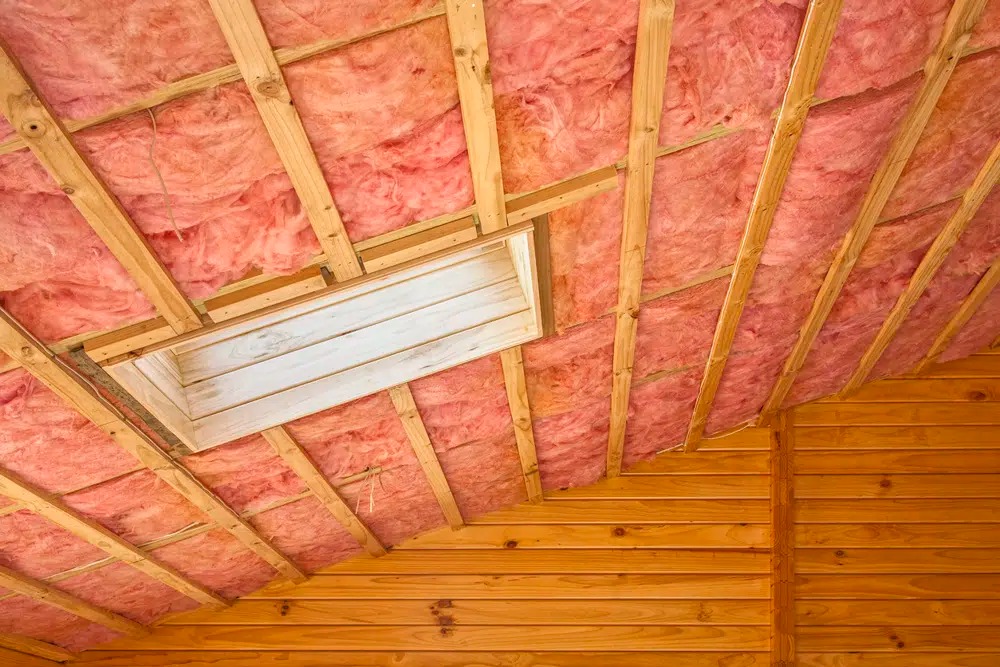
Comparing Common Insulation Types
- Spray Foam Insulation: One of the most effective choices for Texas homes, spray foam expands to fill gaps and provides excellent air sealing and moisture resistance — particularly useful against heat and humidity. Closed-cell spray foam can have a high R-value per inch, which means great performance even in tight spaces.
- Fiberglass Insulation: A budget-friendly classic that works well when installed correctly. Fiberglass resists fire and is widely available, but it doesn’t address air leaks as effectively as foam.
- Cellulose Insulation: Made from recycled paper, cellulose is eco-friendly and fills irregular cavities well. It’s often used in attics and walls, though it may absorb moisture if not paired with proper vapor control.
- Radiant Barriers: Rather than resisting heat flow like traditional insulation, radiant barriers reflect radiant energy back toward the roof, reducing heat transfer in hot climates like Texas. They work best in attics combined with other insulation.
Some homeowners also explore rigid foam board insulation in walls or exterior assemblies for a high R-value and moisture resistance, especially in new construction.
Air Sealing: The Unsung Hero of Insulation Upgrades
One of the biggest mistakes homeowners make is thinking insulation alone solves the problem. Without air sealing, conditioned air escapes and hot air infiltrates through tiny gaps around windows, doors, electrical boxes, attic hatches, and duct penetrations.
Sealing these gaps with caulk, foam sealants, and weather-stripping ensures your insulation does its job. Sometimes this simple step yields more comfort and savings than adding another layer of insulation.
The Big Picture: Energy Savings and Comfort
Upgrading insulation pays dividends in more ways than one:
- Lower energy bills: With less heat gain, your AC doesn’t run as long or as hard.
- Improved comfort: Rooms stay cooler and more consistent in temperature.
- Less HVAC wear: Shorter run times mean lower operational stress on your cooling system.
- Reduced moisture issues: Proper insulation paired with good ventilation cuts down on humidity concerns that can lead to mold growth.
Better insulation also boosts your home’s value and market appeal — an efficiency upgrade that pays off not just in summer comfort, but in overall home performance.
Planning Your Insulation Project
Upgrading insulation is an investment, and like any home improvement project, a little planning goes a long way. Here are practical steps to take:
- Inspect current insulation: What’s there now? How old is it? Does it meet code?
- Measure existing R-values: Compare them with what the industry recommends for your region.
- Prioritize attic work first: Attics do the heavy lifting in Texas homes.
- Seal air leaks before adding insulation: This ensures your investment goes further.
- Work with experienced professionals: Proper installation makes all the difference between good and great performance.
Final Thoughts
Texas summers are long, hot, and unforgiving — but the heat doesn’t have to dictate your comfort or your energy bills. Upgrading insulation is one of the most effective ways to fight back against the sun’s relentless heat, reduce strain on your cooling system, and enjoy a more comfortable home year-round.
Whether you tackle your attic first, improve wall insulation, or choose high-performance materials like spray foam or radiant barriers, thoughtful insulation upgrades deliver real results. As summers get hotter and energy costs continue to climb, investing in insulation isn’t just smart — it’s essential for homeowners who want comfort, efficiency, and long-term value.

Comments (0)
No comments yet. Be the first to share your thoughts.
Leave a comment