


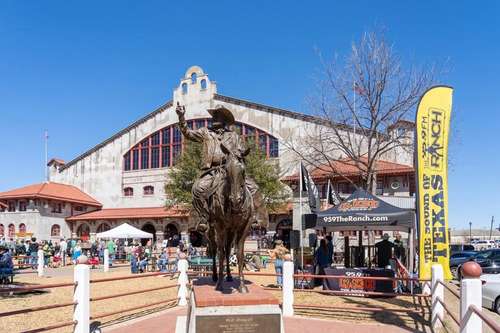
The Texas rodeo is more than a sporting event. It is a public celebration of ranching history, horsemanship, community pride, music, food, and Western identity. For many Texans, rodeo season is a familiar part of the year, whether they attend a major event in Houston, Fort Worth, San Antonio, Austin, or a smaller rodeo in a rural county arena.
The Texas rodeo experience has been shaped by traditions that developed from real ranch work. Over time, those practical skills became competitions, ceremonies, and community gatherings. Today, rodeos still carry that connection between past and present.
Rodeo’s Ranching Roots
Rodeo grew out of the daily work of cowboys, vaqueros, ranch hands, and stockmen. Long before rodeos became ticketed events, riders needed to know how to handle horses, rope cattle, manage livestock, and work as a team across wide stretches of land.
Many rodeo events come directly from those working skills. Roping, riding, herding, and handling livestock were not originally created for entertainment. They were part of ranch life. When cowboys gathered after long cattle drives or seasonal work, they sometimes competed informally to see who was the best rider, roper, or handler.
Texas became one of the natural homes of rodeo because ranching was central to the state’s history. Cattle drives, open ranges, Spanish and Mexican horse traditions, and frontier communities all helped shape the culture that rodeo later preserved.
The Grand Entry
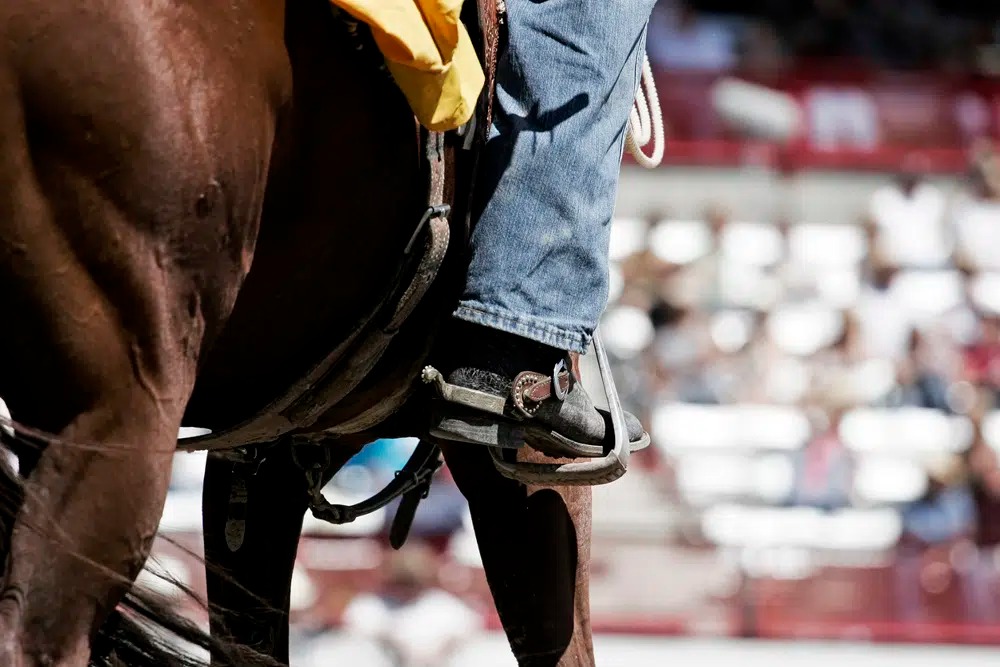
One of the most recognizable rodeo traditions is the grand entry. This opening ceremony brings riders, flags, horses, rodeo officials, and often local groups into the arena before the competition begins.
The grand entry sets the tone for the event. Riders circle the arena, the American flag is presented, and the crowd often stands for the national anthem. In many Texas rodeos, the state flag, military flags, sponsor flags, and rodeo queen courts may also be included.
This tradition gives the rodeo a ceremonial beginning. It reminds the audience that rodeo is not only a competition, but also a community event built around respect, patriotism, and local pride.
Western Dress and Cowboy Style
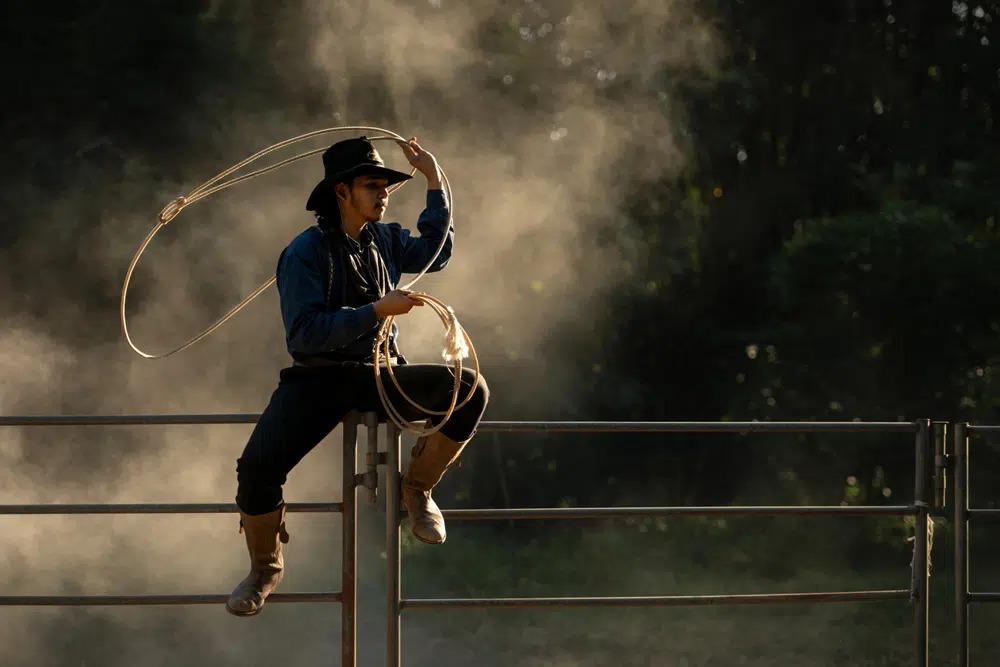
What people wear to a Texas rodeo is part of the experience. Cowboy hats, boots, denim, pearl snap shirts, belts, buckles, and Western jackets are common sights in the stands and behind the chutes.
For rodeo competitors, clothing is both practical and traditional. Boots help riders stay secure in stirrups. Hats offer shade and protection. Long-sleeved shirts and jeans reflect working ranch wear. Large belt buckles are often awarded as prizes and have become symbols of achievement in rodeo culture.
For visitors, dressing Western is a way to take part in the event. Even people who do not ride horses or work on ranches often wear boots and hats to connect with the atmosphere of the rodeo.
The Role of the Cowboy Hat
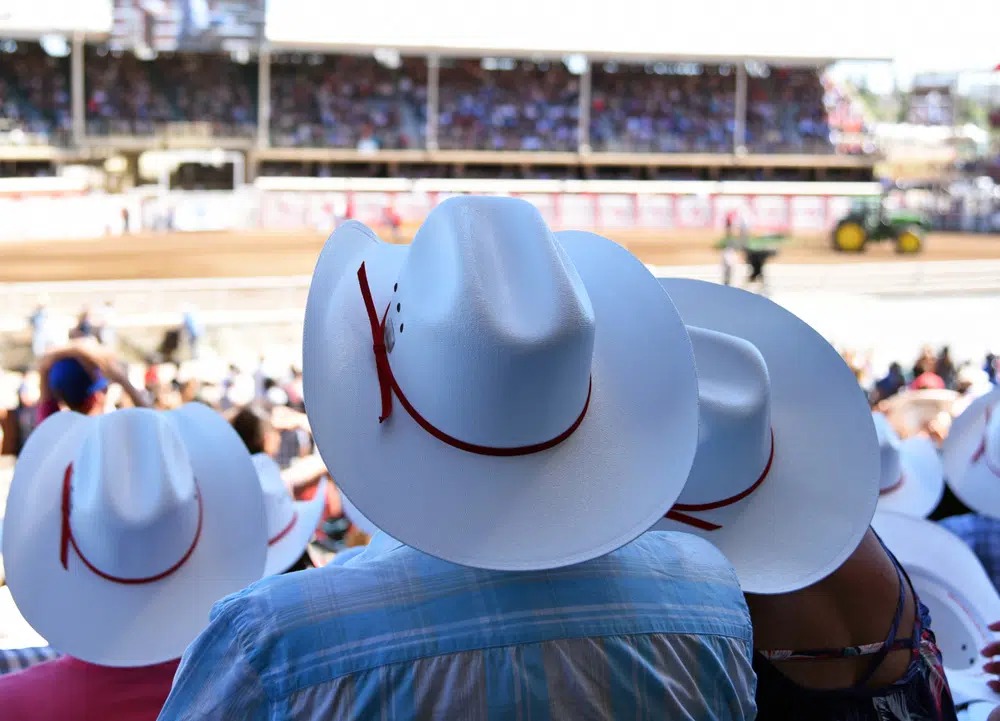
The cowboy hat has a special place in rodeo tradition. It is not just a fashion item. Historically, it protected riders from sun, rain, dust, and wind. Its wide brim and high crown made it useful for long hours outdoors.
At rodeos, the hat also carries etiquette. Many people remove their hats during the national anthem, prayer, or moments of respect. Competitors often treat their hats with care because the hat is closely tied to personal identity and rodeo tradition.
Different hat shapes can also reflect personal style, regional influence, or the kind of riding a person does. In Texas, the cowboy hat remains one of the clearest visual symbols of rodeo life.
Rodeo Events With Working Origins
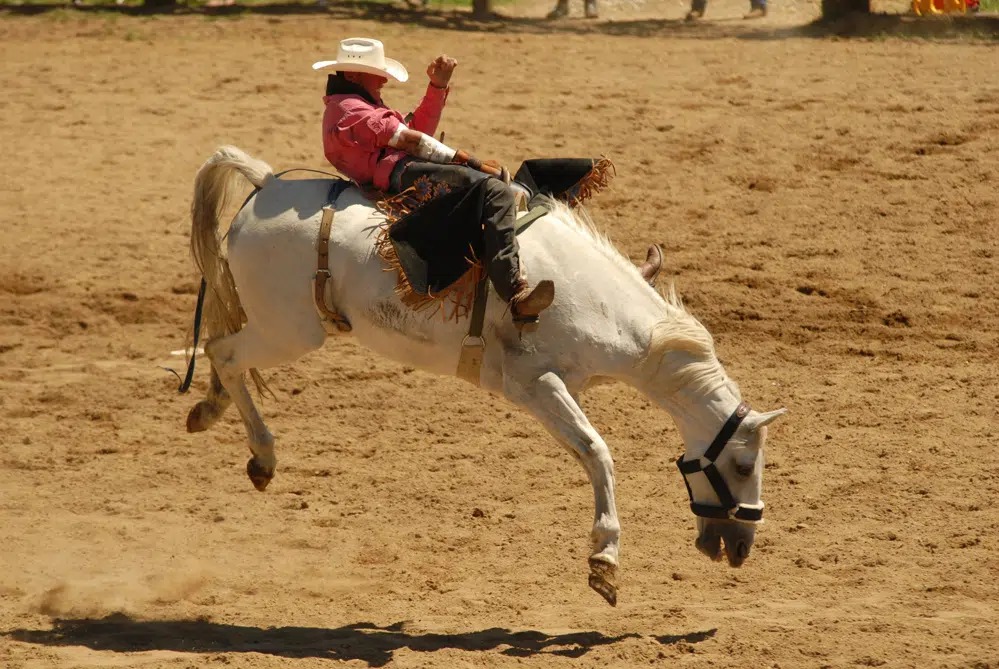
Many of the main rodeo events are based on ranch skills. While modern rodeo has rules, judges, timers, and safety systems, the events still reflect the abilities needed in traditional livestock work.
Common rodeo events include:
- Bareback riding, where a rider tries to stay on a bucking horse while showing control and style.
- Saddle bronc riding, which developed from the skill of breaking and riding rough horses.
- Bull riding, one of the most dramatic rodeo events, where riders attempt to stay mounted on a powerful bull for eight seconds.
- Tie-down roping, which comes from the need to catch and restrain calves for care or branding.
- Team roping, where two riders work together to rope a steer by the horns and hind legs.
- Steer wrestling, where a rider dismounts from a horse and brings a steer to the ground.
- Barrel racing, a timed event in which horse and rider race a cloverleaf pattern around barrels.
Each event has its own rules and traditions, but all require timing, balance, courage, and trust between rider and horse.
The Eight-Second Ride
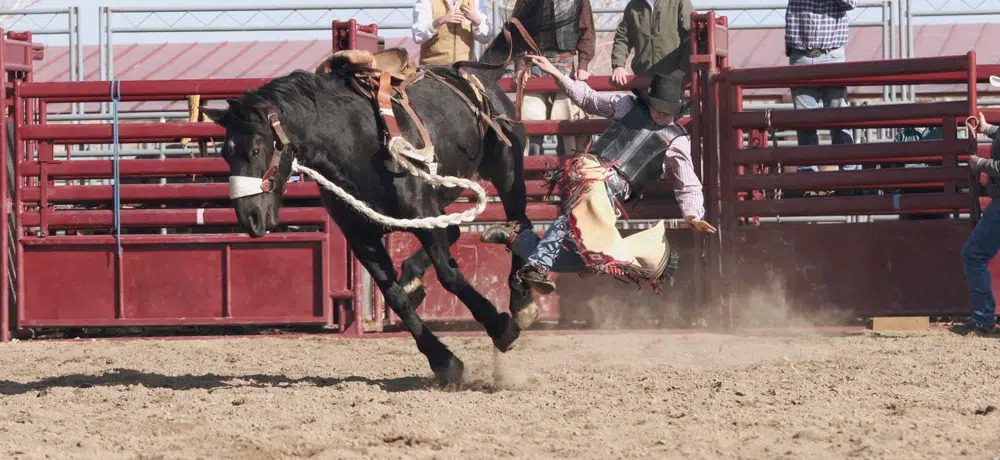
In rough stock events like bull riding, bareback riding, and saddle bronc riding, the eight-second ride is one of rodeo’s most famous standards. A rider must stay on the animal for eight seconds to receive a qualified score.
Eight seconds may sound short, but in the arena it can feel much longer. Bulls and broncs are powerful, unpredictable animals. Riders must react quickly while keeping one hand free and avoiding disqualification.
This tradition gives rodeo one of its greatest sources of suspense. The crowd watches the clock, the rider, and the animal all at once. A successful ride can bring a loud reaction from the arena because everyone understands how difficult those eight seconds can be.
Horses at the Center of Rodeo
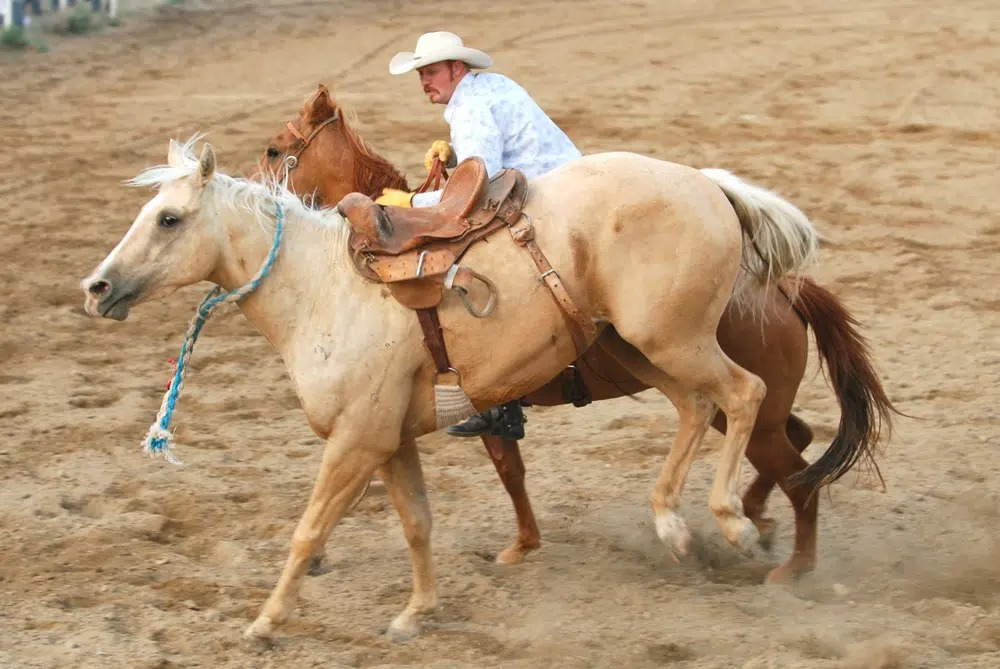
Horses are essential to the Texas rodeo experience. In roping, barrel racing, grand entries, parades, and rodeo courts, horses are not background figures. They are trained athletes and partners.
A good rodeo horse must be quick, responsive, calm under pressure, and able to work in a loud arena. In timed events, the horse’s speed and decision-making can be just as important as the rider’s skill.
Rodeo also preserves Texas horse culture. From ranch horses to performance horses, the animal’s role reflects a long relationship between Texans and working animals.
Rodeo Queens and Youth Traditions
Many Texas rodeos include rodeo queens, princesses, ambassadors, or youth courts. These roles are usually filled by young women who represent the rodeo at events, parades, school visits, and community programs.
Rodeo queens often demonstrate riding ability, public speaking skills, Western knowledge, and community involvement. Their presence helps connect the rodeo to local families and younger generations.
Youth rodeo is also important. Children and teenagers may participate in mutton bustin’, calf scrambles, junior barrel racing, roping, or livestock shows. These activities introduce young people to animal care, competition, responsibility, and agricultural education.
The Livestock Show Connection
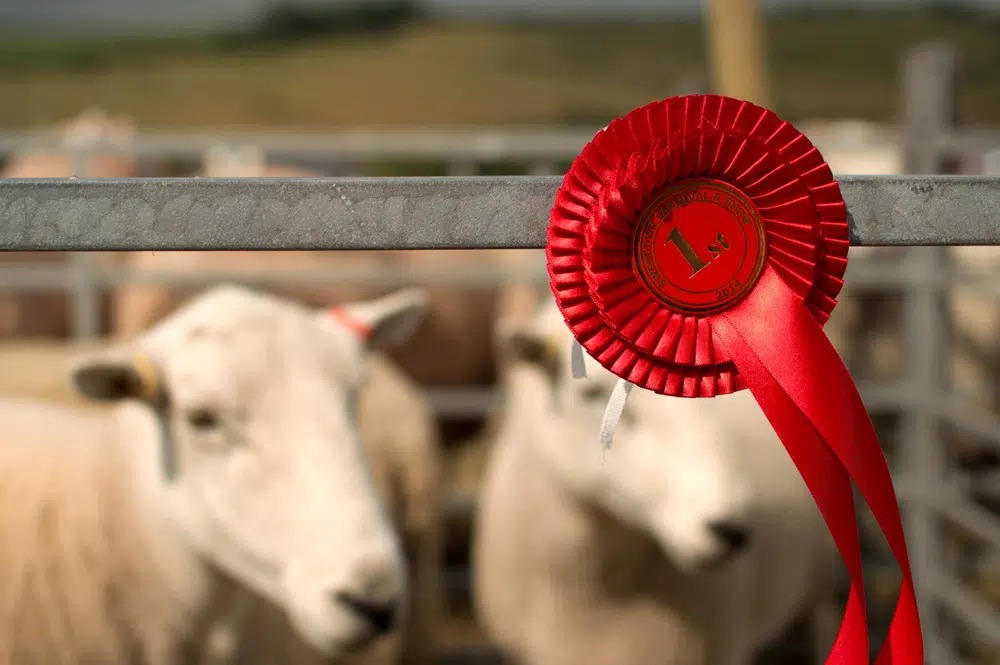
In Texas, rodeo is often closely connected to livestock shows. At major rodeos, students raise and show animals such as cattle, pigs, goats, lambs, chickens, and rabbits. These projects are often tied to 4-H, FFA, and agricultural education programs.
Livestock shows teach young people about feeding, grooming, animal health, recordkeeping, and presentation. For many students, showing an animal at a rodeo is the result of months of work.
This tradition keeps agriculture visible to the public. It also reminds visitors that rodeo is connected to farming, ranching, and food production, not only arena entertainment.
Parades and Community Celebrations
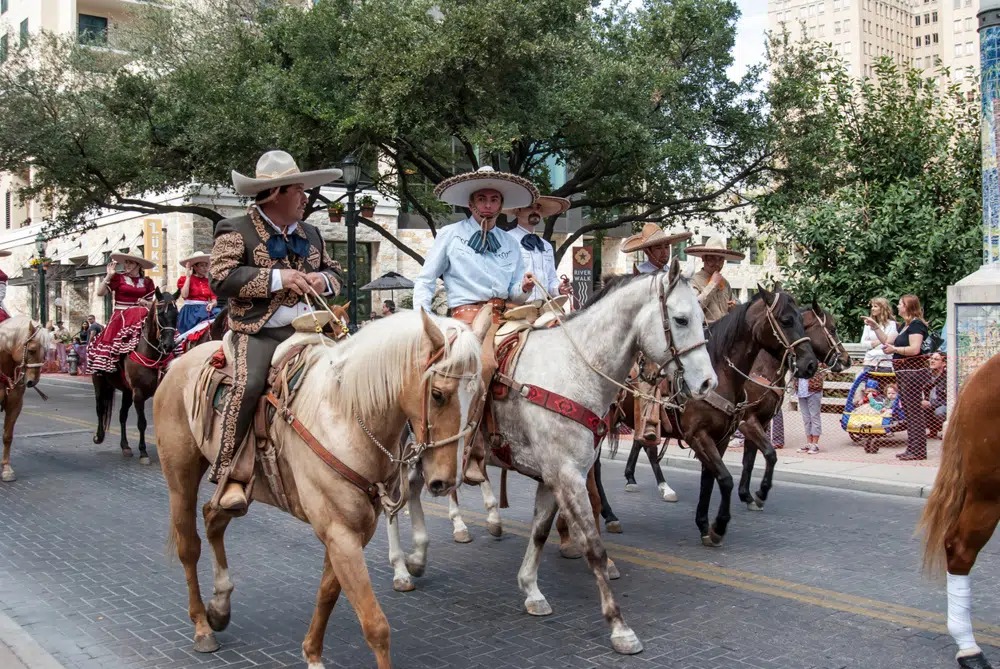
Rodeo often extends beyond the arena. Many Texas rodeos include parades, trail rides, cook-offs, dances, carnivals, concerts, and family events.
Parades may feature horses, wagons, marching bands, local businesses, school groups, and civic organizations. Trail rides, especially in larger rodeo traditions, honor the history of riders traveling long distances on horseback.
These events make the rodeo feel like a citywide or countywide celebration. Even people who do not attend the competition may still take part in the larger rodeo atmosphere.
Food as Part of the Rodeo Experience
Food is a major part of Texas rodeo culture. Visitors often expect barbecue, sausage, turkey legs, funnel cakes, tacos, fried snacks, chili, burgers, and fair-style desserts.
At some rodeos, barbecue cook-offs are major events of their own. Teams compete over brisket, ribs, chicken, beans, and other dishes. These cook-offs reflect Texas food traditions and the social side of rodeo season.
Rodeo food also adds to the sense of occasion. For many families, eating at the rodeo is part of the memory, just like watching bull riding or walking through the livestock barns.
Music, Dancing, and Entertainment
Texas rodeos often include live music, especially country, Tejano, Texas country, and regional acts. At larger rodeos, concerts can be a major attraction and may bring in audiences who are new to rodeo.
Music has long been tied to Western and ranch culture. Songs about cowboys, horses, small towns, heartbreak, work, and wide-open spaces fit naturally into the rodeo setting.
Dances, after-parties, and concerts help turn rodeo into a full cultural event. The competition may be the center, but music gives the experience a social and celebratory ending.
Respect for Risk and Skill
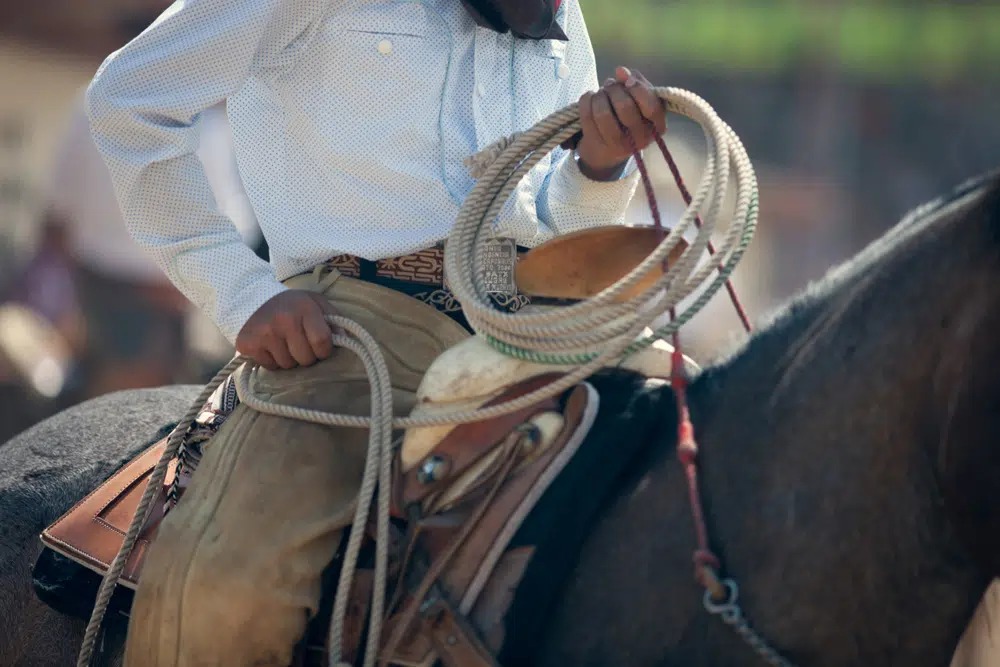
Rodeo has always involved risk. Riders work with large, strong animals, and even experienced competitors can be injured. This is why rodeo culture places a high value on toughness, preparation, and respect for livestock.
Modern rodeos include safety rules, protective gear, trained pickup men, bullfighters, veterinarians, and stock contractors. These roles help protect both competitors and animals.
The audience may enjoy the excitement, but rodeo insiders understand the level of skill involved. Behind each ride or timed run are hours of practice, animal training, and knowledge of how to move safely around livestock.
Why Rodeo Still Matters in Texas
Rodeo remains popular in Texas because it brings together history, sport, agriculture, entertainment, and community. It allows people to see skills that once shaped ranch life and still matter in rural communities today.
For some visitors, rodeo is a family tradition. For others, it is a first look at Western culture. For competitors, it is a serious sport. For students, it may be part of agricultural education. For cities and towns, it is a way to celebrate local identity.
The Texas rodeo experience is shaped by many traditions: the grand entry, the cowboy hat, the livestock show, the eight-second ride, the parade, the music, the food, and the respect for horse and rider. Together, these traditions make rodeo one of the most recognizable cultural events in the state.
A Living Texas Tradition
Texas rodeo continues to change, but its foundation remains connected to ranch work, animal skill, and community pride. Modern rodeos may include big concerts, bright lights, and large crowds, but the heart of the event is still found in the arena.
Every ride, rope, race, and flag presentation carries a piece of history. That is why the Texas rodeo is not just something people watch. It is something they experience.
Comments (0)
No comments yet. Be the first to share your thoughts.
Leave a comment