


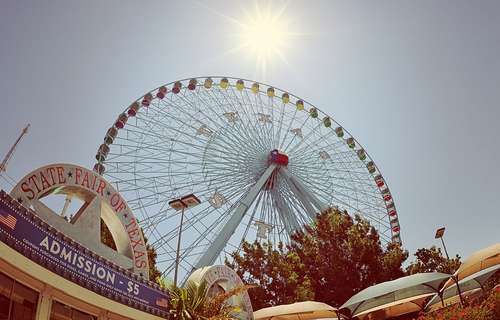
There is something special about a Texas fair. It is loud, colorful, crowded, and full of energy, yet it also feels familiar. People come for the rides, the food, the music, the livestock, and the contests. They stay for something deeper. A fair in Texas is part celebration, part community gathering, part cultural showcase, and part living history lesson.
Across the state, fairs have long been places where rural and urban life meet. Farmers, ranchers, students, small business owners, musicians, craftsmen, and families all share the same grounds for a day or a week. That blend is what gives a Texas fair its identity. It is not only about entertainment. It is also about pride in place, pride in work, and pride in traditions passed from one generation to the next.
Every town fair has its own flavor, and every major fair has its signature attractions, but many traditions appear again and again. These customs help define what people think of when they picture a classic Texas fair. From livestock barns to fried food stands, from marching bands to quilt displays, these traditions tell the story of Texas in a way that feels hands-on and real.
Why Texas Fairs Matter
Before looking at specific traditions, it helps to understand why fairs hold such an important place in Texas life. Historically, fairs gave communities a chance to gather and compare the best of what they had grown, raised, built, baked, or created. They were tied to agriculture, harvest seasons, and local pride. Over time, they grew into much larger events that mixed education with entertainment.
Even now, that original purpose still matters. A fair is one of the few places where people can see a prize steer, watch a youth cooking contest, hear live country music, and walk through an exhibit hall all in the same afternoon. It brings together skills and interests that do not always share the same space in daily life.
That is part of what makes Texas fairs so memorable. They are not built around one activity. They reflect the full character of a community.
Livestock Shows and Youth Competition
One of the strongest traditions at any classic Texas fair is the livestock show. For many visitors, the barns are the heart of the fairgrounds. This is where months of hard work finally come into view. Young exhibitors bring cattle, pigs, goats, sheep, rabbits, chickens, and other animals they have raised and cared for themselves.
These shows are about far more than ribbons. They teach responsibility, discipline, patience, and public presentation. Students in programs like 4-H and FFA learn how to feed animals properly, maintain health standards, handle grooming, and speak confidently about what they have raised. Families often spend long hours helping behind the scenes, which makes the experience a shared effort.
Visitors who step into these barns get a close look at a part of Texas life that still matters deeply. In a state with strong ranching and agricultural roots, livestock shows connect the fair to the land. They remind people that agriculture is not a background detail in Texas history. It is one of the foundations.
For many families, watching the youth livestock competitions is one of the most meaningful parts of the fair because it shows tradition continuing in real time.
The Food Everyone Waits For
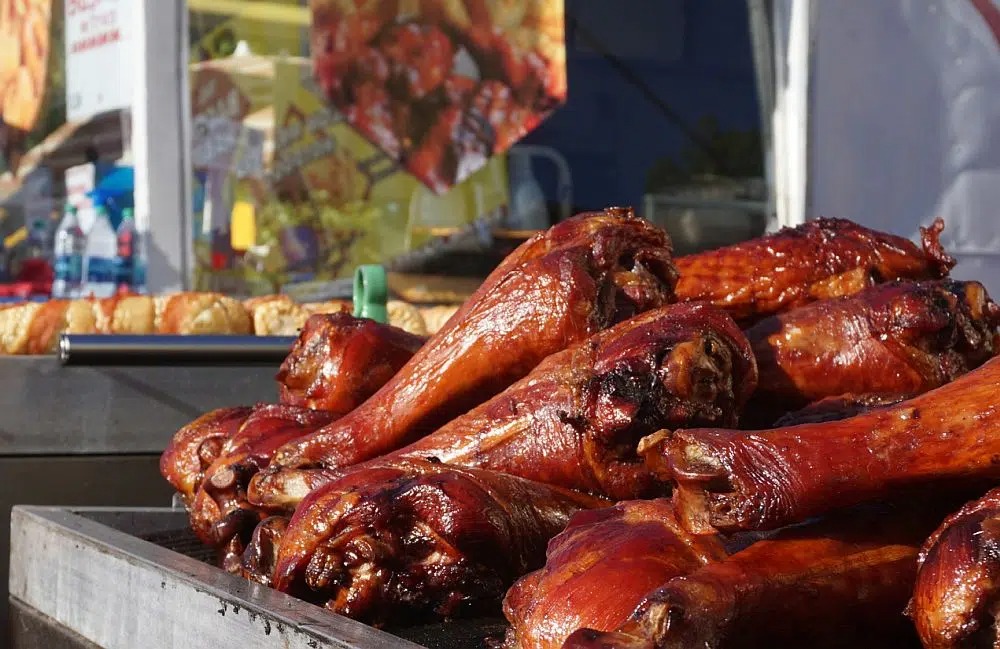
No discussion of a Texas fair is complete without food. Fair food is one of the first things people talk about and one of the last things they forget. Some people arrive with a plan. Others simply follow the smell of barbecue smoke, fresh-baked treats, roasted corn, or something sizzling in hot oil.
Classic Texas fair food usually balances comfort and excess. You will find staples such as:
- corny dogs
- smoked turkey legs
- funnel cakes
- barbecue plates
- kettle corn
- roasted nuts
- cotton candy
Then there is the other side of fair cuisine, the side that pushes creativity as far as it can go. Texas fairs are known for bold, sometimes surprising deep-fried inventions. Fried desserts, fried sandwiches, fried snacks, and fried foods that seem almost impossible all compete for attention. Part of the fun is seeing what people come up with next.
Still, fair food is not only about novelty. It reflects regional taste and the Texas love of hearty, shareable meals. Barbecue, Tex-Mex influence, Southern comfort cooking, and sweet treats all have a place. Food stands become gathering spots where families compare what they ordered and decide what to try next.
In many ways, the food tradition works because it blends familiarity with surprise. People expect favorites, but they also hope to discover something new.
Midways, Rides, and Games
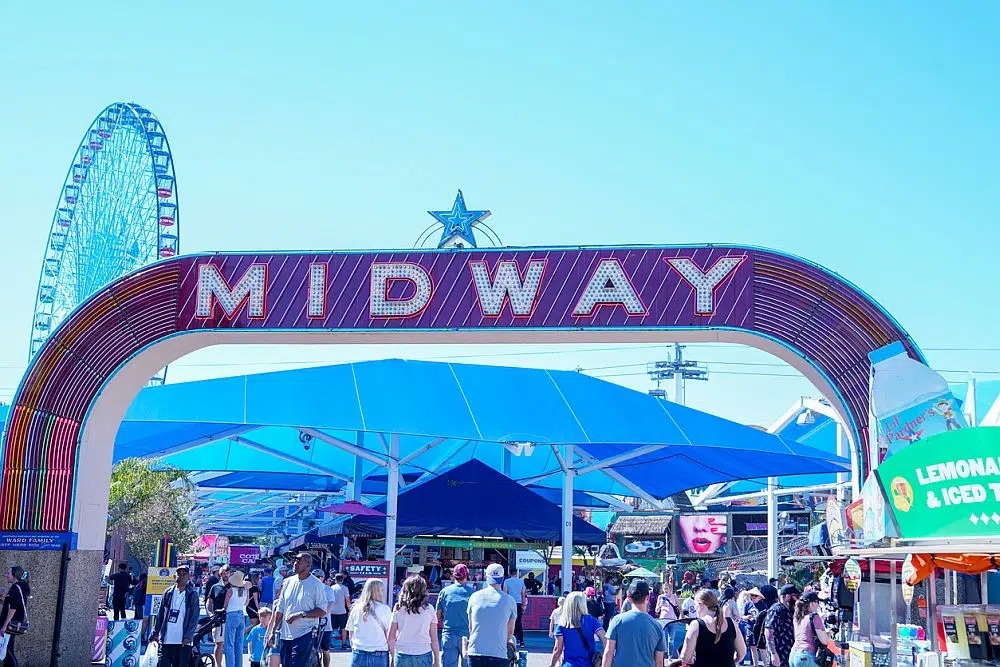
Another tradition that defines the Texas fair experience is the midway. This is the bright, noisy part of the fairground where lights flash, music plays, and voices call out from game booths. For children, it can feel magical. For teenagers, it is often the social center of the night. For adults, it brings back memories of earlier visits.
The rides range from gentle classics for small children to towering attractions built for thrill-seekers. Ferris wheels remain especially important because they are more than just a ride. They are part of the visual identity of the fair. A glowing Ferris wheel rising over the grounds is one of the images most people associate with fair season.
Game booths are a tradition of their own. Ring tosses, balloon darts, basketball shots, water races, and other carnival games create friendly competition and just enough challenge to keep people trying again. Winning an oversized stuffed toy may not be easy, but that is part of the appeal.
The midway tradition matters because it adds movement and excitement. It gives the fair a sense of energy that balances the quieter parts of the grounds, such as exhibit halls and livestock barns.
Live Music and Local Talent
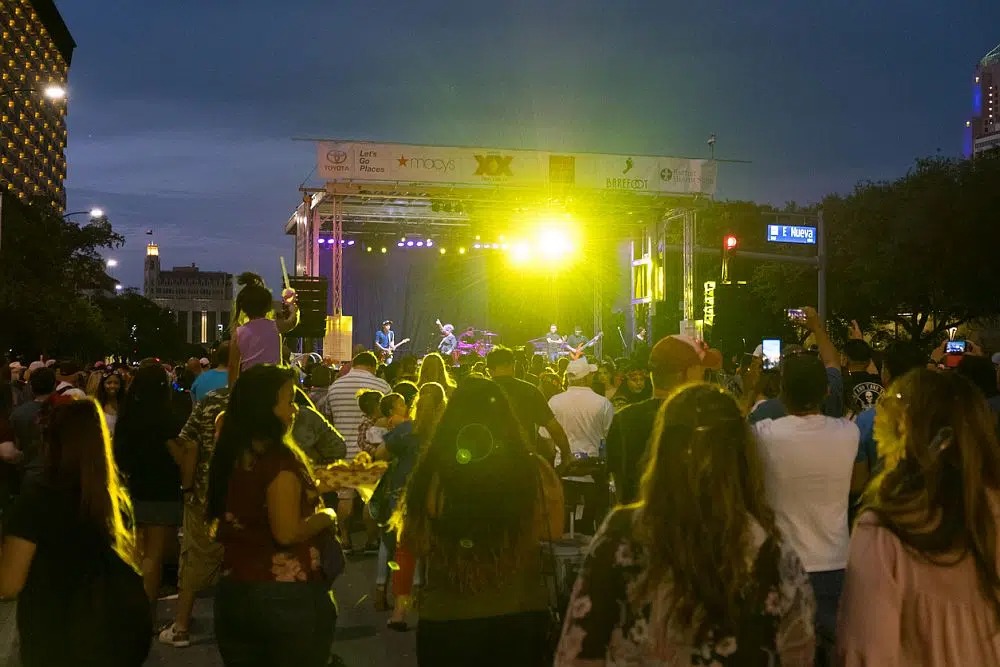
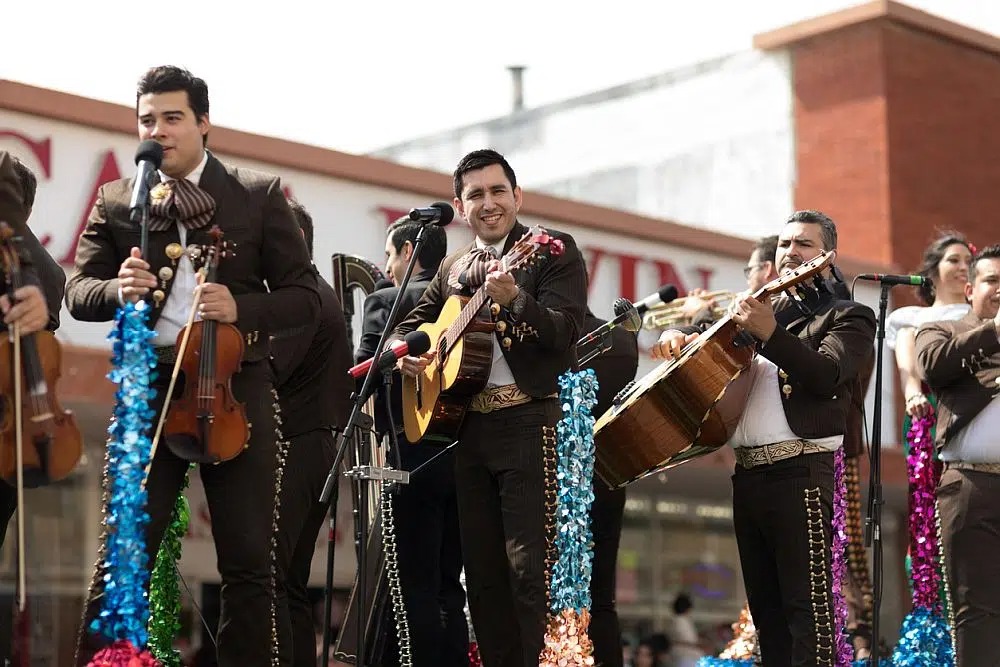
Texas fairs are also shaped by music. In a state where live performance has deep roots, it makes sense that fairgrounds often include stages for local acts, school bands, country artists, Tejano performers, gospel groups, and other musicians. Some fairs bring in major headliners. Others focus more on regional talent. Both approaches fit the spirit of the fair.
Music does more than entertain. It helps set the tone of the event. A marching band can make the grounds feel festive. A country set at sunset can turn an ordinary evening into a memorable one. A community dance performance can showcase local pride.
Texas fairs often reflect the state’s cultural mix, and music is one of the clearest ways that happens. Visitors may hear traditional country, conjunto, blues, rock, folk, or mariachi influences all within the same event. That range says a lot about Texas itself.
The fair stage also gives young performers and community groups a place to be seen. That has always been part of fair culture. It is not only about watching professionals. It is about celebrating homegrown talent too.
Agricultural Exhibits and Hands-On Learning
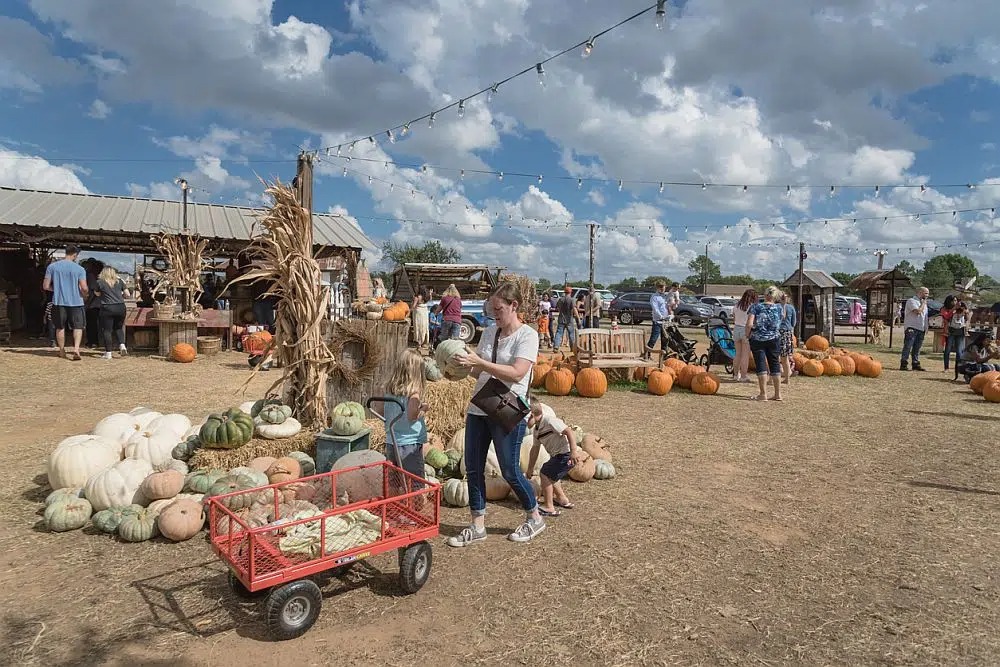
Although people often focus on food and rides, educational exhibits are still a major fair tradition in Texas. These displays can cover farming, ranching, natural resources, wildlife, gardening, conservation, and rural technology. They help visitors, especially children, understand where food comes from and how agricultural systems work.
This educational side of the fair is one reason fairs have lasted so long. They are built to entertain, but they are also built to teach. A child who has never been near a working farm can learn about soil, crop production, animal care, and water use through exhibits that make those ideas easy to grasp.
Many fairs also include demonstrations, such as butter making, blacksmithing, rope work, or equipment displays. These activities connect the present to the past. They show older skills that helped build Texas communities and, in some cases, are still being used today.
A classic Texas fair does not separate fun from learning. It puts them next to each other and lets visitors move between both.
Home Arts, Crafts, and Creative Pride
One of the quieter but deeply important traditions at Texas fairs is the display of home arts and crafts. Inside exhibit halls, visitors often find quilts, canned goods, baked items, paintings, photography, woodworking, sewing, floral arrangements, and handmade decor. These exhibits may not draw the same crowds as the midway, but they reveal another side of fair culture.
They show how people take pride in skill, patience, and craftsmanship. A ribbon-winning pie, a carefully stitched quilt, or a hand-carved piece of wood tells a story about time and effort. These entries are often tied to family knowledge passed down over many years.
This tradition matters because it broadens the meaning of competition at the fair. Not every contestant is showing livestock or entering a rodeo event. Some are sharing creative work from kitchens, garages, workshops, and craft rooms. That adds depth to the fair and makes it more reflective of the whole community.
For visitors, these halls are also reminders that a fair is not built only on spectacle. It is built on contribution.
Pageants, Parades, and Community Ceremony
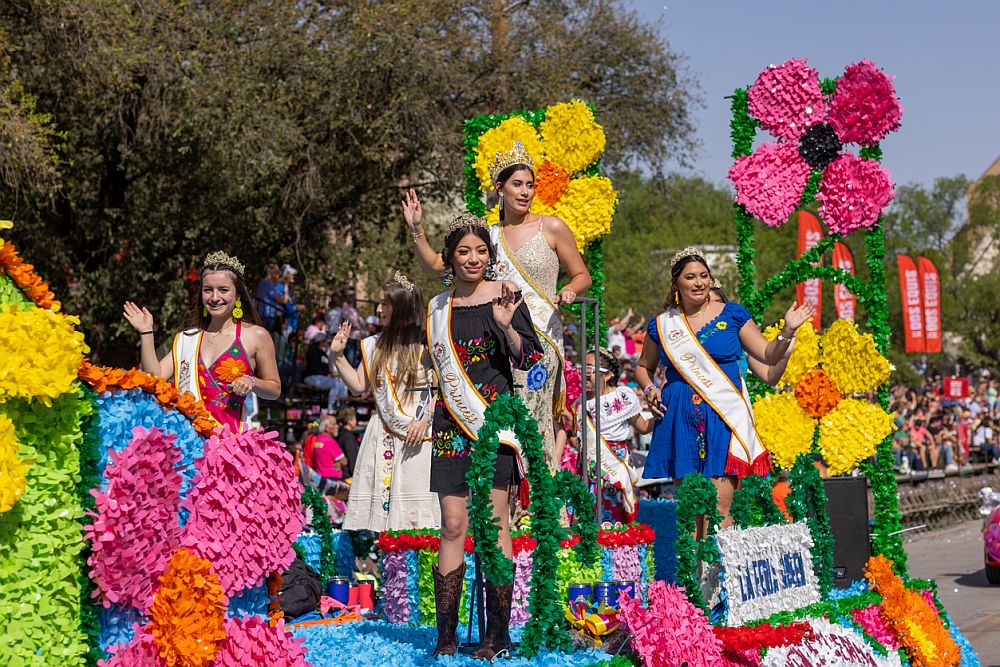
Many Texas fairs include opening ceremonies, parades, pageants, or court presentations. These events may seem old-fashioned to some, but they remain part of the classic fair tradition because they reflect local identity and ceremony. Communities use them to welcome guests, honor participants, and spotlight youth representatives, civic leaders, or scholarship winners.
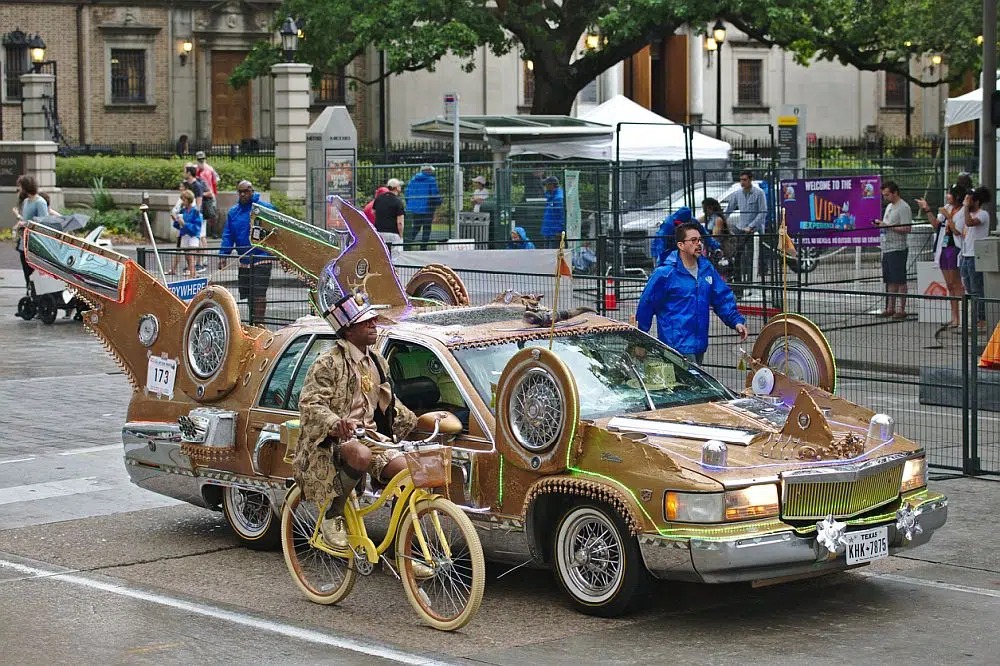
Parades are especially important in smaller towns. They often include school bands, decorated floats, local clubs, fire trucks, horseback riders, and community organizations. Watching a parade before heading to the fairgrounds can feel like the official start of the celebration.
These ceremonial traditions help create a shared rhythm. They mark the fair as more than a casual outing. They announce that something important is happening in the life of the town or region.
Rodeo Spirit and Western Identity
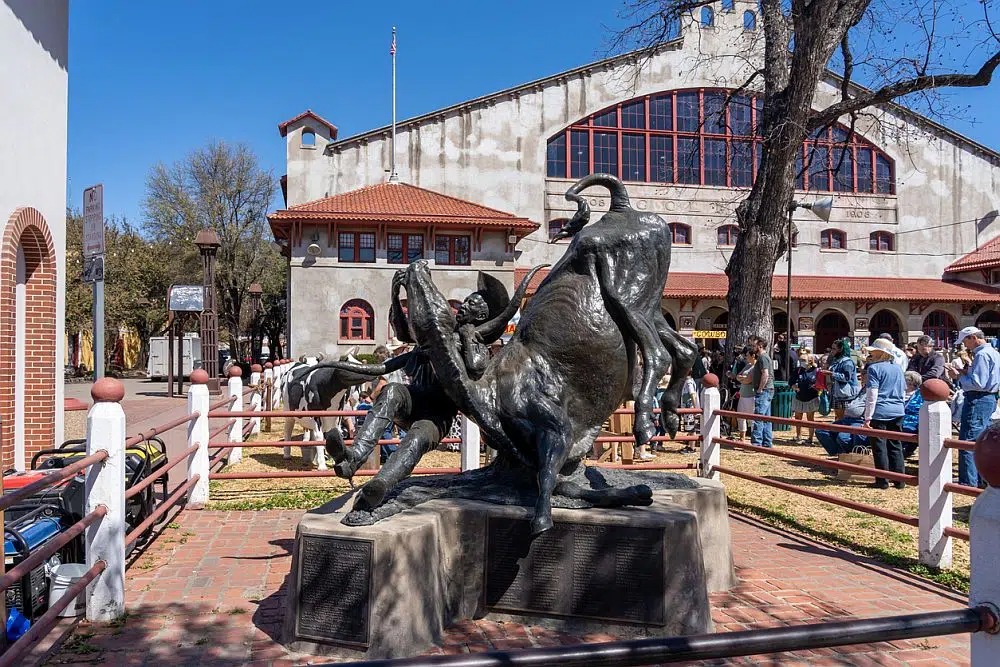
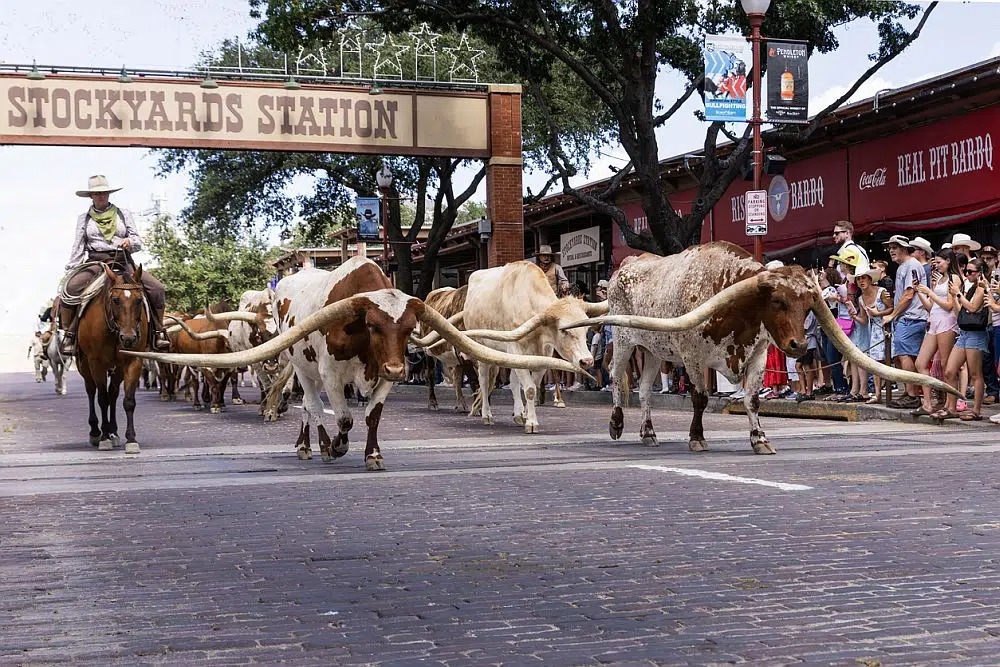
Even when a fair is not built around a full rodeo, western identity is often part of the atmosphere. Boots, hats, belt buckles, stock trailers, and ranch-style competition all help shape the feel of the event. In many parts of Texas, rodeo and fair culture overlap naturally.
Events such as mutton bustin’, calf scrambles, roping demonstrations, and horse exhibitions often appear alongside the fair itself. These activities reflect the working traditions of ranch life and the performance traditions that grew from them.
This western spirit gives Texas fairs a distinct identity. Fairs in other states may have similar rides or food booths, but the Texas fair often carries a stronger connection to cattle culture, horsemanship, and rural heritage. That connection is one reason the atmosphere feels different.
The Big Texan Mix of Old and New
A classic Texas fair is defined by its ability to keep older traditions alive while making room for newer ones. The livestock barns may reflect decades of history. The fair food contest may introduce something no one saw coming. The craft hall may showcase heritage quilting while the concert stage features modern performers. That blend keeps the fair relevant.
People return year after year because they want both parts of the experience. They want the comfort of tradition and the excitement of change. They want to revisit the places and flavors they remember while also finding something fresh.
Texas fairs succeed when they hold on to their roots without feeling frozen in time. That balance is one of their greatest strengths.
Why Families Keep Coming Back
In the end, what defines a classic Texas fair is not one ride, one food item, or one contest. It is the way all these traditions work together. A fair creates a setting where generations can share the same day in different ways. Grandparents may head for the livestock barns. Teenagers may rush to the midway. Parents may compare food stands and concert times. Younger children may be thrilled by petting zoos and small rides. By evening, everyone has stories to tell.
That shared experience is powerful. It is one reason the fair remains such an important tradition across Texas. It gives people a chance to gather in person, celebrate local talent, support youth achievement, enjoy regional food, and take part in customs that still feel meaningful.
A classic Texas fair is noisy and fun, but it is also a record of what a community values. It honors hard work, creativity, competition, hospitality, agriculture, music, and memory. It invites people to take part rather than simply watch.
That is why the fair continues to matter. It reflects Texas at its most open, proud, and communal. And every time the gates open, those traditions come alive all over again.
Comments (0)
No comments yet. Be the first to share your thoughts.
Leave a comment