


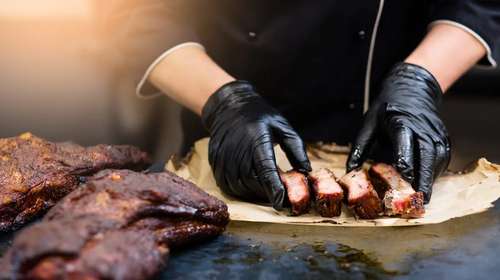
Texas heritage events bring people together to celebrate the history, traditions, and community spirit of the Lone Star State. These events can take many forms, from county fairs and rodeos to cultural festivals, parades, powwows, cook-offs, and town celebrations. While each event has its own purpose and personality, three elements often stand at the center of the experience: food, music, and dance.
These traditions help tell the story of Texas in a way that feels personal and memorable. They connect families to the past, introduce visitors to local culture, and remind communities why their shared history matters.
Food as a Taste of Texas History
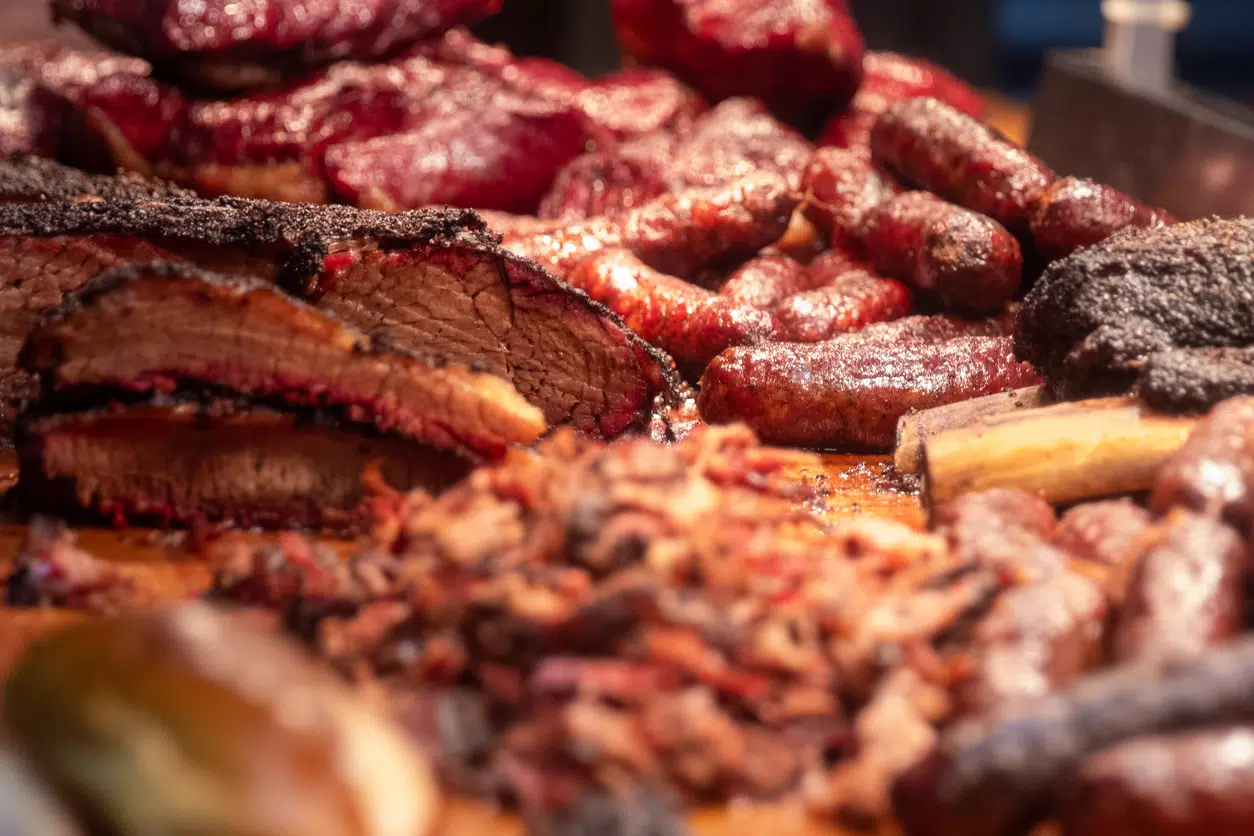
Food plays a major role in Texas heritage events because it reflects the many groups that have shaped the state. Texas food traditions come from Native American communities, Mexican and Tejano culture, German and Czech immigrants, Southern cooking, ranching life, Gulf Coast communities, and many other influences.
At a heritage event, food often does more than fill a plate. It tells a story.
Barbecue, for example, connects to ranching traditions, outdoor gatherings, and regional cooking styles. Brisket, ribs, sausage, and smoked meats are common at festivals and cook-offs because they represent patience, skill, and community pride. In many Texas towns, barbecue competitions are serious local events where families and pitmasters pass down techniques from one generation to the next.
Tex-Mex food also holds a special place in Texas heritage. Dishes such as tamales, enchiladas, tacos, fajitas, and chili con carne reflect the deep Mexican and Tejano roots of the state. These foods are often served at cultural festivals, holiday events, and community celebrations. They remind people that Texas history has always been shaped by borderland culture and shared traditions.
Other communities have left strong food traditions as well. German and Czech festivals often feature sausage, kolaches, pastries, sauerkraut, and traditional breads. Along the Gulf Coast, seafood dishes highlight the importance of fishing communities and coastal life. At Juneteenth celebrations, foods such as barbecue, red drinks, and family-style meals often honor freedom, memory, and Black Texas history.
Food also creates a sense of welcome. A person may attend a festival for the music or parade, but the smell of smoked brisket, fresh tortillas, kettle corn, or festival pastries often becomes part of the memory. Sharing a meal helps people feel connected, even if they come from different backgrounds.
Music as the Sound of Texas Identity
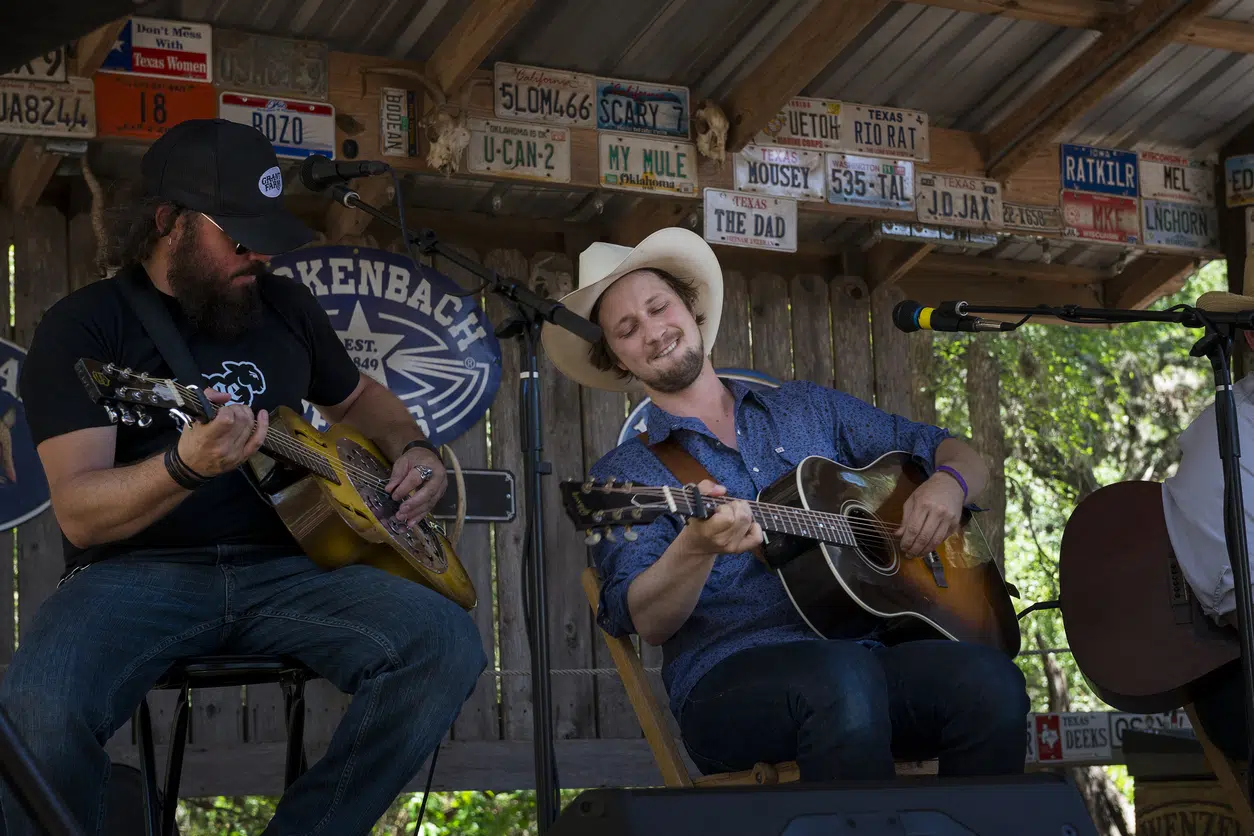
Music gives Texas heritage events energy, emotion, and a strong sense of place. Texas has produced and preserved many musical styles, including country, blues, conjunto, Tejano, western swing, gospel, zydeco, mariachi, and folk music. These sounds often appear side by side at heritage events, showing how varied Texas culture really is.
At rodeos and county fairs, country and western music often set the tone. Songs about ranch life, small towns, love, hardship, and independence speak to themes that many people associate with Texas. Live bands, fiddlers, and singer-songwriters help keep these traditions active.
Tejano and conjunto music are also central to many Texas celebrations. The accordion, bajo sexto, and lively rhythms bring people to their feet at festivals across South Texas and beyond. This music reflects Mexican American history and the cultural blending that has shaped Texas for generations.
Blues and gospel music are important in many heritage events as well, especially those connected to Black history, church communities, and Juneteenth celebrations. These musical forms carry stories of struggle, faith, joy, and resilience. They remind listeners that music has long been a way for communities to express both pain and hope.
German and Czech heritage festivals often include polka bands and traditional folk music. These performances honor immigrant communities that settled in Central Texas and built towns, churches, dance halls, and cultural organizations. In these settings, music helps preserve family history and local pride.
Music also makes heritage events feel alive. A parade becomes more exciting with a marching band. A dance hall feels warmer with a fiddle or accordion. A festival stage gives local performers a chance to share music that might otherwise fade from public memory.
Dance as Living Tradition
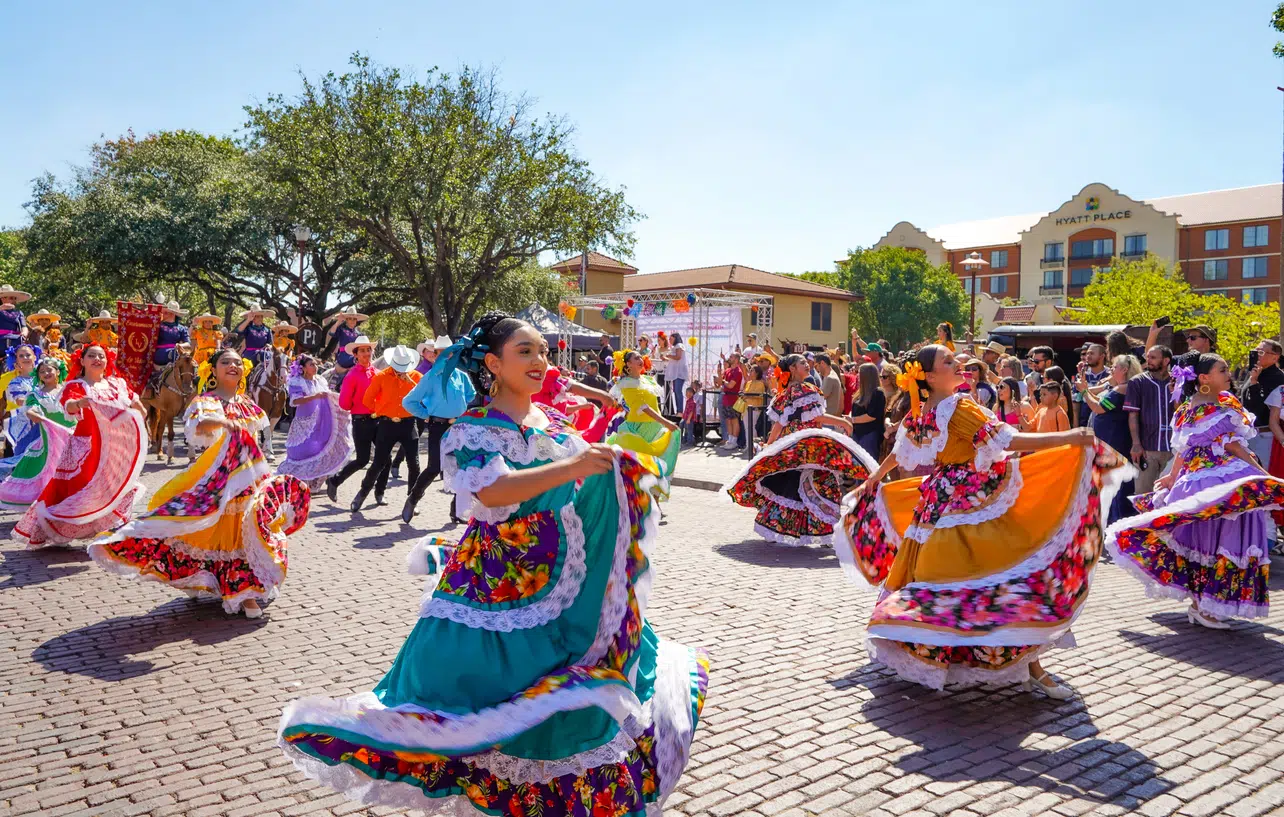
Dance brings movement to Texas heritage events. It turns music into participation and gives people a way to experience culture directly. Instead of only watching history from a distance, people can step into it.
Line dancing, two-stepping, square dancing, and western swing dancing are common at many Texas events. These dances reflect the social life of rural communities, dance halls, and honky-tonks. They also show how music and movement helped people gather, relax, and build friendships.
At Mexican American and Tejano celebrations, folklórico dance is often a highlight. Colorful dresses, precise footwork, and regional styles help tell stories through movement. These performances often teach audiences about identity, pride, and cultural memory. Young dancers who participate in folklórico groups also help carry traditions into the future.
Powwows and Native American cultural events may include traditional dances with deep ceremonial and cultural meaning. These dances are often connected to community, spirituality, respect, and history. They remind audiences that Indigenous cultures remain active and important in Texas.
German, Czech, and Polish heritage events may include polka dancing and folk dance performances. These dances honor immigrant traditions and help communities remember the customs their ancestors brought to Texas.
Dance is especially powerful because it invites participation. People may arrive as visitors, but once they join a dance floor, they become part of the celebration. That shared movement can make heritage feel less like a lesson and more like a lived experience.
How Food, Music, and Dance Work Together
Food, music, and dance often work together at Texas heritage events. Each one adds something different, but together they create a full cultural experience.
Food gives people something to share. Music gives the event its sound and mood. Dance turns that sound into movement and connection.
For example, at a small-town festival, people might eat barbecue, listen to a local country band, and two-step under the lights. At a Tejano celebration, families might enjoy tamales, hear conjunto music, and watch folklórico dancers perform. At a Czech festival, visitors may try kolaches, listen to polka, and join a community dance.
These moments help people understand heritage in a simple and natural way. Instead of reading about culture in a textbook, they taste it, hear it, and move with it.
Passing Traditions to the Next Generation
One of the most important roles of heritage events is education. These gatherings teach younger generations about the people, places, and customs that shaped their communities.
Children may learn a family recipe by helping at a food booth. Teenagers may perform in a dance group. Young musicians may play traditional songs on a festival stage. These experiences help keep cultural knowledge active.
Heritage events also give elders a chance to share stories. A grandparent might explain how a recipe was made at home. A longtime musician might talk about old dance halls. A community leader might describe why a certain celebration matters. These small conversations help preserve history in a personal way.
Traditions survive when people practice them. Food, music, and dance give communities practical ways to keep heritage visible and meaningful.
Bringing Communities Together
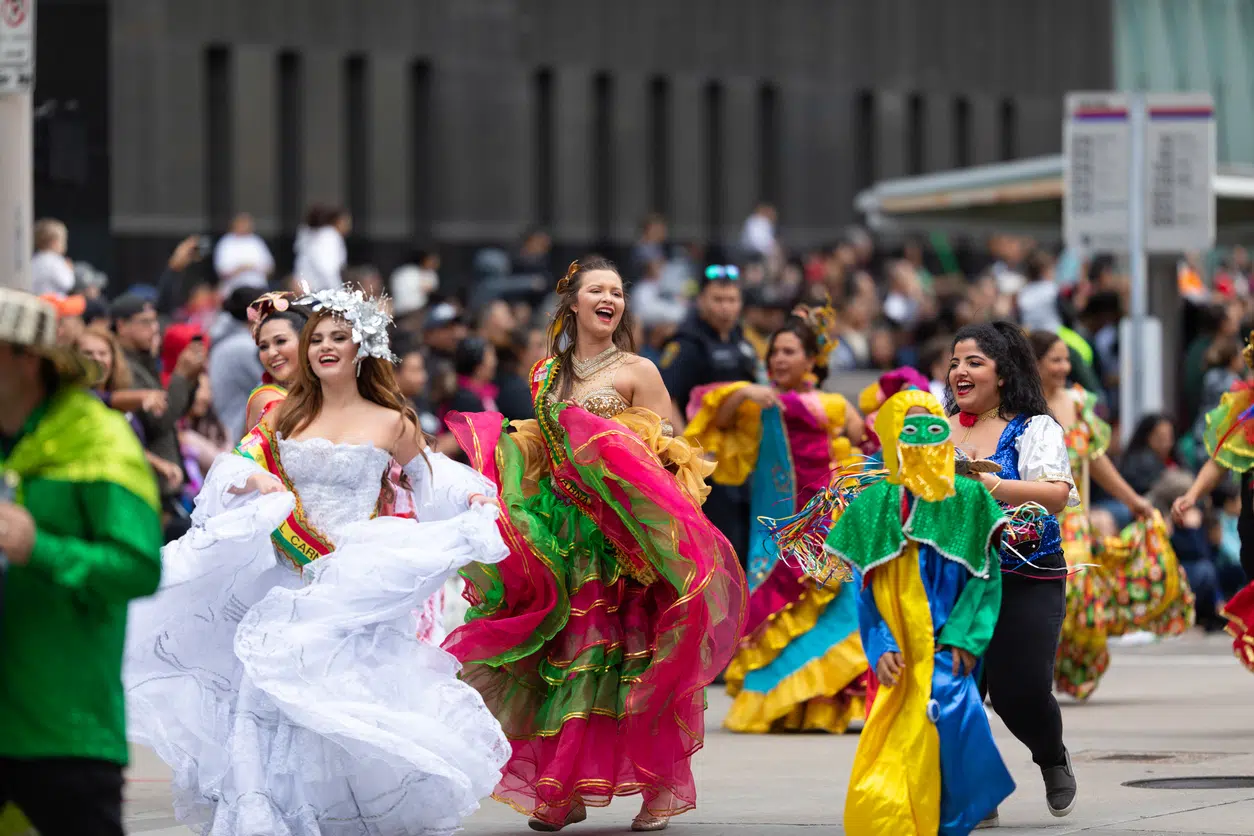
Houston, Texas, USA - November 28, 2019: H-E-B Thanksgiving Day Parade, Women from the Colombian community in houston, wearing traditional clothing dancing during the parade
Texas heritage events also help build community. People from different backgrounds often gather in the same space to celebrate local culture. Visitors may come to learn, while longtime residents may come to reconnect with familiar customs.
These events can create pride in a town, region, or cultural group. They also encourage people to appreciate traditions outside their own background. A person might attend a festival for the food and leave with a better understanding of another community’s history.
That shared experience matters. In a state as large and diverse as Texas, heritage events help people see how many stories belong to the larger Texas identity.
Supporting Local Economies and Cultural Spaces
Food, music, and dance also support local economies. Heritage events often bring visitors to small towns and city neighborhoods. Restaurants, food vendors, musicians, dancers, hotels, artists, and local shops may all benefit.
Many events also help maintain important cultural spaces. Dance halls, fairgrounds, community centers, churches, historic districts, and town squares often serve as gathering places. When people attend heritage events, they help keep these spaces active.
This support can be especially important in smaller communities where festivals are major annual events. A successful celebration can bring attention to local history and encourage people to preserve buildings, records, recipes, and traditions.
Why These Traditions Still Matter
Food, music, and dance remain central to Texas heritage events because they make history feel real. They turn culture into something people can experience with their senses. A song, a family dish, or a traditional dance can carry memory in a way that feels immediate and lasting.
These traditions also remind people that Texas heritage is not one single story. It includes ranching culture, border culture, Indigenous history, immigrant communities, Black history, coastal life, rural traditions, urban creativity, and family customs passed down over time.
Heritage events give all these influences a place to be seen and celebrated. They help communities honor the past while keeping traditions active in the present.
Conclusion
The role of food, music, and dance in Texas heritage events is both practical and meaningful. Food brings people to the table. Music gives each celebration its voice. Dance invites people to join in and feel connected.
Together, these traditions help preserve Texas history in a way that is lively, welcoming, and easy to understand. They teach, entertain, and unite communities across the state.
At their best, Texas heritage events remind people that culture lives through everyday actions: cooking a familiar dish, singing an old song, stepping onto a dance floor, and sharing those moments with others.
Comments (0)
No comments yet. Be the first to share your thoughts.
Leave a comment