


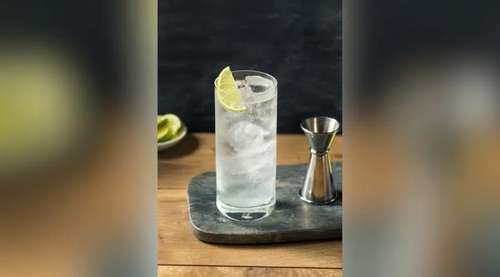
Few drinks have become as closely associated with modern Texas as Ranch Water. Walk into a Tex-Mex restaurant, neighborhood bar, or outdoor music venue almost anywhere in the state, and there's a good chance you'll find it on the cocktail menu. Its recipe couldn't be much simpler—blanco tequila, fresh lime juice, and sparkling mineral water—but its popularity has made it one of Texas' signature drinks.
Despite that popularity, Ranch Water has a surprisingly mysterious history. Unlike famous cocktails such as the Old Fashioned, Martini, or Manhattan, there is no official recipe book, bartender, or hotel that can claim credit for inventing it. Instead, its story has been passed along through local tradition, longtime West Texans, and decades of casual conversation.
That uncertainty actually makes Ranch Water feel even more Texan. Rather than being created as a commercial product, it appears to have grown naturally out of the landscape, climate, and lifestyle of West Texas before spreading across the rest of the state.
Most Roads Lead to West Texas
Although Ranch Water is deeply associated with West Texas, its exact origin remains the subject of debate. Nearly every account traces the drink's roots to the ranching communities around Marfa, Alpine, Fort Davis, and Marathon, where simple tequila-and-mineral-water drinks had long been part of the local drinking culture before Ranch Water became widely known.
The region's hot, dry climate naturally encouraged lighter, more refreshing cocktails than heavier mixed drinks. Whether enjoyed after a day on the ranch, a hunting trip, or an evening with friends, tequila mixed with fresh lime and sparkling mineral water gradually became a familiar combination throughout West Texas.
Rather than appearing all at once, Ranch Water seems to have grown out of the region's everyday lifestyle. That close connection to West Texas remains one of the reasons the cocktail continues to be viewed as an unofficial drink of the region.
Why Marfa Became Part of the Story
If one Texas town is most closely associated with Ranch Water, it's Marfa.
Originally established as a railroad water stop in the 1880s, Marfa later became known for ranching, the mysterious Marfa Lights, minimalist art, and its unique desert culture. As tourism grew during the late 1990s and early 2000s, many visitors encountered Ranch Water for the first time while exploring the town and surrounding West Texas communities.
Nearby destinations also helped strengthen that reputation. The White Buffalo Bar at the historic Gage Hotel in Marathon became one of several places where travelers discovered the cocktail, helping spread its popularity beyond West Texas.
Today, many visitors assume Ranch Water was invented in Marfa itself. The reality is more nuanced. While there is no documented evidence that a specific Marfa bar or bartender created the drink, the town played an important role in introducing Ranch Water to visitors who later carried the tradition home, making Marfa one of the places most closely identified with the cocktail.
Was There One Inventor?
One of the biggest questions surrounding Ranch Water is whether it was invented by a single person or developed gradually over time.
Many Texans view Ranch Water as a regional folk cocktail that evolved naturally across West Texas, where tequila, fresh lime, and sparkling mineral water were already common ingredients. According to this view, no single individual can claim ownership because similar drinks were likely being mixed by ranchers, hunters, and local residents long before the cocktail became famous.
Another widely discussed story centers on Kevin Williamson, founder of Austin's Ranch 616 restaurant. Williamson maintained that he introduced Ranch Water to his restaurant's menu when it opened in 1999, adapting a simple tequila drink he had enjoyed during hunting trips in West Texas. His version helped introduce the cocktail to a much wider audience and played a major role in its statewide popularity.
These two stories don't necessarily contradict one another. Simple tequila-and-sparkling-water drinks almost certainly existed in West Texas before Ranch Water appeared on restaurant menus. What Williamson undeniably contributed was giving the cocktail a prominent place in Austin's dining scene, helping transform a regional favorite into one of Texas' best-known drinks.
The Name Reflects Ranch Country
The name "Ranch Water" immediately brings to mind the landscapes of West Texas—wide-open skies, working ranches, and a straightforward way of life.
Although the exact origin of the name isn't documented, it almost certainly reflects the cocktail's close association with ranch country rather than any literal connection to water found on ranches. The name captures the drink's practical character and the region where it became most closely identified.
That simplicity also defines the cocktail itself. Ranch Water requires no elaborate preparation, specialty equipment, or lengthy ingredient list. Made with quality tequila, fresh lime, and sparkling mineral water, it perfectly reflects the uncomplicated approach that has made it a Texas favorite for decades.
Topo Chico Became the Drink's Signature Ingredient
Source: losalebrijesrestaurant
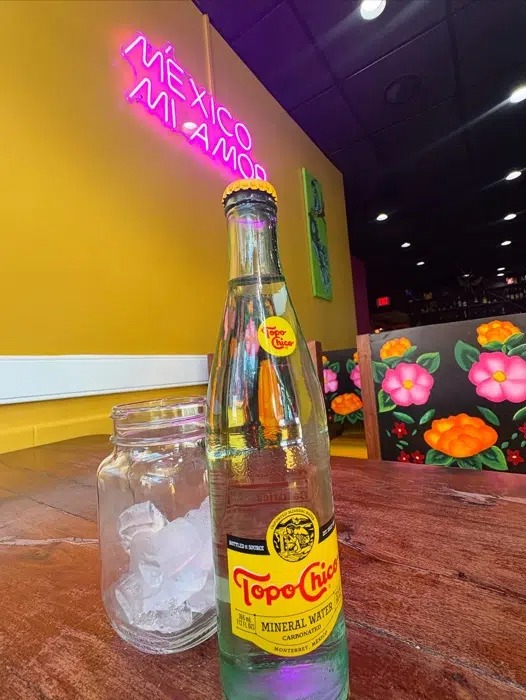
One ingredient deserves its own chapter in the story: Topo Chico. Bottled in Monterrey, Nuevo León, since the late nineteenth century, Topo Chico has long been popular throughout Texas because of the state's close ties with northern Mexico. Generations of Texans grew up drinking it well before sparkling mineral water became fashionable elsewhere in the United States.
Its strong carbonation and distinctive mineral profile turned out to be an ideal match for tequila. As Ranch Water spread, many Texans came to believe that Topo Chico wasn't simply one option—it was the essential ingredient that completed the drink.
Some bartenders even prepare Ranch Water by pouring a little mineral water from the bottle, adding tequila and fresh lime juice directly into it, then serving the bottle itself over ice. That presentation has become almost as iconic as the cocktail.
Although other sparkling waters certainly work, Topo Chico remains the version most closely connected to Ranch Water's history.
A Drink Built for the Texas Climate
One reason Ranch Water became so popular is that it perfectly suits the environment where it originated. West Texas summers are famously hot and dry. Temperatures regularly climb well into the 90s or higher, and the desert climate makes hydration feel almost as important as refreshment.
Compared with sweeter cocktails, Ranch Water feels remarkably light. Fresh lime provides acidity rather than sugar, sparkling mineral water keeps the drink crisp, and blanco tequila delivers clean agave flavor without becoming overpowering. The result is a cocktail that's refreshing enough for warm afternoons while still tasting distinctly like tequila.
It's easy to understand why people working outdoors or relaxing after a long day would reach for this combination.
Simplicity Helped It Spread
Another reason Ranch Water became so successful is that anyone could make it. Unlike cocktails requiring multiple liqueurs, syrups, bitters, or specialized bar tools, Ranch Water depends on just three core ingredients. As long as someone had tequila, fresh limes, and mineral water, they already had everything they needed.
That simplicity encouraged people to share the recipe. Visitors returning from West Texas introduced Ranch Water to friends elsewhere in the state. Bartenders began mixing it at neighborhood restaurants. Home cooks added it to backyard gatherings and cookouts.
Without advertising campaigns or celebrity endorsements, the drink quietly expanded from one community to another.
It Stayed a Regional Favorite for Decades
Interestingly, Ranch Water wasn't always widely known outside Texas.
For many years, it remained primarily a regional drink enjoyed throughout West Texas and neighboring communities. While margaritas became internationally famous, Ranch Water stayed relatively local, rarely appearing in national cocktail books or restaurant chains.
That began changing during the early 2000s. As tourism increased in Marfa and West Texas attracted artists, photographers, musicians, and travelers from around the country, more visitors discovered Ranch Water for the first time. They returned home talking about the refreshing tequila cocktail they'd enjoyed in the desert, and restaurants elsewhere began taking notice.
Before long, the drink had spread to Austin, Dallas, Houston, San Antonio, and beyond.
Texas Restaurants Helped Make Ranch Water Famous
As Ranch Water spread beyond West Texas, restaurants across the state recognized that it fit naturally alongside Texas cuisine.
Tex-Mex restaurants were among the first to embrace the cocktail. Its bright citrus flavor, crisp finish, and light carbonation paired especially well with fajitas, tacos, enchiladas, grilled meats, and spicy salsas. Unlike frozen margaritas or sweeter tequila drinks, Ranch Water refreshed the palate without competing with bold flavors on the plate.
Today, it's difficult to find a serious tequila bar or modern Tex-Mex restaurant in Texas that doesn't offer some version of Ranch Water.
In Austin, restaurants such as Matt's El Rancho, Guero's Taco Bar, and Mattie's helped introduce the drink to visitors from around the country. In Dallas, establishments like José and Meso Maya made it a staple alongside their tequila selections.
Houston followed suit with longtime favorites including The Original Ninfa's on Navigation and El Tiempo Cantina, while Joe T. Garcia's in Fort Worth became another well-known destination where diners often pair classic Tex-Mex dishes with Ranch Water.
Although these restaurants didn't invent the cocktail, they played a significant role in transforming it from a regional favorite into a statewide tradition.
The Canned Ranch Water Boom
Ranch Water's popularity eventually reached a point where it moved beyond restaurant menus.
Recognizing the drink's appeal, several companies introduced ready-to-drink canned versions that made Ranch Water easier to enjoy at parks, concerts, lakes, and backyard gatherings. One of the best-known producers is Ranch Rider Spirits Co., an Austin-based company that helped popularize canned Ranch Water nationwide using real tequila and sparkling water.
Other brands soon entered the market, producing their own interpretations while staying close to the drink's traditional flavor profile.
These canned cocktails introduced Ranch Water to consumers who had never visited Texas, helping the drink earn national recognition. Today, it's common to find Ranch Water on store shelves across the United States, something that would have been difficult to imagine just a couple of decades ago.
Common Myths About Ranch Water
As Ranch Water has become more famous, a few misconceptions have developed around its history.
One of the biggest myths is that Marfa can definitively claim to be the birthplace of Ranch Water. While Marfa is strongly associated with the drink and helped popularize it, there is no documented evidence proving that a particular bar, bartender, or restaurant invented it there. Most historians believe the cocktail evolved throughout the broader West Texas ranching region rather than originating at one specific location.
Another misconception is that Ranch Water is simply a watered-down margarita.
The two drinks certainly share tequila and lime, but a traditional margarita also includes orange liqueur such as Triple Sec or Cointreau. Ranch Water intentionally leaves out those ingredients, creating a lighter, drier cocktail that highlights the tequila rather than masking it with sweetness.
Some people also assume any sparkling water will produce an authentic Ranch Water.
While that's certainly possible, many Texans argue that Topo Chico is part of the drink's identity because of its long history in Texas and distinctive mineral profile.
Where to Try Ranch Water in Texas
If you want to experience Ranch Water where it has become part of Texas culture, these are some of the best places to start:
- Visit Marfa for the drink's West Texas roots. Marfa is most closely associated with Ranch Water's history, making it an ideal place to enjoy one while exploring downtown galleries, visiting the historic Hotel Paisano, or heading out to see the Marfa Lights.
- Explore nearby Alpine and Fort Davis. These neighboring West Texas communities have long embraced Ranch Water as part of their local dining and ranching culture, offering an authentic regional experience.
- Try classic Austin restaurants. Matt's El Rancho and Guero's Taco Bar are longtime favorites where Ranch Water pairs naturally with Tex-Mex classics.
- Experience Houston's Tex-Mex institutions. The Original Ninfa's on Navigation and El Tiempo Cantina both serve well-crafted Ranch Water alongside some of the city's best-known Mexican and Tex-Mex dishes.
- Stop by respected Dallas and Fort Worth destinations. In Dallas, José is known for its tequila program and excellent Ranch Water, while Joe T. Garcia's in Fort Worth remains one of the state's most iconic places to enjoy the cocktail with classic Tex-Mex fare.
- Expect slight variations from place to place. Every restaurant has its own style, but each offers an opportunity to experience why Ranch Water has become one of Texas' signature cocktails.
Comments (0)
No comments yet. Be the first to share your thoughts.
Leave a comment