


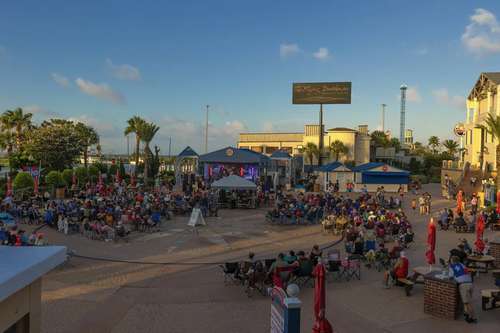
Texas is famous for big cities, wide highways, ranch country, and Friday night football. Yet some of the state’s most memorable traditions happen far from the biggest crowds. Across Texas, small towns celebrate local history, food, music, agriculture, and community pride through festivals that feel deeply personal.
These events often began with a simple idea. A town wanted to honor a local crop. A community wanted to preserve its heritage. A chamber of commerce wanted to bring people downtown. Over time, many of these gatherings grew into beloved annual traditions.
Small-town festivals in Texas are distinctive because they reflect the personality of the place hosting them. Some are quirky. Some are historic. Some are centered around food, music, rodeo, or local legends. Together, they show how much variety exists across the state.
Food Festivals That Celebrate Local Flavor

Food festivals are among the most popular small-town events in Texas. That makes sense in a state where regional flavor is part of everyday identity.
Many Texas towns build festivals around one signature food. These events can focus on barbecue, chili, kolaches, peaches, strawberries, watermelons, tamales, pecans, or sausage. The food itself becomes a symbol of the town’s history, economy, or cultural roots.
For example, some Central Texas communities celebrate Czech and German baking traditions with kolache festivals. Other towns honor local farms through peach or watermelon festivals. In South Texas, tamale festivals often highlight family recipes, regional cooking styles, and community traditions passed down through generations.
Food festivals usually offer more than meals. Visitors may find cooking contests, recipe demonstrations, parades, live music, arts and crafts, and vendor booths. These events turn local flavor into a full-day experience.
They also support small businesses. Local restaurants, bakers, farmers, and food vendors often benefit from the extra visitors. For many towns, a food festival is both a celebration and an economic boost.
Agricultural Festivals Rooted in Texas Farming
Agriculture has shaped Texas for generations, so it is no surprise that many small towns hold festivals tied to crops, livestock, and rural life.
These festivals often reflect what grows best in a region. A town surrounded by orchards may celebrate peaches. A farming community may honor cotton, rice, peanuts, pumpkins, or corn. In ranching areas, festivals may include livestock shows, rodeo events, or demonstrations of cowboy skills.
Agricultural festivals help visitors understand where food and fiber come from. They also give local farmers and ranchers a public place to share their work. For younger visitors, these events can be an introduction to rural traditions they may not see every day.
Many agricultural festivals include:
- Produce contests
- Farm equipment displays
- Livestock exhibits
- Hayrides or tractor events
- Youth competitions through 4-H or FFA
- Local market booths
These festivals preserve a strong connection between Texas towns and the land around them. They also remind visitors that agriculture remains a major part of the state’s identity.
Heritage Festivals That Honor Cultural Roots
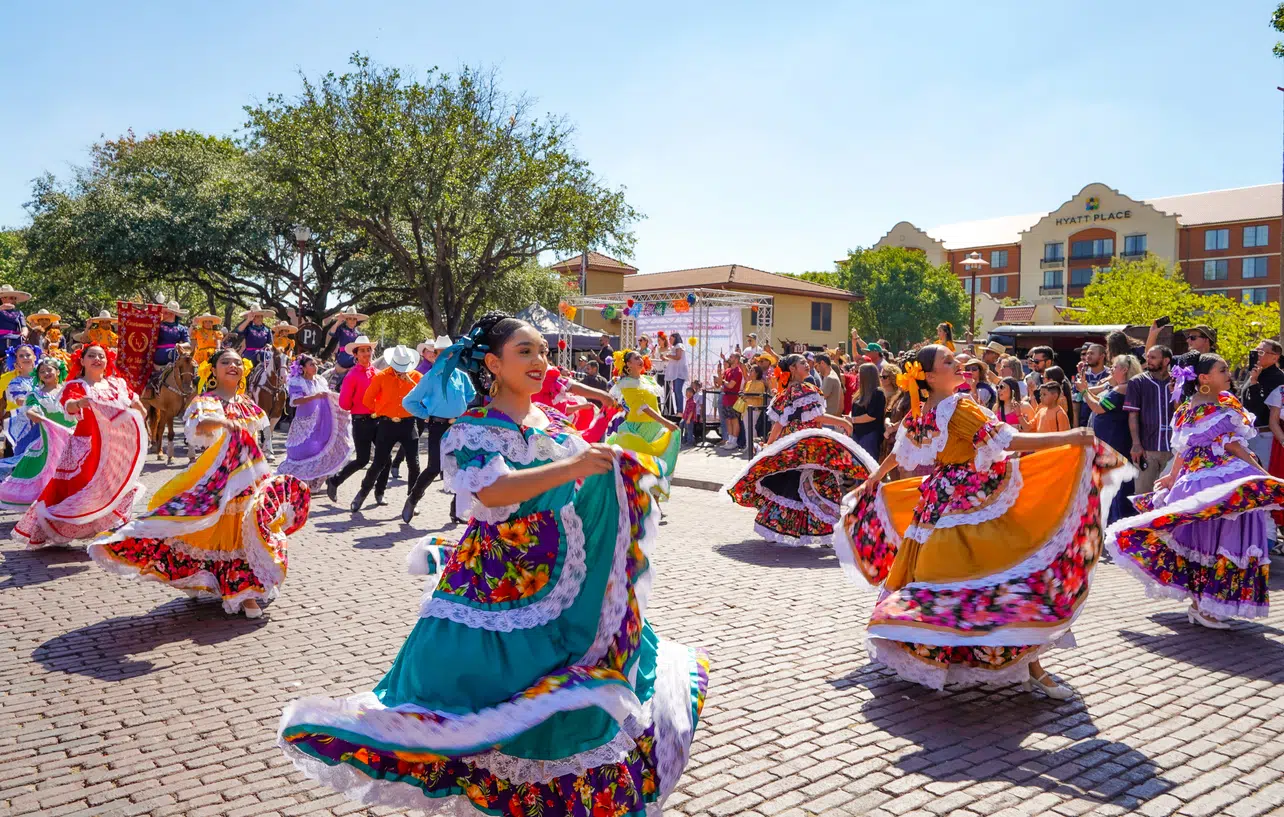
Texas has been shaped by many cultures, and small-town festivals often keep those traditions alive.
German, Czech, Polish, Mexican, African American, Irish, Scottish, and Native American influences can all be found in festivals across the state. These events may feature traditional music, folk dancing, historic clothing, religious customs, language, food, and crafts.
Heritage festivals are especially important because they connect present-day communities with earlier generations. A town may celebrate the immigrants who helped build it. Another may honor a historic neighborhood, a cultural tradition, or a founding family.
In Central Texas, German and Czech heritage festivals are common because many settlers from those regions established communities there in the 1800s. In South Texas, festivals often reflect Mexican and Tejano traditions. In East Texas, some events highlight African American history, gospel music, Juneteenth traditions, and regional storytelling.
These festivals are educational without feeling like a classroom. Visitors learn through music, food, exhibits, and conversations. That makes heritage festivals one of the most meaningful types of small-town celebrations in Texas.
Rodeo and Cowboy Culture Festivals
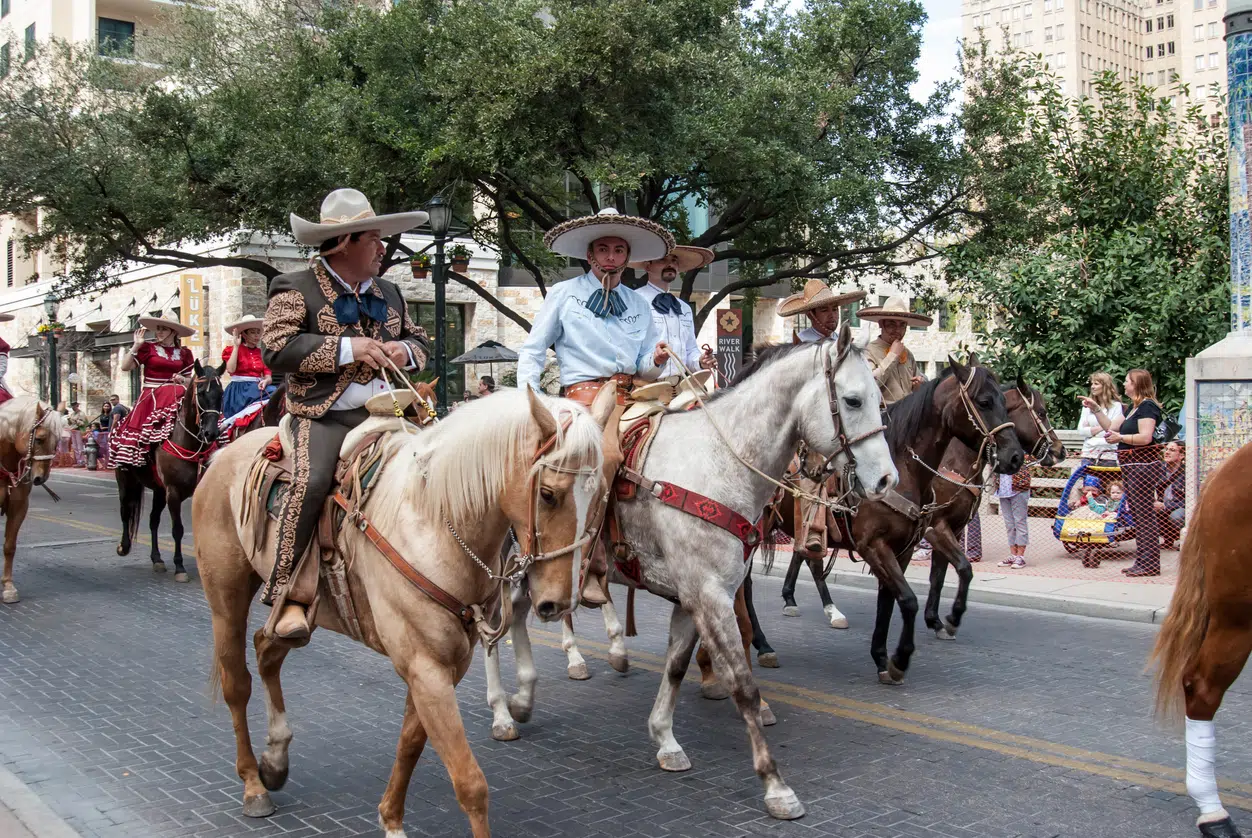
Rodeo events and cowboy-themed festivals have a natural home in Texas. While large rodeos in major cities get national attention, small-town rodeos often offer a closer look at local ranching culture.
These festivals may include bull riding, barrel racing, calf roping, team roping, mutton bustin’, trail rides, western parades, and country dances. Many also feature rodeo queens, livestock shows, barbecue cook-offs, and western vendors.
Small-town rodeo festivals are distinctive because they often feel closely tied to real working ranch communities. Visitors are not only watching a performance. They are seeing skills connected to ranch history and rural life.
For many families, these festivals are annual traditions. Children compete in youth events. Local businesses sponsor prizes. Neighbors gather in the stands. The rodeo arena becomes a community meeting place.
These festivals also help preserve cowboy culture in a modern state that is increasingly urban. They show how ranching traditions continue to influence Texas clothing, music, language, food, and local pride.
Music Festivals With a Local Sound
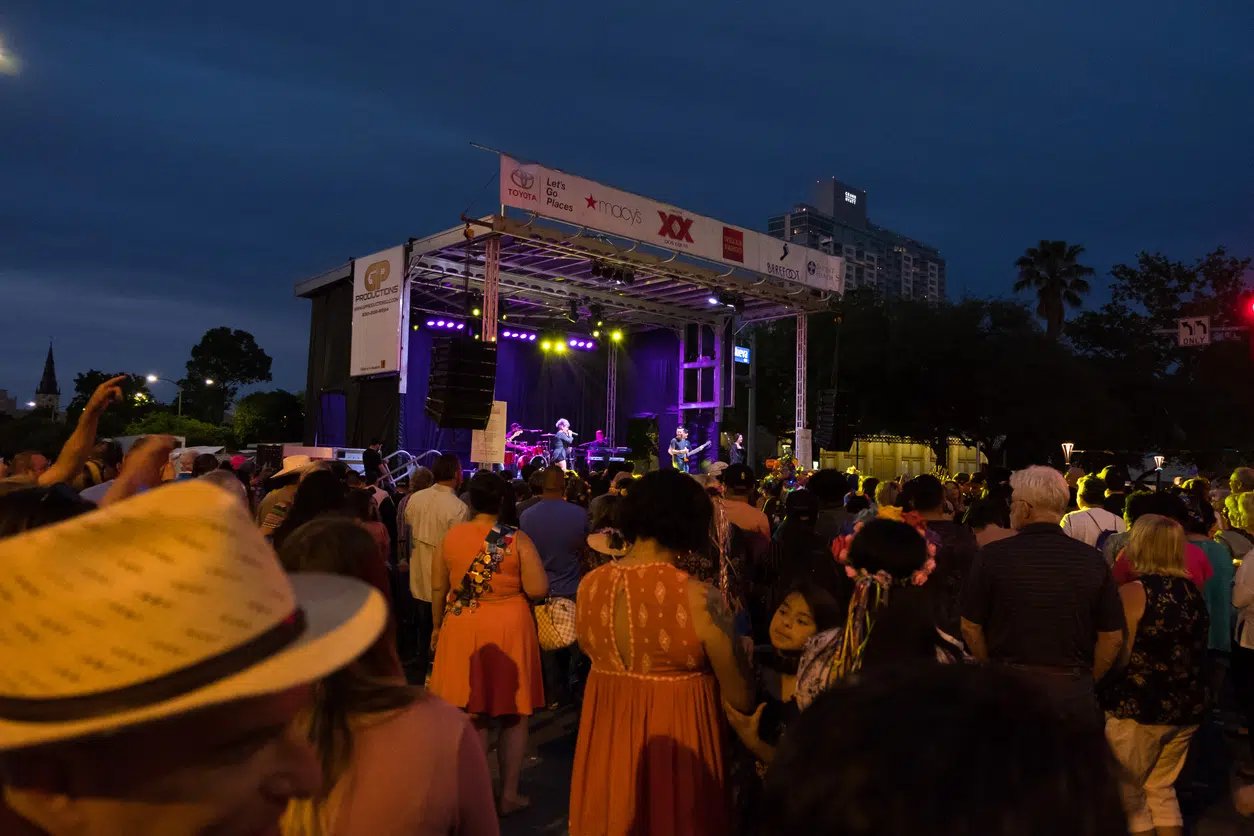
Texas has a deep musical history, and small towns play a major role in keeping that history alive. While major music festivals often focus on large touring acts, small-town music festivals usually feel more connected to local and regional performers.
These festivals may focus on country, blues, conjunto, Tejano, gospel, western swing, folk, or rock. Some celebrate a famous musician from the area. Others highlight a regional style that has shaped local culture.
Music festivals often take place around courthouse squares, parks, dance halls, fairgrounds, or historic theaters. The setting matters. A band playing under the lights in a town square can give a festival a warm, community-centered feeling.
Texas dance halls also add something special. In smaller communities, music festivals sometimes connect with old dance hall culture, where live bands, two-stepping, and family gatherings have been part of local life for decades.
These events help local musicians reach new audiences. They also give visitors a chance to experience Texas music in places where it still feels close to its roots.
Historical Festivals and Founders’ Day Events
Many Texas towns use festivals to tell their own story. These historical events may celebrate a town’s founding, a courthouse anniversary, a railroad connection, a military event, or a major moment in local history.
Founders’ Day festivals are common across the state. They often include parades, historical exhibits, walking tours, reenactments, antique displays, local speakers, and family activities. Some towns also open historic buildings to visitors during the festival.
These events help preserve local memory. A small town’s history can be easy to overlook, especially when it is not part of a larger state or national story. Festivals give communities a way to protect and share that history.
Historical festivals are also useful for visitors. They offer a relaxed way to learn about settlement patterns, architecture, railroads, ranching, farming, and early business life in Texas.
A good historical festival makes the past feel close. It shows how earlier generations shaped the streets, buildings, traditions, and values of a town.
Quirky Festivals Built Around Local Personality
Some of the most memorable small-town festivals in Texas are the unusual ones. These events may celebrate a strange local legend, an unexpected mascot, a funny contest, or a playful claim to fame.
Quirky festivals are a reminder that Texas towns enjoy having fun with their own identity. A community might build an event around armadillos, mosquitoes, outhouses, rattlesnakes, aliens, goats, or a humorous local tradition. The point is not always serious history. Sometimes the goal is simply to create a festival people will remember.
These festivals often include odd contests, costume events, themed parades, unusual races, and novelty souvenirs. They attract visitors because they offer something different from a standard fair or market day.
The best quirky festivals still feel authentic. They work because the community embraces the theme. Local volunteers, schools, businesses, and civic groups all join in, which gives the event a genuine small-town spirit.
In a state as large as Texas, these offbeat festivals help towns stand out. They also prove that community pride does not always need to be formal. Sometimes it can be funny, colorful, and completely unexpected.
County Fairs and Community Homecomings
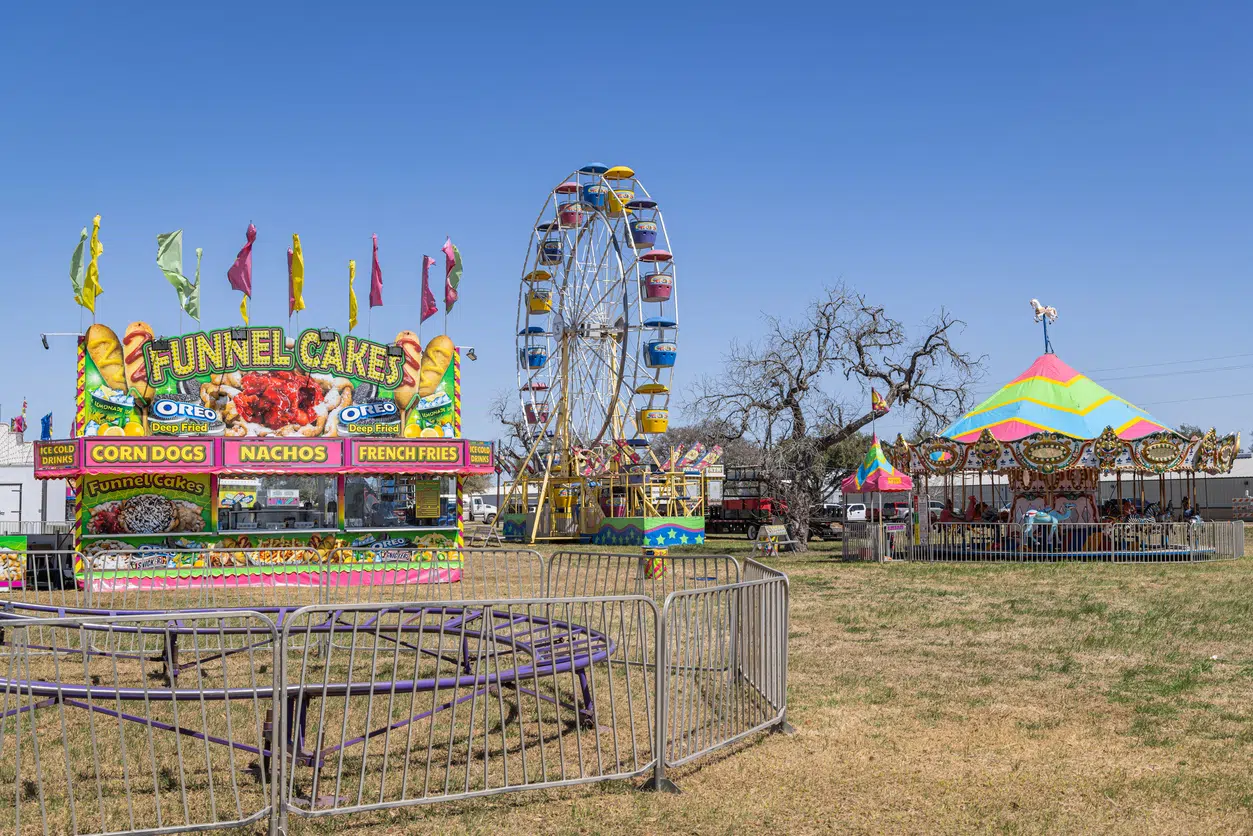
County fairs are classic small-town Texas events. They combine agriculture, entertainment, youth competitions, food, rides, and community gatherings in one place.
Many county fairs include livestock shows, baking contests, art displays, carnival rides, pageants, music, and rodeo events. They often serve as homecoming weekends, bringing former residents back to town.
For students involved in 4-H and FFA, county fairs can be especially important. These events give young people a chance to show animals, present projects, and earn recognition for months of work.
County fairs also bring different generations together. Grandparents watch grandchildren compete. Local businesses sponsor booths. Schools, churches, and civic clubs participate. The fairground becomes a shared community space.
These festivals may not always be flashy, but they are some of the strongest examples of small-town life in Texas. They show how local pride is built through participation.
Holiday Festivals With a Texas Twist
Small towns across Texas also host holiday festivals throughout the year. Christmas markets, Fourth of July celebrations, Veterans Day events, fall festivals, Easter events, and Halloween gatherings all take on local character.
A small-town Christmas festival may include a courthouse lighting, night parade, craft market, choir performance, and visits with Santa. A Fourth of July celebration may feature a pancake breakfast, patriotic parade, barbecue lunch, live music, and fireworks over a local park.
Fall festivals are especially popular because the weather is often cooler. These events may include pumpkin patches, scarecrow contests, hayrides, school fundraisers, and seasonal food booths.
Holiday festivals are distinctive because they combine familiar traditions with local customs. Each town adds its own setting, schedule, food, and community groups. That makes even a common holiday feel personal.
For visitors, these festivals offer a slower and friendlier way to enjoy the season. They are often less crowded than major city events and easier for families to navigate.
Arts, Crafts, and Main Street Festivals
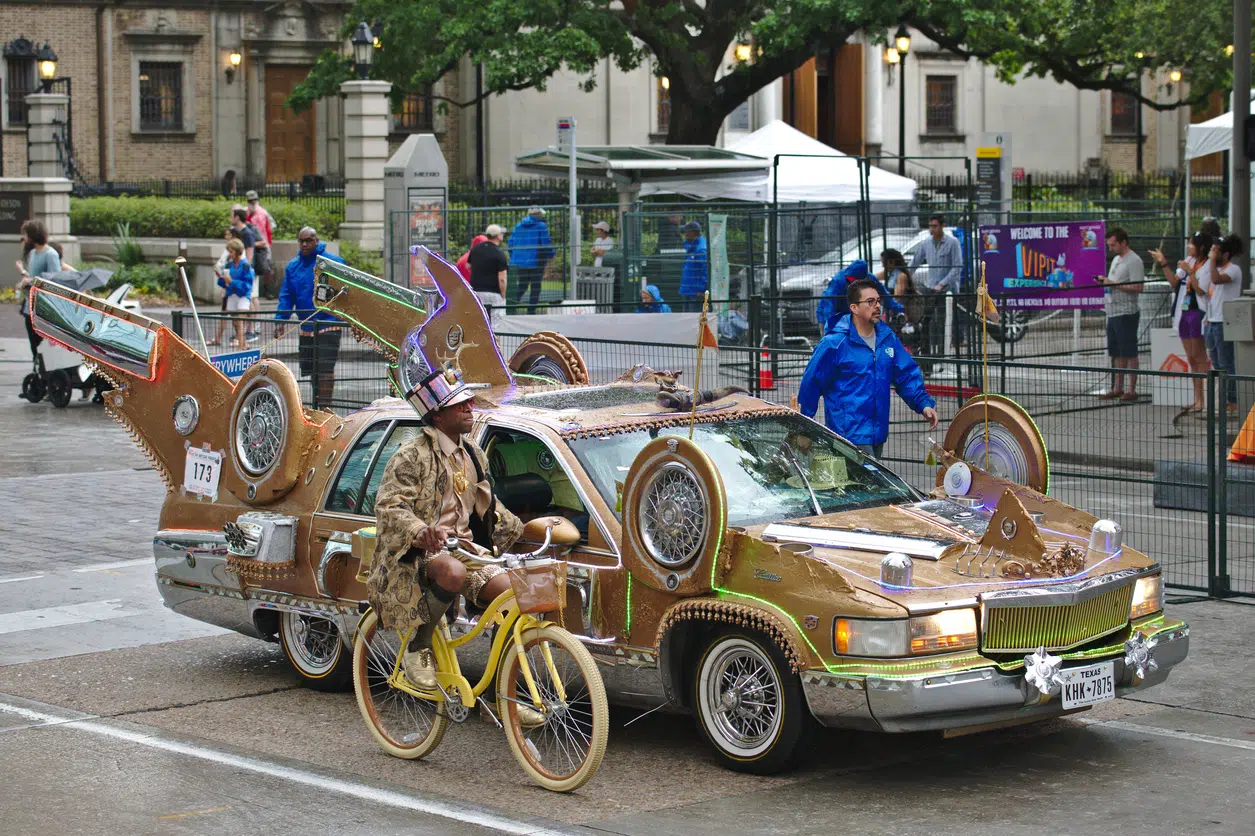
Many small towns use festivals to bring people into historic downtown areas. Main Street festivals often focus on arts, crafts, antiques, boutique shopping, food trucks, live music, and local businesses.
These events help preserve downtown districts by encouraging people to shop local. They also give artists, makers, and small vendors a place to sell handmade goods.
A typical Main Street festival may include booths along the courthouse square, sidewalk sales, children’s activities, street performers, and local food vendors. Historic buildings often provide a scenic backdrop.
Arts and crafts festivals are especially helpful for towns that want to promote tourism without losing their local feel. Visitors can enjoy a relaxed day while supporting small businesses and creative workers.
These festivals also show how small towns adapt. A downtown that once depended on banks, hardware stores, and feed shops may now include cafes, galleries, antique stores, and boutiques. Festivals help connect the old town center with new economic life.
Why Small-Town Festivals Matter in Texas
Small-town festivals do more than entertain. They preserve identity, support local economies, and strengthen community ties.
For residents, festivals create shared memories. They give people a reason to volunteer, decorate, cook, perform, compete, and welcome visitors. For young people, they offer a direct connection to local traditions. For older generations, they help keep familiar customs alive.
For visitors, these festivals offer a fuller picture of Texas. They show that the state is not defined by one culture, one landscape, or one way of life. East Texas, West Texas, Central Texas, the Hill Country, the Panhandle, the Gulf Coast, and South Texas all bring different flavors and traditions to the festival calendar.
Small-town festivals also help keep local history visible. Without these events, many stories might stay hidden in archives, family photo albums, or old newspaper clippings. A festival brings those stories into public life.
Final Thoughts
The most distinctive small-town festivals in Texas are rooted in place. A food festival tells a story about local taste. A heritage festival protects cultural memory. A rodeo keeps ranch traditions alive. A quirky festival shows a town’s sense of humor. A county fair gathers generations around shared effort and pride.
That variety is what makes these festivals worth exploring. They are friendly, educational, and often surprisingly memorable.
In a state known for size, small-town festivals prove that some of the best Texas experiences happen on courthouse squares, fairgrounds, farm roads, dance floors, and shaded Main Streets. They invite visitors to slow down, look around, and see what makes each town different.
Comments (0)
No comments yet. Be the first to share your thoughts.
Leave a comment