


Homeowners across Texas face a unique mix of climate, lifestyle, and design challenges. The state covers a huge range of temperatures, landscapes, and architectural styles. Folks in the Panhandle deal with wind and cold snaps. Families in the Hill Country balance limestone soil and rapid growth. Coastal residents prepare for humidity and storms. People around Dallas, Houston, Austin, and San Antonio want comfort, efficiency, and space that fits today’s way of living.
Because of these differences, remodeling in Texas takes more planning than many people expect. You need materials that stand up to heat. You need layouts that support busy households. You need energy systems that can keep up with long summers. You also need solutions that match the look and feel of a Texas home, whether you live on a ranch, in a suburban neighborhood, or in a downtown condo.
This guide walks you through the most important parts of remodeling in Texas. It explains how to design for heat, how to make the most of your space, and how to choose updates that improve modern living. The goal is to help you make smart decisions, avoid surprises, and enjoy a home that works well in any season.
Understanding Texas Climate and Why It Matters for Remodeling
Texas weather is different from most of the country. Before starting any renovation, it helps to understand how the climate affects materials, comfort, and long-term value.
1. Long and Intense Heat
Most regions in Texas deal with hot temperatures for a big part of the year. The sun can be harsh, and many homes struggle to stay cool. That is why heat-resistant materials matter so much during a remodel. Roofing, windows, paint, insulation, and flooring should all be chosen with heat in mind. If not, a home can become uncomfortable fast.
2. Sudden Weather Changes
A cold front can roll in out of nowhere. Storms can shift quickly. High winds can cause damage if materials or structures are not strong enough. Remodelers in Texas pay close attention to impact ratings, roof fasteners, and how well a home is sealed. Even if a storm does not hit your area often, good preparation gives peace of mind.
3. Humidity and Moisture
Humidity affects more than comfort. It can cause mold, swelling wood, peeling paint, and musty odors. Coastal areas deal with this every day. Homes in central and east Texas feel it a good part of the year too, especially during spring and summer. When remodeling, it helps to choose moisture-resistant products and proper ventilation systems.
4. Soil and Foundation Challenges
Texas has clay-rich soil in many regions. That soil expands when wet and contracts when dry, which can shift a foundation over time. This movement affects flooring, walls, plumbing, and concrete pads. A remodel often includes foundation inspection, drainage adjustments, or soil stabilization to prevent future issues.
Planning a Remodel That Works for Texas Homes
A successful project starts long before the first hammer hits a nail. Good planning saves money, time, and stress.
1. Set Clear Goals From the Start
Think about how you want your home to feel and function. Are you looking for more space? Better cooling? A fresh look? A more open layout? Knowing your purpose helps guide every decision.
Some homeowners focus on energy efficiency. Others want room for a growing family. Some want their kitchen to fit a Texan-style cooking setup with more counter space and better ventilation. Make a list of priorities so you stay on track.
2. Create a Realistic Budget
Remodeling in Texas has a wide price range. Costs depend on city, materials, labor, and how complex the project is. Setting a budget early makes choices easier. Try to include a small buffer for surprises. Older homes, in particular, often need plumbing, electrical, or structural updates once the walls open up.
3. Work With a Local Contractor
Texas has specific building codes, weather conditions, and soil concerns. Local contractors understand these factors and know the best methods for the region. They also know what materials last, which permits you need, and what seasonal challenges to expect.
4. Plan for the Weather
Summer remodeling can be uncomfortable for crews and may slow the project. Winter can bring unexpected freezes. Spring often has rain. Many Texans choose early fall for major renovations because the weather is more stable. If indoor comfort is a concern, schedule heating and cooling upgrades first.
Renovations Designed for Texas Heat
Heat is one of the biggest reasons Texans remodel their homes. Even newer houses can struggle with cooling demand. These upgrades help keep your space comfortable while lowering energy use.
1. Better Insulation
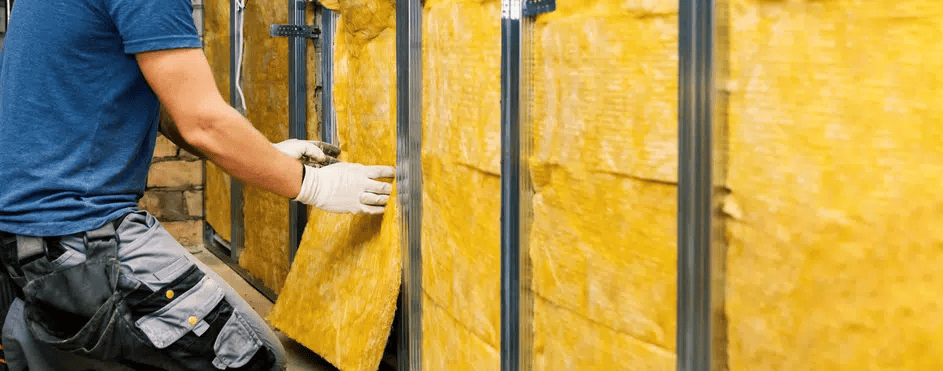
Insulation is a top priority in any Texas remodel. Older homes often have thin or outdated insulation that lets cool air escape. New insulation keeps your home comfortable and reduces strain on your HVAC system.
Common options include:
- Spray foam, which seals cracks and gaps.
- Fiberglass batt insulation, which is budget-friendly.
- Blown-in cellulose, which works well for attics and wall cavities.
Spray foam is popular because it helps control humidity and reduces air leaks. A well-insulated attic can make a big difference in cooling bills.
2. High-Performance Windows
The sun can heat a room fast. That is why many Texans replace old windows with energy-efficient ones. Look for features like low-E glass, double panes, or tinted coatings. These reduce heat transfer without blocking natural light.
In some regions, impact-resistant windows also make sense. They add strength during storms and have better insulation qualities.
3. Reflective and Durable Roofing
A hot roof can raise indoor temperatures by several degrees. Reflective shingles or metal roofing help bounce heat away. Lighter colors perform better than darker ones. Metal roofs have become common across Texas because they last long, resist heat, and handle storms better than standard shingles.
Roof ventilation is also important. Proper vents remove trapped heat from the attic, keeping rooms below cooler.
4. Cool Exterior Paints and Finishes
Some exterior paints are designed for hot climates. They reflect sunlight and resist fading. Stucco, fiber-cement siding, and stone veneers also perform well in heat. Many homeowners blend stone with fiber-cement boards for a classic Texas look that stays sturdy through the years.
Making Space Work for Texas Living
Texas homes often focus on space, comfort, and the ability to host family and friends. Whether your home is big or modest, smart design can make it function better.
1. Open Layouts With Purpose
Open floor plans are common across Texas. They allow air to circulate and create a welcoming feel. If you want an open design, think about how people move through the space. Removing walls, widening doorways, or updating lighting can make the layout feel natural and roomy.
Many homeowners choose to combine the kitchen, dining, and living areas. This setup supports daily life, gatherings, and celebrations.
2. Flexible Rooms
Remote work, home gyms, and multi-use spaces have grown in popularity. A spare bedroom can double as an office or hobby space. A garage can become a home gym with the right insulation and flooring. A formal dining room can turn into a playroom or media room.
Flex rooms allow your home to adapt as life changes.
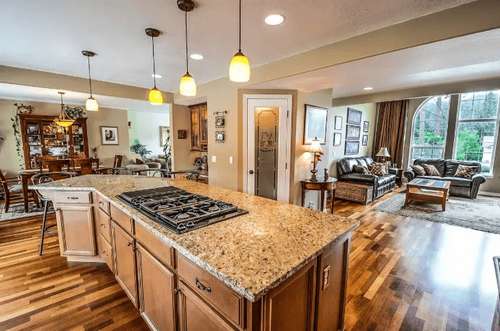
3. Bigger Kitchens That Fit Texas Style Cooking
Cooking is a big part of Texas culture. Many families enjoy outdoor grilling, cast iron cooking, and large family meals. A remodeled kitchen can support these activities.
Popular upgrades include:
- Wider counters for prep work
- Islands with seating
- Larger sinks
- Stronger range hoods
- Durable countertops such as quartz or granite
- Pantry expansions for bulk food storage
Ventilation is key. A good vent hood keeps heat and smoke from building up indoors.
4. Storage That Fits Modern Life
Texas homes often have plenty of square footage, but storage can still be a challenge. Built-in shelves, tall cabinets, and walk-in closets help keep the home tidy. Many remodels include mudrooms with places to store boots, jackets, and backpacks.
Outdoor gear storage is also popular. Texans may store fishing equipment, sports gear, or camping supplies. Custom garage shelving keeps these items organized.
Design Choices That Match Texas Style
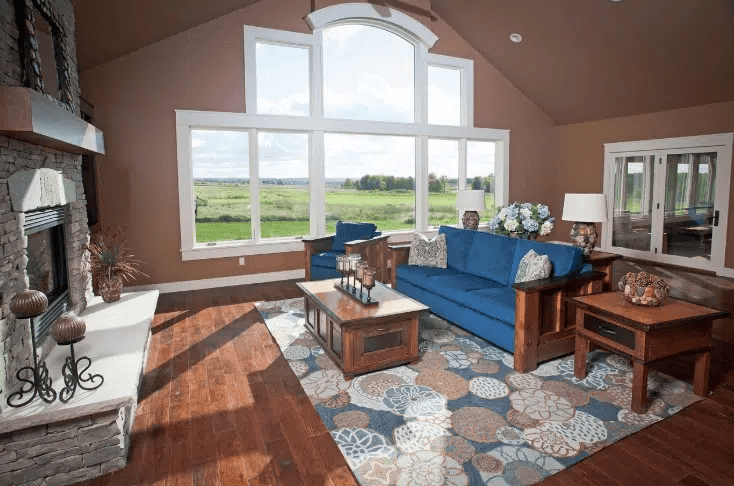
Texas has a strong sense of design, influenced by ranching culture, Spanish heritage, and modern trends. When remodeling, many homeowners choose styles that feel natural in the region.
Warm and Natural Materials
Wood beams, stone walls, and earthy tones are common in Texas homes. They add character and help create a welcoming feel. Popular options include:
- Cedar beams
- Limestone or sandstone features
- Hardwood or wood-look tile flooring
- Wrought iron accents
- Neutral paint colors with warm undertones
These choices age well and hold up in changing temperatures.
Modern Farmhouse and Rustic Themes
The modern farmhouse trend blends rustic charm with simple lines. It is popular in suburban and rural areas. Features often include shiplap walls, barn doors, black fixtures, and open shelving. Rustic ranch style uses leather, natural wood, and stone for a bold Texas feel.
Contemporary Urban Designs
In Texas cities, many homeowners go for clean lines, smooth finishes, and large windows. This style works well in newer homes or condos. Neutral palettes and minimal clutter help keep the space cool and bright.
Outdoor Spaces That Handle Heat and Encourage Year-Round Use
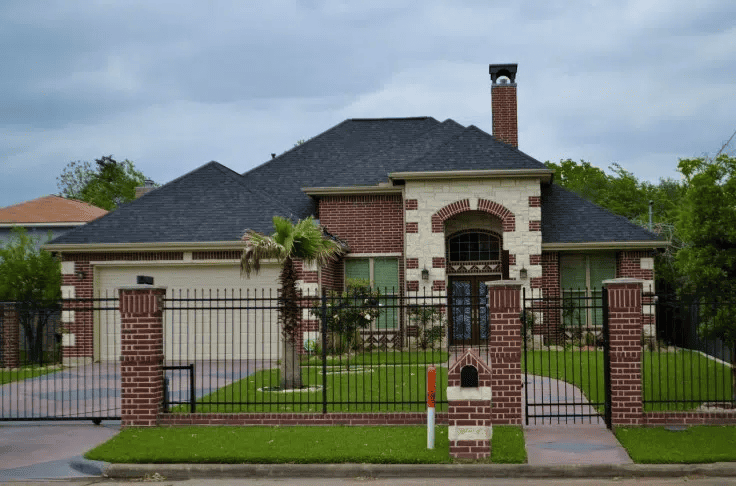
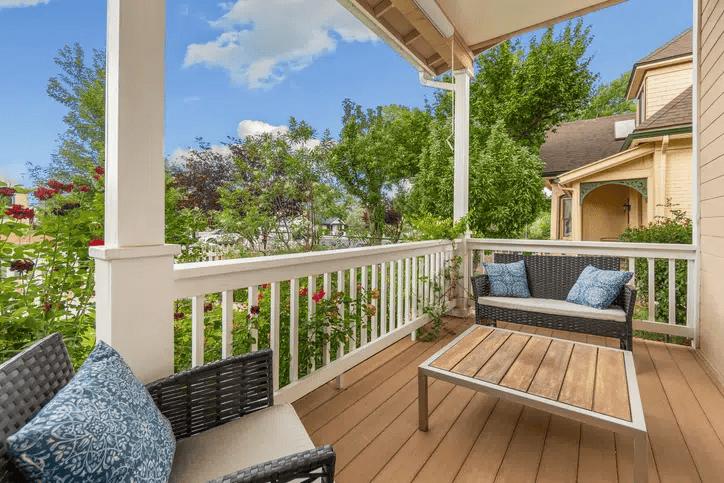
Outdoor living is a big part of Texas life. A good remodel often includes upgrades to porches, patios, and backyards.
Covered Patios and Pergolas
Shade is essential. A covered patio keeps outdoor areas cooler and protects furniture from sun damage. Many Texans add ceiling fans to keep the air moving.
Pergolas add charm and reduce direct sunlight. You can grow vines over them for natural shade.
Outdoor Kitchens
Grilling and outdoor cooking are common in Texas. An outdoor kitchen can include:
- A built-in grill
- Counter space
- A sink
- A mini fridge
- Storage cabinets
Stone or brick finishes help the structure blend well with the home.
Pools and Water Features
A pool can make summers easier to handle. Even small splash pools or plunge pools help cool down the yard. Water features like fountains add movement and relaxation without needing a large space.
Landscaping That Survives Heat
Native plants are more likely to handle long summers. They use less water and attract local wildlife. Common choices include:
- Desert willow
- Texas sage
- Lantana
- Agave
- Cedar elm
Drip irrigation saves water and provides slow, steady moisture.
Energy Efficiency and Modern Systems Built for Texas Homes
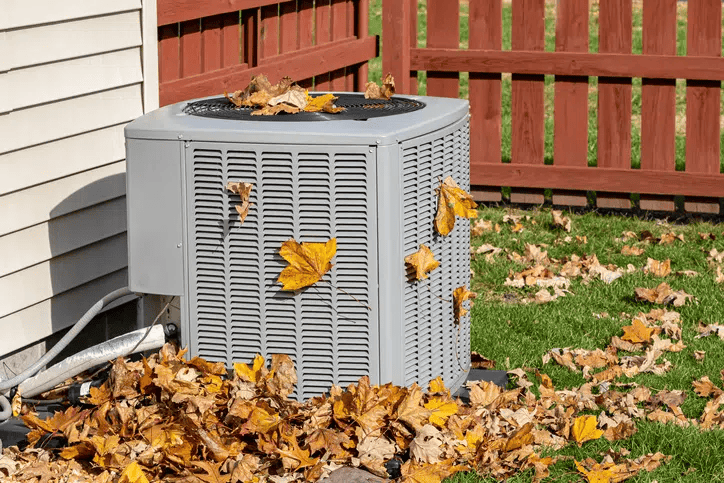
Energy efficiency matters everywhere, but it has special importance in Texas. Power grids face strain during extreme weather. Families want homes that stay comfortable without driving up the electric bill. These upgrades help.
1. Efficient HVAC Systems
Air conditioning is vital in Texas. Older units often struggle with efficiency. Newer systems cool faster, use less energy, and run more quietly. Many homeowners install zoned cooling so each part of the home stays at the right temperature.
Regular maintenance keeps systems running well through long summers.
2. Smart Thermostats and Controls
Smart thermostats help manage cooling loads. They adjust temperatures automatically based on schedules or outdoor heat. Remote access lets you control settings from your phone. These systems help reduce energy waste.
3. Solar Panels
Texas gets plenty of sun. Solar panels can cut energy costs and add long-term value. Many homes pair solar panels with battery systems so they have backup power during outages.
4. Tankless Water Heaters
Tankless heaters warm water only when needed. They use less energy than large tanks and provide hot water on demand. This works well for families or homes with multiple bathrooms.
5. Updated Plumbing and Electrical Systems
Older Texas homes may need new wiring or pipes. Modern electrical panels support new appliances and HVAC systems. Updated plumbing reduces leaks and handles high water demand.
Materials That Last in the Texas Climate
Choosing the right materials protects your remodel from heat, humidity, and storms.
Exterior Materials
Fiber-cement siding, stone, brick, and metal are durable choices. They resist rot, heat, and insects. Stucco also works well in dry regions. If you use wood, select species that resist warping and pests.
Interior Flooring
Floors in Texas homes take a lot of wear. Popular options include:
- Wood-look tile, which handles heat and humidity well
- Engineered hardwood, which resists expansion and contraction
- Luxury vinyl plank, which is durable and budget-friendly
- Stained concrete, which stays cool in hot weather
Carpet is less popular in many regions because it traps heat and allergens.
Countertops
Quartz, granite, and butcher blocks are common. Quartz handles heat changes well and needs little maintenance. Granite offers a natural look and strong durability.
Cabinets and Built-ins
Solid wood cabinets last long and fit many Texas design styles. Painted cabinets work well in contemporary homes. Stained wood fits rustic or farmhouse themes.
Common Remodeling Projects in Texas Homes
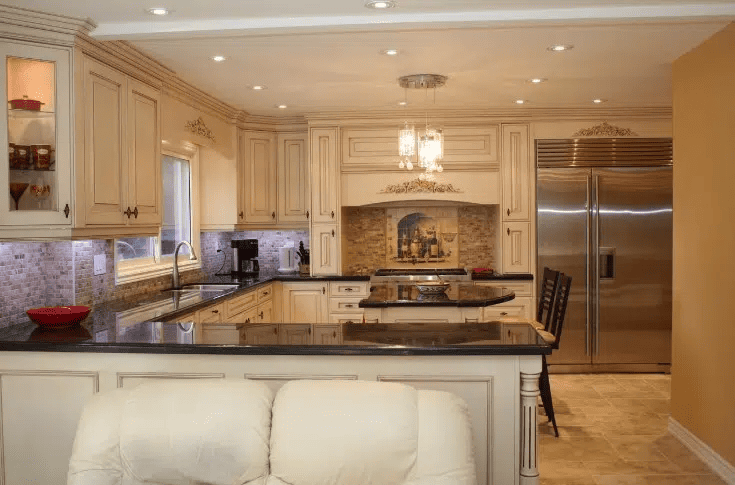
Many homeowners focus on areas that improve comfort, style, and function.
1. Kitchen Remodels
The kitchen is often the heart of a Texas home. Common updates include:
- New cabinets and countertops
- Updated appliances
- Stronger ventilation
- Better lighting
- Expanded islands
- Walk-in pantries
A kitchen remodel adds value and supports daily activities.
2. Bathroom Upgrades
Bathrooms get heavy use in hot weather. Cool tile floors, walk-in showers, and modern fixtures help create a relaxing space. Many Texans choose large showers instead of tubs.
3. Living Room Expansions
Many remodels focus on bigger living spaces. That may include:
- Raising ceilings
- Adding windows
- Removing walls
- Expanding square footage
- Updating fireplaces
Fireplace remodels often include stone, tile, or reclaimed wood.
4. Bedroom and Closet Updates
A comfortable primary bedroom can make a big difference. Walk-in closets, better lighting, and added storage help organize busy lives.
5. Home Offices
Remote work has become common in Texas cities. A dedicated office improves focus and productivity. Many remodels add built-ins, soundproofing, and strong internet connections.
6. Garage Conversions
Garages can become gyms, media rooms, or guest suites. Proper insulation and cooling make the space livable year-round.
Tips for Managing a Texas Remodel Without Stress
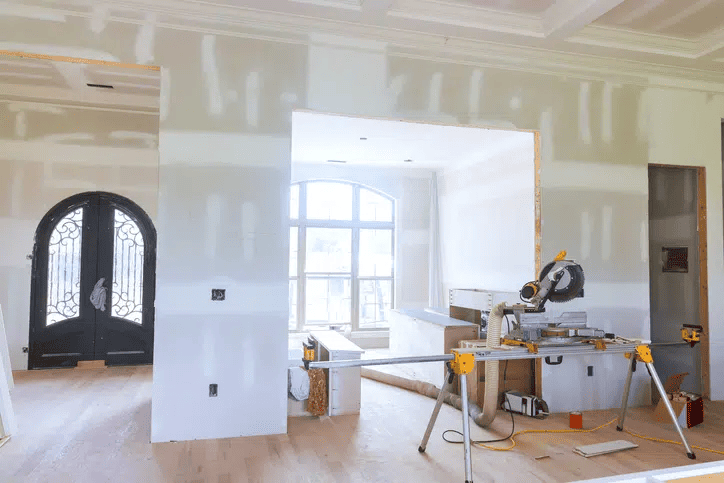
Even the best remodel can feel overwhelming. These tips help keep the process smooth.
1. Stay Organized
Keep your plans, contracts, receipts, and timelines in one place. Check in with your contractor often to stay updated.
2. Know Your Permits
Cities and counties have different rules. Local contractors usually handle permits, but it helps to understand the basics so you know what to expect.
3. Communicate Clearly
Your contractor should understand your goals and preferences. Share photos, samples, and notes. Clear communication prevents mistakes.
4. Prepare for Delays
Weather, supply shortages, or surprise repairs can slow a project. Flexibility helps reduce frustration.
5. Protect Your Home During the Process
Cover furniture, seal off work zones, and consider staying somewhere else during major work. This reduces stress and keeps your home cleaner.
Remodeling for Long-Term Value in Texas
A remodel should fit your lifestyle today and add value for the future.
1. Energy-Efficient Upgrades
Buyers in Texas appreciate homes that stay cool and run efficiently. Features like upgraded insulation, better windows, and modern HVAC systems make a strong impression.
2. Durable Materials
Materials that resist heat, humidity, and storms hold their value longer. Stone, brick, metal roofing, and quality flooring attract buyers and reduce maintenance costs.
3. Functional Layouts
Open floor plans, larger kitchens, and flexible rooms appeal to many families. Homes with good storage and smart design sell well across the state.
4. Outdoor Living
Patios, porches, and outdoor kitchens are major selling points. Texans love spending time outside when the weather allows.
5. Smart Home Features
Lighting controls, security systems, and smart thermostats add convenience and modern appeal.
Final Thoughts
Remodeling a home in Texas brings unique rewards and challenges. From long summers to ever-changing weather, the state puts materials and designs to the test. With the right planning, you can build a home that stays cool, feels spacious, and fits the needs of modern life. A thoughtful remodel makes your home more comfortable and adds long-term value.
Whether you want a cooler attic, a brighter kitchen, a flexible new office, or an outdoor space suited for Texas evenings, the right design can make your home feel brand new. With careful choices and a local team on your side, your remodel will stand strong through many seasons.
Comments (0)
No comments yet. Be the first to share your thoughts.
Leave a comment