


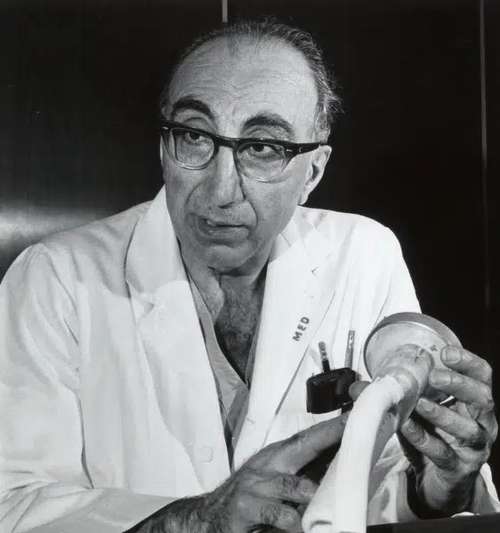
Texas has produced innovators in nearly every field, but few have had a global impact quite like Dr. Michael E. DeBakey. A pioneering cardiovascular surgeon, educator, and medical leader, DeBakey helped transform heart surgery from a high-risk experimental practice into one of the most advanced and life-saving areas of modern medicine.
His work not only saved countless lives but also reshaped how hospitals operate, how surgeons are trained, and how medical technology evolves. From his early beginnings to his groundbreaking surgical innovations, DeBakey’s story reflects a rare combination of discipline, vision, and relentless pursuit of improvement.
For Texans, his legacy stands as a reminder that innovation can begin anywhere—and that dedication to a craft can change the world.
Early Life and Education: A Foundation for Innovation

Michael Ellis DeBakey was born on September 7, 1908, in Lake Charles, Louisiana, but his professional life and legacy became deeply tied to Texas.
He attended Tulane University, where he completed both his undergraduate studies and medical degree at a young age. Even as a student, DeBakey demonstrated an unusual ability to think beyond traditional boundaries.
One of his earliest achievements came while still in medical school, when he helped develop a roller pump device that would later become a key component of the heart-lung machine. This invention would go on to play a critical role in open-heart surgery.
After completing his training, DeBakey continued his education in Europe, where he studied surgical techniques that were not yet widely practiced in the United States. This exposure to global medical advancements helped shape his forward-thinking approach.
Building a Career in Texas
DeBakey eventually moved to Houston, Texas, where he joined the faculty at Baylor College of Medicine. It was here that he would build one of the most influential surgical programs in the world.
Houston at the time was growing rapidly, and so was its medical community. DeBakey played a major role in transforming the city into a global center for healthcare innovation, particularly through his leadership in what would become the Texas Medical Center—now one of the largest medical complexes in the world.
At Baylor, he was known not only for his surgical skill but also for his demanding standards. He expected precision, discipline, and continuous improvement from both himself and his students.
Advancing Heart Surgery: A New Era of Medicine
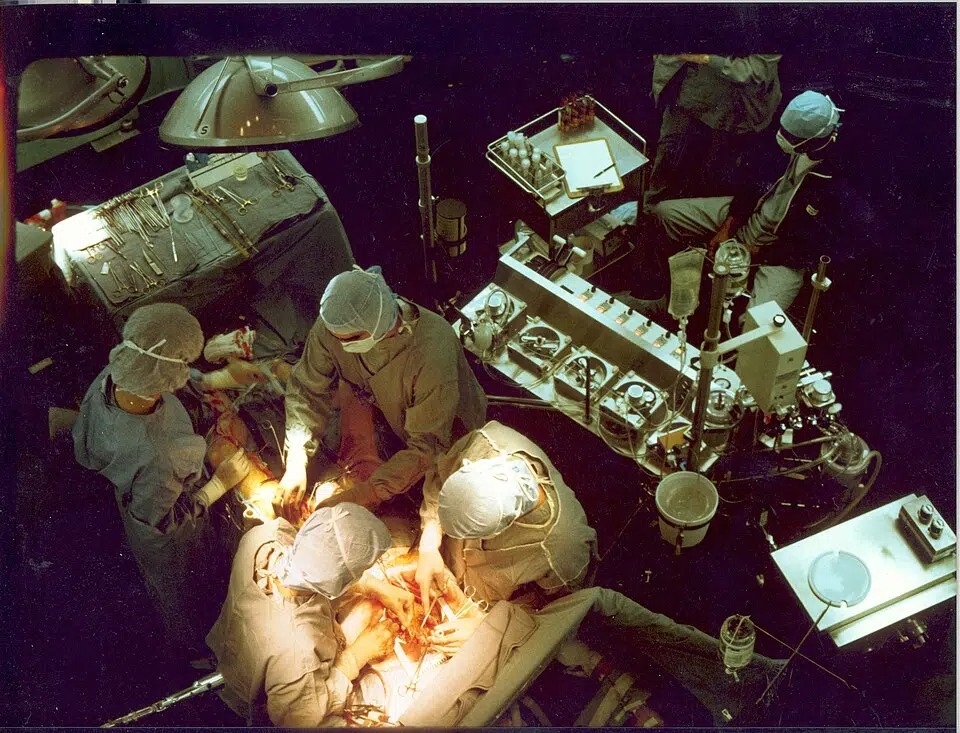
When DeBakey began his career, heart surgery was still in its early stages. Many procedures were considered too risky, and survival rates were limited by both technology and knowledge.
DeBakey helped change that.
He pioneered techniques that allowed surgeons to safely operate on the heart and blood vessels, including procedures to repair aneurysms, bypass blocked arteries, and treat vascular diseases. His work laid the foundation for many modern cardiovascular procedures.
Key Contributions
- Coronary bypass surgery advancements, which improved blood flow to the heart
- Development of vascular grafts, allowing surgeons to replace damaged blood vessels
- Early work on artificial hearts and assist devices, helping patients with severe heart failure
- Innovations in surgical techniques and tools that improved safety and outcomes
These advancements helped turn heart surgery into a routine and often life-saving option for patients around the world.
The Birth of Modern Medical Devices
DeBakey’s influence extended beyond surgical techniques into the development of medical technology.
He was instrumental in designing Dacron vascular grafts, which are still used today to repair or replace damaged arteries. These grafts made it possible to treat conditions that were once considered untreatable.
He also played a key role in the development of early ventricular assist devices (VADs), which help support heart function in patients awaiting transplants or recovering from surgery.
These innovations helped bridge the gap between surgery and long-term care, opening the door for future breakthroughs in cardiac medicine.
Leadership Beyond the Operating Room
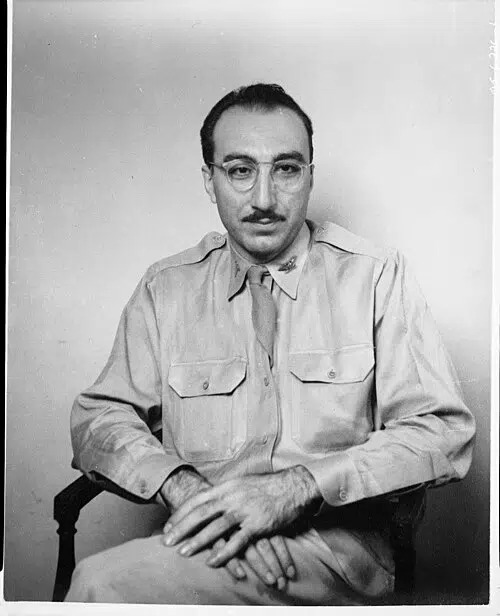
Otis Historical Archives of “National Museum of Health & Medicine” (OTIS Archive 1), 7410062962 e303caa6fe oMichael DeBakey, CC BY 2.0[/caption]
DeBakey was not just a surgeon—he was also a leader in healthcare policy and medical education.
During World War II, he helped develop the Mobile Army Surgical Hospital (MASH) concept, which brought life-saving surgical care closer to the battlefield. This innovation dramatically improved survival rates for wounded soldiers and later influenced civilian emergency medicine.
He also advised multiple U.S. presidents on healthcare policy, contributing to the development of national medical systems and veteran care programs.
At Baylor College of Medicine, he trained thousands of physicians, many of whom went on to become leaders in their own right. His influence extended far beyond the patients he personally treated.
A Relentless Work Ethic
One of the defining characteristics of Michael DeBakey was his work ethic.
He was known for long hours, strict discipline, and a commitment to excellence that shaped the culture of the institutions he led. He often emphasized that medicine was not just a profession, but a responsibility.
Even well into his later years, DeBakey remained active in the medical field, continuing to teach, advise, and contribute to research.
His dedication set a standard that continues to influence medical professionals today.
A Legacy That Transformed Texas and the World
Michael DeBakey’s impact is still visible across Texas and beyond.
The Texas Medical Center in Houston stands as one of the most advanced healthcare hubs in the world, in part because of his leadership and vision.
The Michael E. DeBakey VA Medical Center in Houston is named in his honor, recognizing his contributions to veteran care.
His innovations in cardiovascular surgery continue to save lives daily, and his influence can be seen in operating rooms, research labs, and medical schools around the globe.
Why Michael DeBakey Still Matters Today
Modern medicine continues to build on the foundation that DeBakey helped establish.
Today’s advancements in minimally invasive surgery, artificial organs, and cardiac care all trace back in part to his early work.
More importantly, his approach to medicine—focused on innovation, precision, and patient care—remains a model for future generations.
For Texans, his story represents more than medical achievement. It reflects a spirit of innovation, resilience, and commitment to making a difference.
Final Thoughts
Michael E. DeBakey’s legacy is one of transformation. He helped turn heart surgery into a reliable and life-saving field, introduced technologies that are still in use today, and shaped the future of healthcare through education and leadership.
His story shows how one individual’s vision and determination can influence millions of lives across generations.
In Texas, where innovation and ambition often go hand in hand, DeBakey stands as a true legend—one whose work continues to shape the future of medicine.

Comments (0)
No comments yet. Be the first to share your thoughts.
Leave a comment