


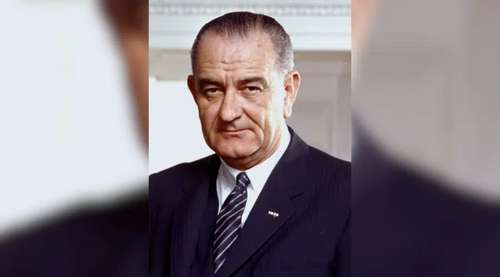
Lyndon Baines Johnson stands as one of the most influential figures in American history, and his roots in Texas shaped both his personality and his political mission. Known for his towering presence, sharp instincts, and relentless drive, Johnson rose from modest beginnings in the Texas Hill Country to become the 36th President of the United States. His presidency is often defined by one sweeping idea: the Great Society.
The Great Society was Johnson’s bold vision to improve the quality of life for all Americans. It aimed to reduce poverty, expand education, improve healthcare, and fight racial injustice. While his time in office was marked by major challenges, including the Vietnam War, his domestic achievements left a lasting mark on the nation.
This is the story of a Texas leader whose ambition and determination changed the course of American society.
A Texas Beginning
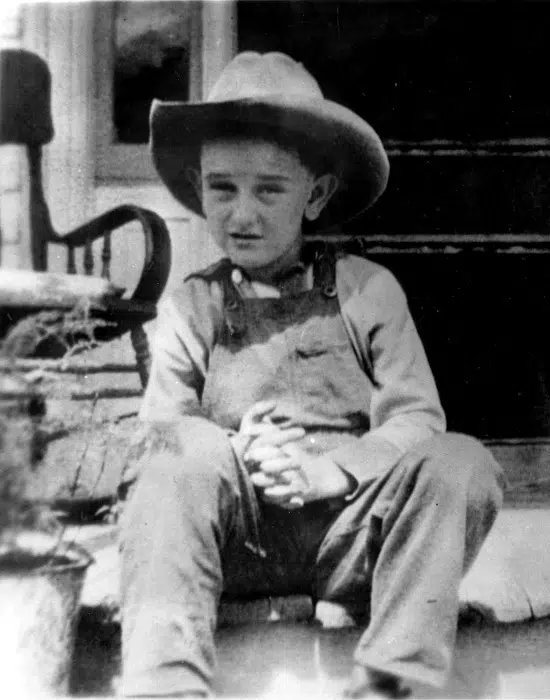
Lyndon B. Johnson was born on August 27, 1908, near Stonewall, Texas. He grew up in a rural setting where life was often difficult. His family struggled financially, and those early experiences shaped how he viewed poverty and opportunity.
Johnson attended Southwest Texas State Teachers College, where he developed an interest in politics and public service. After graduation, he worked as a teacher in a small Mexican-American school in Cotulla, Texas. That experience proved to be a turning point.
In Cotulla, Johnson saw firsthand how poverty limited opportunity. Many of his students lacked basic resources, yet they showed determination and intelligence. This left a deep impression on him. Years later, he would say that those children inspired his commitment to education and social reform.
Climbing the Political Ladder
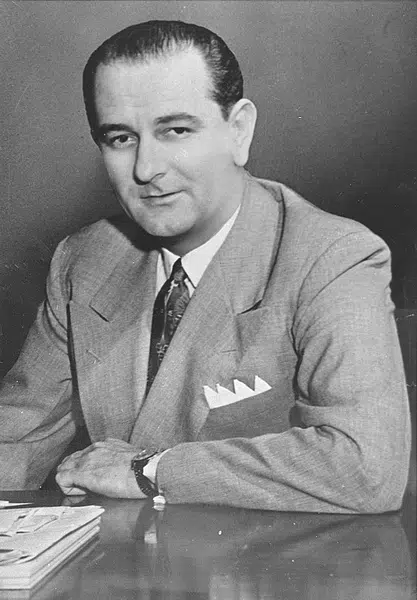
Johnson’s political career began in earnest during the 1930s. He worked as a congressional aide before running for office himself. In 1937, he was elected to the U.S. House of Representatives.
From the start, Johnson showed a unique ability to build relationships and get things done. He understood how power worked in Washington and used that knowledge to his advantage. During the New Deal era, he supported programs aimed at economic recovery and infrastructure development, bringing federal projects to Texas.
In 1948, Johnson won a seat in the U.S. Senate after a famously close and controversial election. His influence grew rapidly. By 1955, he became Senate Majority Leader, one of the most powerful positions in Congress.
As Majority Leader, Johnson was known for his persuasive style, often called the “Johnson Treatment.” He would lean in close, speak with intensity, and use a mix of pressure and charm to win support. He understood people, and he knew how to move legislation forward.
The Road to the Presidency
In 1960, Johnson ran for president but lost the Democratic nomination to John F. Kennedy. Instead of stepping away, he accepted the role of vice president.
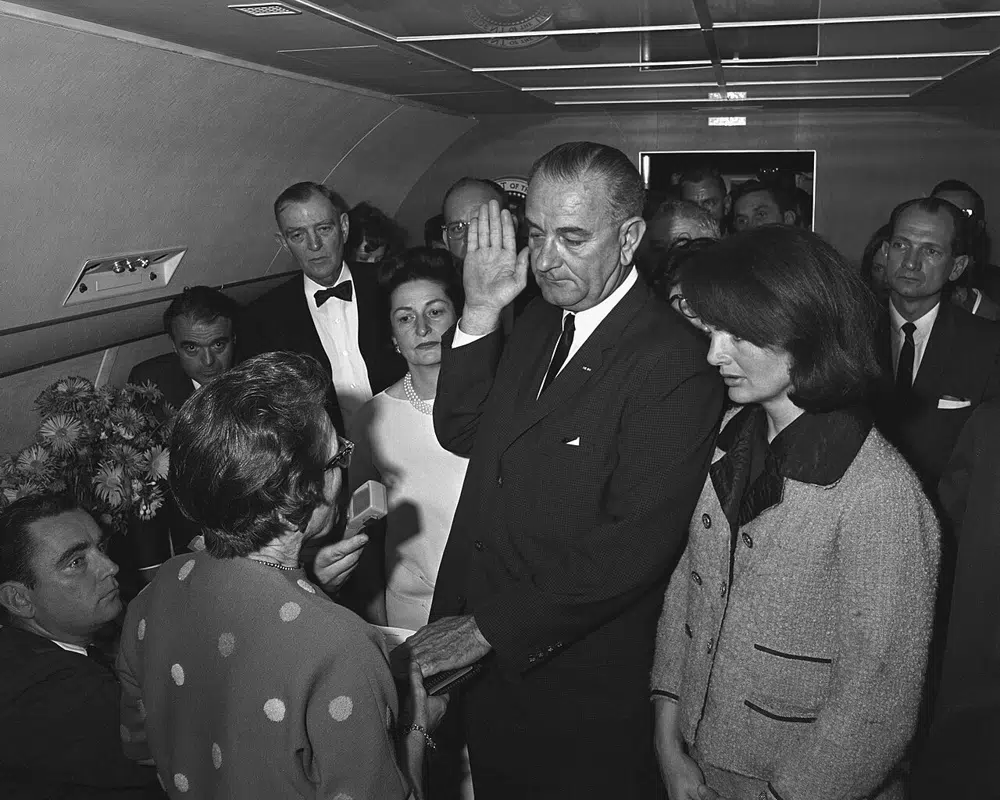
At first, Johnson’s position seemed limited. However, everything changed on November 22, 1963, when President Kennedy was assassinated in Dallas, Texas. Johnson was sworn in as president aboard Air Force One, only hours after the tragedy.
The nation was in shock, and Johnson faced the enormous task of leading a grieving country. He moved quickly to reassure Americans and to continue Kennedy’s legislative goals. At the same time, he began shaping his own agenda.
The Birth of the Great Society
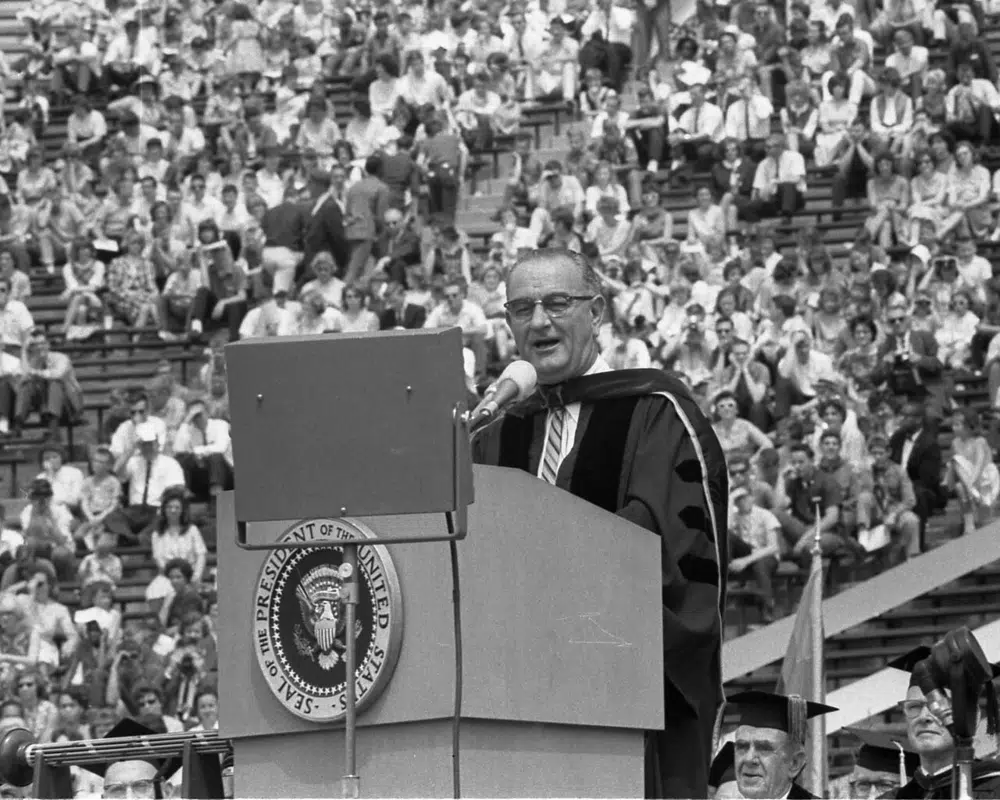
University of Michigan. News and Information Services., President Lyndon Johnson, 1964 Commencement BL012297, CC BY 4.0
In 1964, Johnson delivered a speech at the University of Michigan where he introduced the idea of the Great Society. He described it as a place where poverty and racial injustice would be eliminated, and where every citizen would have the chance to succeed.
This vision became the foundation of his presidency.
Johnson won the 1964 presidential election in a landslide, giving him a strong mandate to act. With Democratic majorities in Congress, he pushed forward an ambitious set of reforms.
The Great Society was not a single program. It was a collection of laws and initiatives that touched nearly every part of American life.
Fighting Poverty
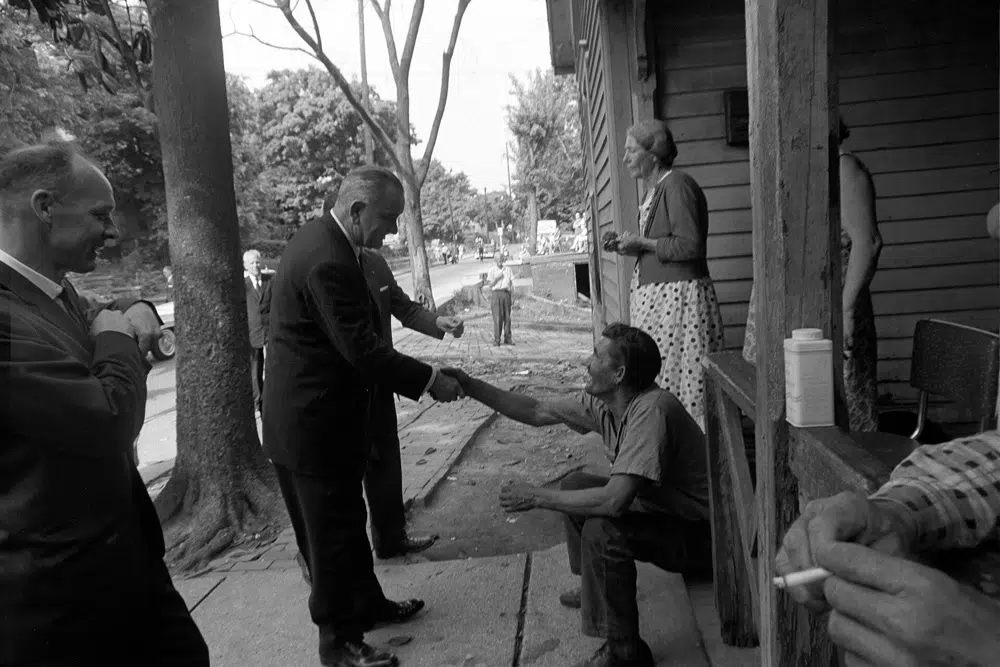
One of the central goals of the Great Society was to reduce poverty. Johnson declared an “unconditional war on poverty,” aiming to provide support and opportunities for those in need.
Programs like Job Corps and Head Start were created to help people gain skills and education. Job Corps offered training for young people, while Head Start focused on early childhood education for low-income families.
Community Action Programs were also introduced, giving local communities a role in designing solutions for their own challenges. This approach encouraged participation and local leadership.
While poverty was not eliminated, these programs made a real difference in many communities and set a new standard for federal involvement in social welfare.
Expanding Education
Education was another major focus of Johnson’s agenda. He believed that access to education was key to breaking the cycle of poverty.
In 1965, he signed the Elementary and Secondary Education Act. This law provided federal funding to schools, especially those serving low-income students. It helped improve resources, hire teachers, and support educational programs.
The Higher Education Act, passed the same year, expanded financial aid for college students. Scholarships, loans, and work-study programs made higher education more accessible to millions of Americans.
Johnson’s commitment to education reflected his own experiences as a teacher in Texas. He saw education as a path to opportunity and a stronger society.
Transforming Healthcare
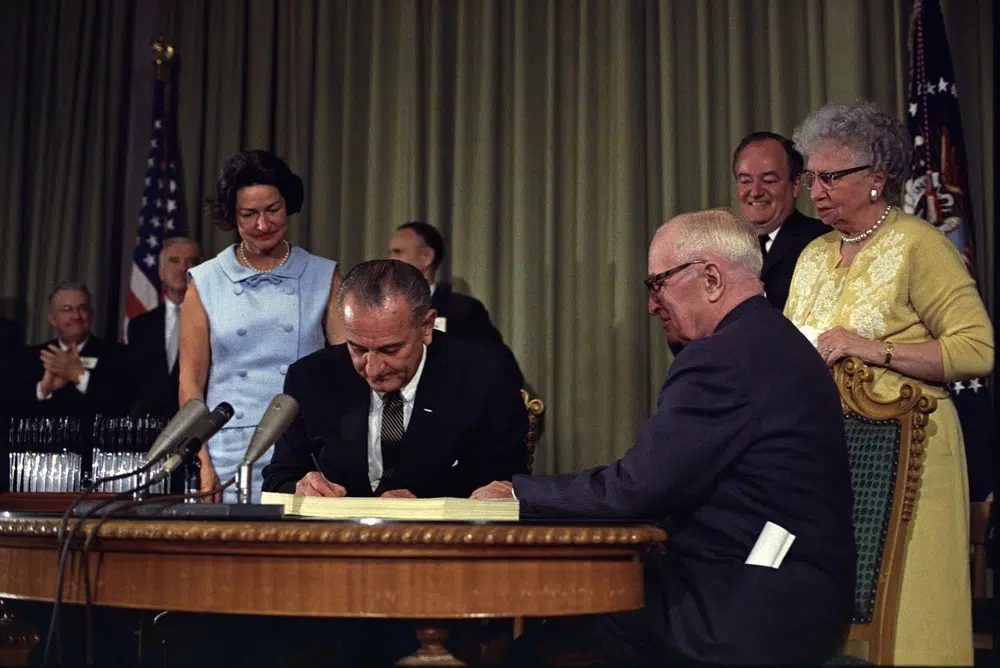
Before the 1960s, many older Americans struggled to afford healthcare. Johnson addressed this issue with the creation of Medicare and Medicaid in 1965.
Medicare provided health insurance for people aged 65 and older. Medicaid offered assistance to low-income individuals and families.
These programs changed the healthcare system in the United States. They provided security for millions and remain essential parts of the system today.
Johnson signed the Medicare bill at the Truman Library, honoring former President Harry Truman, who had long supported national health insurance. It was a symbolic moment that connected past efforts with present achievements.
Advancing Civil Rights
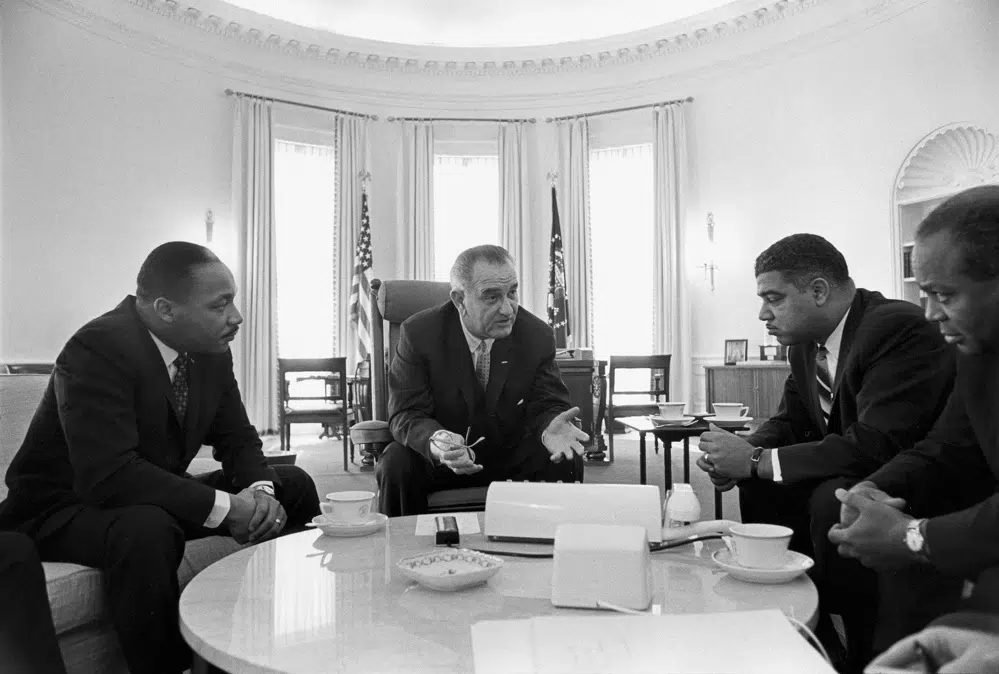
Johnson’s presidency also marked a major turning point in the fight for civil rights.
In 1964, he signed the Civil Rights Act, which banned discrimination based on race, color, religion, sex, or national origin. This law ended segregation in public places and strengthened federal enforcement of civil rights.
The Voting Rights Act of 1965 followed, targeting barriers that prevented African Americans from voting. It outlawed practices like literacy tests and provided federal oversight in areas with a history of discrimination.
Johnson understood that these changes were long overdue. He worked closely with civil rights leaders and used his political skills to push these laws through Congress.
These measures reshaped American society and expanded rights for millions of citizens.
The Challenge of Urban America
The Great Society also addressed issues in cities, where poverty, overcrowding, and poor housing conditions were common.
The Department of Housing and Urban Development was created to focus on these challenges. Programs were introduced to improve housing, support urban development, and reduce blight.
Public broadcasting also emerged during this time. The Corporation for Public Broadcasting was established, leading to educational television and radio programs that reached audiences across the country.
Johnson believed that culture, education, and community development were all part of a healthy society.
Environmental Awareness
Another aspect of the Great Society was environmental protection. Johnson signed laws aimed at preserving natural beauty and improving environmental quality.
The Wilderness Act and other conservation measures helped protect public lands. Efforts were made to address air and water pollution, setting the stage for later environmental policies.
These actions reflected a growing awareness of the need to balance development with preservation.
The Shadow of Vietnam
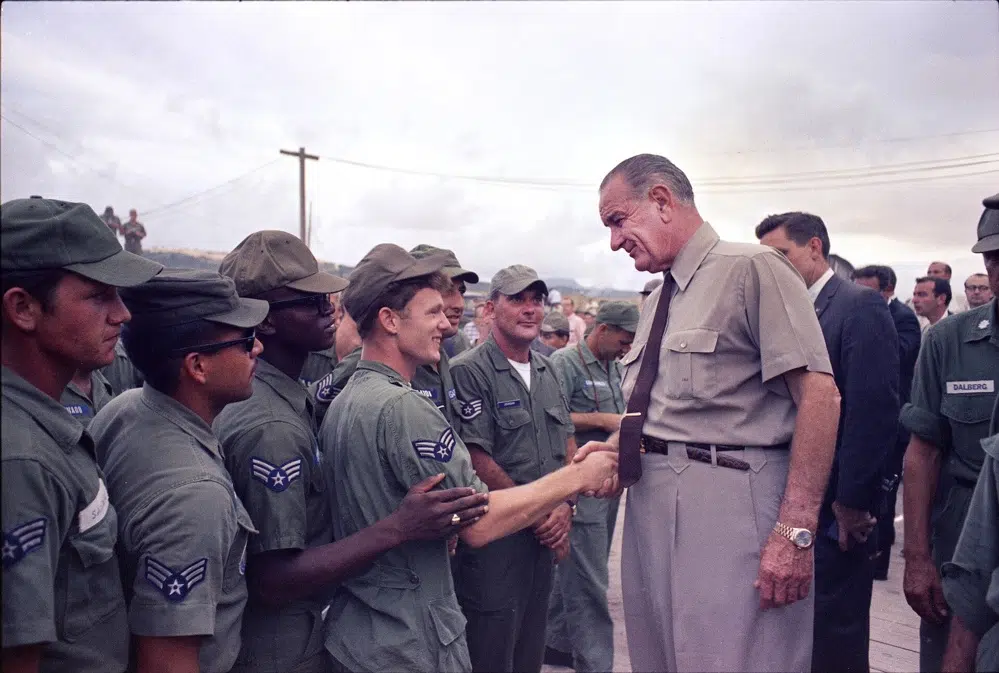
Despite his domestic achievements, Johnson’s presidency was overshadowed by the Vietnam War.
As the conflict escalated, public support declined. Protests grew, and the war became a source of deep division within the country.
Johnson faced criticism from both sides. Some believed he had gone too far in escalating the war, while others felt he had not done enough to win it.
The war took a toll on his presidency and on the nation. In 1968, Johnson announced that he would not seek reelection.
This decision marked the end of a turbulent period, though the impact of his policies at home continued.
A Lasting Legacy
Lyndon B. Johnson returned to his ranch in Texas after leaving office. He died on January 22, 1973, but his legacy remains a subject of discussion and debate.
The Great Society programs changed the role of the federal government and expanded opportunities for many Americans. Medicare, Medicaid, and federal education funding continue to play vital roles today.
At the same time, critics have questioned the effectiveness and long-term impact of some programs. Discussions about government responsibility and social policy often trace back to Johnson’s era.
What is clear is that Johnson aimed high. He believed that the government could be a force for good and that progress was possible through determined action.
The Texas Influence
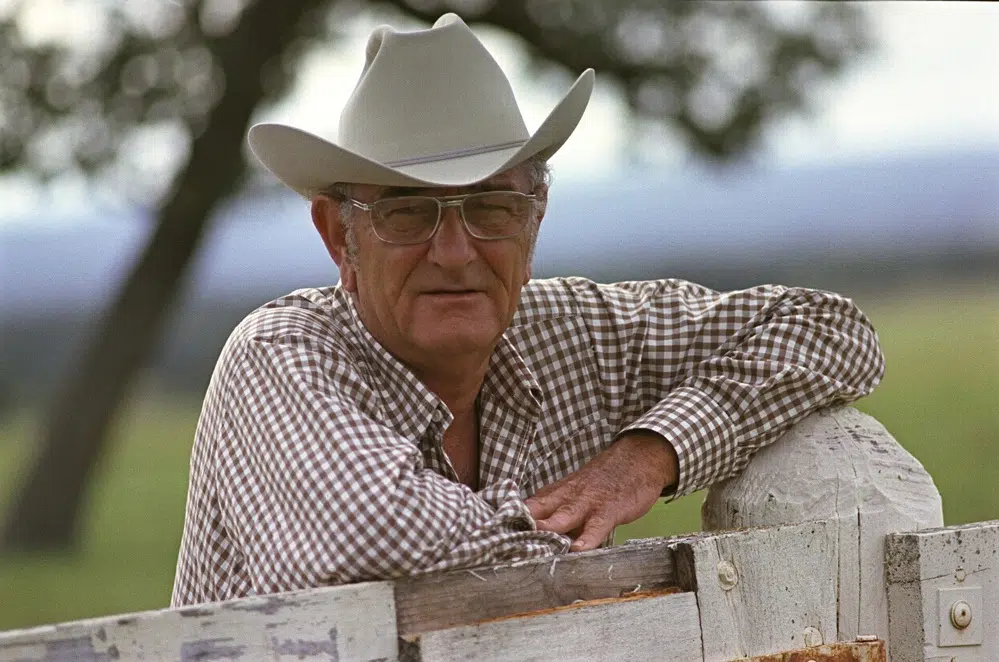
Johnson never forgot his Texas roots. The values he learned growing up in the Hill Country shaped his approach to leadership.
He understood hardship because he had lived it. He valued hard work, persistence, and community. These qualities influenced his vision for the Great Society.
Texas also shaped his political style. He was direct, confident, and willing to take risks. He pushed hard for results and expected others to do the same.
His connection to Texas remained strong throughout his life, and it remains a key part of his story.
Understanding the Great Society Today
Looking back, the Great Society represents one of the most ambitious efforts to address social issues in American history.
It sought to create a nation where opportunity was more widely shared and where basic needs were met. While not every goal was achieved, many of its programs continue to serve millions of people.
The debates surrounding these policies continue as well. Questions about the role of government, the effectiveness of social programs, and the balance between support and independence remain relevant.
Johnson’s vision invites us to think about what kind of society we want to build and how we can work toward that goal.
Final Thoughts
Lyndon B. Johnson’s journey from rural Texas to the presidency is a story of determination and ambition. His Great Society vision reflected a deep belief in progress and the power of government to improve lives.
He led during a time of change and conflict, balancing bold domestic reforms with the challenges of war. His legacy is complex, filled with both achievement and controversy.
Yet his impact is undeniable. Programs he championed continue to shape American life, and his vision still sparks conversation today.
Johnson remains a true Texas legend, a leader who aimed to leave the country better than he found it, and whose influence is still felt decades later.

Comments (0)
No comments yet. Be the first to share your thoughts.
Leave a comment