


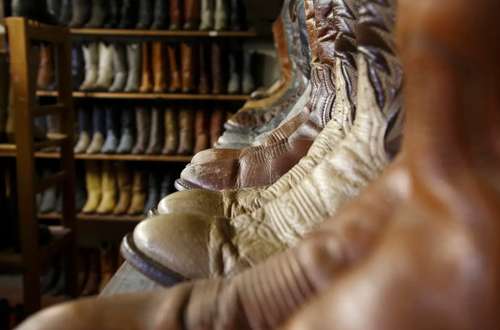
Texas boots have a way of pulling people in.
Some folks buy a pair because they need something durable for ranch work, rodeo season, or daily wear. Others buy boots because they love the look, the leather, the stitching, and the history stitched into every shaft. Then there are the people who buy boots the way others collect watches, art, guitars, or classic cars.
That is where the difference comes in.
A Texas boot collector and a fashion buyer may both love cowboy boots. They may both spend good money on them. They may even shop at the same stores. But their reasons, habits, and long-term goals are often very different.
Understanding the difference matters, especially if you are buying boots as an investment, building a personal collection, shopping for style, or trying to understand what makes one pair more valuable than another.
What Is a Texas Boot Collector?
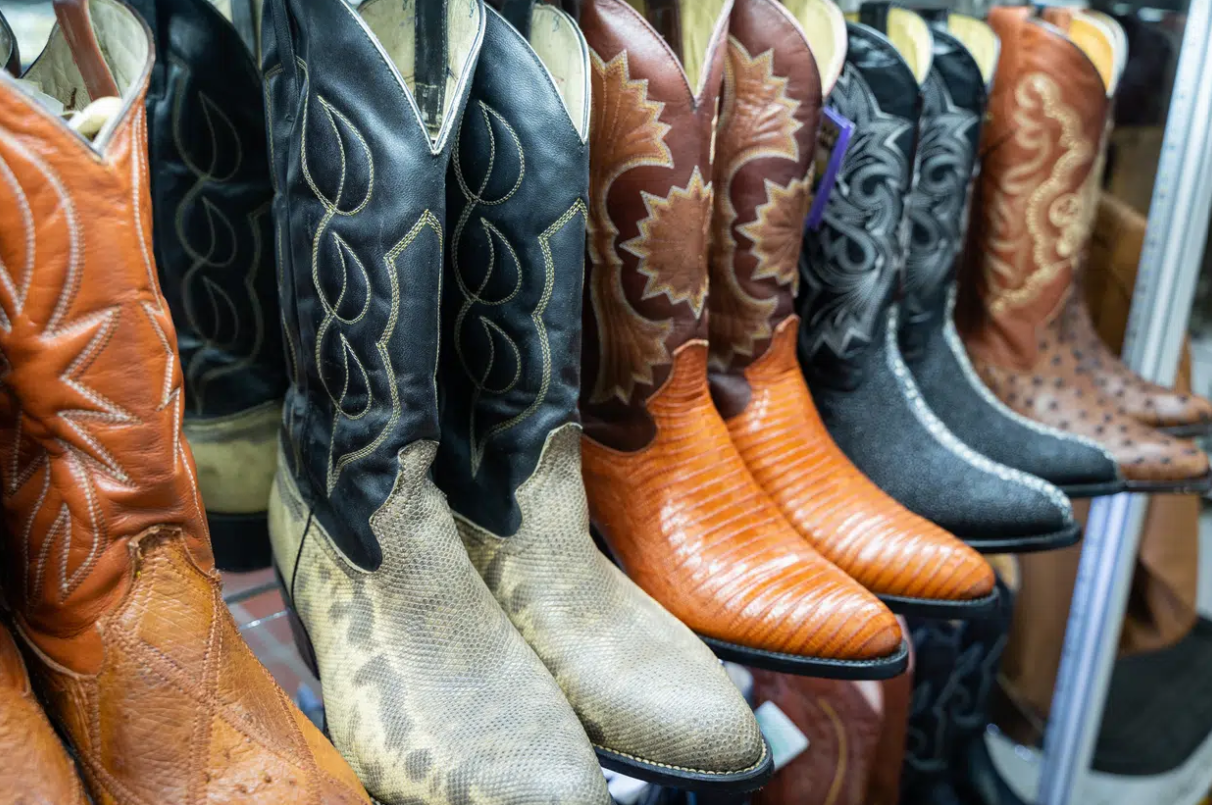
A Texas boot collector usually sees boots as pieces of history, craftsmanship, and identity.
For a collector, boots are rarely an impulse buy. They look closely at the maker, leather, stitching, age, condition, origin, and story behind the pair. A handmade boot from a respected Texas bootmaker may interest them more than a trendy pair from a mass-market brand.
Collectors often care about details that casual buyers may overlook.
They may study the toe shape, heel height, pull straps, inlays, overlays, maker’s marks, and construction method. They may know the difference between vintage boots from El Paso, custom boots from a small-town maker, and newer boots designed mainly for fashion.
For them, boots are not only footwear. They are examples of Western tradition, regional design, and personal expression.
What Is a Fashion Buyer?
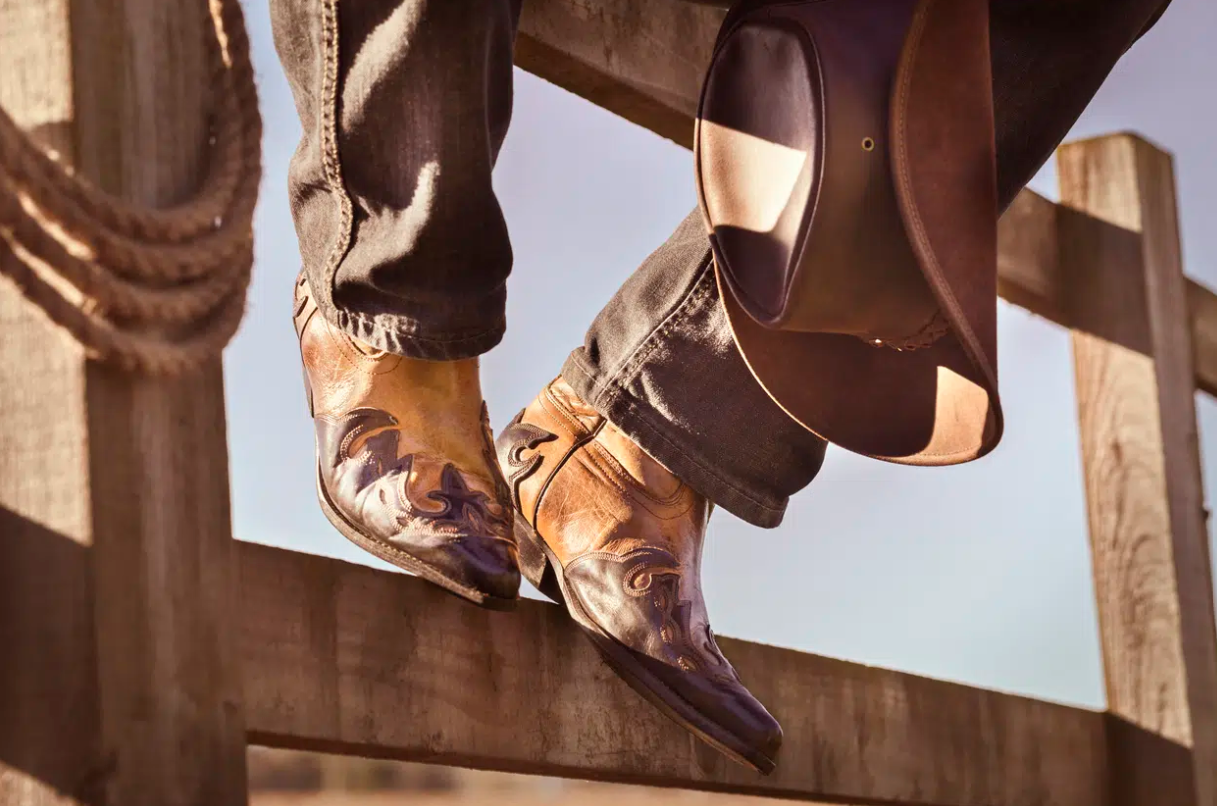
A fashion buyer usually chooses boots based on appearance, outfit potential, comfort, and current trends.
That does not mean fashion buyers are careless. Many have great taste. They may know exactly what looks good with denim, dresses, skirts, jackets, or festival outfits. They may understand color balance, silhouette, and styling better than a collector who focuses only on construction and rarity.
A fashion buyer asks different questions.
- Does this pair look good with my wardrobe?
- Can I wear them to concerts, dinners, weddings, or weekend events?
- Are they comfortable enough for daily use?
- Are they in style right now?
For a fashion buyer, the boot’s value is often tied to how often it gets worn and how well it fits their personal style.
The Main Difference Is Purpose
The biggest difference between a collector and a fashion buyer is purpose.
A collector often buys with preservation, rarity, and long-term value in mind. A fashion buyer buys with wearability, style, and self-expression in mind.
Neither approach is better. They simply serve different goals.
A collector may buy a rare pair and wear them only a few times, or not at all. They may store them carefully to protect the leather and preserve the condition. A fashion buyer may buy a bold pair of red, white, or turquoise boots because they make an outfit come alive.
The collector thinks, “What is the story and significance of this pair?”
The fashion buyer thinks, “How does this pair fit my life and style?”
Both questions are valid.
Collectors Care About Craftsmanship
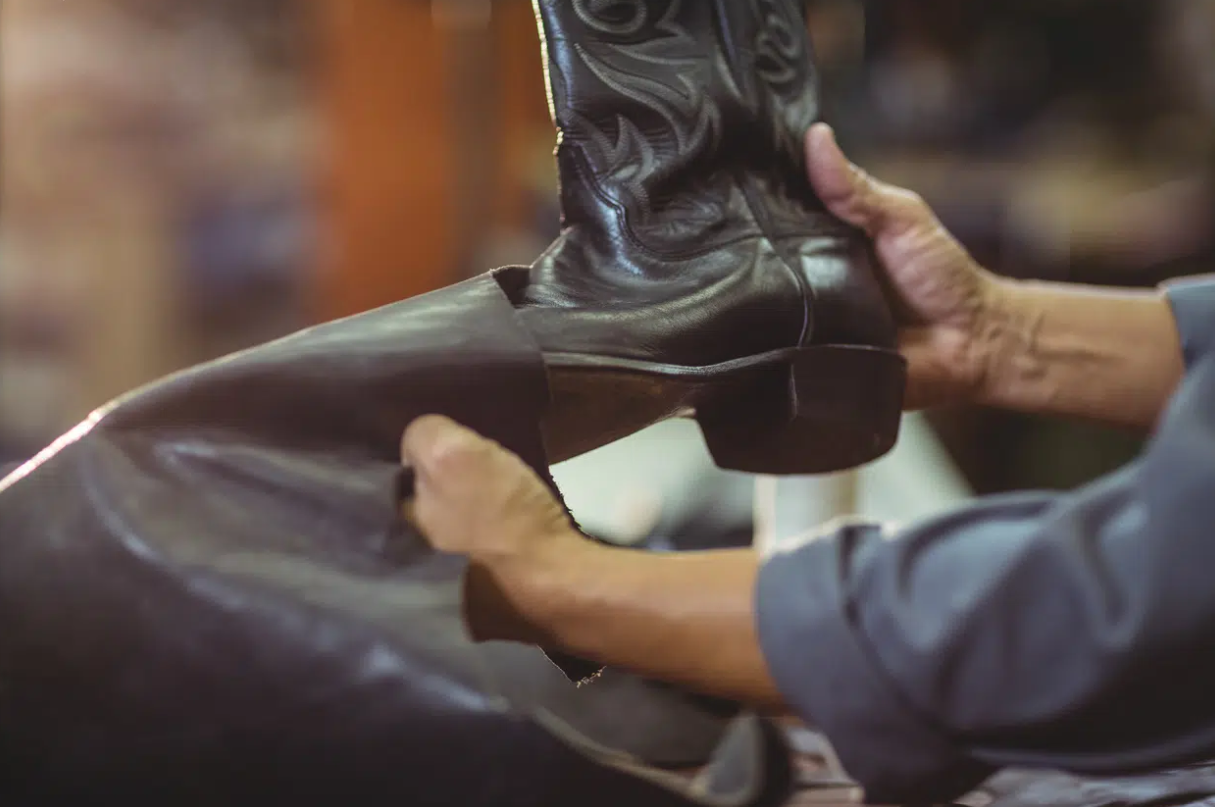
For collectors, craftsmanship is one of the biggest selling points.
Traditional cowboy boots involve a high level of skill. Quality boots are shaped, stitched, lasted, pegged, and finished with care. A collector may look for signs of handwork, especially in older or custom-made pairs.
They may pay attention to:
- Hand-stitched shafts
- Lemonwood pegs
- High-quality leather soles
- Precise inlay or overlay work
- Original pull straps
- Maker stamps or labels
- Unusual leather combinations
Small details can make a big difference.
A pair of boots with clean stitching, balanced design, and strong construction may stand out even if the leather has aged. Collectors often appreciate the way a boot shows both skill and use. A crease in the right place can tell a story. Poor repairs, cracked leather, or replaced parts may lower value.
Fashion Buyers Care About Styling
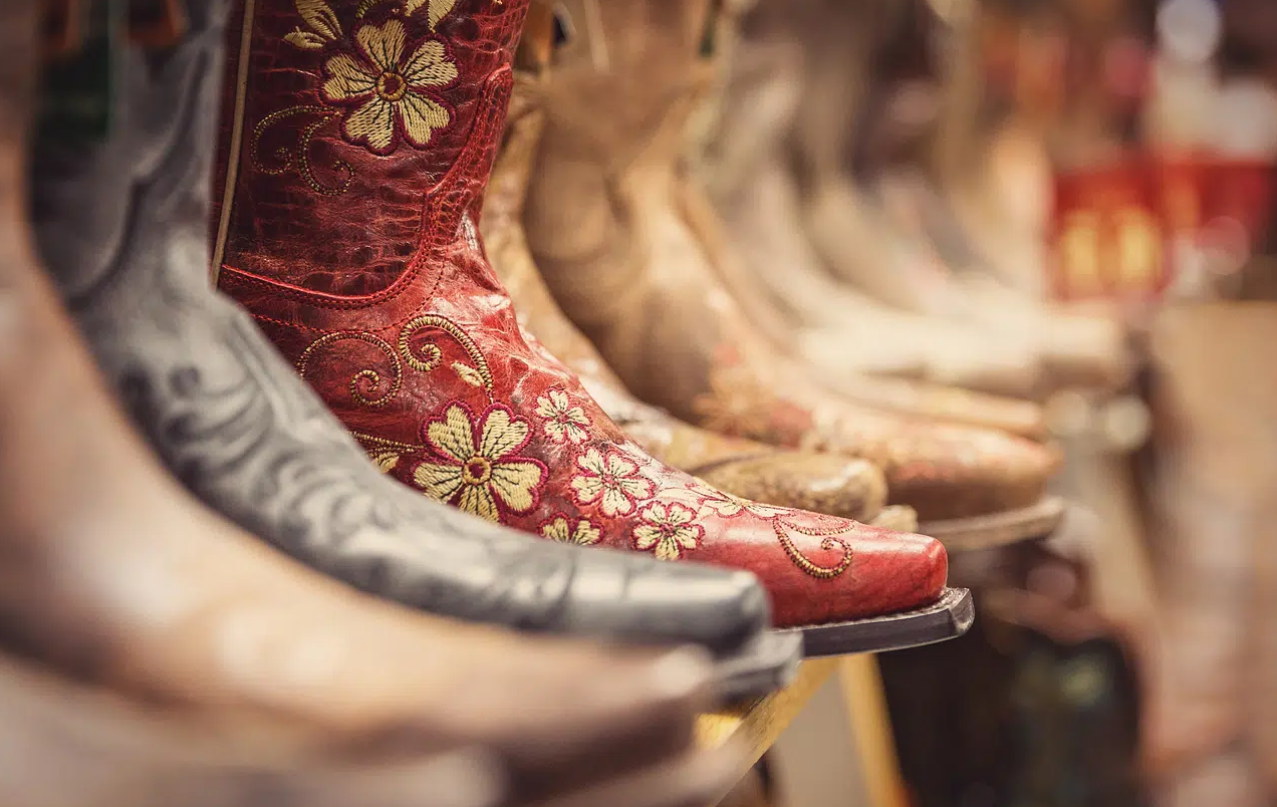
Fashion buyers usually focus on how boots look when worn.
They may care less about whether the boot has lemonwood pegs or a rare maker’s mark. Instead, they look at color, shape, height, comfort, and outfit flexibility.
A fashion buyer may want a sleek black boot for everyday wear. Another may want white boots for concerts and special events. Someone else may choose metallic leather, bright embroidery, or a tall dramatic shaft because it matches their personality.
Fashion buyers often follow seasonal trends. Western fashion moves in cycles, and cowboy boots regularly return to the spotlight. A style that feels fresh one year may feel less current later, although classic boots tend to hold their appeal.
For fashion buyers, the right pair is the one that feels exciting and wearable.
Rarity Matters More to Collectors
Collectors often care about rarity.
A boot can become collectible for many reasons. It may come from a respected Texas maker. It may feature unusual leather. It may have been made during a specific era. It may include rare stitching patterns, custom initials, or a unique color combination.
Some collectors also look for boots connected to rodeo culture, country music, ranching history, or famous bootmaking regions.
A rare pair does not always need to look flashy. Sometimes the value lies in the maker, condition, or age. A plain brown pair from a notable custom shop may interest a collector more than a trendy modern pair covered in rhinestones.
Fashion buyers may enjoy rare boots too, but rarity is usually not the main reason they buy.
Wearability Matters More to Fashion Buyers
Fashion buyers usually want boots they can actually wear.
That means fit matters. Comfort matters. Heel height matters. Shaft height matters. Even the width of the calf can decide whether a pair works or stays in the closet.
A collector may tolerate a less-than-perfect fit if the boots are rare or display-worthy. A fashion buyer usually will not.
Fashion buyers also think about real-life situations. Can they walk around in these boots for hours? Do they work with jeans? Can they dress them up? Are they too delicate for daily wear? Do they pinch?
A boot that looks great on a shelf may not work for someone who wants a reliable wardrobe piece.
Price Means Different Things to Each Buyer
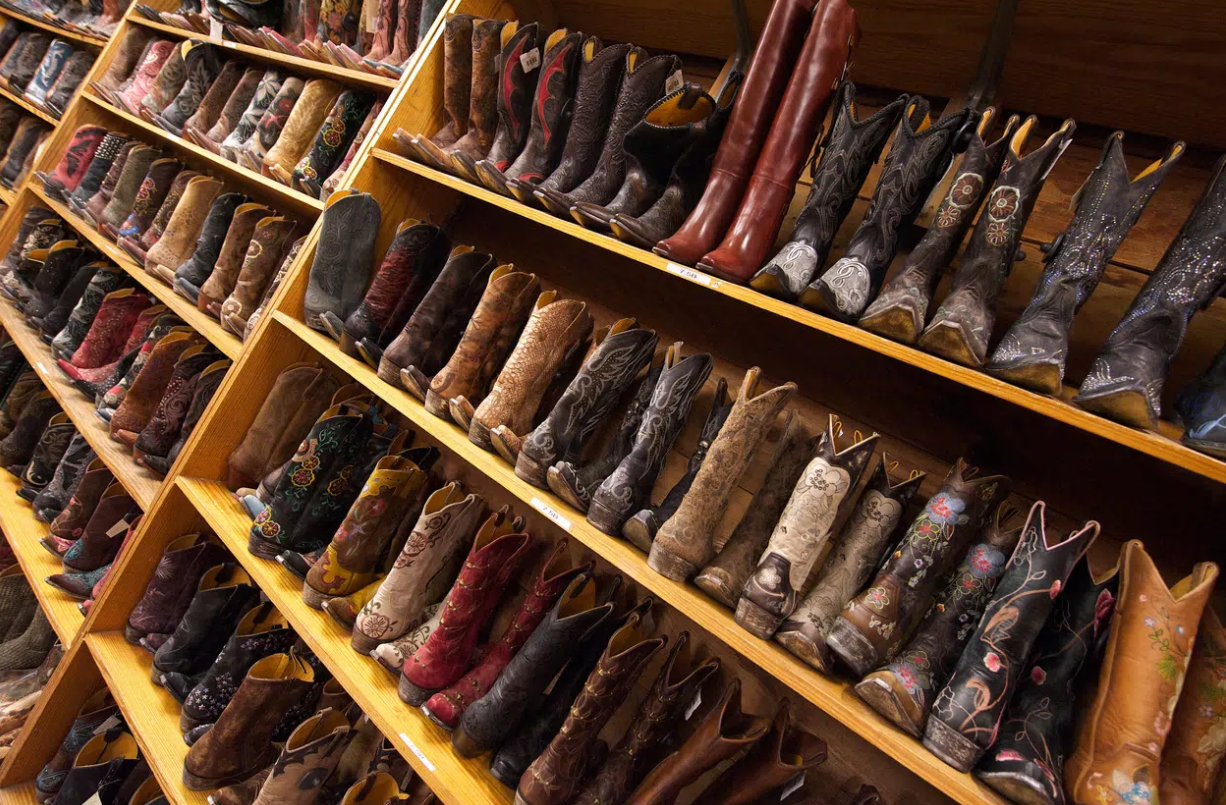
Collectors and fashion buyers may both spend a lot of money on boots, but they judge price differently.
A collector may see a high price as reasonable if the boot is rare, handmade, historically interesting, or in excellent condition. They may compare prices across makers, years, materials, and resale markets.
A fashion buyer may judge price by wear value. If a pair costs more but can be worn often, styled easily, and kept for years, it may feel worth it. If a pair is trendy but uncomfortable, even a lower price may feel like a bad deal.
This is why the same pair can look like a treasure to one person and a pass to another.
Condition Has Different Levels of Importance
Condition matters to both groups, but in different ways.
Collectors often inspect condition closely because it affects value. Original soles, clean stitching, strong leather, intact labels, and minimal repairs can increase appeal. Damage can reduce collectibility, especially if it changes the structure or originality of the boot.
Fashion buyers care about condition too, but mainly because they want the boots to look good and last. A little scuffing may not matter if the boots still style well. In fact, some buyers like a broken-in look because it feels authentic and relaxed.
Collectors often ask, “Is this pair preserved well?”
Fashion buyers often ask, “Can I wear this without worrying?”
Vintage Boots Can Attract Both Groups
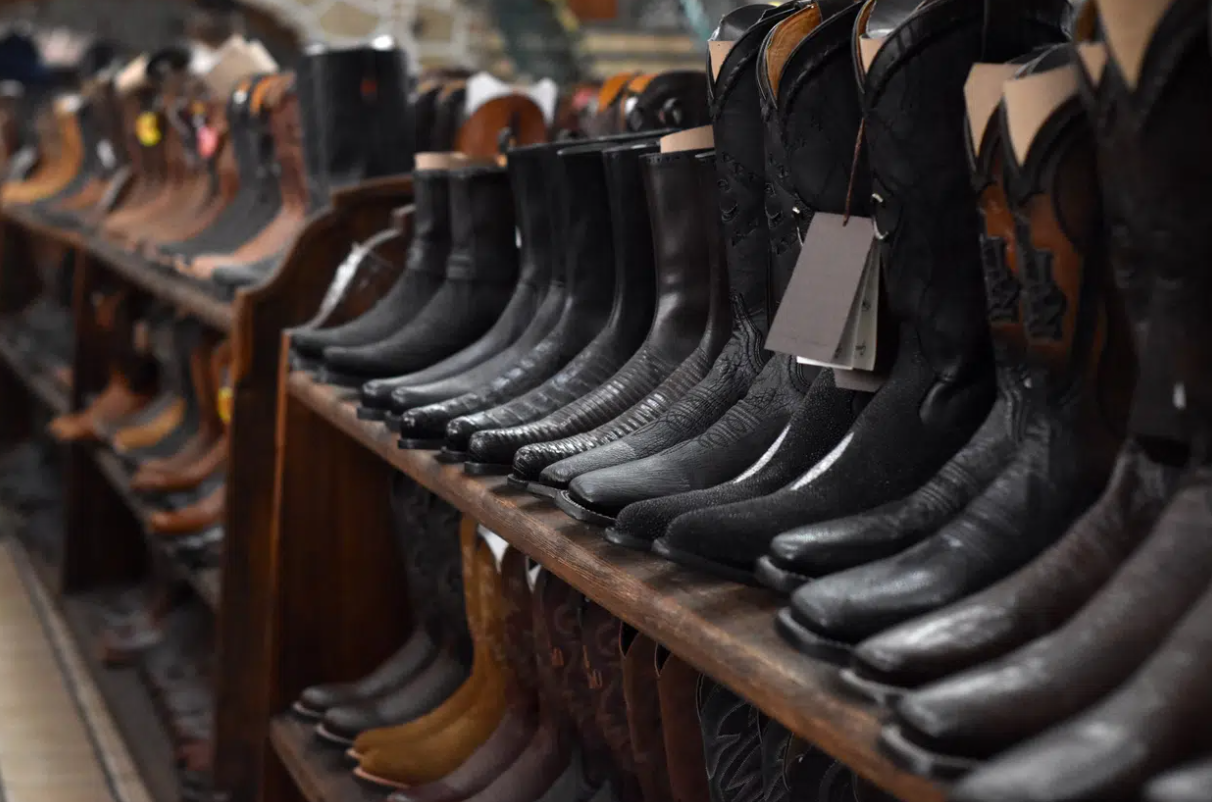
Vintage Texas boots sit right in the middle of collecting and fashion.
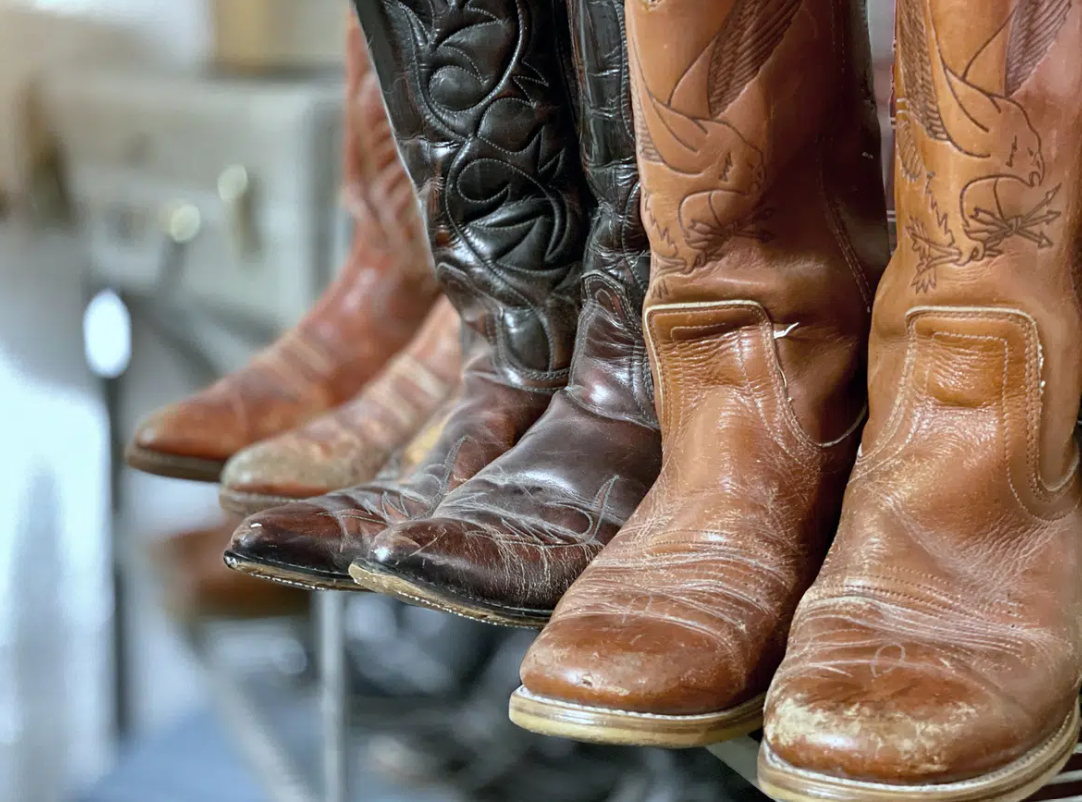
Collectors may value vintage boots for their age, construction, maker, and rarity. Fashion buyers may love them because they offer character that newer boots sometimes lack.
A vintage pair can bring personality to an outfit. The leather may have a softer look. The color may feel less common. The stitching may have a hand-done charm. For people who want boots with a story, vintage pairs can be especially appealing.
Still, vintage buying requires caution.
Older boots may have dry leather, worn soles, weak pull tabs, or sizing differences. A collector may accept those issues if the pair is rare. A fashion buyer should think carefully about whether the boots are wearable.
Custom Boots Are a Collector’s Dream and a Fashion Buyer’s Statement
Custom boots are another area where both worlds overlap.
A collector may appreciate custom boots because they show high-level craftsmanship. A custom pair can reflect a specific maker’s style, a client’s personality, or a moment in bootmaking history.
A fashion buyer may choose custom boots because they want something personal. They may want a certain color, toe shape, shaft height, leather, or design that cannot be found in regular retail stores.
Custom boots can be expensive, but they offer something special. They are made with intention. For collectors, that intention adds interest. For fashion buyers, it adds individuality.
Why the Difference Matters When Shopping
Knowing whether you are collecting or buying for fashion helps you make smarter choices.
If you are a collector, you should slow down and research before buying. Learn about Texas bootmakers, construction methods, vintage labels, leather types, and resale value. Do not rely only on looks. A beautiful boot may not be collectible if it lacks quality, rarity, or condition.
If you are a fashion buyer, you should focus on fit, comfort, and styling. A rare boot is not useful if you never wear it. A trendy pair is not worth much to your wardrobe if it hurts your feet or only works with one outfit.
Shopping becomes easier when you know your goal.
Can You Be Both?
Absolutely.
Many boot lovers are both collectors and fashion buyers. They may have a few pairs they protect carefully and several pairs they wear often. They may appreciate a rare vintage pair but still enjoy a new fashion-forward design.
In Texas, that mix makes sense.
Boots live in both worlds. They belong in ranch work, dance halls, rodeos, weddings, concerts, offices, and collections. They can be practical, stylish, historic, or personal.
The key is knowing why you are buying each pair.
How to Decide Which Type of Buyer You Are
Ask yourself a few simple questions.
- Do you care most about who made the boots?
- Are you interested in age, rarity, and craftsmanship?
- Would you buy a pair even if you rarely planned to wear it?
If yes, you may lean toward collecting.
Now ask a different set of questions.
- Do you care most about how the boots look with your clothes?
- Do you want a pair you can wear often?
- Are comfort and versatility your top concerns?
If yes, you may lean toward fashion buying. You do not have to choose one side forever. Your buying habits can change over time.
Common Mistakes Collectors Make
Collectors can sometimes get so focused on rarity that they overlook condition or authenticity.
A rare pair in poor shape may require expensive repair. A boot with heavy damage may lose much of its value. Some boots may also be misrepresented by sellers who know that words like “vintage,” “custom,” or “rare” attract attention.
Collectors should be careful, patient, and informed.
Good collecting requires research. It also requires knowing when to walk away.
Common Mistakes Fashion Buyers Make
Fashion buyers sometimes choose looks over fit.
That can lead to boots that sit unused because they pinch, rub, slip, or feel too stiff. Another common mistake is buying a highly trendy pair without thinking about long-term wear.
A bold boot can be a great purchase. But it should still fit your lifestyle.
Before buying, fashion buyers should think about where they will wear the boots, what clothing they already own, and whether the pair feels comfortable enough for real use.
The Texas Factor
Texas gives cowboy boots a special kind of meaning.
Here, boots are tied to work, pride, music, dance halls, rodeo culture, family tradition, and personal style. Some people wear them because they grew up around them. Others discover them later and fall in love with the look.
That deep connection is one reason the collector and fashion buyer distinction matters.
A Texas boot collector may preserve pieces of regional craft. A fashion buyer may keep Western style visible in modern life. Both play a role in keeping boot culture alive.
Final Thoughts
The difference between a Texas boot collector and a fashion buyer comes down to purpose.
Collectors look for history, craftsmanship, rarity, and long-term value. Fashion buyers look for style, comfort, personality, and wearability. Both care about boots, but they care in different ways.
A great boot can satisfy both sides. It can be well made, beautiful, comfortable, and meaningful. But not every boot needs to do everything.
Before buying your next pair, ask yourself what matters most. Are you preserving a piece of Texas bootmaking history, or are you choosing a pair that makes your outfit feel complete?
Either answer can lead to a smart purchase.
The difference matters because it helps you buy with confidence, spend wisely, and enjoy your boots for the right reasons.
Comments (0)
No comments yet. Be the first to share your thoughts.
Leave a comment