


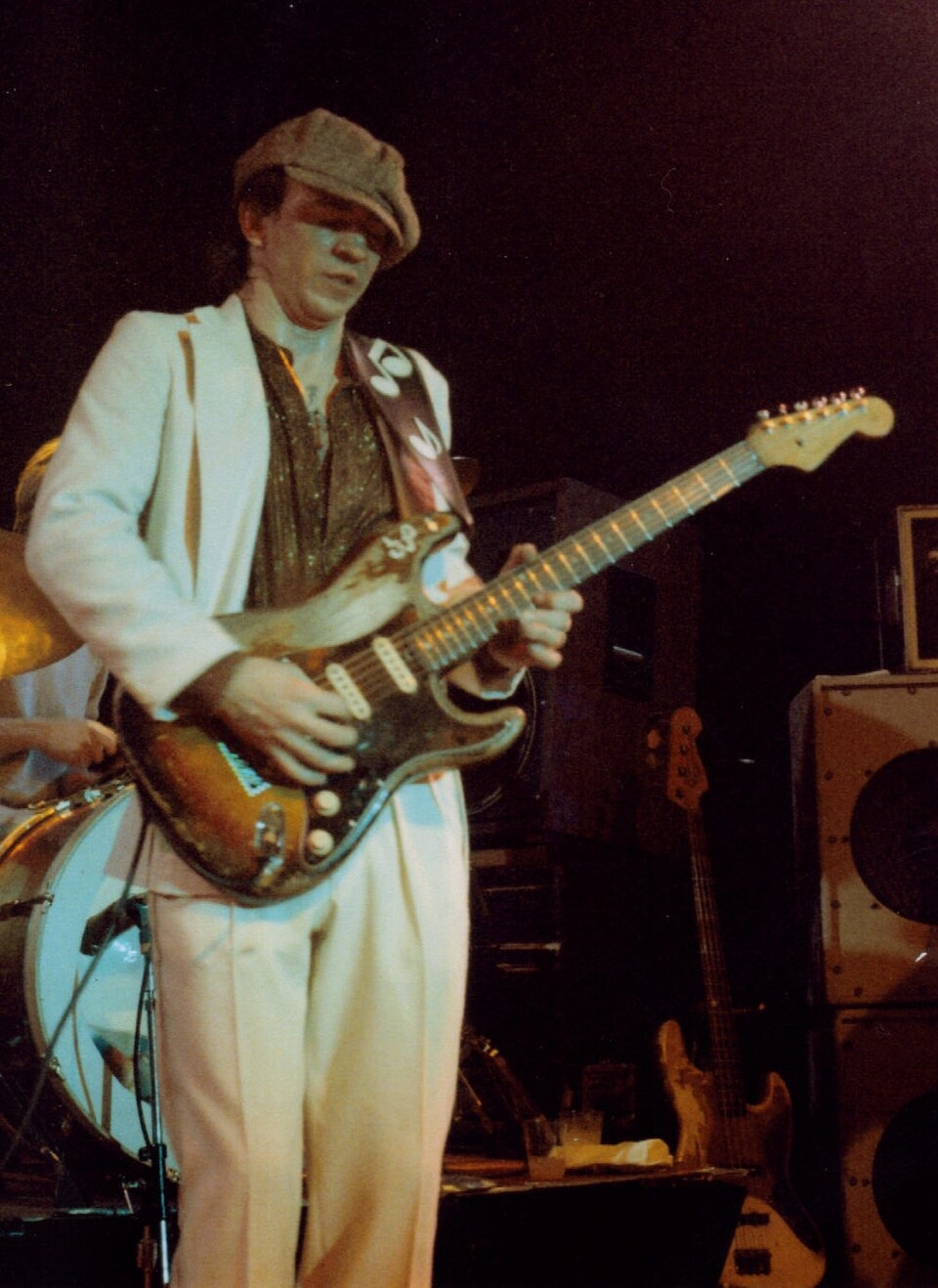
Image: Bbadventure, Stevie Ray Vaughan Live 1983, CC BY-SA 4.0
Stevie Ray Vaughan’s electrifying guitar techniques transformed blues music, leaving a lasting impression on Austin’s vibrant scene. Born in Dallas, Vaughan overcame personal struggles to emerge as a blues legend, forming his band, Double Trouble. His iconic Texas Flood album and collaborations brought him national acclaim.
Despite battling addiction, Vaughan’s soulful style and improvisation inspired countless musicians. Discover his legacy and how he reshaped the genre, influencing a new generation of guitarists.
Early Life and Influences
Born on October 3, 1954, in Dallas, Texas, Stevie Ray Vaughan’s early life was marked by challenges, particularly his father’s alcoholism and violence. Despite this, his passion for music remained steadfast.
Vaughan received a toy guitar at age seven, and his journey into blues music began. His brother, Jimmie Vaughan, played a crucial role, introducing him to guitar playing and blues, which became his escape and solace.
Although he originally dreamed of playing drums, a lack of access led him to fully embrace the guitar. Influenced by both blues and rock artists, Vaughan’s dedication steadily grew.
Musical Beginnings and Austin’s Club Scene
Although Stevie Ray Vaughan’s musical journey began in the early 1960s, it wasn’t until his move to Austin in 1972 that his career truly accelerated. Inspired by legends like B.B. King and guided by his brother Jimmie, he quickly immersed himself in Austin’s dynamic club scene.
As a budding guitarist, he captivated local crowds with his raw talent and stage energy. Performing as “Little Stevie Vaughan,” he gained traction before forming Double Trouble.
The city’s lively music venues gave him space to refine his sound. This dedication culminated in Double Trouble gaining national attention at the Montreux Jazz Festival in 1982—an appearance that marked the beginning of his rise.
Formation of Double Trouble
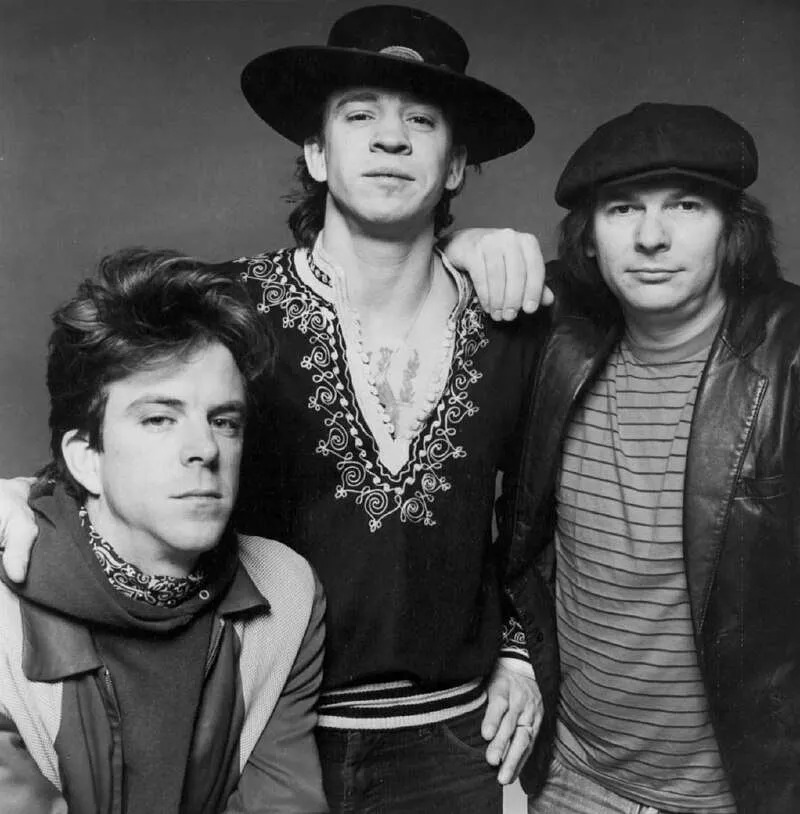
Vaughan’s success in Austin’s club scene led to the formation of Double Trouble in 1978. Alongside bassist Tommy Shannon and drummer Chris Layton, Vaughan formed a trio that would redefine modern blues.
They named the band after an Otis Rush song, reflecting their deep blues influence. Their intense sound and Vaughan’s fiery guitar playing electrified audiences and helped revive the blues genre.
Their landmark performance at the 1982 Montreux Jazz Festival was a turning point, drawing the attention of music legends and leading to major-label opportunities.
Breakthrough Performances and Collaborations
In 1982, Vaughan’s career catapulted after his Montreux performance, drawing the interest of David Bowie, who invited him to play on the album Let’s Dance (1983). Though Vaughan declined touring with Bowie, the collaboration opened doors.
Soon after, Double Trouble released Texas Flood (1983), earning critical and commercial success. Vaughan’s style—channeling the intensity of Jimi Hendrix—won fans and critics alike.
Performances at venues like Carnegie Hall showcased his brilliance. These milestones helped secure his legacy and influence in both blues and rock circles.
Iconic Albums and Chart Success
Released in 1983, Texas Flood peaked at #38 on the Billboard 200 and later achieved double platinum status. Its standout tracks like Pride and Joy confirmed Vaughan’s stature.
His 1989 album In Step, recorded after achieving sobriety, featured the hit Crossfire and won the Grammy Award for Best Contemporary Blues Album.
Vaughan’s posthumous influence remains strong—with over 15 million albums sold in the U.S. and continued critical acclaim. He was inducted into the Rock and Roll Hall of Fame in 2015, affirming his enduring musical importance.
Personal Struggles and Challenges
Though immensely talented, Vaughan struggled with addiction, often using cocaine and alcohol, which affected his health and career.
He was arrested in 1979 for cocaine possession, resulting in probation and rehab. A near-fatal collapse in 1986 forced him to confront his substance abuse and seek recovery.
Achieving sobriety not only saved his life but led to a creative resurgence, including the acclaimed album In Step. His struggles mirrored the emotional depth of his music, making his triumph even more powerful.
Signature Guitar Style and Techniques
Stevie Ray Vaughan redefined the blues guitar landscape with a bold and emotionally raw style. His weapon of choice, a “Number One” Fender Stratocaster, contributed to his iconic tone.
He favored heavy strings—from .013 to .074—which enhanced his attack and tone. Tuning his guitar down a half step gave his solos a soulful edge. His vibrato and phrasing added character to every note.
Practicing with a metronome helped maintain rhythmic precision. Vaughan’s technique continues to influence players seeking both technical excellence and emotional depth.
Tragic Loss and Aftermath
On August 27, 1990, following a performance at Alpine Valley Music Theatre, Stevie Ray Vaughan died in a helicopter crash in East Troy, Wisconsin. The crash occurred in heavy fog, killing all aboard, including members of Eric Clapton’s touring crew.
Vaughan’s death shocked the music world. Though only 35, his impact was massive. His recordings continue to inspire guitarists and music lovers across generations.
Posthumous Recognition and Awards
Following his death, accolades continued to honor Vaughan’s immense talent. In 2015, he and Double Trouble were inducted into the Rock and Roll Hall of Fame.
His album In Step won the Grammy for Best Contemporary Blues Album. Rolling Stone ranked him #12 on their list of the 100 Greatest Guitarists, not #7 as sometimes misquoted.
Tributes, documentaries, and blues festivals across the U.S. continue to celebrate his contributions. Vaughan’s influence remains vital to American music culture.
Lasting Legacy in the Blues Genre
Though his career ended prematurely, Stevie Ray Vaughan’s legacy continues to shape modern blues. With Double Trouble, he revived interest in the genre at a time when it was considered niche.
Songs like Pride and Joy and Texas Flood reconnected audiences with the emotional core of blues, while his style blended soul, rock, and Texas blues into something timeless.
- “Texas Flood” achieving double platinum status
- Vaughan’s induction into the Rock and Roll Hall of Fame in 2015
- Over 15 million posthumous album sales in the U.S.
His legacy continues to inspire and shape the blues genre, ensuring his contributions are celebrated and influential.

Comments (0)
No comments yet. Be the first to share your thoughts.
Leave a comment