



You've probably heard it before: Texans are some of the friendliest people you'll ever meet.
They're the kind of people who wave from their trucks, strike up conversations in grocery store lines, and call you "hon" even though you've never met. Ask for directions, and you might get a whole conversation about the best barbecue joint along the way.
At least, that's the reputation.
But spend enough time in Texas, especially in a big city during rush hour, and you might start to wonder whether everyone got the memo.
So, is Texas really as friendly as people say? Or is the famous Texas hospitality just another Lone Star State stereotype?
The answer is a little more interesting than a simple yes or no.
First, Texas Literally Means Friends
Here's something that gives Texas a pretty strong argument right from the start: the state's name is connected to the idea of friendship.
The word Texas comes from a Caddo word commonly written as táyshaʼ, meaning "friend" or "ally." Spanish explorers adopted a version of the word, which eventually became the name we know today.
In 1930, Texas officially adopted "Friendship" as its state motto.
That's right. Of all the things Texas could have chosen to represent itself—independence, courage, barbecue—it went with friendship.
Of course, having a friendly name doesn't automatically make everyone friendly. But it does explain why hospitality has become such a big part of the state's identity.
And Texans have spent generations building a reputation around it.
The Texas Wave Is a Real Thing
If you've ever driven through a small Texas town or down a quiet country road, you may have noticed something unusual.
People wave at you.
Not necessarily a big, enthusiastic wave. Sometimes it's just two fingers lifted from the steering wheel. Other times, it's a quick nod from someone driving in the opposite direction.
You don't have to know each other. That's not really the point.
It's simply a way of acknowledging another person.
The same thing happens when you're walking through a neighborhood, browsing a small-town store, or waiting for your food at a local diner.
Someone might say hello, ask how your day's going, or make a comment about the weather.
And if it's August in Texas, there's a good chance that comment will involve how unbelievably hot it is.
These little interactions may not seem like much, but they're part of what people mean when they talk about Texas friendliness.
It's the feeling that strangers don't always have to act like strangers.
Texans Can Turn a Quick Hello Into a Whole Conversation
In some places, asking a stranger how they're doing is just another way of saying hello.
In Texas, you might actually get an answer.
Ask someone about their favorite barbecue restaurant, and you could find yourself in a surprisingly passionate debate about brisket.
Mention that you're visiting from out of state, and there's a chance someone will start recommending places you absolutely have to see before you leave.
And if you tell a longtime Texan you're thinking about moving there? You may get advice about neighborhoods, weather, traffic, property taxes, and why you should never underestimate the summer heat.
That conversational openness is one of the most recognizable parts of Texas hospitality.
Of course, not everyone enjoys chatting with strangers. Some Texans prefer to keep to themselves, just like people anywhere else.
But in many communities, casual conversation is still a familiar part of everyday life.
And Yes, Food Is Part of the Hospitality
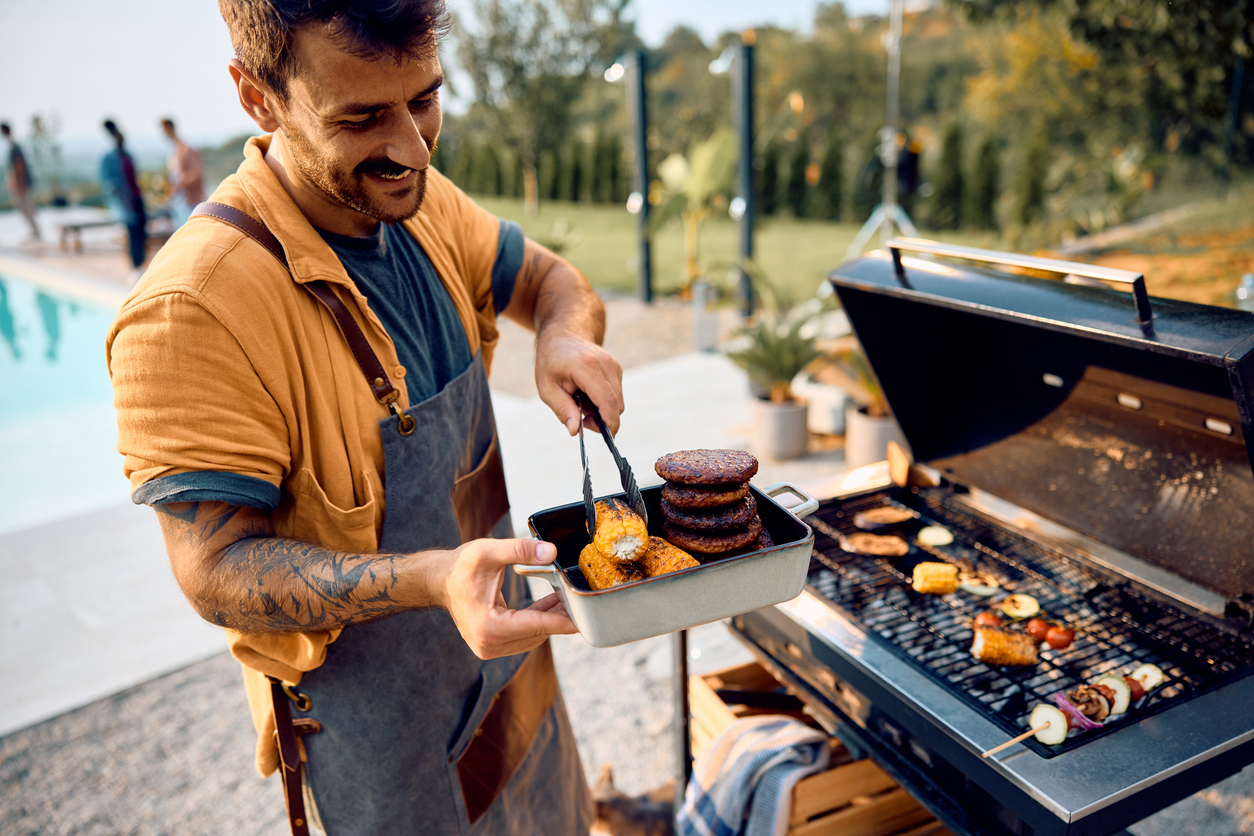
There's a reason so many stories about Texas hospitality involve food.
Around here, feeding people is practically its own language.
It might be a neighbor inviting you over for barbecue, a family making sure you leave with leftovers, or someone bringing a casserole when you're going through a difficult time.
In South Texas, hospitality might mean being welcomed to a backyard carne asada or offered another homemade tamale even after you've insisted you're full.
In Central Texas, it could be an afternoon around the smoker, with everyone debating when the brisket will finally be ready.
And in East Texas, sharing a home-cooked meal remains a familiar way to welcome guests and bring people together.
These traditions aren't unique to Texas, and they vary from family to family. But across the state, sharing food is one of the simplest ways people show they care.
Sometimes, a plate of food says more than a long conversation ever could.
When Things Get Tough, Texans Often Show Up for Each Other
Friendly greetings are nice. But helping someone when they really need it says much more.
One of the clearest examples came during Hurricane Harvey in 2017.
As catastrophic flooding devastated parts of Houston and Southeast Texas, neighbors, volunteers, and rescue groups stepped in to help people trapped by rising water.
Ordinary residents used personal boats to assist with rescues. Families opened their homes to people who had nowhere else to go. Volunteers delivered food, clothing, and supplies to affected communities.
The volunteer boat rescuers often associated with the Cajun Navy became especially well known during the disaster.
The response wasn't perfect, and recovery took years for many families. But the willingness of people to help strangers became one of the defining stories of the hurricane.
Texans have demonstrated similar community support during other emergencies, from major floods to winter storms and wildfires.
These moments reveal a kind of friendliness that goes beyond saying hello.
It's about showing up when someone needs a hand.
But Is Everyone in Texas Actually Friendly?
Well, no.
Texas has millions of residents, and they're not all going to be cheerful, welcoming, or eager to help.
Anyone who's spent time stuck in Houston traffic or navigating a crowded Dallas freeway knows that Texas drivers don't always live up to the state's famous "Drive Friendly" message.
And while some visitors find Texans incredibly welcoming, others have very different experiences.
The state is enormous, with communities that vary widely in culture, politics, income, and everyday life. Someone's experience in a small Hill Country town may be completely different from their experience in downtown Austin or suburban Houston.
It's also worth remembering that friendliness and hospitality aren't always the same thing.
Someone might be perfectly polite to a stranger without making them feel genuinely included. A community might have warm traditions while still being difficult for some newcomers to navigate.
So the idea that Texas is universally welcoming deserves a little skepticism.
The state's friendly reputation is real, but that doesn't mean every Texan—or every Texas experience—will live up to it.
Small-Town Texas vs. Big-City Texas: Is There a Difference?
Ask Texans where you'll find the friendliest people, and you're likely to hear plenty of opinions.
Some will insist that small towns are where true Texas hospitality still thrives.
Others will point out that big cities have their own welcoming communities, even if people are a little less likely to wave at every passing car.
And there's some truth to both perspectives.
In a smaller town, you're more likely to run into familiar faces at the grocery store, local café, or Friday night football game. Neighbors may know one another, and community events can bring much of the town together.
In larger cities like Houston, Dallas, San Antonio, and Austin, people tend to move at a faster pace.
But big-city hospitality often shows up in different ways.
It might be a neighborhood helping a new family settle in, a local business owner remembering regular customers, or strangers connecting over food, music, and community festivals.
San Antonio, for example, is known for traditions that bring families and communities together, from neighborhood celebrations to Fiesta.
Houston's international communities have also helped create a city where visitors can experience a remarkable variety of cultures, cuisines, and traditions.
Friendliness doesn't always look the same everywhere.
Sometimes it's a wave from a pickup truck. Sometimes it's someone helping you feel at home in a city of millions.
What About All Those "Howdy" Greetings?

Let's address another Texas stereotype.
Does everyone actually say "howdy"?
Not exactly.
You'll certainly hear it, particularly in certain communities and settings. But plenty of Texans say "hey," "hello," or "what's up" just like everyone else.
The same goes for "y'all."
That one really is common, although Texas certainly doesn't have exclusive rights to it.
What's interesting isn't necessarily the words Texans use. It's the way greetings can create an easy sense of familiarity.
A casual "How y'all doing?" from a shopkeeper or restaurant server can make a visitor feel welcome.
And sometimes, that's all it takes to leave a good impression.
Is Texas Friendlier Than Other States?
Here's where things get tricky.
Texas certainly has a strong reputation for hospitality, but claiming it's objectively the friendliest state in America is much harder.
Different surveys use different methods to measure friendliness. Some focus on residents' behavior, while others consider volunteering, community involvement, or people's impressions of a destination.
Those measurements don't always tell us how welcoming a place actually feels to someone visiting or moving there.
And Texas isn't alone in its hospitality traditions.
Southern states such as Georgia, Tennessee, and South Carolina are also known for friendly greetings, neighborly customs, and welcoming visitors.
Meanwhile, communities throughout the Midwest are often associated with a different kind of friendliness: helpfulness, politeness, and looking out for neighbors.
Texas has its own combination of Southern, Western, Mexican, and other cultural influences, but it doesn't have a monopoly on being nice.
Whether someone considers it friendlier than another state often comes down to personal experience.
Why Texas Hospitality Still Matters
Texas has changed enormously over the years.
Its major cities have grown, new residents have arrived from across the country and around the world, and communities have become increasingly diverse.
Not every part of the state feels like the small-town Texas often portrayed in movies or television.
But the idea of hospitality still matters.
You can see it in neighborhood cookouts, church gatherings, school fundraisers, volunteer groups, community festivals, and people helping one another through difficult times.
It also appears in smaller moments that rarely make the news.
A neighbor bringing in someone's trash bins.
A stranger helping change a flat tire.
Someone making room for another family at a crowded picnic table.
None of these gestures is exclusively Texan. But together, they help explain why the state's friendly reputation has lasted.
So, Is Texas Really the Friendly State?
I'd say Texas has earned much of its reputation, but with a few qualifications.
You won't find kindness around every corner. Not everyone waves, not every stranger wants to chat, and not every community is equally welcoming.
But there's something memorable about the way hospitality shows up in many parts of Texas.
It can be casual, talkative, generous, and occasionally a little over the top.
Sometimes it's a friendly greeting. Sometimes it's a long conversation you didn't expect to have. And sometimes it's someone stepping up to help when things go wrong.
Maybe that's the best way to think about the Texas motto.
Friendship isn't something a state can guarantee. It's something people choose to practice.
And in Texas, there are plenty of people who take that tradition seriously.
What do you think? Are Texans really as friendly as their reputation suggests, or have you had a different experience?

Comments (0)
No comments yet. Be the first to share your thoughts.
Leave a comment