


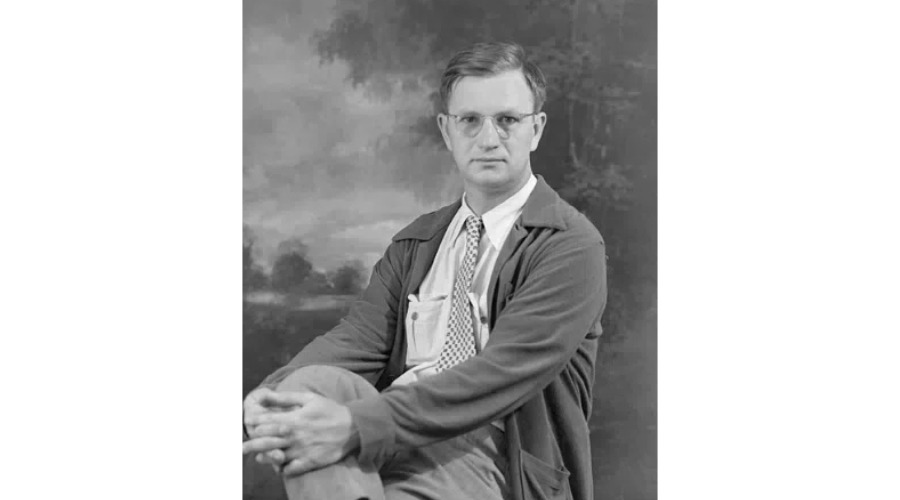
Russell Lee, an Austin-based photographer, truly captured the heart of Texas with his compelling images. Originally a chemical engineer, Lee shifted to photography and focused on documenting the state’s social and cultural dynamics.
His work, especially during the Great Depression for the Farm Security Administration, highlights American resilience and community life. Known for his storytelling through candid photos, Lee’s legacy in documentary photography continues to inform and inspire. Keep exploring to uncover more about his impact and influence.
Early Life and Education

Although Russell Lee is renowned for his photography, his story began in a different field. Born on July 21, 1903, in Ottawa, Illinois, Lee’s early life was shaped by his education at Culver Military Academy in Indiana. This experience laid a strong foundation for his future endeavors.
After high school, he pursued a degree in chemical engineering at Lehigh University, graduating in 1925. Initially starting on a career as a chemist, Lee’s path took a creative turn when he began exploring painting, setting the stage for his eventual focus on photography.
His crucial career shift occurred in 1936 when the Farm Security Administration hired him, marking the beginning of his emergence as an influential American photographer.
Transition From Chemistry to Photography
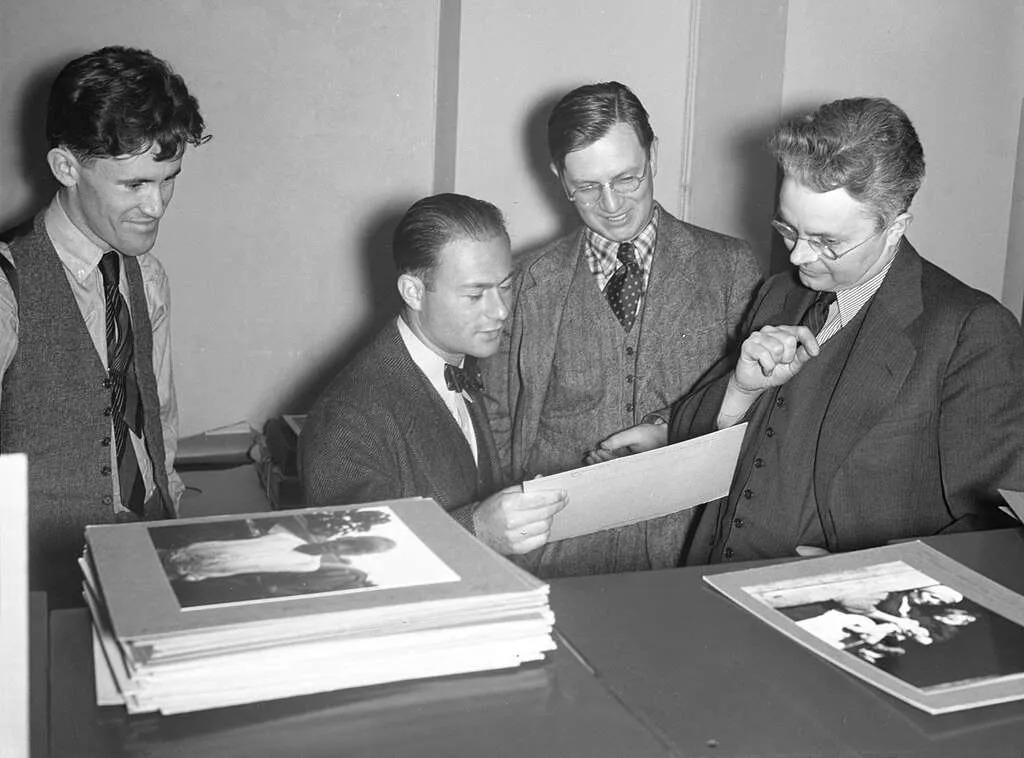
Russell Lee’s path into photography began with a surprising change from his initial profession in chemical engineering. After earning his degree from Lehigh University, Lee worked briefly as a chemist.
However, he found his true calling in the arts, first taking up painting and eventually photography. His background in chemistry honed his attention to detail, which became evident in his expressive art form.
- Artistic Skills: Lee’s ability to capture emotion and detail set his work apart, especially during the Great Depression.
- Documentary Approach: His shift to photography allowed him to document American struggles, a skill later utilized by the Farm Security Administration.
- Teaching Legacy: By 1965, he began teaching, becoming the first photography instructor at the University of Texas, inspiring future photographers.
Joining the Farm Security Administration
In 1936, when the Great Depression‘s impact was still profoundly felt across the United States, Russell Lee joined the Farm Security Administration (FSA) to document the nation’s struggles.
Under Roy Stryker’s direction, Lee became a key figure in documentary photography, capturing the essence of American life and its resilience. Working alongside legends like Dorothea Lange and Walker Evans, Lee focused on social issues, using his camera for visual storytelling.
Lee’s tenure at the FSA was marked by his prolific output, producing over 25,000 negatives. His powerful images highlighted the struggles and endurance of communities, including poignant documentation of Japanese American internment during World War II.
This experience shaped Lee’s approach to photography, emphasizing the importance of capturing raw human emotions and social realities.
Capturing Texas and Rural America
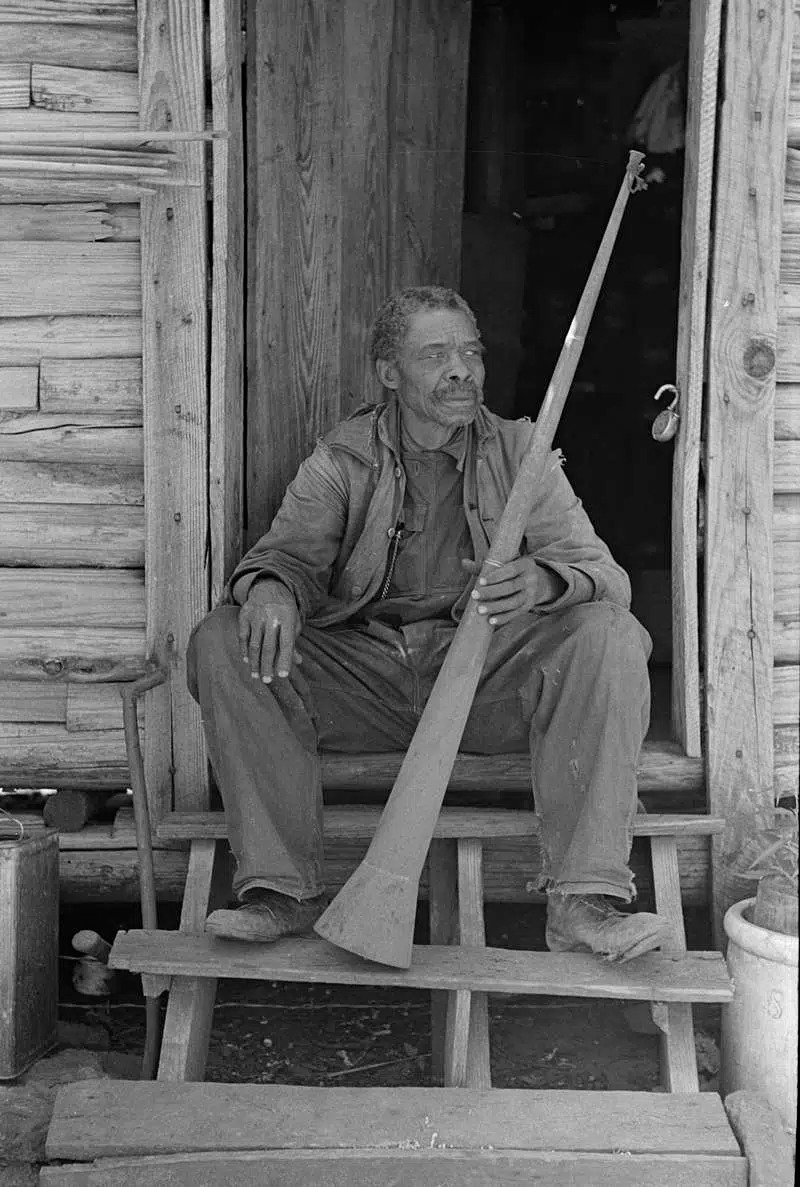
As you explore Russell Lee’s work capturing Texas and rural America, you’ll uncover a profound depiction of everyday life during the Great Depression. His photography, primarily for the FSA, vividly portrays the struggles and resilience of rural communities.
With over 25,000 negatives, Lee documented social issues like segregation and labor conditions, creating a visual record that resonates with future generations.
- Pie Town Fair: Lee’s iconic images from the 1940 event in New Mexico highlight community bonding during tough times.
- Social Issues: His work sheds light on segregation and labor struggles in rural America.
- Legacy and Archives: Lee’s extensive documentation is preserved in archives like the University of Texas at Austin, ensuring his influential legacy endures.
Impact of Lee’s Work During the Great Depression
Exploring Russell Lee’s powerful images of Texas and rural America naturally leads to understanding the broader impact of his work during the Great Depression. Hired by the FSA in 1936, Lee produced over 25,000 photographs, providing an unparalleled documentary of the time period.
His images captured the resilience of American communities facing economic hardship, illustrating the struggles of families and workers. Lee’s work didn’t just document individual trials; it spotlighted collective social issues, fostering empathy and awareness.
From documenting Japanese American internment to capturing the plight of coal miners, his photographs told a poignant visual narrative. These images remain an irreplaceable historical record, offering insight into American resilience and shaping discussions on social history even today.
Legacy and Influence on Documentary Photography
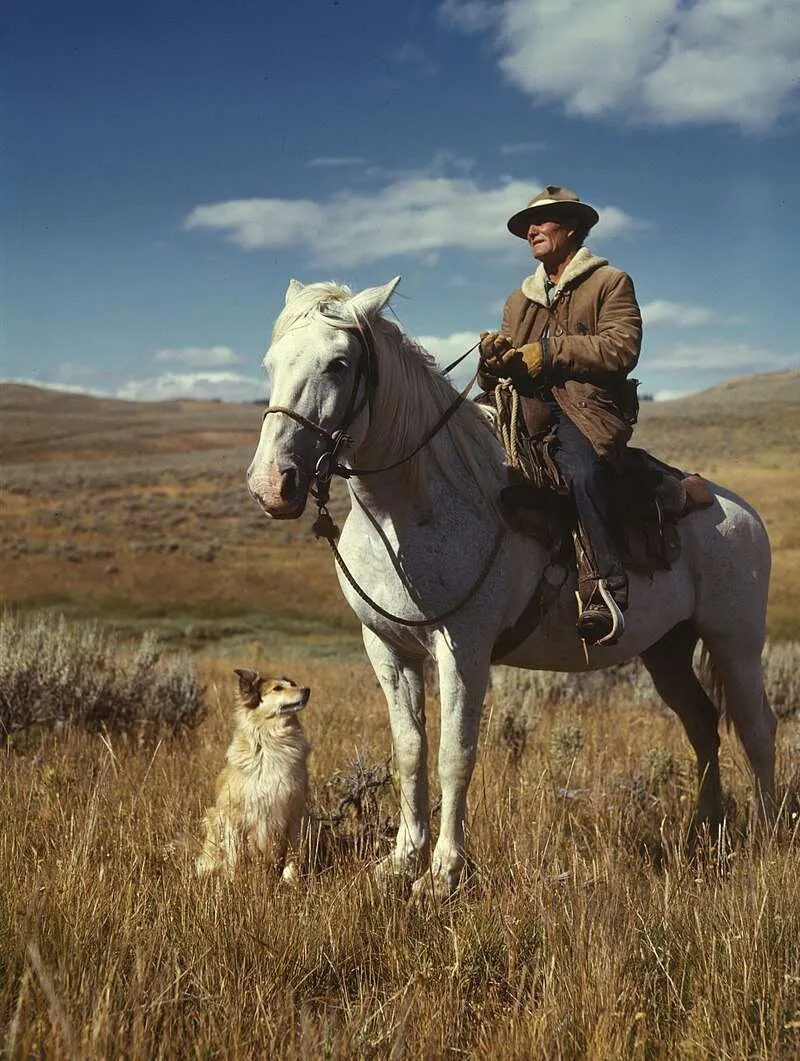
Although Russell Lee’s work with the Farm Security Administration cemented his place in the annals of documentary photography, his influence extends far beyond those Depression-era images.
As an influential photographer, Lee captured social issues and community struggles, creating a visual record that still resonates today. At the University of Texas, he became the first official photography instructor, nurturing future talents and deepening the appreciation for documentary photography.
His legacy is preserved in collections at prestigious institutions, ensuring his work continues to inspire and inform.
- His images address significant social issues like segregation, highlighting community struggles.
- Lee’s impact is recognized in Austin culture, with a school named after him.
- His work remains an essential educational resource, fostering ongoing dialogue.
Contributions to the University of Texas
Russell Lee’s transformative role at the University of Texas began in 1965 when he became the school’s first photography instructor. His contributions were crucial in elevating photography as an academic discipline.
Emphasizing documentary photography, Lee inspired students to appreciate the art of capturing social issues, blending his invaluable experience from the FSA into his lessons.
As a mentor, he fostered a creative environment, encouraging students to delve into visual storytelling and develop their photographic potential.
His impact didn’t just stop in the classroom; his legacy lives on through the materials preserved at the Dolph Briscoe Center for American History. Here, his work continues to inspire and educate future generations, cementing his enduring influence at the university.
Recognition and Awards
Beyond his contributions at the University of Texas, Russell Lee’s impact on photography has been recognized far and wide. His work in documentary photography, especially during the Great Depression and World War II under the FSA, remains crucial.
Lee’s legacy is celebrated through numerous recognitions and awards, highlighting his influence on American visual history.
- In 2016, Austin’s Robert E. Lee Elementary School was renamed Russell Lee Elementary, honoring his contributions to photography education and his lasting legacy.
- His photographs are housed in the Library of Congress, University of Louisville, and New Mexico Museum of Art, showcasing his timeless influence.
- The National Archives Museum plans to exhibit Power & Light: Russell Lee’s Coal Survey in 2024, further cementing his impact.
Accessing Russell Lee’s Photographic Collections
If you’re keen to explore Russell Lee’s extensive photographic legacy, there are several avenues available to immerse yourself in his work.
Access his photographic collections through the Texas State Digital Collections, offering free access online. At the Dolph Briscoe Center for American History at the University of Texas, you’ll find significant materials related to Lee’s documentary photography.
The New Mexico Museum of Art also houses a portion of his collection, showcasing American life. The National Archives Museum recently launched an exhibit titled Power & Light: Russell Lee’s Coal Survey, highlighting his impactful images.
Furthermore, explore digital platforms like Flickr and Internet Archive, which feature his collections, allowing you to engage deeply with Russell Lee’s remarkable contributions to photography.

Comments (0)
No comments yet. Be the first to share your thoughts.
Leave a comment