


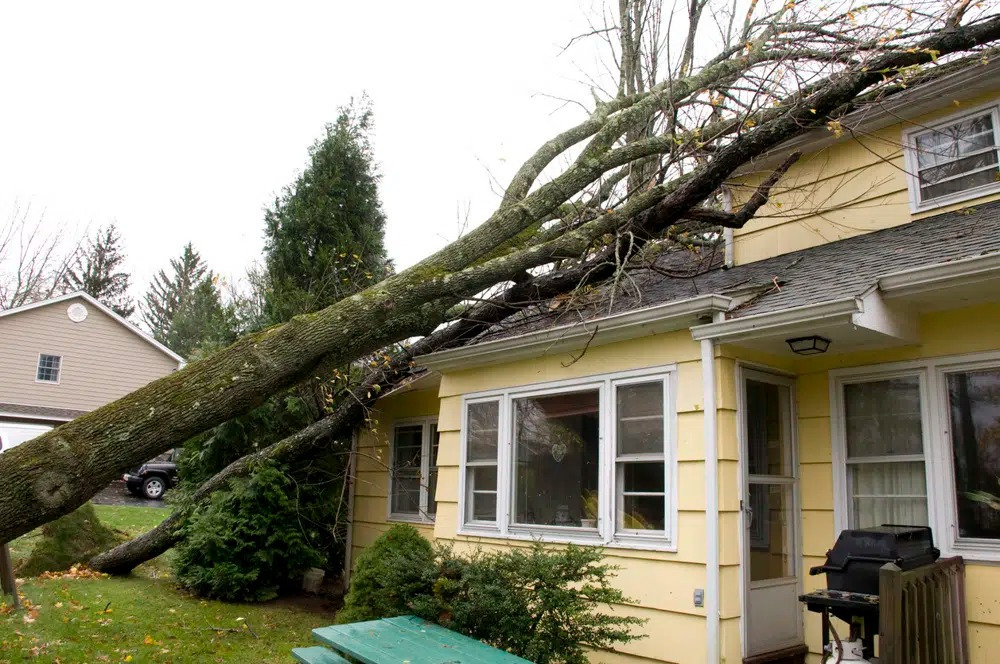
Houston's frequent storms expose roofs to hail, damaging winds, heavy rain, and extreme heat, making roof damage a common concern for homeowners. Tropical storms and hurricanes can also cause wind uplift, fallen-tree damage, and water intrusion, sometimes affecting homes that appear relatively undamaged from the ground.
After severe weather, identifying visible damage, documenting conditions promptly, and understanding your insurance coverage can make the repair and claims process easier. Professional roof inspections help determine whether isolated repairs are sufficient or a full replacement is necessary.
In Houston, minor roof repairs may cost a few hundred dollars to $1,500 or more, while full roof replacements often range from approximately $7,000 to $20,000 or higher, depending on roof size, materials, pitch, and labor requirements. Choosing qualified contractors and storm-resistant materials can improve long-term performance and help reduce future damage.
Has Your Houston Roof Been Damaged? Signs to Check After Storms
After severe weather, homeowners should look for missing, cracked, curled, or lifted shingles, which can expose the roof to water intrusion. Hail damage may appear as bruising, fractured shingles, exposed asphalt, or areas where protective granules have been knocked loose.
Check gutters and downspouts for unusual accumulations of shingle granules, particularly after a hailstorm. However, some granule loss occurs naturally as asphalt shingles age, so it does not automatically indicate storm damage.
Flashing around vents, chimneys, skylights, and roof penetrations should also be inspected for separation or displacement. Dented gutters, damaged vents, loose metal edging, and shingles scattered around the yard can indicate that strong winds or hail affected the roof.
Inside the home, water stains on ceilings, bubbling paint, damp insulation, and musty attic odors may indicate leaks. Sagging roof sections, exposed decking, or visible daylight through damaged areas require prompt professional evaluation.
Homeowners should inspect from the ground or another safe location rather than climbing onto a potentially damaged roof. If there are fallen power lines, major structural damage, or signs of collapse, stay away from the affected area and contact the appropriate emergency services.
How to Document Roof Damage and File Successful Insurance Claims
Accurate documentation is important when filing a homeowners insurance claim. Start by taking clear, dated photographs and videos of visible damage, including wide shots and close-ups of shingles, gutters, siding, fallen branches, and interior water stains.
Keep records of when the storm occurred, when the damage was discovered, and any temporary repairs made to prevent further deterioration. Save receipts for emergency tarping, cleanup, and other reasonable protective measures.
Review your homeowners insurance policy to understand coverage limits, exclusions, deductibles, and claim reporting requirements. Many Texas policies have separate windstorm or hail deductibles calculated as a percentage of the home's insured dwelling coverage rather than a fixed dollar amount.
For example, a 2% wind and hail deductible on a home insured for $350,000 would equal $7,000. This amount generally comes out of the covered claim payment, making it important to understand your potential out-of-pocket costs.
Recommended steps include:
- Contact your insurer promptly to report the damage, explain the circumstances, and obtain a claim number.
- Document the damage before permanent repairs, while taking reasonable steps to prevent additional losses.
- Schedule an inspection with a qualified roofing contractor to assess the roof's condition and prepare a written repair estimate.
- Coordinate the adjuster inspection and provide photographs, estimates, and other supporting documentation.
- Review the insurer's estimate carefully and ask about missing items or differences between the insurance assessment and contractor's scope of work.
A roofing contractor can identify physical damage and explain repair requirements, but a contractor is not automatically authorized to negotiate an insurance claim on your behalf. In Texas, public insurance adjusting requires a separate license, and roofing contractors generally cannot act as public adjusters on claims involving roofing work they will perform.
Well-organized records help homeowners communicate clearly with their insurer and resolve questions about the scope of covered damage.
Roofing and Insurance: Post-Hail Claim Timelines & Depreciation
After hail damages your roof, understanding the insurance process can help prevent unnecessary delays and unexpected expenses.
- Report Promptly: Notify your insurer as soon as reasonably possible. Texas homeowners policies generally require prompt notice, but there is no universal 30- or 60-day deadline for every hail claim. Check your policy for specific reporting requirements and any applicable deadlines.
- Professional Inspection: Obtain a detailed inspection and written estimate from a reputable roofing contractor. This can help document damage and identify differences between the contractor's findings and the insurer's assessment.
- Depreciation: Under Actual Cash Value (ACV) coverage, the insurer generally accounts for depreciation based on factors such as the roof's age and condition. Older roofs may receive substantially smaller payments than newer ones.
- Replacement Cost Value (RCV): Under replacement cost coverage, insurers may initially withhold recoverable depreciation and release the remaining covered amount after qualifying repairs or replacement are completed and documented. Deductibles and policy limits still apply.
Some Texas homeowners policies now include roof-specific payment provisions, cosmetic damage exclusions, or different deductibles for wind and hail. These terms can significantly affect the amount paid after a storm.
Texas law also establishes claim-handling deadlines for insurers, subject to exceptions and extensions. These deadlines are different from the homeowner's obligation to report damage promptly.
Importantly, Texas law prohibits contractors from waiving, absorbing, or rebating a property insurance deductible on covered repair work. Homeowners are responsible for paying the applicable deductible.
Understanding these details before signing a roofing contract can help prevent disputes and unexpected costs.
Houston Roof Repair vs. Replacement: 2026 Cost Comparison
Deciding between repair and replacement depends on the roof's age, material, condition, extent of damage, and long-term cost efficiency.
For Houston homeowners, approximate roofing costs may fall within these ranges:
- Minor repairs: $400–$1,500 for limited shingle replacement, flashing repairs, or small leak-related work.
- Moderate repairs: $1,500–$5,000 or more for larger damaged areas, decking repairs, or more complicated roofing work.
- Full roof replacement: $7,000–$20,000 or more for many residential asphalt-shingle roofs, with larger homes, steep roofs, and premium materials costing considerably more.
These are general planning estimates rather than fixed local prices. Actual costs depend on roof square footage, accessibility, material selection, removal of existing roofing, decking condition, and current labor rates.
Asphalt-shingle roofs approaching 15–25 years of service may be more vulnerable to deterioration, particularly after repeated storms. However, age alone does not determine whether replacement is necessary.
Houston's intense sunlight, humidity, heavy rainfall, and occasional severe weather can accelerate roofing wear, especially when ventilation or drainage is inadequate.
When repair estimates become a substantial percentage of replacement costs, homeowners should compare the long-term value of both options. A professional inspection can help determine whether the remaining roof is structurally sound and capable of providing reliable protection.
Repair-vs-Replace Decision Checklist
Use these factors to evaluate whether roof repairs or a full replacement may be more appropriate:
- Roof Age: A relatively new roof with isolated damage may be a good candidate for repair. An older roof approaching the end of its expected service life may justify replacement.
- Damage Extent: Small, localized damage often can be repaired. Widespread shingle damage, compromised decking, or extensive storm-related deterioration may require replacement.
- Leak Frequency: A single leak caused by damaged flashing may be repairable. Repeated leaks in multiple areas can indicate broader roofing problems.
- Granule Loss: Minor granule shedding may be normal. Extensive exposed asphalt, bald spots, or widespread shingle deterioration can suggest that the roof is nearing the end of its useful life.
- Cost Ratio: If repairs cost a relatively small fraction of a new roof, repair may be economical. When repairs approach 30–40% or more of replacement cost, comparing both options becomes especially worthwhile.
These guidelines are not absolute rules. A roof with localized damage may remain repairable even when it is older, while a newer roof may need replacement after extensive structural or storm damage.
Insurance coverage, building-code requirements, manufacturer specifications, and the availability of matching materials can also affect the final decision.
Expected Roof Lifespans by Material
Houston's heat, humidity, ultraviolet exposure, and severe storms can influence how long roofing materials last. Actual service life depends on installation quality, maintenance, ventilation, storm exposure, and manufacturer specifications.
Typical estimated lifespans include:
- Asphalt (3-Tab): Approximately 15–20 years.
- Architectural Shingles: Approximately 20–30 years, sometimes longer under favorable conditions.
- Metal Roofing: Approximately 40–70 years, depending on the metal, coating, and installation.
- TPO/PVC Membranes: Approximately 15–30 years, depending on membrane quality, installation, and maintenance.
- Tile (Clay/Concrete): Approximately 50 years or longer, although underlayment and other components may require replacement sooner.
These ranges are estimates rather than guarantees. Hail, hurricanes, poor drainage, inadequate attic ventilation, and improper installation can shorten the service life of any roofing system.
Regular inspections, debris removal, gutter maintenance, and timely repairs can help homeowners identify problems before they become more expensive.
Finding and Vetting Trustworthy Roofing Contractors in Houston
Texas does not require a general statewide roofing contractor license, making it especially important for homeowners to verify a contractor's qualifications before hiring.
In Houston, roof replacement and certain roofing alterations may require permits through the Houston Permitting Center. Requirements depend on the property's location, scope of work, and applicable building codes, so homeowners should confirm whether permits are necessary before construction begins.
Look for contractors with established local experience, verifiable references, and a history of completing similar roofing projects.
The Roofing Contractors Association of Texas (RCAT) offers a voluntary licensing program for qualifying roofing contractors. Although this credential is not a state-issued license, it can provide additional information about a contractor's experience, insurance, and professional qualifications.
Manufacturer designations, such as GAF Master Elite or CertainTeed ShingleMaster, may indicate specialized training or participation in manufacturer certification programs. However, these credentials do not replace independent verification of a contractor's insurance, workmanship, and reputation.
Before signing a contract:
- Verify insurance coverage: Request proof of general liability insurance and ask about workers' compensation or other arrangements for worker injuries.
- Request a written estimate: Make sure the proposal identifies materials, labor, removal costs, warranties, payment terms, and the scope of work.
- Check references and reviews: Look for recent local projects and consistent customer feedback.
- Confirm permits: Ask who will obtain required permits and arrange inspections.
- Review warranty terms: Understand the difference between manufacturer material warranties and contractor workmanship warranties.
- Avoid deductible-waiver offers: Texas law prohibits contractors from promising to waive or cover insurance deductibles on covered property repairs.
Be cautious of contractors who pressure homeowners into signing immediately, demand unusually large upfront payments, or offer to handle insurance claims without the appropriate authority.
After major storms, out-of-town roofing companies may arrive offering emergency services. While some are legitimate, choosing a contractor with a reliable local presence can make future warranty work and follow-up repairs easier.
Storm-Resistant Roofing Materials That Lower Insurance Premiums
Choosing the right roofing material can improve a home's resistance to hail, wind, and other severe weather conditions. Some insurers also offer premium discounts for qualifying impact-resistant roofing systems, although eligibility and savings vary by company and policy.
Metal roofing is known for durability and long service life. Properly installed standing-seam systems can provide strong wind resistance, while some metal products also carry impact-resistance ratings.
However, not all metal roofs perform equally against hail. Thin metal panels may dent during severe storms, even when the damage does not compromise their ability to prevent water intrusion.
Class 4 impact-resistant asphalt shingles are another option for Houston homeowners. These products meet the highest impact-resistance classification under the UL 2218 test standard and may qualify for insurance discounts.
Class 4 ratings indicate improved resistance under standardized testing, but they do not make a roof hailproof. Very large hailstones can still damage shingles, flashing, vents, and other roof components.
Concrete tile, clay tile, and synthetic composite materials may also offer long service lives and varying levels of impact resistance. Their suitability depends on product specifications, installation methods, roof structure, and local building requirements.
Natural slate is durable but less common in Houston because of its weight, installation complexity, and higher cost.
Homeowners interested in insurance savings should ask their insurer whether a proposed roofing product qualifies for a discount before installation. Some companies require specific impact-resistance certifications, documentation, or proof of installation.
Texas insurers may offer premium reductions for qualifying impact-resistant roofing materials, but discounts are not guaranteed and may apply only to certain portions of the policy.
In addition to selecting durable materials, homeowners should prioritize proper roof attachment, flashing installation, ventilation, and compliance with applicable building codes. A well-installed roofing system is essential for resisting severe weather, regardless of the material chosen.
Conclusion
Houston homeowners face roofing challenges from severe thunderstorms, hail, tropical systems, intense sunlight, and heavy rainfall. Understanding how to identify storm damage, document losses, and navigate insurance requirements can make roof repairs and replacements more manageable.
Whether the roof needs a minor repair or a complete replacement, working with a qualified contractor and reviewing insurance coverage carefully can help avoid unnecessary expenses and complications.
Investing in durable materials, proper installation, and regular maintenance can also strengthen a home's protection against future storms. With the right information and preparation, Houston homeowners can make roofing decisions that protect both their property and their long-term investment.

Comments (0)
No comments yet. Be the first to share your thoughts.
Leave a comment