


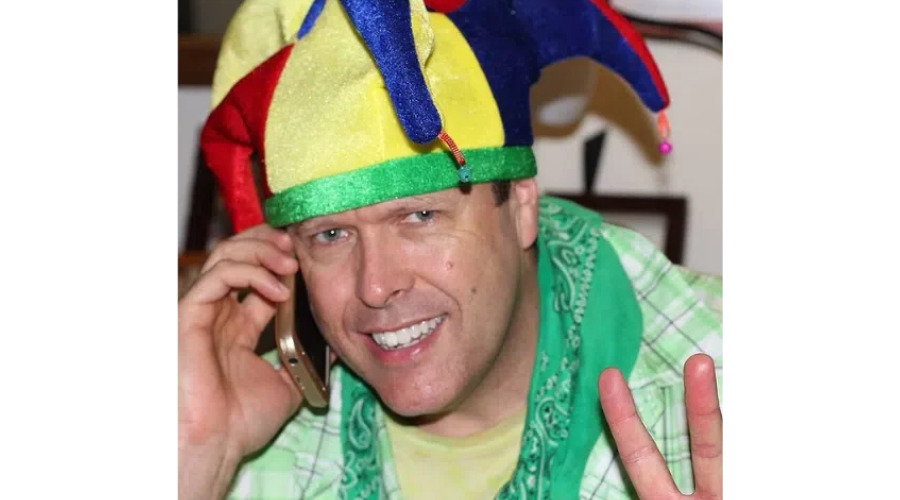
Image: Anne Becket, gives permission in the comments in the photo CC BY-SA 4.0, RobertMorrow, CC BY-SA 4.0
You’re likely familiar with Robert Morrow, the controversial former chair of the Travis County Republican Party. Known for his provocative statements and conspiracy theories, he disrupted Austin politics by challenging party norms and clashing with GOP establishment figures.
His views, including inflammatory takes on historical events and political figures, drew intense media scrutiny. Curious how Robert’s actions have influenced local politics and party dynamics?
Background and Education
Although he initially identified with Democratic politics, Robert Morrow’s academic background laid the foundation for his later involvement in Republican activities.
He graduated from Tuscaloosa Academy in Alabama and earned a Bachelor of Arts in History from Princeton University in 1987. His grounding in history informed many of his controversial theories and political beliefs.
Morrow later received an MBA from the University of Texas at Austin in 1990, gaining skills he would apply in private investment and political engagement.
This education helped shape his confrontational yet high-profile entry into the Travis County Republican Party.
Political Career and Controversies
When Robert Morrow won the race for Travis County GOP chair in March 2016—garnering 54% of the vote—he surprised both liberals and conservatives alike. His tenure quickly drew attention for outrageous public remarks, including claims that Lyndon B. Johnson was behind JFK’s assassination and accusations of misconduct against Donald Trump.
These inflammatory views led the local GOP executive committee to create a steering committee that would limit his authority as chair. Ultimately, under mounting pressure, Morrow resigned on August 26, 2016, only a few months after taking office.
Influence and Media Attention
Despite being in a liberal stronghold, Morrow’s election as chair thrust him into the national media spotlight. He became a frequent topic of political commentary for his conspiracy-laden rhetoric and eccentric behavior, including wearing a jester’s hat at public events.
Major outlets like The Washington Post, CNN, and Texas Monthly reported extensively on his antics, raising concerns about the direction of the local Republican Party.
His win and resignation underscored tensions between establishment Republicans and far-right activists, adding to the broader discussion about party identity in Texas.
Leadership Challenges and Party Dynamics
Morrow’s time as chair was marred by internal conflict. His divisive leadership style and inflammatory public persona sparked backlash within the Travis County GOP.
The executive committee’s steering panel—created specifically to marginalize him—marked an unprecedented step to reduce the authority of a sitting party leader.
His tenure damaged the party’s image and fundraising efforts, with some members citing a loss of credibility.
Even after stepping down, Morrow used social media and public appearances to continue voicing criticisms of mainstream Republican figures and policies.
Public Statements and Ideological Stances
Robert Morrow’s statements often blurred the line between fringe theory and political commentary. His claim that LBJ had a hand in JFK’s assassination is among his most cited and criticized views.
Although a Republican chair, he supported abortion rights, criticized the Iraq War, and espoused low taxes and gun rights, revealing a non-traditional ideological mix.
He frequently targeted Donald Trump, calling him “a disgrace to humanity”, in stark contrast to GOP orthodoxy during Trump’s rise.
His controversial posts—many made on Twitter and Facebook—included graphic accusations and vulgar language, which prompted censure from party members and watchdog groups.

Comments (0)
No comments yet. Be the first to share your thoughts.
Leave a comment