


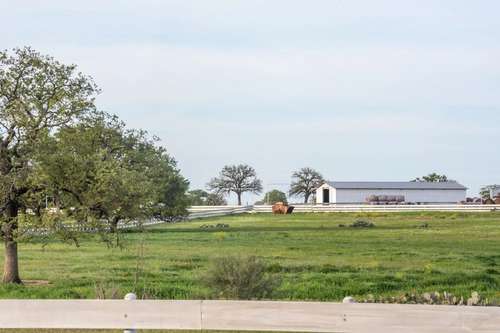
Owning land in Texas is both a privilege and a responsibility. Whether it’s a working cattle ranch, a recreational hunting property, or a few acres outside a fast-growing town, rural properties require consistent attention and care. Unlike suburban homes, rural landowners often manage everything themselves—from fences and pastures to water systems, equipment, and wildlife.
Texas landscapes are also incredibly diverse. The dry ranchlands of West Texas, the rolling Hill Country, and the humid forests of East Texas all present different challenges. Weather swings, drought conditions, wildlife pressure, and seasonal growth patterns all influence how land must be maintained throughout the year. Maintaining rural property requires planning, routine inspections, and a willingness to address small problems before they grow into expensive repairs.
For Texas landowners, good maintenance isn’t just about keeping land attractive—it’s about protecting the long-term value and productivity of the property. This guide covers practical maintenance tips that help keep ranches, acreage, and rural homes in good shape year after year.
Understand That Rural Property Requires Regular Attention
Rural properties demand more hands-on maintenance than typical suburban homes. Landowners are often responsible for infrastructure that city residents rarely think about, including wells, septic systems, long driveways, fencing, and pasture management.
Regular inspections and scheduled maintenance help prevent small issues from becoming major disruptions. For example, neglecting a well pump or septic system could leave a home without water or cause expensive repairs that might have been avoided with routine service.
Creating a seasonal checklist—monthly, quarterly, and annual tasks—can help landowners stay organized and ensure nothing important is overlooked.
Maintain and Inspect Property Fencing
Source: fencetex
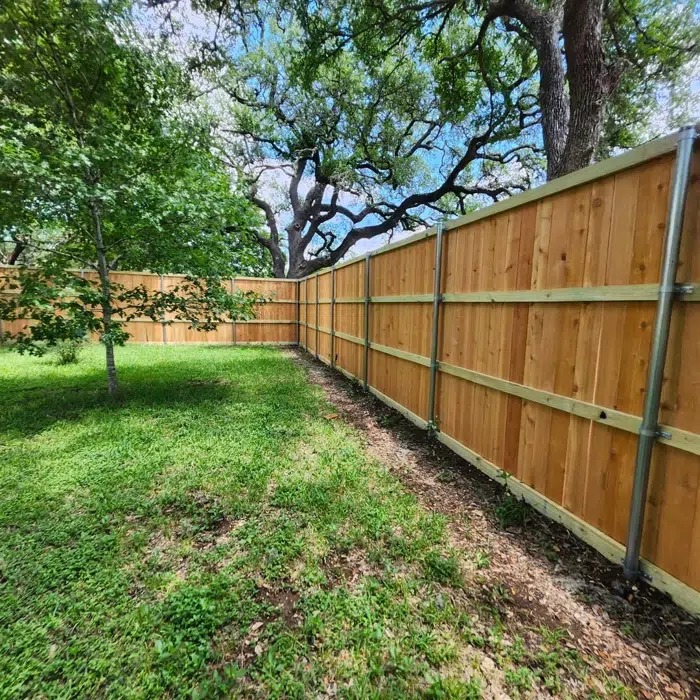
Fences are one of the most important pieces of infrastructure on ranch and acreage properties. They serve multiple purposes: defining property boundaries, managing livestock, and protecting crops or equipment areas.
Over time, fences can suffer damage from storms, wildlife, falling limbs, or shifting soil. Routine fence inspections are essential to ensure the system continues to function properly. Regular maintenance includes checking for loose wires, leaning posts, and broken sections that could allow livestock to escape or wildlife to enter.
When repairing fences, landowners may also consider upgrading materials. High-tensile wire or pipe fencing often requires less maintenance over time and can better withstand harsh Texas weather conditions.
Fence inspections should be performed several times a year, particularly after major storms.
Monitor and Improve Pasture Health
Healthy pastures are essential for livestock operations and land stewardship. Effective pasture management begins with understanding soil conditions and maintaining a balanced ecosystem of grasses and legumes.
Soil testing every few years helps landowners understand nutrient levels and determine whether fertilizers or soil amendments are necessary. Knowing the soil’s pH and nutrient content allows landowners to apply the right treatments to support strong forage growth.
Rotational grazing is another widely recommended practice. Instead of allowing animals to graze one pasture continuously, livestock are moved between different areas to allow grass time to recover. This strategy improves forage production, protects soil health, and supports better livestock nutrition.
Good pasture management also includes weed control, erosion prevention, and maintaining adequate water sources for livestock.
Care for Water Wells and Water Systems
Many rural Texas homes rely on private wells rather than municipal water supplies. While wells can provide reliable water for decades, they require regular maintenance to ensure safe operation.
Basic well maintenance tasks include:
- Testing water quality annually
- Inspecting wellheads and seals
- Checking pressure tanks and pumps
- Protecting exposed pipes from damage
More complex repairs, such as pump replacement or well rehabilitation, typically require licensed professionals with specialized equipment.
Maintaining a reliable water supply is essential for both household needs and livestock operations.
Keep Septic Systems Functioning Properly
Septic systems are another critical component of rural property infrastructure. Without proper maintenance, septic systems can fail and contaminate soil or groundwater.
Routine septic care includes pumping tanks every three to five years and conducting regular inspections to ensure the system operates correctly.
Landowners should also avoid practices that strain septic systems, such as draining large volumes of water into them or allowing livestock to walk across drain fields.
Protecting the drain field area by keeping heavy equipment and vehicles off it helps prevent damage to underground pipes.
Maintain Driveways and Access Roads
Many rural properties rely on long gravel driveways or private access roads. These routes are essential for everyday travel, deliveries, and emergency access.
Over time, heavy rains, erosion, and vehicle traffic can create ruts or washouts. Landowners should inspect driveways regularly and perform basic maintenance such as:
- Regrading uneven areas
- Adding fresh gravel when necessary
- Clearing drainage ditches
- Checking culverts for blockages
Addressing these issues early keeps driveways passable and prevents larger repairs later.
Maintain Equipment and Ranch Tools
Equipment is essential for managing acreage properties efficiently. Tractors, mowers, skid steers, and utility vehicles often handle tasks such as brush clearing, fence repair, and hauling materials.
Like any machinery, ranch equipment requires regular inspection and maintenance to ensure reliable operation. Routine tasks include checking fluid levels, lubricating moving parts, and cleaning debris after use.
Keeping equipment in good condition not only extends its lifespan but also reduces the likelihood of breakdowns during critical work periods.
Manage Vegetation and Brush
Texas landscapes can change quickly with seasonal rainfall and warm temperatures. Without proper management, brush and invasive plants can overtake pastures and reduce available grazing land.
Common vegetation maintenance tasks include:
- Mowing or shredding fields periodically
- Controlling invasive species
- Maintaining firebreaks in dry areas
- Clearing brush along fence lines
Brush management improves pasture productivity while also reducing wildfire risks in drought-prone regions.
Monitor Wildlife and Land Stewardship
Wildlife plays an important role in rural ecosystems, and many Texas landowners actively manage wildlife habitat alongside livestock operations.
Effective land stewardship may include:
- Maintaining wildlife water sources
- Preserving natural habitat areas
- Managing feral hog populations
- Monitoring deer and game populations
Balancing wildlife and livestock needs helps maintain a healthy and sustainable landscape.
Keep Buildings and Structures in Good Condition
Many rural properties include barns, equipment sheds, workshops, and livestock shelters. While these structures may not require daily attention, they should still be inspected regularly.
Routine maintenance includes:
- Repairing roof leaks
- Reinforcing doors and gates
- Checking electrical wiring
- Maintaining ventilation systems
Keeping structures in good condition protects both equipment and livestock while preserving the overall value of the property.
Develop a Seasonal Maintenance Routine
Because Texas climates vary widely throughout the year, seasonal maintenance planning helps landowners stay ahead of potential issues.
Spring tasks may include pasture fertilization and fence repairs, while summer often focuses on water management and mowing. Fall and winter maintenance might involve equipment servicing, brush clearing, and infrastructure inspections.
Many ranch owners create monthly or seasonal checklists to keep track of these responsibilities and ensure nothing important is missed.
Final Thoughts
Owning ranch land or rural acreage in Texas is deeply rewarding, but it also comes with ongoing responsibilities. Successful landowners know that maintaining fences, pastures, water systems, and equipment requires steady attention throughout the year.
By developing a consistent maintenance routine and addressing small issues early, Texas landowners can protect their property, improve land productivity, and preserve the long-term value of their investment.
With thoughtful stewardship and proactive care, ranches and rural properties can remain productive, beautiful, and resilient for generations to come.

Comments (0)
No comments yet. Be the first to share your thoughts.
Leave a comment