


Texas has a way of preserving its past through stories that blend historical events, personal experiences, and popular legends. From famous frontier figures to memories passed down through families, the Lone Star State has developed an identity shaped by both what actually happened and how people remember it.
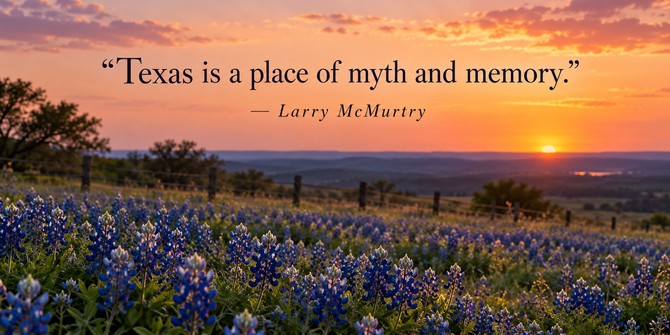
The statement attributed to Larry McMurtry captures this relationship between history and storytelling. It suggests that Texas is more than a place defined by geography or political boundaries. Its identity also comes from the legends people celebrate and the memories that connect generations.
The words recognize that history is not always remembered exactly as it happened. Over time, certain events become larger than life, while personal experiences give familiar places deeper meaning.
The Role of Myth in Texas History
Texas has inspired countless stories about cowboys, cattle drives, frontier settlements, and famous historical figures. Events such as the Battle of the Alamo and the Texas Revolution have become central parts of the state's cultural identity.
Figures including Sam Houston, Davy Crockett, and James Bowie are remembered not only for their historical roles but also for the legends that developed around them.
These stories have influenced books, films, music, and popular traditions, helping establish Texas as a place associated with independence, adventure, and determination.
However, myths often simplify complicated historical events. Understanding Texas history requires looking beyond familiar legends and examining the experiences of the different communities involved.
Larry McMurtry and the Stories of Texas
Larry McMurtry was an acclaimed American novelist and screenwriter whose writing frequently explored the relationship between Texas history, memory, and cultural identity.
Born in Archer City, Texas, in 1936, McMurtry grew up surrounded by ranching traditions and stories about the American West. These experiences became important influences on his literary career.
His novels, including Lonesome Dove, The Last Picture Show, and Horseman, Pass By, examined the lives of people navigating personal struggles, changing communities, and the fading traditions of the West.
McMurtry was particularly interested in the difference between the romantic image of cowboy life and its everyday realities. His characters often confronted the distance between the stories people believed and the lives they actually experienced.
This perspective provides a meaningful way to interpret the quote, especially its emphasis on myth and memory.
How Memory Connects Texans to Their Past
While legends often focus on famous individuals and historical events, memories are more personal. They include childhood experiences, family traditions, familiar landscapes, and the stories shared between generations.
For someone raised in a small Texas town, memories might involve local businesses, school events, ranching traditions, or gatherings with neighbors. For residents of major cities, they may include changing neighborhoods, cultural celebrations, and important moments in family history.
These experiences help people develop emotional connections to particular places.
Even when communities change, memories preserve a sense of what life was like during earlier generations. They become part of the way individuals understand their heritage and relationship with Texas.
The Difference Between Legend and Reality
One of the most interesting aspects of Texas culture is the contrast between its legendary reputation and its complicated historical reality.
Popular portrayals often emphasize brave cowboys, independent ranchers, and dramatic frontier adventures. Although these images are based partly on historical experiences, they do not represent the full story of Texas.
Indigenous peoples, Mexican and Tejano communities, African Americans, immigrants, and generations of working families have all contributed to the state's development.
Their histories reveal experiences of opportunity, hardship, cultural exchange, conflict, and change.
McMurtry's writing often explored these contrasts, encouraging readers to recognize the people and circumstances behind familiar Western myths.
Preserving the Stories of the Lone Star State
Texas continues to maintain strong connections to its past through museums, historic landmarks, archives, and community traditions.
Places such as the Alamo, the San Jacinto Battleground, and historic ranching communities preserve important chapters of the state's history.
Meanwhile, oral histories, family photographs, letters, and local records help preserve stories that may never appear in major history books.
These personal accounts are valuable because they provide perspectives that can be overlooked in traditional historical narratives.
Preserving both celebrated legends and everyday memories allows future generations to develop a broader understanding of Texas and its people.
The Lasting Meaning of the Quote
“Texas is a place of myth and memory” expresses the powerful influence of storytelling on the Lone Star State's identity.
It recognizes that Texas is shaped not only by historical events but also by the legends created around them and the personal memories that keep the past meaningful.
Ultimately, the quote reminds readers that the identity of a place is built through the stories people tell and the experiences they remember. In Texas, myth and memory continue to connect generations, preserve traditions, and influence how people understand the state's distinctive history.