


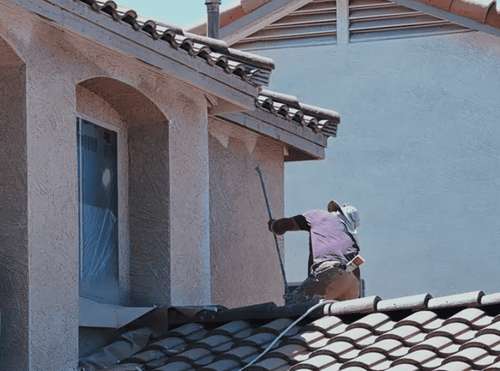
Texas homes stand up to a lot. From blazing summers to sudden hail, from heavy rains to shifting soil, our houses take a beating year after year. Most Texans know this on some level, but the details often stay out of sight until something goes wrong. A cracked wall. A sticky door. A bit of water in the corner of the garage after a storm. It’s easy to shrug these things off, but they matter more than folks realize.
This guide breaks down the essentials of keeping a Texas home solid, level, and ready for the weather our state throws at it. The goal is simple. Clear information, no scare tactics, and plenty of practical tips that homeowners can use right away. Think of it like having a helpful neighbor explain things over a cup of coffee.
Why Texas Homes Face Unique Challenges
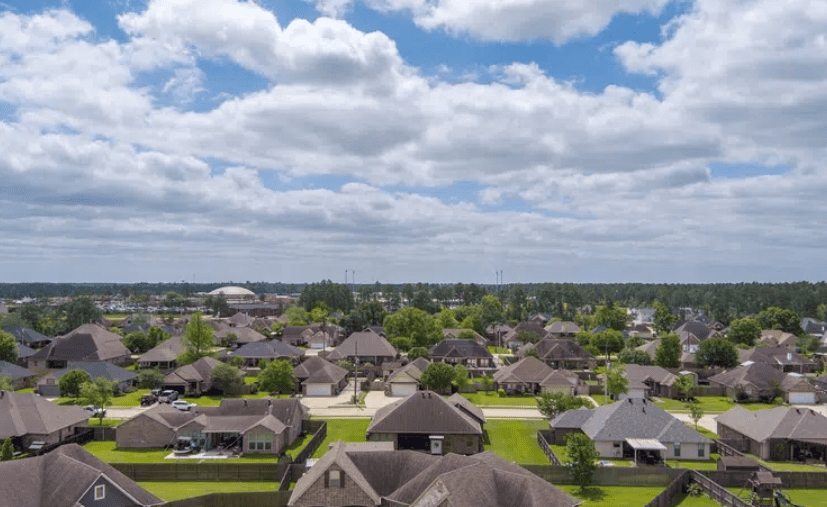
Texas covers a huge range of landscapes and climates. The soil in one part of the state behaves differently from the soil in another. Rainfall amounts swing from drought to flooding. Temperatures jump fast. These conditions affect homes in ways that aren’t always obvious at first, but they show up over time.
1. The power of clay soil
Much of Texas sits on clay-rich soil. Clay expands when it gets wet and shrinks when it dries out. That movement puts pressure on home foundations. During long dry spells, the soil around a foundation can pull away, creating gaps. When heavy rain returns, the soil swells again. That back-and-forth motion stresses concrete slabs and pier-and-beam systems.
2. Big weather swings
Texas weather changes fast. A home might sit through three months of heat, then get hit with a sudden cold front. Wood contracts and expands. Concrete reacts to temperature shifts. Roofs face repeated cycles of heat and moisture. All of this adds up over time.
3. Heavy storms
Tropical storms, hail, tornadoes, and high straight-line winds are part of life here. Even if a home avoids major damage, smaller issues build up. A loose shingle. A tiny gap in the siding. Water finds those openings, and problems start quietly.
Because of these conditions, being proactive isn’t a luxury. It’s part of smart homeownership in Texas.
Understanding Foundation Issues in Texas
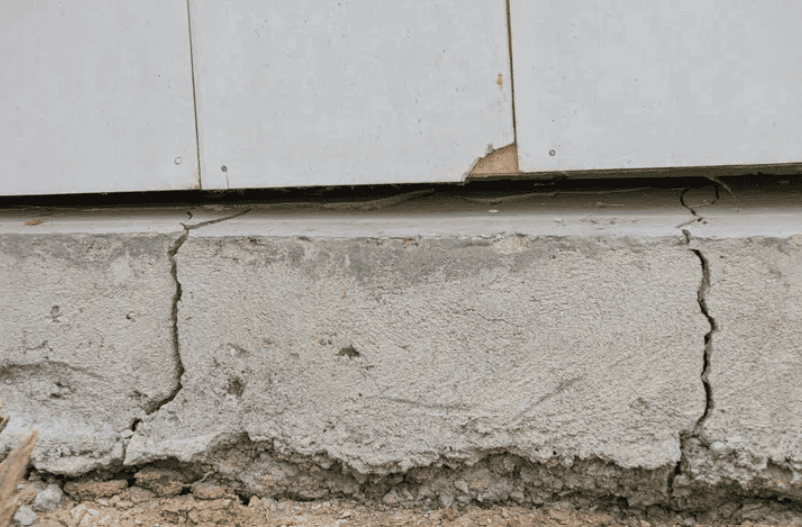
Foundation problems are one of the most common concerns for homeowners in the state. They also cause the most stress because they sound intimidating and expensive. The good news is that most issues develop slowly, and early signs are easy to spot if you know what to watch for.
1. Common signs something is shifting
Foundation trouble shows up in simple ways. Some homeowners overlook them because the house still feels solid. But early detection helps protect the structure and saves money.
The most common signs include:
- Cracks along interior walls, especially near windows or doors
- Doors that stick or don’t latch right
- Gaps between walls and ceilings
- Cracks in exterior brick
- Sloping or dipping floors
- Gaps under baseboards
- Windows that suddenly slide open too easily or get stuck
Not every crack means serious trouble. Homes settle over time. But if cracks keep growing or more than one of these signs appears at the same time, it’s worth checking.
2. Why foundations shift here
Several factors trigger movement.
- Soil expansion and contraction:
- Clay soil expands with moisture and contracts during drought. That creates repeated stress on the foundation.
- Poor drainage:
- Water that pools around a home adds weight to the soil and pushes against the foundation. It can also create soft spots that lead to uneven settling.
- Tree roots:
- Large trees pull moisture from the soil. Their roots create dry pockets that cause uneven soil movement under the foundation.
- Plumbing leaks:
- Hidden leaks allow water to soak the soil beneath the house. That softens the ground and leads to sinking or tilting.
- Age and construction:
- Older homes may have foundations that weren’t built with today’s standards. Newer ones can still shift if the soil was not prepared well before construction.
3. When to call a professional
Homeowners don’t need to panic at the first crack. But they also shouldn’t wait if several warning signs show up. Foundation specialists can test soil movement, check moisture levels, measure elevation changes, and inspect for structural weaknesses. A quick evaluation often gives peace of mind.
Structural Repairs That Keep Texas Homes Solid
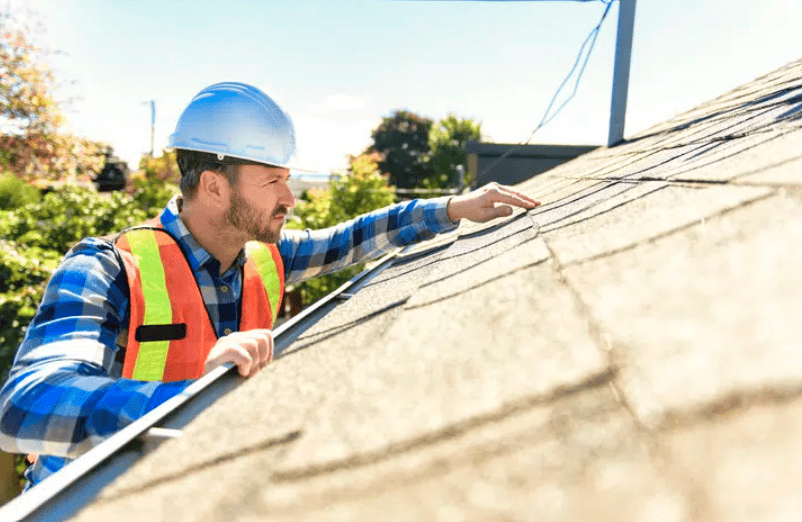
A home’s structure includes the parts that hold everything together. This includes framing, beams, posts, joists, roofing, and the envelope of siding and exterior materials. Keeping these elements strong doesn’t just protect the home. It maintains comfort, safety, and long-term value.
1. Framing and support issues
Texas homes can develop problems with their wooden framing because of humidity, heat, pests, or settling. Issues are not always visible, but a few clues stand out.
Signs of framing trouble
- Uneven or sagging floors
- Doors that shift and won’t close well
- Popping sounds in walls
- Visible bowing in ceilings or rooflines
Often, these problems come from weakened joists or beams. Over time, repairs might involve adding support posts, replacing damaged wood, or adjusting the alignment of floors and walls.
2. Roof structures under stress
Roofs take a beating in Texas. Sun exposure weakens shingles. High winds loosen flashing. Hail leaves bruises that aren’t always obvious. A damaged roof structure leads to leaks, wood rot, and insulation damage.
Roof areas that need regular attention
- Shingles near roof peaks
- Flashing around chimneys and vents
- Roof decking
- Gutters and downspouts
- Roof-to-wall connections
A well-maintained roof protects the entire home. Small repairs prevent major water intrusion later.
3. Siding and exterior protection
The siding on a home acts like armor. It keeps water, insects, and wind from reaching the structure underneath. In Texas, siding often battles strong UV rays and heavy storms.
Common siding concerns
- Warping from heat
- Cracks caused by wind or hail
- Rot in older wood siding
- Loose panels on vinyl systems
- Gaps where water can sneak in
Regular inspections help catch issues early.
Moisture Management and Drainage Systems
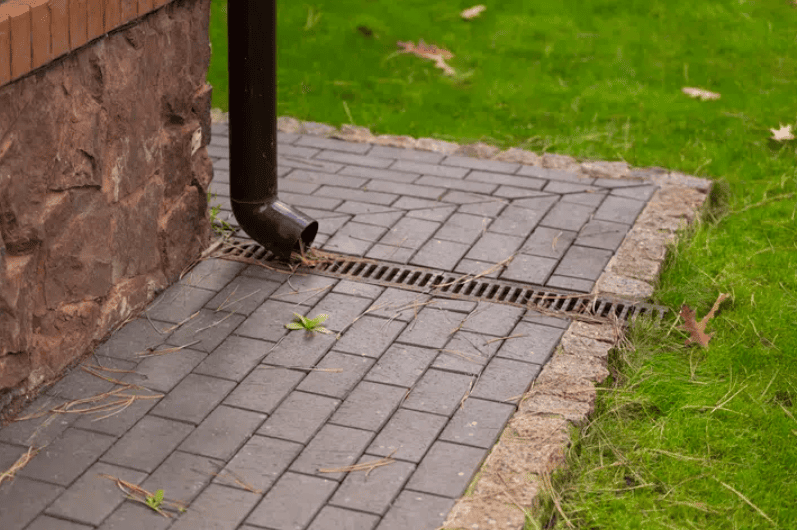
Water control is a huge part of protecting a Texas home. Even though some years feel bone-dry, heavy rains can arrive without much warning. A home that sheds water properly stays stronger for decades.
Why drainage matters so much
Moisture around a foundation is one of the biggest threats to structural stability. Proper drainage keeps water moving away from the home instead of letting it pool.
- The role of grading:
- The soil should slope away from the home. That slope doesn’t need to be dramatic. Even a gentle angle works. When the ground settles, that slope can fade, which leads to standing water and foundation pressure.
- Gutters and downspouts:
- Some Texas homes skip gutters, especially in older neighborhoods. But gutters make a big difference. They direct water off the roof and send it away from the foundation. Downspouts should extend far enough to keep the soil near the house from becoming too saturated.
- French drains and surface drains:
- In areas with heavy rainfall or active clay soil, buried drains help move water underground. These systems prevent water from sitting around the home and reduce soil expansion.
- Moisture barriers: For pier-and-beam homes, moisture barriers under the house prevent humidity from weakening wooden supports. Keeping the crawlspace dry helps maintain the structure.
Storm-Ready Systems for Texas Weather
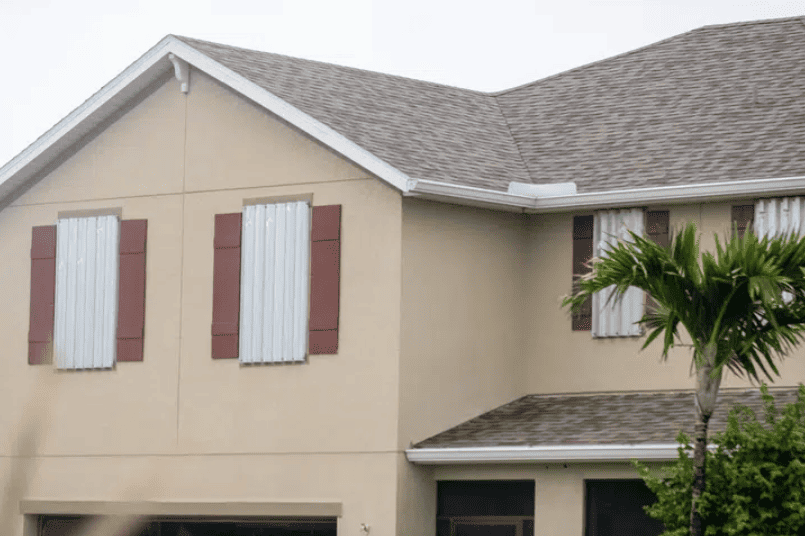 Preparing a home for severe weather isn’t only about avoiding damage. It also keeps families safer and reduces long-term repair costs. Texans know storms can change direction fast. Having the right systems in place adds security.
1. Roof reinforcement and upgrades
A strong roof is the first line of defense during storms. Upgrades can help it stay attached and resist high winds.
Popular improvements include:
- Impact-rated shingles
- Stronger underlayment
- Reinforced decking
- Storm straps that help connect the roof to the walls
These upgrades help prevent the roof from lifting during powerful winds.
2. Window and door protection
Windows and doors are weak points in a storm. When they fail, wind rushes inside and pressurizes the home. That pressure can push the roof upward or spread damage quickly.
Ways to strengthen openings
- Impact-resistant windows
- Storm shutters
- Reinforced exterior doors
- Protective window films
Many homeowners choose impact-rated windows because they look normal and stay in place year-round.
3. Securing outdoor structures
Texas yards often feature patios, porches, sheds, and carports. These structures need proper anchoring, especially in windy regions. Loose panels, weak posts, or unsecured roofs become hazards during storms.
Tips for outdoor structures
- Check metal carport bolts
- Inspect wooden porch supports
- Secure pergolas and patio covers
- Trim weak branches overhanging the home
Even small improvements reduce the chance of storm damage.
4. Backup power and electrical protection
Power outages are common during major storms. Generators, battery backup systems, and surge protectors help keep essential devices running. They also protect appliances from voltage spikes after the power returns.
Protecting Against Water Damage Indoors
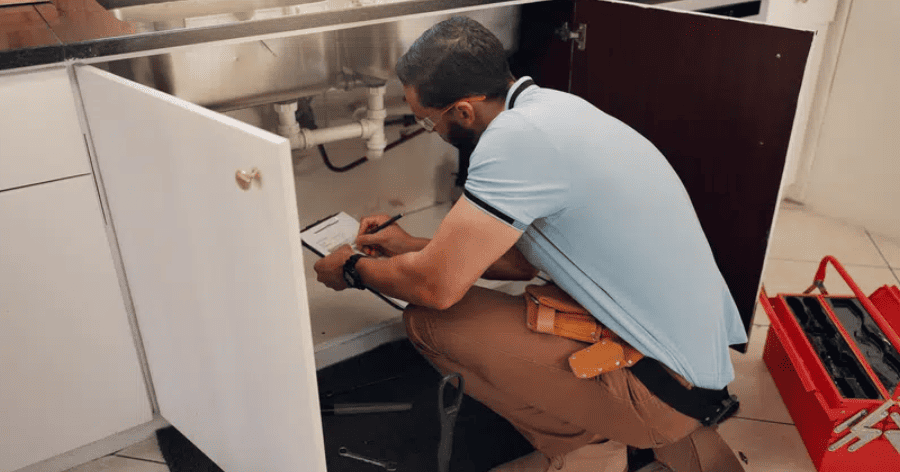
Not all moisture problems come from rain. Leaks inside the home can cause just as much damage.
1. Plumbing checks
Old pipes, worn-out connectors, and slow leaks under sinks can weaken walls and flooring. Regular inspections prevent long-term damage.
Areas to inspect
- Under bathroom vanities
- Behind toilets
- Under kitchen sinks
- Around washing machines
- Near water heaters
2. HVAC drainage
Air conditioners work hard in Texas. Their drain lines can clog and overflow, leading to ceiling damage. Keeping these lines clean helps avoid surprise leaks.
3. Attics and crawlspaces
Attics reveal early signs of roof issues. Crawlspaces show moisture problems before they reach living areas. Looking in these areas twice a year helps catch problems early.
The Role of Preventive Maintenance
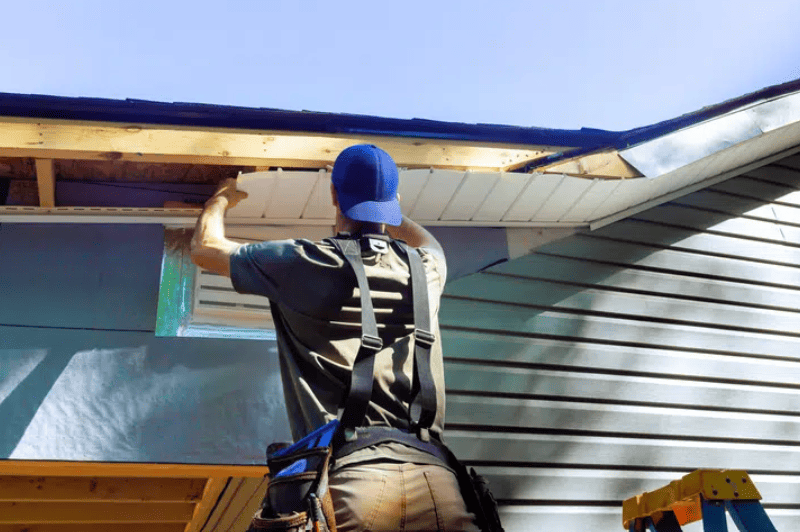
Homeownership in Texas becomes easier when small maintenance habits are part of the routine. The goal is not to create a long to-do list. It’s about simple, steady care.
Seasonal maintenance ideas
1. Spring:
- Clean gutters
- Check roof for winter damage
- Inspect siding for cracks
- Look for signs of shifting doors or windows
2. Summer:
- Watch for foundation cracks during drought
- Use soaker hoses to keep soil moisture balanced
- Check attic ventilation
3. Fall:
- Clear leaves from gutters
- Inspect weather stripping before cold fronts
- Look for drafts around windows and doors
4. Winter:
- Monitor pipes during freezes
- Check attic insulation
- Examine roof after ice events
None of these tasks take long, but they help maintain a home’s stability.
Foundation Repair Options in Texas
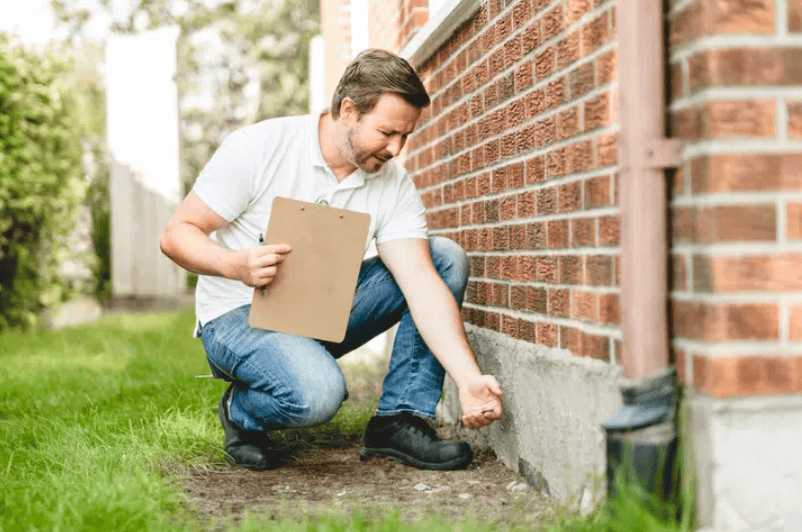
When foundation issues need attention, homeowners often feel overwhelmed by the different repair methods. A simple explanation helps make the choices clearer.
1. Pier and beam repairs
Older homes often have pier-and-beam foundations. When the soil shifts or moisture builds up, wooden supports can weaken.
Repairs may include:
- Replacing damaged beams
- Adding new support piers
- Leveling the structure
- Installing moisture barriers
2. Slab foundation repairs
Concrete slab foundations are common in newer homes. Repair methods vary depending on the type of movement.
Common solutions
- Concrete piers: Installed under the home to provide extra support.
- Steel piers: Stronger and used for deeper soil stabilization.
- Helical piers: Twisted into the ground to support lighter structures.
- Mud jacking (or slab jacking): A mixture is pumped beneath the slab to raise low areas.
The right choice depends on soil conditions, home weight, and how much movement has occurred.
Costs and Expectations During Repairs

Homeowners often worry about what repairs cost and how long they take. Every home is different, but a few general expectations can help reduce stress.
1. What affects cost
- Size of the home
- Depth of soil movement
- Repair method
- Accessibility under or around the home
- Extent of structural damage
Getting multiple evaluations is smart. Most reputable companies offer free inspections and written estimates.
2. What to expect during repairs
Repair crews usually work outside and underneath the home. Interior access is sometimes needed to check floors or measure elevations. Repairs might take one to three days for moderate work. Larger jobs may take longer.
Homeowners can stay in the house during most repairs. Noise and vibration are normal, but damage to the interior is rare when the work is done correctly.
Upgrading Homes for Long-Term Strength
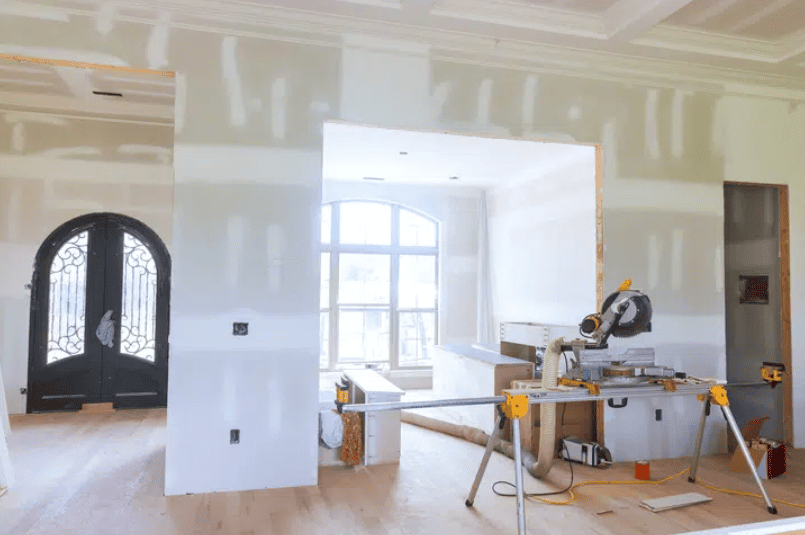
Once a home’s structure and foundation are in good shape, homeowners can invest in extra features that improve safety and reduce long-term costs.
1. Stronger roofing materials
Metal roofing, high-impact shingles, and upgraded underlayment handle Texas weather well. These investments last longer and require fewer repairs.
2. Improved insulation and ventilation
Hot summers put a strain on cooling systems. Better insulation keeps indoor temperatures steady and reduces the risk of moisture issues.
3. Exterior drainage improvements
Extended downspouts, French drains, and updated grading keep water under control year-round.
4. Smart home storm systems
Technology continues to grow. Some homeowners use leak detectors, smart sump pumps, and alert systems that notify them of moisture or movement changes.
Protecting Rural and Suburban Texas Homes
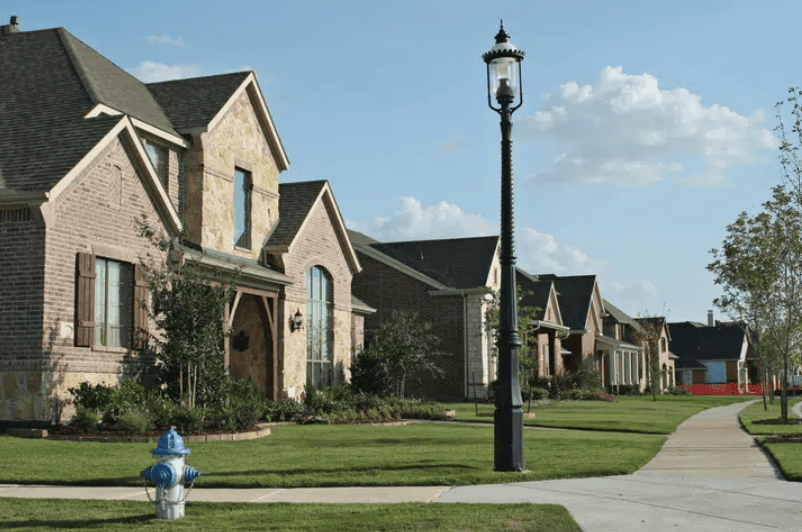
Homes outside city centers face different conditions. Rural soil tends to shift more. Heavy rains create sudden runoff. Wind exposure is often stronger.
Special considerations for rural homes
- Longer driveways can affect drainage
- Outbuildings may need stronger anchoring
- Private wells and septic systems require routine checks
- Windbreaks can help protect roofs and siding
- Fewer surrounding houses mean more wind hitting each structure
Small upgrades go a long way in wide-open areas.
Working With Professionals You Can Trust
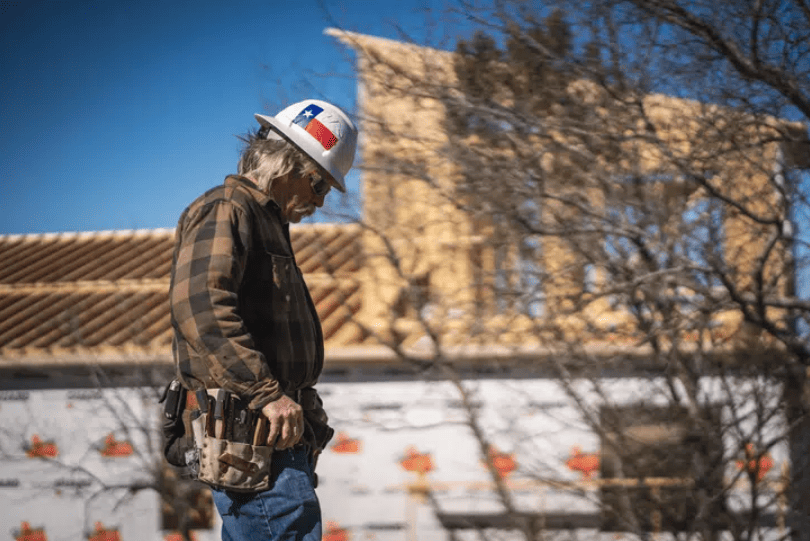
Finding the right contractor matters as much as the repairs themselves. Homeowners should feel comfortable asking questions and expecting clear explanations.
What to look for
- Local experience with Texas soil
- Clear communication
- Warranties that make sense
- Detailed inspections
- Licensed and insured teams
A good contractor explains options in plain language and doesn’t pressure homeowners into unnecessary work.
Building a Storm-Ready, Long-Lasting Texas Home
Keeping a Texas home safe is not about constant worry. It’s about steady awareness, simple habits, and smart upgrades when the time is right. A strong foundation, solid framing, and dependable drainage protect the entire structure. Storm-ready systems add confidence during severe weather. Together, these practices help homes stay strong through heat, rain, wind, and the shifting ground beneath them.
Texans take pride in looking after what they build. With the right knowledge and a little routine care, any homeowner can keep their place sturdy for years to come.
Comments (0)
No comments yet. Be the first to share your thoughts.
Leave a comment