


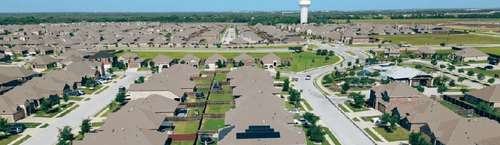
Princeton, Texas has gained national attention after the latest Census data named it the fastest growing city in the entire country. Many people outside North Texas had not even heard of Princeton until recently, and even locals in Collin County sometimes think of it as a quiet town tucked between larger communities. Yet Princeton is going through a transformation that is shaping its identity, its economy, and the way people think about life in the Dallas–Fort Worth region. This growth is driven by new neighborhoods, an expanding population, and a strong sense of opportunity.
What makes Princeton special is not only the speed of its growth. It is the way the city has held on to its community values while welcoming thousands of new residents. People move here for affordable homes, natural scenery, and access to the larger metro area. They find a place that is friendly and familiar. Princeton still feels like a smaller town, even as it continues to grow.
This article takes a closer look at the city behind the headlines. You will learn about its history, what draws people there, how the community is changing, and what the future may look like. Whether you are a current resident, a potential newcomer, or someone curious about the fastest growing places in Texas, this is an easy guide to understanding Princeton.
A Look Back at Princeton’s Early Story
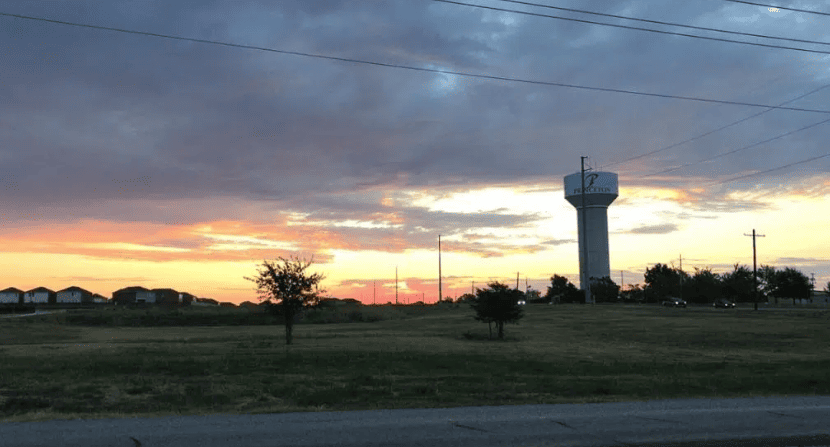
Princeton did not start out as a place filled with master-planned communities and thousands of new homes. It began as a modest farming and trading community in the late 1800s. The area was known for rich soil, orchards, and farming traditions that supported local families. Cotton and onions were major crops in the early years, and those products helped Princeton gain recognition throughout the region.
A small railroad stop helped the young town grow. Farmers shipped goods, families traveled more easily, and businesses slowly developed near the rail line. Princeton may not have boomed like some Texas towns with large mills or factories, but it progressed steadily. Residents built schools, churches, markets, and a post office. It became a place built on everyday life rather than major industries.
Through most of the twentieth century, Princeton remained small. While cities like Plano and McKinney experienced large suburban expansions, Princeton stayed quiet and largely rural. Growth came in small waves. Neighborhoods popped up now and then, but plenty of open land surrounded the community. Even today, you will still find touches of that earlier rural character. Older homes, long-established farms, and family businesses help maintain a sense of continuity with the past.
Understanding Princeton’s Recent Population Surge
The new Census data confirmed what many Texans have noticed. Princeton is expanding faster than anywhere else in the country. The city grew by nearly 30 percent in a single year. That pace is extremely rare for any community, especially one that only recently passed the population mark of 35,000 residents.
The main reason for this surge is simple. People across North Texas want homes they can afford, and Princeton offers that in a region where prices have risen quickly. As McKinney, Frisco, Allen, and Prosper became major suburban hubs, they also became more expensive. Families, young adults, and retirees started looking farther east along U.S. Highway 380. Princeton became a natural choice.
Homebuilders responded by developing new neighborhoods as quickly as possible. Streets that were farmland not long ago now include rows of newly built homes, walking paths, playgrounds, and ponds. Many residents say the appeal is the balance between peaceful surroundings and access to larger cities. When people want shopping, restaurants, or entertainment, they can drive a short distance into McKinney or other nearby cities. When they want quiet evenings at home, Princeton gives them that.
The growth also reflects larger trends in the Dallas–Fort Worth region. Jobs continue to pour into the area, especially in tech, finance, logistics, and health care. Princeton is close enough to commute while still offering a slower pace. As long as the region keeps adding jobs and attracting companies, places like Princeton will continue to grow.
What Living in Princeton Feels Like Today
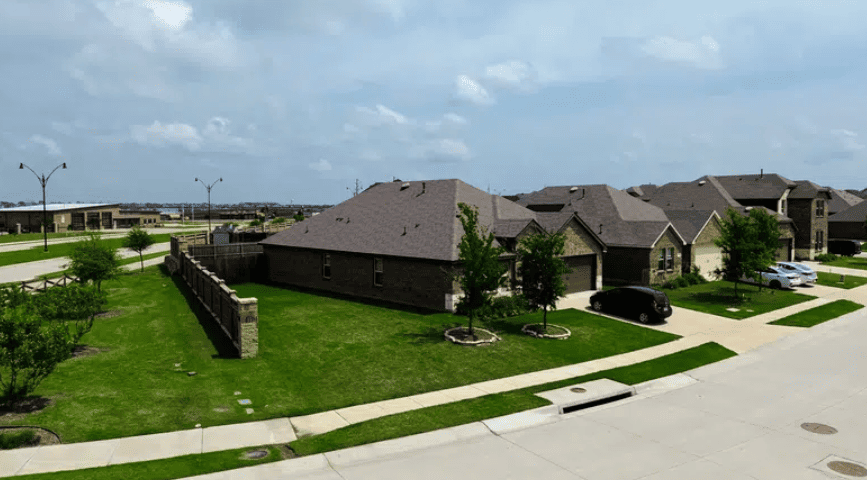
Daily life in Princeton blends small-town comfort with the convenience of being near a large metropolitan region. A drive through the city offers a mix of new and old. You will find fresh construction near established homes, new businesses close to long-time stores, and schools with growing student populations.
Residents appreciate the sense of community. Neighbors chat in driveways, children ride bikes in the afternoons, and families gather for local events. That familiar feeling has not disappeared even with rapid growth. Many newcomers say the friendliness of the city surprised them, especially compared with busier parts of the Dallas suburbs.
The city has several parks, including J. M. Caldwell Sr. Community Park, which is one of the most popular outdoor spaces. It has trails, sports facilities, fishing areas, and family gathering spots. Residents use it for picnics, weekend walks, youth sports, and holiday celebrations.
Princeton Lake and the surrounding green space add to the city’s scenic charm. Nature is still part of everyday life. Sunsets over wide fields, clear nights with bright stars, and open views are common. These simple details matter to people who come here looking for more space and a calmer lifestyle.
Schools and Education in Princeton
Princeton Independent School District serves the community and has also grown rapidly over the last several years. The district includes multiple elementary schools, middle schools, and Princeton High School. Strong programs in academics, athletics, fine arts, and career training attract families.
The district faces challenges related to the city’s growth. More students arrive each year, which means new schools, expanded campuses, and updated facilities. Fortunately, Princeton ISD has planned for expansion. Several schools have opened or undergone improvements to keep up with enrollment. Families often note that the district maintains a welcoming atmosphere even as it scales up to serve more students.
Local Economy and Business Development
Princeton’s economy has changed significantly over the past decade. What was once a primarily rural market has become an active environment for small businesses, service providers, and new commercial developments. Grocery stores, restaurants, medical offices, and retail centers have opened to meet demand from new residents.
Construction and real estate remain major economic drivers. Builders, contractors, landscapers, and other housing-related businesses continue to thrive. As the population grows, new opportunities appear for childcare centers, restaurants, specialty shops, gyms, and professional services.
Larger businesses are beginning to take interest as well. Princeton’s position along U.S. 380 provides strong visibility and access for potential commercial developers. As traffic increases along the corridor, companies look at Princeton as a promising market for future investment.
Community Identity in a Time of Change
Rapid growth can change the character of any city, and Princeton is working to manage change thoughtfully. Residents care deeply about maintaining the warmth and familiarity that make the city special. Many long-time locals welcome new neighbors but hope the city protects its traditions and open spaces.
The city government faces the challenge of supporting growth without losing the qualities that people value. Leaders continue to address infrastructure needs, improve roads, expand utilities, and plan parks. These improvements help Princeton support both existing and future residents.
Community events remain important. Seasonal festivals, holiday gatherings, school activities, and local sports help build connections. New residents often talk about how quickly they feel included. That sense of belonging helps Princeton remain grounded.
Housing and Neighborhood Development
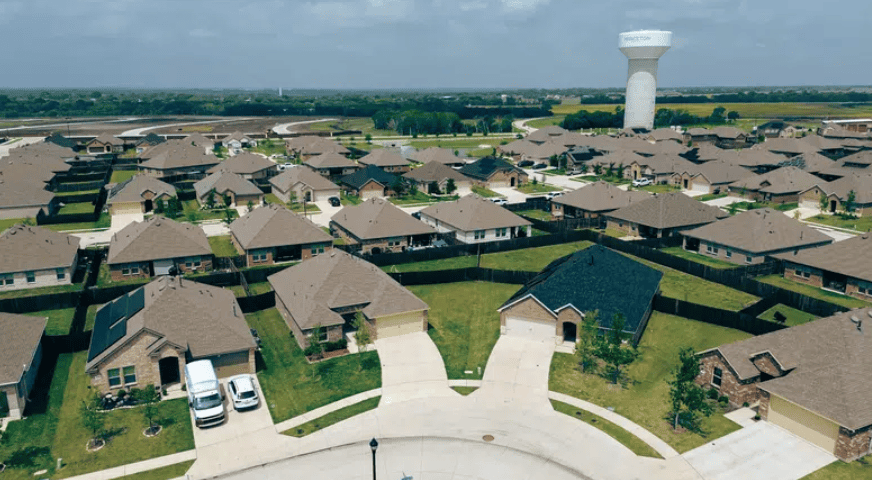
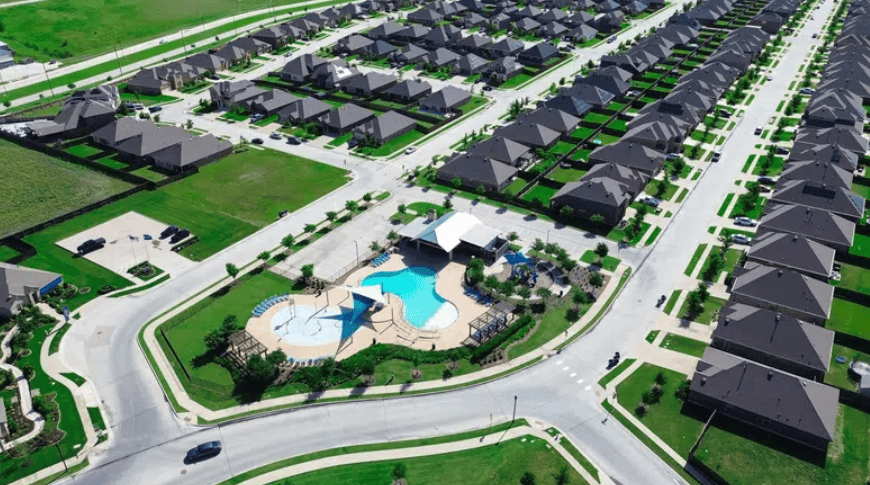
Princeton’s neighborhoods reflect the city’s rapid change. Many areas feature modern homes, landscaped streets, walking paths, and ponds. Homebuilders offer designs that appeal to a wide range of buyers. First-time homeowners, growing families, and retirees all find options that fit their needs.
As new subdivisions appear, the city continues to evaluate how development impacts traffic, utilities, and public services. Leaders have sometimes paused or adjusted construction plans temporarily to ensure the city can support new growth. These decisions show a commitment to responsible planning rather than uncontrolled expansion.
Homebuyers appreciate the value they find in Princeton. Housing prices remain lower than in nearby suburbs, which helps families stay within budget. Rental options are available as well, though demand remains strong.
Parks, Recreation, and Outdoor Spaces
Princeton offers plenty of outdoor activities. J. M. Caldwell Sr. Community Park is a centerpiece, but other areas provide opportunities for recreation. Families enjoy fishing, biking, dog-walking, and playground time throughout the year. New neighborhoods often include their own green spaces, giving residents more places to gather.
Future plans include additional parks and improvements to existing ones. With more families arriving each month, recreation plays a bigger role in shaping the city’s appeal. Outdoor spaces help maintain a balance between growth and quality of life.
Challenges That Come With Growth
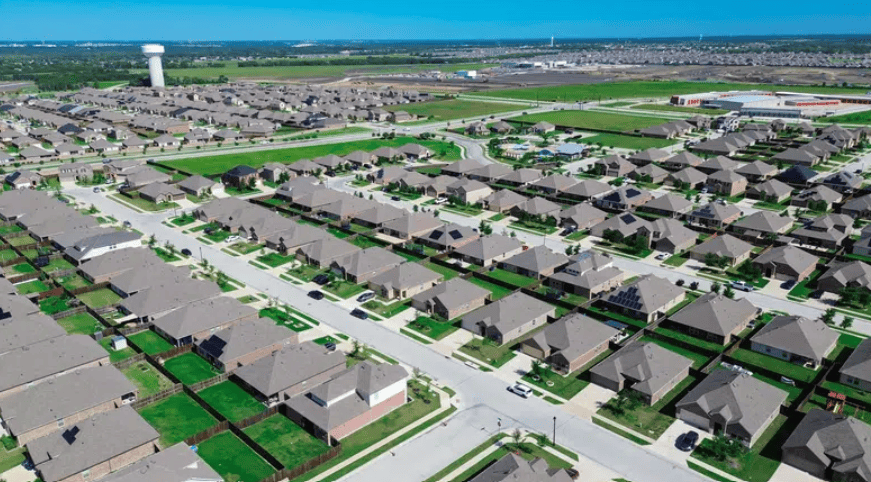
Every fast-growing city faces challenges. Princeton continues to work through issues related to traffic, infrastructure, and city services. U.S. 380 has become a busy highway, and improvements are underway across Collin County. Water and sewer systems require upgrades to serve a larger population. Schools must expand to handle enrollment.
The city communicates these challenges openly and works toward long-term solutions. Planning, investment, and community involvement are vital to managing the transition from a small town to a larger city.
Residents also express a desire to preserve Princeton’s identity while adapting to change. Balancing old and new is an ongoing conversation in community meetings, neighborhood groups, and city planning discussions.
The Future of Princeton
The future of Princeton looks promising. Population numbers are expected to climb steadily, and new developments will continue. The city’s location makes it a key part of the eastern growth corridor of the Dallas–Fort Worth region.
Economic opportunities will expand as commercial projects move forward. More businesses will open, more jobs will be created, and new services will meet the needs of residents. As infrastructure improves, commuting and travel will become easier.
What sets Princeton apart is the determination to grow with purpose. Leaders focus on thoughtful planning. Residents bring enthusiasm and pride. Newcomers find a place where they feel welcome. These traits position Princeton for a strong and stable future.
Final Thoughts
Princeton, Texas may be gaining national recognition for its rapid growth. Yet the heart of the city lies in its people, its history, and its unchanging sense of community. Families move here for homes and schools. They stay because the city feels friendly and familiar.
As Princeton continues to grow, it offers a unique experience. It sits close to the Dallas–Fort Worth area but keeps the slower and more personal rhythm of a smaller town. It is a place shaped by tradition and energized by new beginnings. For anyone curious about Texas communities on the rise, Princeton deserves attention.

Comments (0)
No comments yet. Be the first to share your thoughts.
Leave a comment