


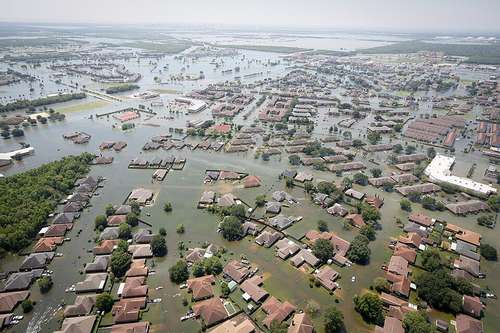
For homeowners along the Texas Gulf Coast and across storm-affected regions of the state, hurricane season is a part of life that demands preparation. Each year from June 1 through November 30, warm ocean waters create conditions that can produce tropical storms and hurricanes capable of bringing destructive winds, heavy rainfall, and flooding.
While hurricanes can feel unpredictable, one thing remains consistent: the best protection for your home is preparation long before a storm forms in the Gulf. Taking proactive steps can help reduce damage, protect your belongings, and ensure your household can respond quickly if a storm threatens your area.
This guide explores practical ways to prepare your Texas home for hurricane season—from strengthening vulnerable parts of the house to building emergency plans and protecting what matters most.
Understanding the Risks of Texas Hurricane Season
Texas has experienced numerous major hurricanes over the decades, and coastal communities remain especially vulnerable. Hurricanes bring several threats at once:
- High winds capable of damaging roofs and breaking windows
- Storm surge that pushes seawater inland
- Heavy rainfall and flooding that can impact homes far from the coastline
- Power outages that can last for days
Wind damage often begins when debris breaks windows or doors, allowing rain to enter and weaken the structure of a home.
Understanding these risks helps homeowners prioritize the areas of their property that need attention before hurricane season arrives.
Inspect and Strengthen Your Roof
Your roof is one of the most critical defenses against hurricane damage. If the roof fails during a storm, it can allow water to enter and cause serious structural damage.
Before hurricane season begins, consider these steps:
- Inspect shingles or roofing materials for damage
- Replace loose or missing shingles
- Check flashing around vents and chimneys
- Ensure gutters and downspouts are clear
Regular maintenance helps keep your roof capable of withstanding strong winds and heavy rain during severe storms.
If your roof is older, scheduling a professional inspection can help identify weak areas before they become a problem.
Protect Windows and Doors from Flying Debris
Windows and doors are among the most vulnerable parts of a home during hurricane-force winds.
Flying debris can shatter glass, allowing wind and rain to enter the home. Once this happens, internal pressure can increase dramatically and lead to structural damage.
Common protective options include:
- Hurricane shutters that cover windows during storms
- Impact-resistant windows and doors designed for high-wind regions
- Temporary plywood boards installed before a storm
Storm shutters provide a strong barrier between your home and wind-driven debris, significantly reducing the risk of broken windows.
Many Texas homeowners install permanent shutters so they can secure their homes quickly when storms approach.
Trim Trees and Secure Outdoor Items
Strong winds can turn everyday objects into dangerous projectiles.
Items commonly involved in hurricane damage include:
- Patio furniture
- Outdoor grills
- Potted plants
- Lawn equipment
- Loose construction materials
Before hurricane season arrives, walk around your property and identify objects that could become airborne.
Additionally, trimming dead or overhanging tree branches reduces the risk of limbs falling onto roofs or power lines during strong winds.
Regular yard maintenance is one of the simplest ways to reduce storm damage.
Prepare for Flooding and Storm Surge
Even homes located miles inland can experience flooding during major hurricanes.
To reduce potential water damage:
- Elevate valuable items and electronics above floor level
- Install flood vents or barriers if your home is in a flood-prone area
- Ensure drainage systems and gutters are functioning properly
- Move vehicles to higher ground if heavy rainfall is expected
Flood insurance is also worth considering. Many homeowners assume standard insurance covers flood damage, but policies often require separate coverage.
Checking coverage before storm season can prevent unexpected financial stress later.
Build an Emergency Hurricane Supply Kit
Storm preparation isn’t just about protecting your house—it’s also about protecting the people inside it.
Every Texas household should have a hurricane emergency kit ready before storms develop.
Recommended supplies include:
- Drinking water (at least one gallon per person per day)
- Non-perishable food for several days
- Flashlights and extra batteries
- First-aid supplies and medications
- Phone chargers and power banks
- Portable radios for weather updates
- Pet supplies if you have animals
Experts recommend preparing enough supplies for at least three to seven days, since storms can disrupt power and transportation for extended periods.
Having supplies ready prevents last-minute panic when store shelves begin to empty.
Protect Important Documents and Valuables
In the aftermath of a hurricane, having access to key documents can make insurance claims and recovery far easier.
Important items to secure include:
- Identification documents
- Insurance policies
- Property records
- Medical information
- Financial documents
Store these materials in waterproof containers or sealed plastic bags and keep digital copies when possible.
Some homeowners also create a home inventory by photographing rooms and valuables before storm season.
Create a Family Emergency Plan
Preparing your home also means preparing your household.
A clear emergency plan should include:
- Evacuation routes and safe destinations
- Communication plans if family members are separated
- Locations of nearby emergency shelters
- Emergency contact numbers
Discuss the plan with every family member so everyone knows what to do if severe weather develops.
Planning ahead ensures quicker decisions if evacuation orders are issued.
Stay Informed During Storm Season
Staying aware of weather conditions is essential during hurricane season.
Reliable sources for storm updates include:
- National Hurricane Center forecasts
- Local weather stations and news outlets
- Emergency alert systems
- Weather apps and NOAA radios
Monitoring forecasts allows you to act early if storms strengthen or change direction.
Preparation becomes much easier when you have accurate, timely information.
Check Your Insurance and Property Records
Hurricane season is also a good time to review insurance coverage and home records.
Consider the following steps:
- Review homeowner’s insurance coverage limits
- Confirm flood insurance coverage if needed
- Document major appliances and home improvements
- Photograph valuable items
These records can help simplify claims and speed up recovery if storm damage occurs.
Don’t Wait Until a Storm Is Approaching
One of the biggest mistakes homeowners make is waiting until a hurricane is already forming before taking action.
Preparation should happen weeks or months before hurricane season peaks.
Completing inspections, assembling emergency kits, and reinforcing vulnerable parts of the home early allows you to focus on safety if a storm eventually approaches.
Final Thoughts
Hurricane season is a reality for many Texans, particularly along the Gulf Coast and nearby regions. While storms themselves cannot be prevented, preparation plays a major role in reducing damage and protecting families.
By strengthening your home’s structure, securing outdoor areas, assembling emergency supplies, and creating a clear household plan, you can face hurricane season with greater confidence.
Taking these steps today ensures that when the next storm appears on the radar, your home—and your family—are ready.
Comments (0)
No comments yet. Be the first to share your thoughts.
Leave a comment