


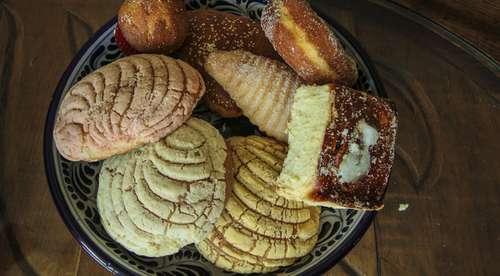
San Antonio is a city where food carries memory. Barbecue, breakfast tacos, tamales, and puffy tacos all have their place, but pan dulce holds a special kind of comfort. These colorful Mexican sweet breads are part of morning routines, family visits, holiday tables, and weekend errands across the city.
Pan dulce is more than dessert. It is something people pick up before work, bring to a relative’s house, share with coffee, or buy by the tray for celebrations. In San Antonio, bakeries keep this tradition alive by making conchas, empanadas, marranitos, orejas, cuernitos, and other favorites that connect generations.
Below are some of the city’s standout places to find pan dulce, from longtime neighborhood panaderías to modern bakeries giving traditional sweets a fresh look.
Why Pan Dulce Matters in San Antonio
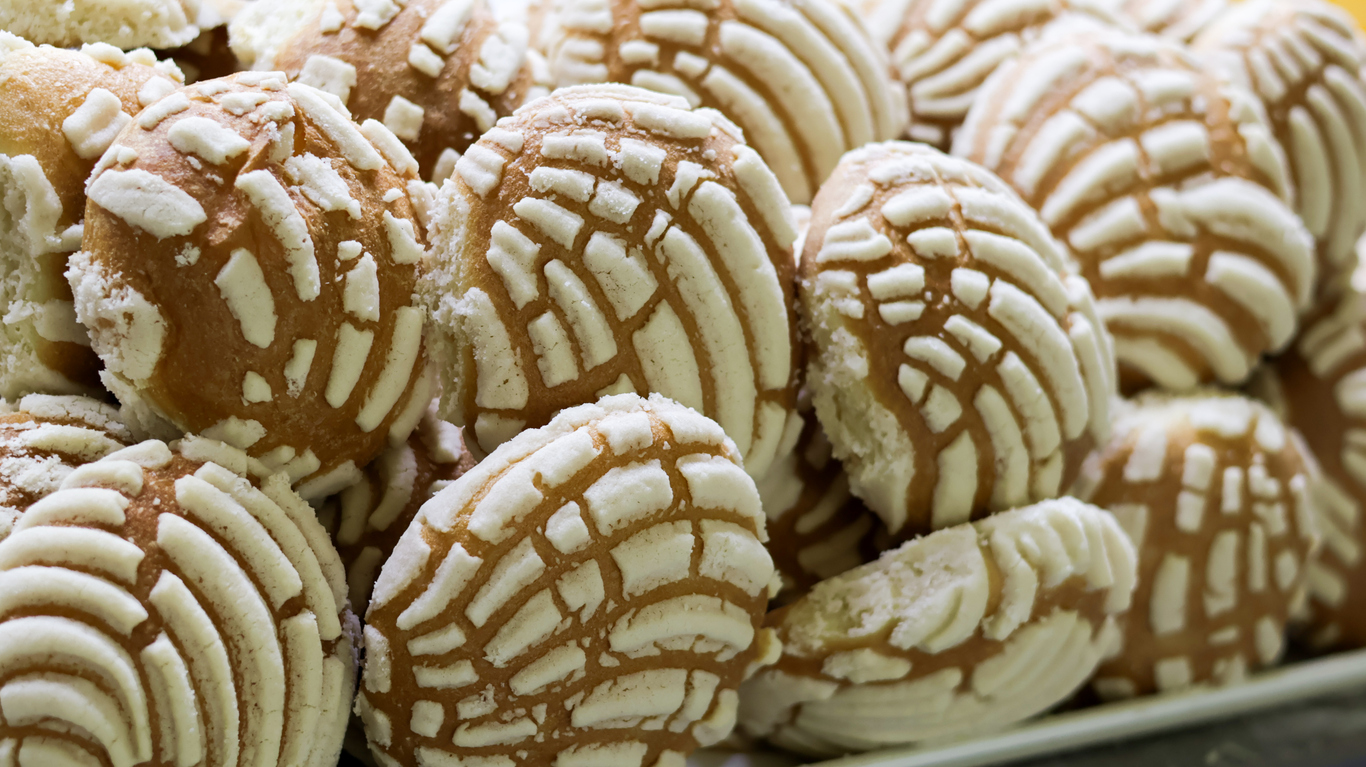
San Antonio’s deep Mexican American heritage has shaped the city’s food culture for generations. Pan dulce fits naturally into that story. The panadería is not just a place to buy bread. It is often a neighborhood stop where families know what they like, workers grab breakfast, and children learn the names of pastries by pointing through a glass case.
Many pan dulce favorites have roots in Mexican baking traditions influenced by Indigenous ingredients, Spanish colonial foodways, and European-style breads. Over time, those traditions became part of everyday life in Texas border cities and Mexican American communities.
In San Antonio, pan dulce is especially tied to simple rituals: coffee in the morning, merienda in the afternoon, church gatherings, holidays, and family weekends.
Bedoy’s Bakery
Bedoy’s Bakery is one of San Antonio’s classic panadería names. The business describes itself as a San Antonio tradition since 1961, with four generations of bakers working to preserve Mexican breadmaking.
This is the kind of bakery many locals associate with old-school pan dulce. Customers come for familiar favorites like conchas, empanadas, cookies, and other traditional pastries. Bedoy’s is especially known for keeping the feel of a neighborhood bakery: straightforward, dependable, and rooted in family history.
For anyone trying to understand San Antonio’s pan dulce culture, Bedoy’s is a strong place to start. It represents the kind of bakery where tradition is not treated as a theme. It is simply how the work has been done for decades.
La Panadería
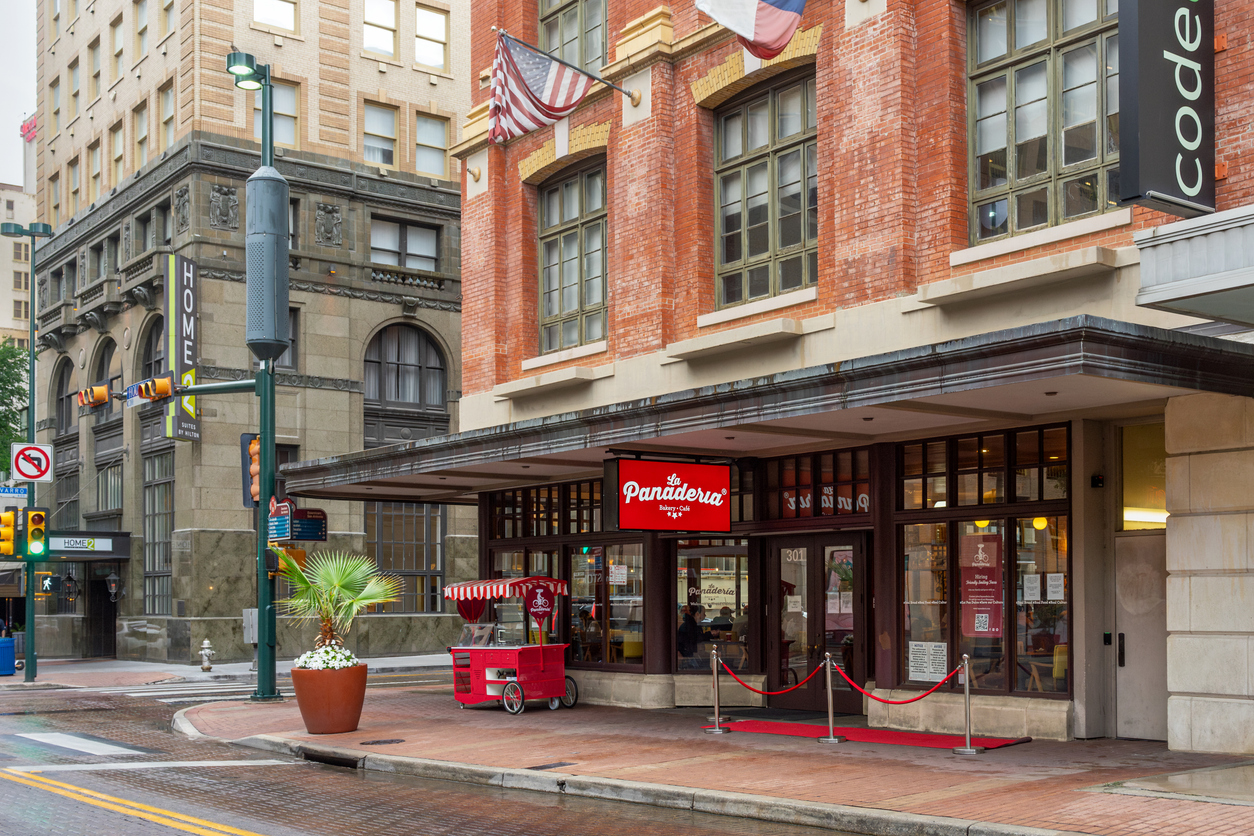
La Panadería has become one of San Antonio’s best-known modern bakeries. It specializes in handmade bread and pan dulce inspired by Mexico’s Golden Era, while also drawing from French, Italian, and American breadmaking techniques.
This makes La Panadería a good choice for people who want traditional flavors in a polished café setting. Its menu often includes conchas, orejas, moños, croissants, seasonal pastries, and coffee. The bakery’s pan dulce selection blends classic Mexican forms with a more contemporary presentation.
La Panadería is also useful for visitors because it offers a sit-down café experience, not just a quick bakery counter. It is a place where someone can try pan dulce alongside breakfast, brunch, or coffee while still getting a sense of San Antonio’s Mexican bakery traditions.
Panifico Bake Shop
Panifico Bake Shop is another important name in San Antonio’s pan dulce scene. The bakery describes itself as a true artisan panadería that follows traditional methods and recipes, with many items made from scratch from handed-down recipes.
Located on the city’s Westside, Panifico has built a loyal following for traditional sweet breads along with creative seasonal items. A 2025 report noted that the bakery had been serving San Antonio for 20 years and was known for conchas, pink cake, scratch-made empanadas, and festive pastries.
Panifico is a good example of how pan dulce can stay traditional while still being playful. It respects the basics, but it also understands that bakeries are part of birthdays, holidays, school events, office treats, and local celebrations.
Mi Tierra Café y Panadería
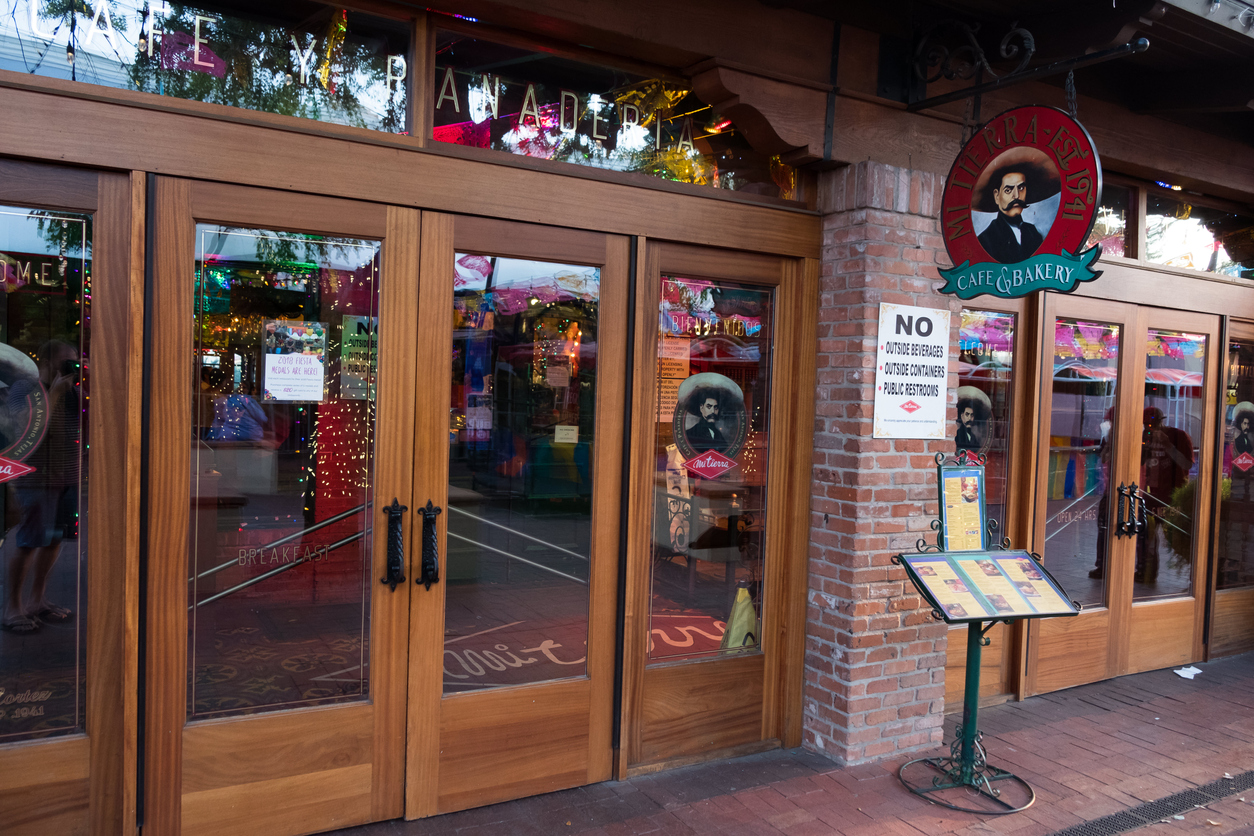
Mi Tierra Café y Panadería is one of San Antonio’s most famous food landmarks. Located in Market Square, it is known for its bright interior, Mexican food, bakery cases, and long-standing role in the city’s tourism and dining scene.
For pan dulce, Mi Tierra is especially useful for visitors who want a bakery experience connected to downtown San Antonio. The bakery cases are filled with Mexican pastries, cookies, and sweet breads, making it easy to pick up a box after a meal or while exploring Market Square.
Mi Tierra may be busier and more tourist-oriented than a neighborhood panadería, but it still plays an important role. It introduces many visitors to the visual appeal and variety of Mexican baked goods, while remaining part of San Antonio’s larger food identity.
La Popular Bakery
La Popular Bakery is another local name connected with everyday pan dulce. Its Guadalupe Street location is listed with regular bakery hours and local reviews that mention pan dulce as a reason to visit.
This type of bakery is important because San Antonio’s pan dulce culture is not limited to famous destinations. Much of the tradition lives in smaller neighborhood shops where people stop in for a bag of bread after work or before visiting family.
At bakeries like La Popular, the appeal is often simple: familiar pastries, accessible prices, and the comfort of buying the same kinds of sweet bread people grew up with.
Mario’s Bakery
Mario’s Bakery on Castroville Road is another neighborhood bakery option. Its website highlights homemade donuts, cinnamon rolls, and pan dulce, and describes the bakery as a local favorite for quality and tradition.
This makes Mario’s a good stop for people who like bakeries that mix Mexican sweet bread with other morning favorites. It is also a reminder that San Antonio bakery culture is practical. Many shops serve customers who want both pan dulce and everyday breakfast sweets in one visit.
For Westside bakery exploring, Mario’s is worth considering alongside other neighborhood panaderías.
Pan Dulce Bakery & Café
Pan Dulce Bakery & Café in Castle Hills offers another option for handmade pastries in a more café-style setting. The bakery says it crafts handmade pastries daily and emphasizes freshness and simple flavors.
This is a good choice for people who want a quieter bakery stop outside the busiest downtown areas. It also shows how pan dulce continues to fit into different parts of the city, from older neighborhood corridors to suburban communities.
La Conchería Gourmet Bakery
La Conchería Gourmet Bakery focuses heavily on conchas, one of the most recognizable forms of pan dulce. The bakery says it began as a home-kitchen project in 2020 and grew into a family-owned bakery known for soft conchas in classic and creative flavors.
For people who especially love conchas, this is one of the more focused places to try. Traditional conchas usually have a soft bread base topped with a sweet, shell-patterned crust. Bakeries like La Conchería show how one classic item can become the center of a whole bakery identity.
What to Try If You Are New to Pan Dulce
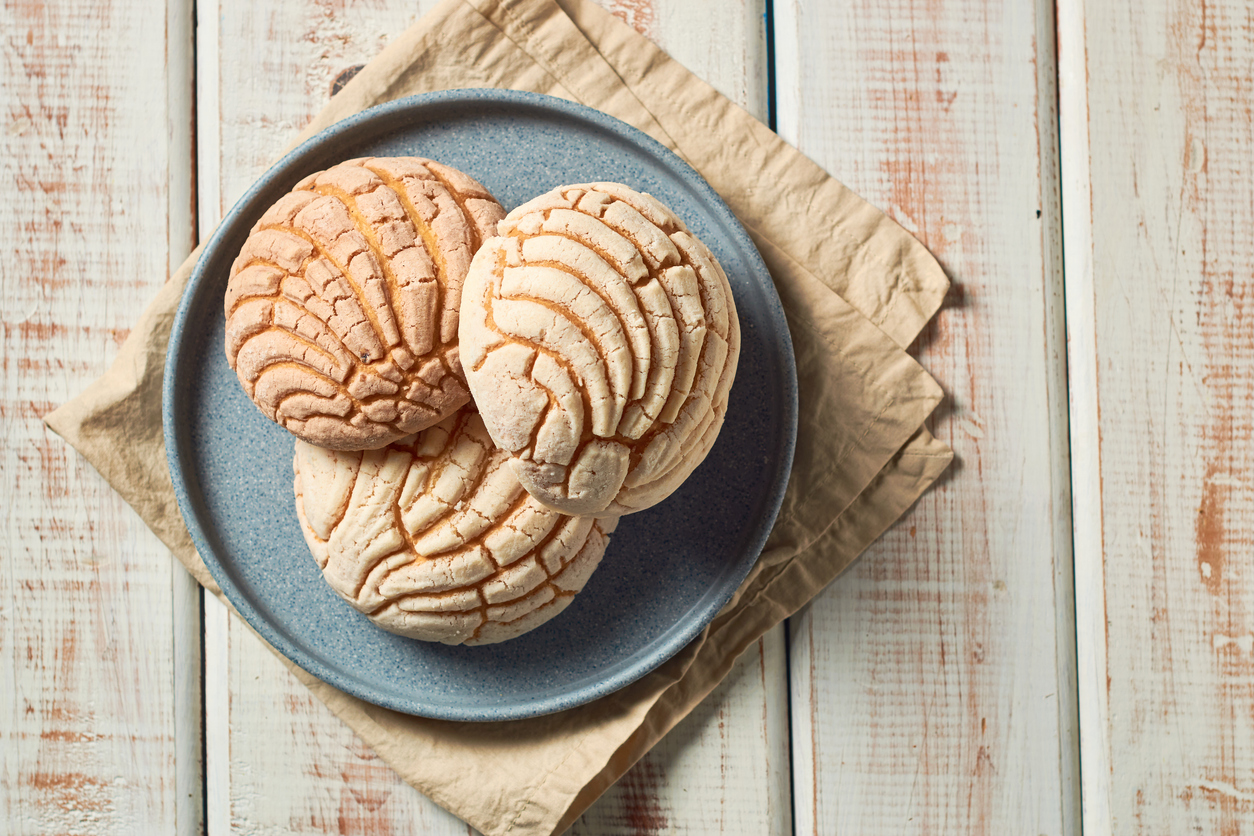
If you are visiting a San Antonio Panadería for the first time, the choices can feel overwhelming. A few good starting points include:
- Concha: A soft sweet bread with a crunchy, shell-like topping.
- Empanada: A folded pastry often filled with pumpkin, fruit, or sweet cream.
- Marranito: A pig-shaped molasses cookie with a soft, spiced flavor.
- Oreja: A crisp, flaky pastry shaped like an ear and often coated with sugar.
- Cuernito: A horn-shaped pastry that can be soft, sweet, or lightly glazed.
- Polvorón: A crumbly Mexican shortbread cookie, often colorful and sweet.
A good pan dulce run usually includes a mix of soft breads, flaky pastries, and cookies. That way, you get a better sense of the variety.
Tips for Visiting a San Antonio Panadería
The best time to visit many panaderías is in the morning, when the bread is fresher and the selection is fuller. Weekends can be busier, especially before family gatherings, holidays, and church events.
If you are buying for a group, get a variety instead of choosing only one type. Pan dulce is made for sharing, and everyone usually has a favorite. It also helps to bring cash, although many bakeries now accept cards.
Most importantly, do not be afraid to ask questions. Panadería workers are usually used to helping customers choose. If you are not sure what something is, ask what is inside or whether it is soft, flaky, sweet, or filled.
Keeping a Sweet Tradition Alive
San Antonio’s best pan dulce is not found in just one bakery. It lives across the city, from family-run panaderías that have served generations to newer bakeries reimagining conchas and pastries for modern tastes.
What connects them is the role they play in daily life. Pan dulce is affordable, familiar, and deeply social. It is the kind of food people bring home in a white paper bag or bakery box, set on the table, and share without making a big announcement.
That is why San Antonio’s pan dulce tradition continues to matter. It is not only about sugar, bread, and coffee. It is about memory, neighborhood loyalty, family routines, and the bakeries that keep those small but meaningful traditions alive.
Comments (0)
No comments yet. Be the first to share your thoughts.
Leave a comment