


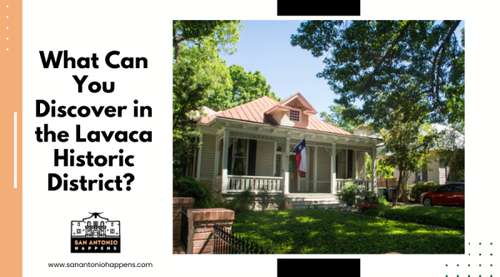
Just southeast of downtown San Antonio, the Lavaca Historic District offers a quieter way to explore the city’s past. Its tree-lined streets, historic cottages, modest Victorian homes, and early commercial buildings tell the story of a neighborhood shaped by generations of working families, craftspeople, and small-business owners.
Located near the King William Historic District and south of Hemisfair, Lavaca began as agricultural land associated with San Antonio’s Spanish missions. During the 1830s, landowners began selling property for development, and the area gradually grew into a residential neighborhood.
Unlike neighboring King William, known for its grand historic mansions, Lavaca developed primarily as a community of smaller homes. Many of its surviving buildings date to the late 19th and early 20th centuries, reflecting the changing materials, architectural tastes, and everyday lives of San Antonio residents.
Today, Lavaca remains an active residential neighborhood with a strong preservation tradition. Visitors can discover its history through architecture, historic landmarks, and a leisurely walk along its streets.
Architectural Styles
One of Lavaca’s most interesting features is the variety of architectural styles found within a relatively small area.
Some of the neighborhood’s earliest surviving houses were constructed from caliche blocks, a traditional building material used in San Antonio. These modest homes reflected local building practices and the practical needs of the families who lived in them.
As railroad transportation expanded in the late 1870s, manufactured building materials such as milled lumber became more widely available. Wood-framed houses gradually became common, introducing new architectural details while retaining the neighborhood’s generally modest scale.
Victorian-era influences appear in decorative porches, asymmetrical façades, and ornamental woodwork. Some houses display Queen Anne characteristics, while others incorporate Classical Revival elements such as columns and balanced proportions.
Early 20th-century homes also show Craftsman influences, including low-pitched roofs, broad eaves, and welcoming front porches.
Buildings such as the John Batot House, Peter Hehn House, and Albert and Mary Umscheid House illustrate the neighborhood’s residential history. Together with its smaller cottages and commercial structures, they create an architectural landscape that rewards close observation.
Rather than looking for one dominant style, visitors can enjoy comparing how different houses reflect the neighborhood’s development over time.
Preservation Efforts
Preserving Lavaca’s historic character requires cooperation among residents, property owners, community organizations, and the City of San Antonio.
The neighborhood is recognized as both a National Register historic district and a locally designated historic district. Its historic status helps document the importance of its architecture and provides a framework for protecting significant buildings.
Preservation efforts focus on several important areas:
- Architectural Restoration: Maintaining and repairing historic houses while respecting their original materials, proportions, and architectural features.
- Cultural Heritage: Documenting the neighborhood’s history, including the experiences of its residents and the development of its homes and businesses.
- Community Engagement: Encouraging residents to participate in neighborhood planning, preservation discussions, and improvements to shared spaces.
The Lavaca Neighborhood Association, founded in 1985, contributes to these efforts by bringing residents together and advocating for the neighborhood’s livability and historic character.
Preservation is especially important in a neighborhood close to downtown, where new development and changing land uses continue to create both opportunities and challenges.
Community and Events
Lavaca is more than a collection of historic buildings. It is an active neighborhood where residents organize activities, discuss local concerns, and work together to maintain their community.
The Lavaca Neighborhood Association provides opportunities for neighbors to connect through meetings, social gatherings, and volunteer activities.
Some of its regular activities include:
- Neighborhood Clean-Up Days: Residents volunteer to help keep neighborhood streets and shared spaces clean.
- General Membership Meetings: Community gatherings provide updates on neighborhood developments, local issues, and opportunities for participation.
- Neighborhood Improvement Initiatives: Residents work together on concerns such as walkability, neighborhood appearance, traffic, and the preservation of local character.
These activities help maintain Lavaca as a welcoming place to live while encouraging residents to participate in decisions affecting its future.
Visitors interested in community activities can consult the neighborhood association’s event calendar for current opportunities.
Annual Festivals and Events
Lavaca’s location within San Antonio’s Southtown area places it near a variety of cultural activities, neighborhood gatherings, and seasonal celebrations.
The Lavaca Neighborhood Association organizes or promotes activities such as neighborhood socials, clean-up days, community meetings, and arts-related events.
Art in the Park, for example, has appeared on the association’s event calendar as a neighborhood arts gathering at Florida Street Park. Such events provide opportunities to enjoy local creativity while spending time in the community.
Lavaca also benefits from its proximity to the broader Southtown arts and cultural scene, including galleries, restaurants, and events in neighboring districts.
Visitors hoping to attend a festival, art event, historic home tour, or neighborhood gathering should check the current event calendar before making plans. Activities and schedules can change from year to year, and not every event is held annually.
Community Preservation Efforts
Community participation plays an important role in maintaining Lavaca’s historic identity.
Residents contribute by caring for historic properties, participating in neighborhood discussions, and supporting efforts to improve public spaces.
Three important areas of involvement include:
- Architectural Preservation: Property owners maintain historic homes and buildings, helping protect the neighborhood’s distinctive appearance.
- Historical Documentation: Historic district records and preservation research identify significant buildings and explain their architectural and cultural importance.
- Community Participation: Neighborhood meetings, volunteer clean-ups, and local initiatives allow residents to help shape Lavaca’s future.
These efforts demonstrate that preservation involves more than protecting old buildings. It also means maintaining a neighborhood where people can continue to live, work, and build connections.
Tourism Highlights
For visitors, Lavaca offers an opportunity to experience historic San Antonio beyond its best-known tourist landmarks.
Its appeal lies in the neighborhood itself. Walking along its residential streets reveals historic cottages, mature trees, traditional porches, and architectural details that reflect different periods of the city’s development.
A visit can also include several notable landmarks along South Alamo Street and nearby residential blocks.
San Antonio Fire Station No. 7 is a particularly recognizable building. Constructed in 1924, the two-story Spanish Colonial Revival structure stands at 604 South Alamo Street. Although it is not generally open for public tours, visitors can appreciate its architecture from public areas.
Seale Dry Goods Co., at 709 South Alamo Street, represents the neighborhood’s early commercial development. Dating to approximately 1910, the building recalls the businesses that served local residents as the area expanded.
John Batot House, on Barrera Street, is among the historic residential properties associated with Lavaca’s late-19th-century development. Like other private homes in the district, it is best appreciated from public sidewalks.
Historic Place | What Makes It Interesting |
|---|---|
San Antonio Fire Station No. 7 | A 1924 Spanish Colonial Revival building associated with the city’s early fire services |
Seale Dry Goods Co. | An early-20th-century commercial building reflecting Lavaca’s neighborhood businesses |
John Batot House | A historic residence illustrating Lavaca’s late-19th-century residential development |
Other significant residential properties include the Peter Hehn House and the Albert and Mary Umscheid House.
Visitors can appreciate the neighborhood’s architectural variety without entering private properties. Even a short walk reveals differences in rooflines, building materials, porch designs, windows, and decorative details.
For a pleasant outing, combine a walk through Lavaca with time in nearby King William or Southtown. This allows visitors to compare different architectural styles while enjoying the area’s restaurants and neighborhood atmosphere.
Remember that Lavaca is primarily residential. Respect private property, avoid entering yards or porches without permission, and observe homes from public spaces.
Development History
Lavaca’s history began long before its streets were lined with houses.
The area was originally associated with agricultural lands belonging to San Antonio’s Spanish missions. During the 1830s, landowners began selling portions of this land, opening the way for residential development.
Samuel Maverick and Thomas Devine acquired and subdivided substantial sections of the area, contributing to the neighborhood’s early development.
By the late 19th century, Lavaca had become home to many German-speaking immigrants, craftspeople, and small-business owners. Compared with nearby King William, which attracted wealthier residents, Lavaca was characterized by more modest houses and a close-knit working and middle-class community.
The arrival of the railroad in the late 1870s made manufactured building materials more accessible, changing the way homes were constructed.
During the early 20th century, improvements in utilities and transportation supported additional development. The arrival of streetcar service in 1914 helped connect the neighborhood with other parts of San Antonio.
Small shops, food businesses, retail establishments, and later automotive-related businesses appeared along commercial corridors.
Major 20th-century projects, including Victoria Courts, HemisFair ’68, and Interstate 37, brought significant changes to the surrounding area.
Despite these transformations, much of Lavaca’s historic residential fabric survived.
A portion of the neighborhood was listed in the National Register of Historic Places in 2000. The City of San Antonio designated Lavaca as a local historic district in 2001, with additional areas incorporated in 2002 and 2004.
These recognitions helped establish the importance of preserving the neighborhood’s historic buildings and character.
Demographic Shifts
Lavaca’s population and community identity have changed considerably since its early development.
During the late 19th century, the neighborhood was home to many German-speaking residents, including craftspeople, tradespeople, and small-business owners.
Over time, Hispanic, African American, and other communities also contributed to the neighborhood’s cultural and social development.
Several major 20th-century projects affected the surrounding area and its residents.
- Victoria Courts: The public housing development became part of San Antonio’s changing housing landscape. Its eventual demolition and redevelopment affected the availability of affordable housing and the lives of former residents.
- HemisFair ’68: Preparations for the 1968 World’s Fair dramatically transformed nearby neighborhoods, resulting in the demolition of many existing buildings and the displacement of residents.
- Interstate 37: Highway construction altered neighborhood connections and contributed to broader changes in development and transportation patterns.
These changes were not simply architectural. They affected families, businesses, housing opportunities, and longstanding community relationships.
Understanding this history adds depth to a visit. Lavaca’s surviving buildings represent only part of the neighborhood’s story; the experiences of the people who lived there are equally important.
Cultural Heritage Evolution
Lavaca’s cultural heritage reflects generations of residents who helped shape the neighborhood.
Its early development included German-speaking immigrants and families working in trades, crafts, and small businesses. Hispanic building traditions influenced some of its earliest surviving homes, particularly those constructed with caliche blocks.
As San Antonio expanded, Lavaca became part of a changing urban landscape shaped by new transportation systems, commercial development, and shifting populations.
The neighborhood’s architecture reflects these changes. Traditional stone and caliche-block houses stand alongside wood-framed Victorian-era homes and early-20th-century buildings.
Small commercial properties also tell an important story. They reveal how local shops and services supported daily life in a neighborhood that developed before modern shopping centers and automobile-oriented commercial districts became common.
Today, Lavaca’s cultural identity continues to evolve.
Historic preservation helps maintain a visible connection to the past, while neighborhood organizations and residents work to address present-day concerns.
For visitors, the district offers a reminder that San Antonio’s history is found not only in missions, monuments, and major landmarks but also in the residential streets where generations of people built their lives.
Real Estate Market
Lavaca’s historic character and location near downtown San Antonio have made it an appealing neighborhood for people interested in older homes and walkable urban living.
The housing stock includes historic single-family residences, renovated properties, and some newer residential development in and around the neighborhood.
For prospective buyers, the district offers several considerations.
- Variety of Homes: Lavaca includes modest historic cottages, larger older residences, and properties reflecting different periods of development.
- Historic Preservation Requirements: Properties within the locally designated historic district may be subject to design review and preservation regulations for certain exterior changes.
- Central Location: Residents have access to downtown San Antonio, Southtown, King William, Hemisfair, and nearby cultural destinations.
- Changing Market Conditions: Home prices, available listings, and time on the market fluctuate. Buyers should consult current property listings and qualified local real-estate professionals for up-to-date information.
Anyone considering purchasing or renovating a historic property should review applicable City of San Antonio historic preservation requirements before planning major exterior alterations.
Lavaca’s appeal extends beyond property values. Its historic streetscape, neighborhood identity, and proximity to central San Antonio are important parts of what makes the area distinctive.
Neighborhood Association
The Lavaca Neighborhood Association has played an important role in community life since its founding in 1985.
Its mission centers on maintaining a safe, attractive, and healthy neighborhood while supporting communication and cooperation among residents.
The association provides opportunities for participation through meetings, social activities, and neighborhood improvement efforts.
Several activities help residents stay involved:
- Neighborhood Socials: Informal gatherings allow neighbors to connect and build relationships.
- Community Meetings: General membership meetings provide opportunities to discuss local developments, neighborhood concerns, and future projects.
- Volunteer Clean-Ups: Residents work together to maintain neighborhood streets and public areas.
- Community and Arts Events: Occasional gatherings and cultural activities help bring residents together and celebrate the neighborhood’s character.
The association also shares information about local planning, transportation, development, and other issues affecting Lavaca.
Visitors interested in neighborhood events can consult the Lavaca Neighborhood Association’s official website and event calendar for current information.
Conclusion
Exploring the Lavaca Historic District reveals a side of San Antonio that visitors can easily overlook.
Its modest historic cottages, Victorian-era details, early commercial buildings, and quiet residential streets tell the story of a neighborhood shaped by working families, immigrants, local businesses, and generations of change.
Unlike San Antonio’s major tourist attractions, Lavaca is best experienced at a slower pace. Walk along its sidewalks, notice the architectural details, and appreciate how its historic buildings continue to form part of a living community.
For travelers interested in architecture, neighborhood history, and discovering places beyond the usual tourist stops, Lavaca offers a rewarding addition to a San Antonio itinerary.
Comments (0)
No comments yet. Be the first to share your thoughts.
Leave a comment