


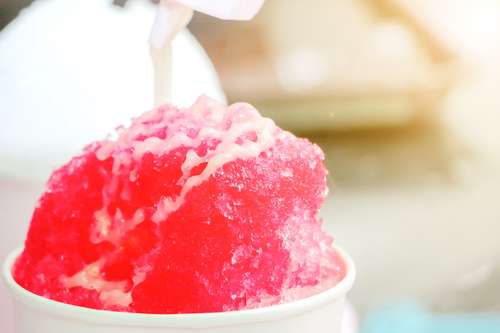
San Antonio knows how to handle hot weather, and one of the city’s most beloved answers comes in a bright paper cup packed with shaved ice, syrup, fruit, candy, and sometimes a little bit of chamoy. The raspa is more than a summer snack. In San Antonio, it is part of neighborhood life, family routines, school memories, and the city’s deep connection to Mexican and Mexican American food traditions.
Simple, colorful, and easy to customize, raspas have become one of San Antonio’s favorite warm-weather treats.
What Is a Raspa?
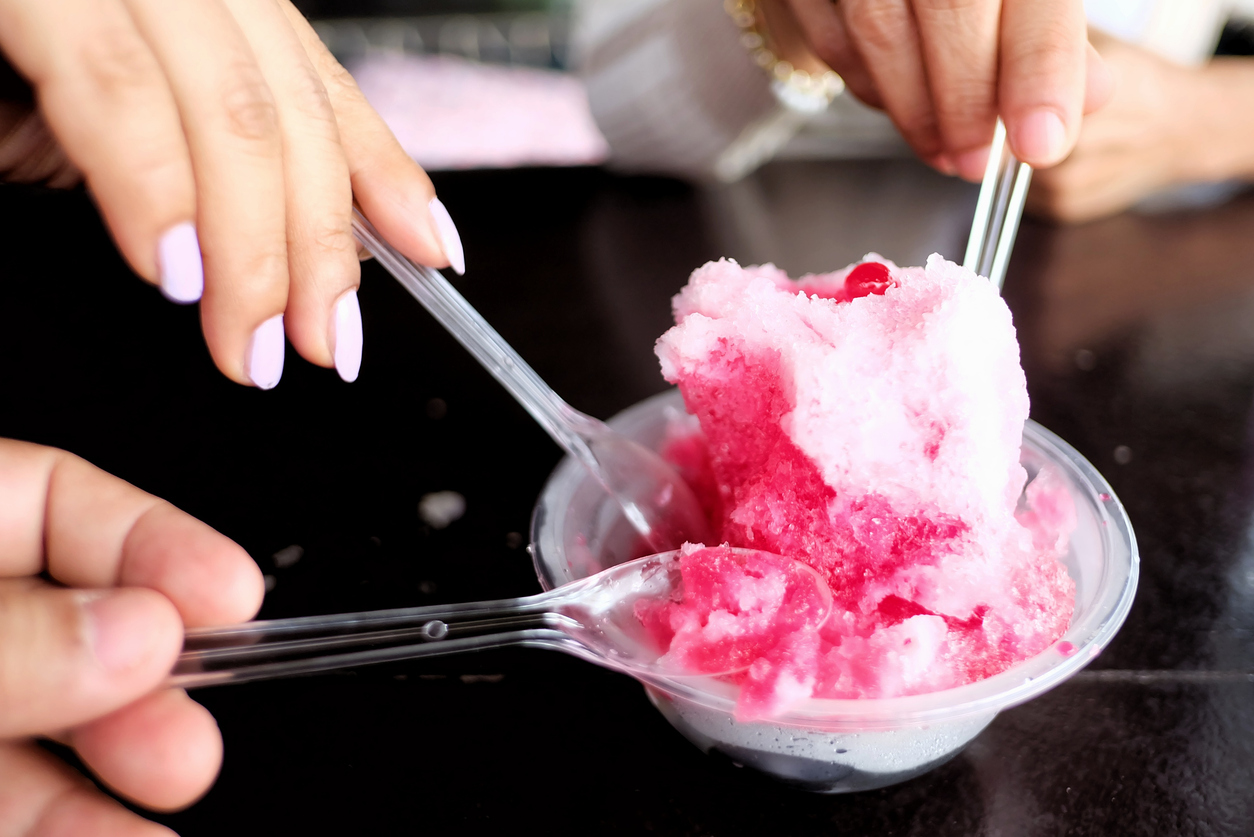
A raspa is a shaved ice dessert flavored with sweet syrups and often topped with fruit, candy, or sauces. The word comes from the Spanish verb raspar, meaning “to scrape,” which fits the treat’s basic method: ice is shaved or scraped into fine pieces, then covered with flavor.
At its simplest, a raspa might be just ice and syrup. Popular flavors include cherry, grape, blue coconut, lime, mango, strawberry, and watermelon. But in San Antonio, many raspa stands take the treat further with toppings like:
- Chamoy
- Pickle juice
- Tamarind candy
- Gummy bears
- Fresh fruit
- Condensed milk
- Ice cream
- Chili powder
- Lucas-style candy powder
That mix of sweet, sour, salty, and spicy is a big part of what makes the San Antonio raspa experience so memorable.
A Treat Built for San Antonio Weather
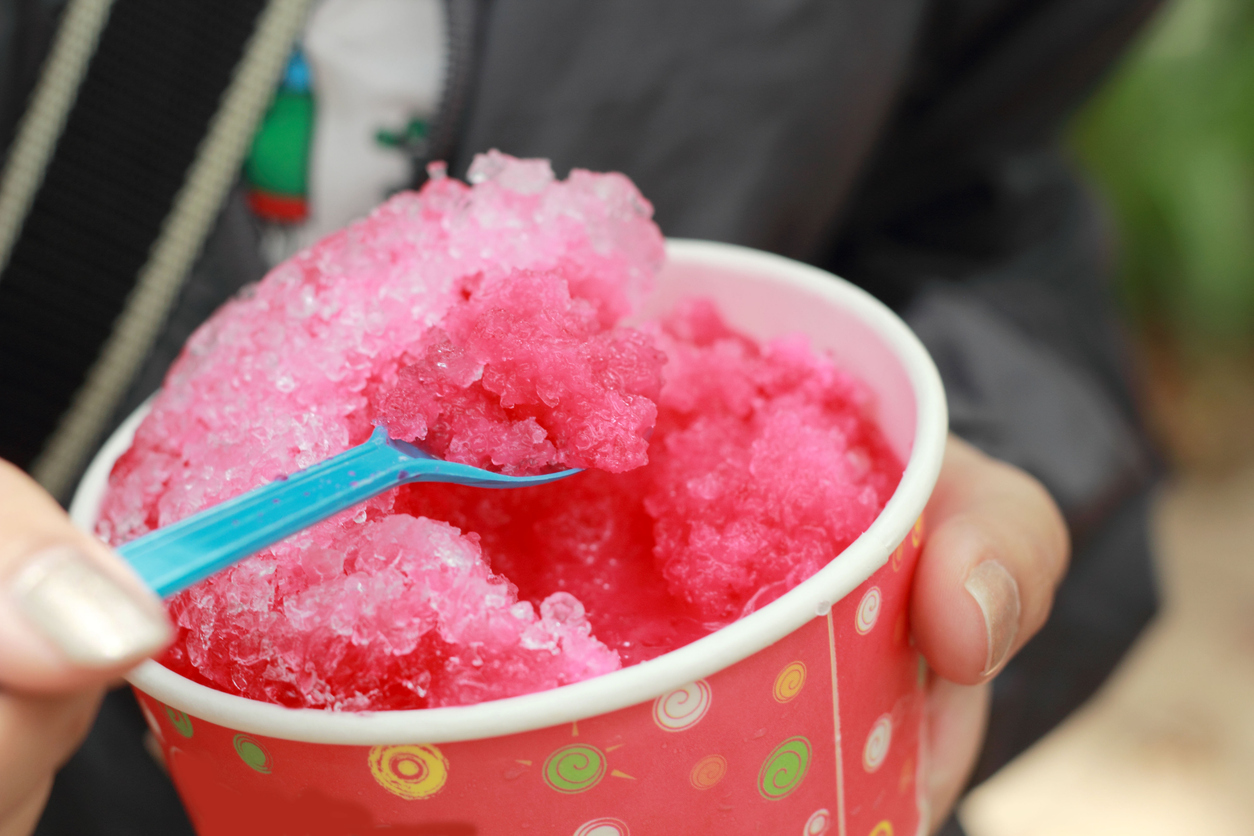
San Antonio summers are long, hot, and often intense. A cold raspa offers quick relief, especially during afternoons when the heat seems to rise from the pavement.
But the raspa is not just about cooling down. It is also affordable, portable, and casual. You can grab one after school, during a weekend drive, after a youth sports game, or while walking around a neighborhood event. It fits easily into the rhythm of everyday life.
That accessibility helped raspas become a citywide favorite. They are not fancy, and they do not need to be. Their charm comes from being familiar, refreshing, and fun.
Mexican and Mexican American Roots
San Antonio’s raspa tradition is closely tied to Mexican and Mexican American culture. Similar shaved ice treats are found across Mexico and Latin America, where vendors sell flavored ice from carts, stands, and small shops.
In San Antonio, raspas developed their own local personality. The city’s strong Mexican American heritage helped shape the flavors, toppings, and style people associate with the treat today. Ingredients like tamarind, chamoy, lime, chili powder, and mango reflect flavor combinations common in Mexican snacks and street food.
That is why a San Antonio raspa is often more than simply sweet. It can be tangy, spicy, salty, fruity, creamy, or all of those at once.
The Neighborhood Raspa Stand
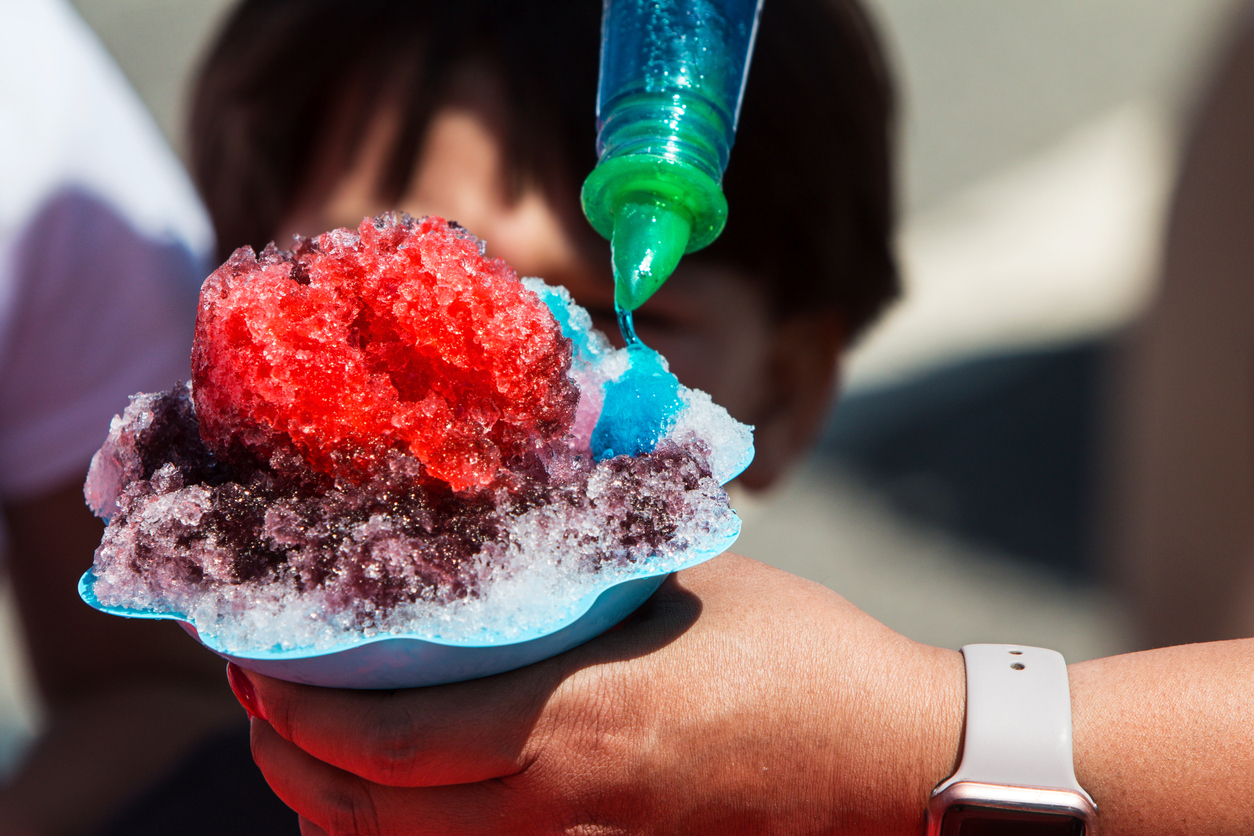
For many San Antonians, the raspa stand is part of growing up. Some stands are small walk-up windows. Others are food trucks, family-run shops, or roadside spots with colorful signs and long flavor lists.
These places often become neighborhood landmarks. People remember the raspa stand near their school, the one their parents stopped at after errands, or the one they visited during summer break. The treat is tied to memory as much as taste.
Raspa stands also serve as gathering places. Families line up together. Kids compare flavors. Friends debate whether to get something classic or something loaded with toppings. The experience is casual, but it feels local and personal.
Classic Flavors Still Matter
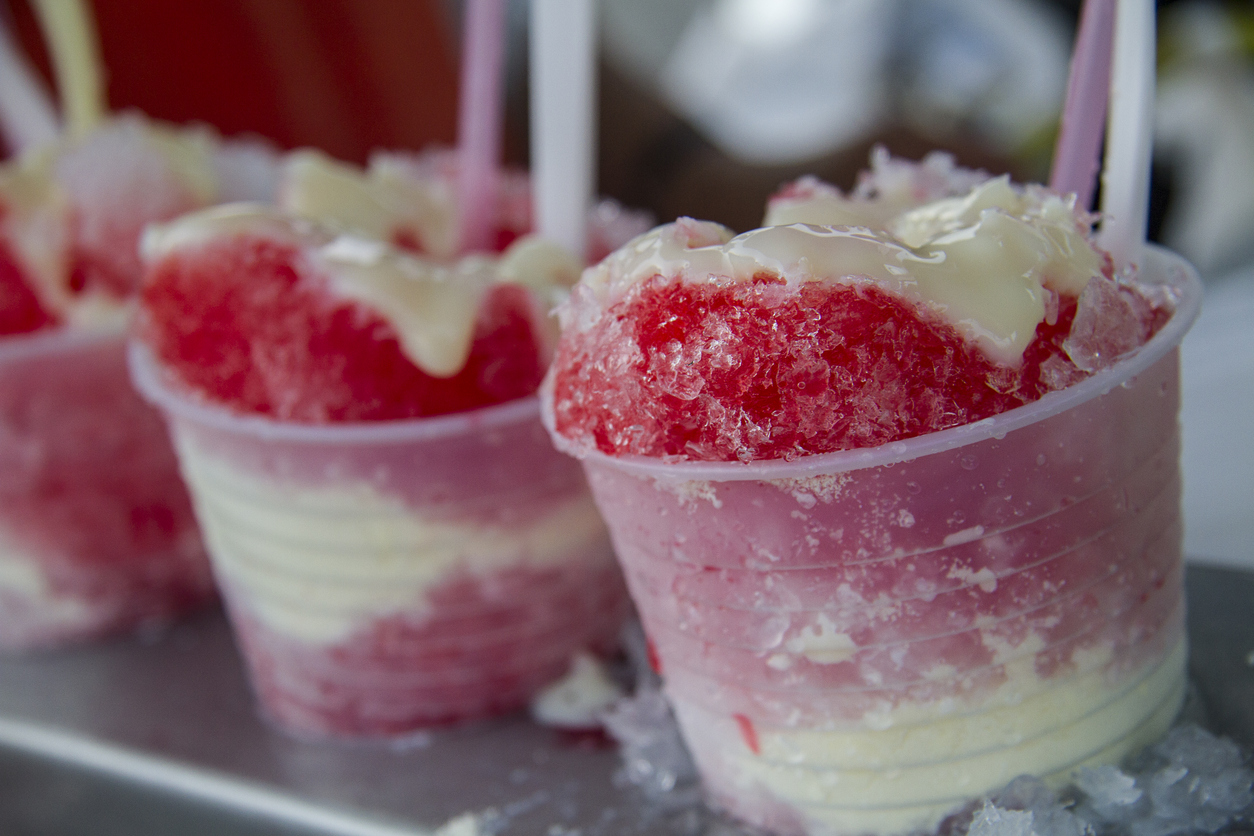
Even with creative combinations, classic raspa flavors remain popular. Cherry, grape, lemon-lime, blue raspberry, and strawberry are still favorites because they are simple and nostalgic.
For many people, a plain cherry raspa or a rainbow raspa brings back childhood memories. These basic versions remind people that raspas do not need to be complicated to be satisfying.
The beauty of the raspa is that it works both ways. It can be a simple cup of syrup-covered ice, or it can be a fully loaded dessert with fruit, candy, and spicy toppings.
Why Chamoy Changed the Raspa Game
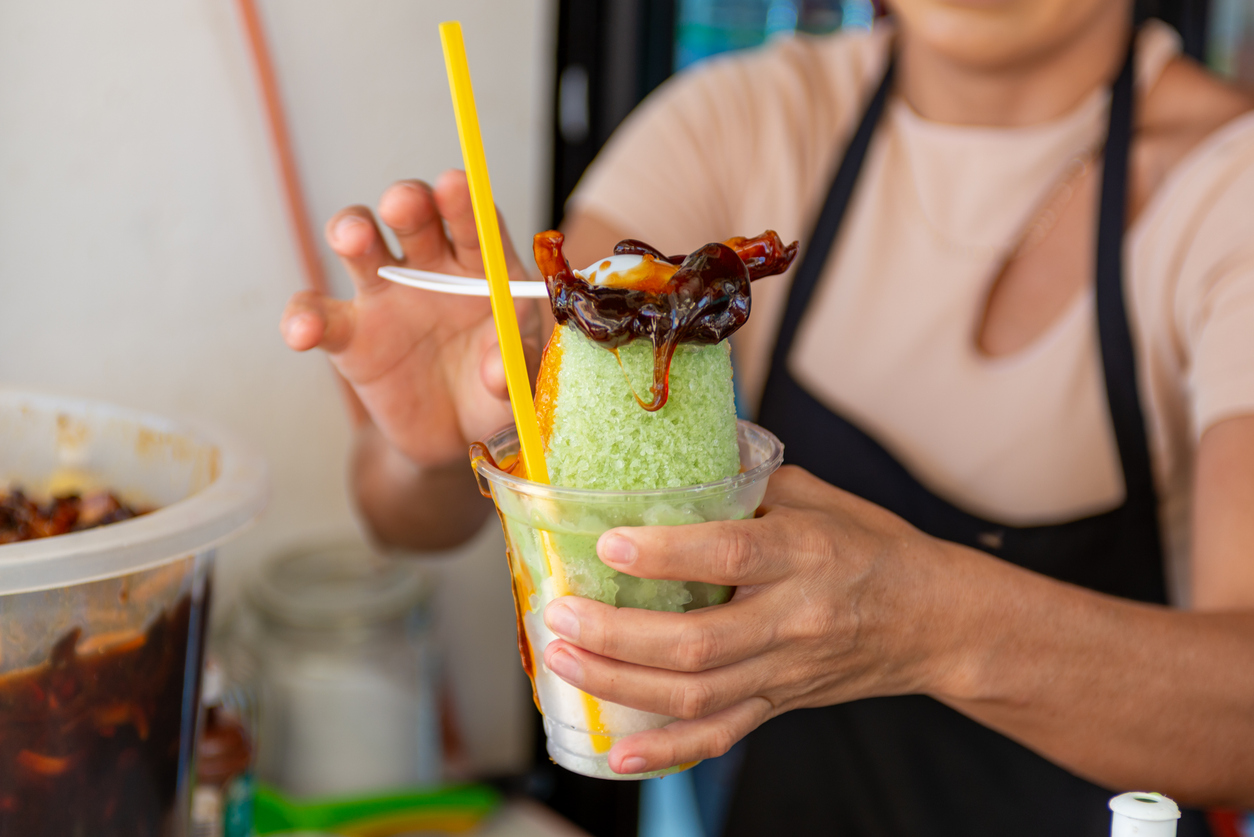
Chamoy has become one of the most important flavors in modern raspa culture. It is usually made from pickled fruit, chili, salt, sugar, and lime, giving it a sharp mix of sweet, sour, salty, and spicy notes.
When added to shaved ice, chamoy cuts through the sweetness and gives the raspa a bold kick. It pairs especially well with mango, watermelon, pineapple, tamarind, and cucumber flavors.
For many San Antonio raspa fans, chamoy is not just an extra. It is part of the point. It turns a cold dessert into a snack with layers of flavor.
Raspas, Mangonadas, and Loaded Creations
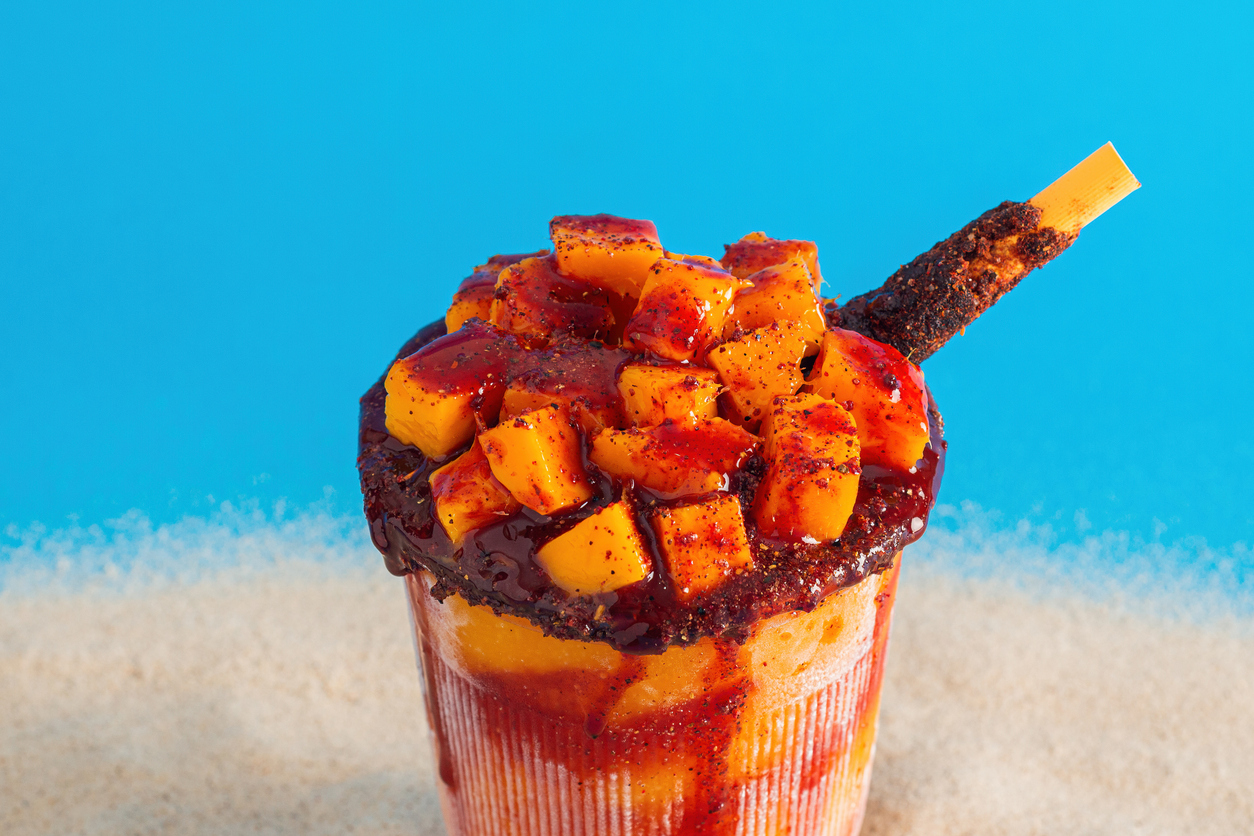
Over time, the raspa world in San Antonio has expanded. Many stands now sell treats that are closely related to raspas, including mangonadas, fruit cups, aguas frescas, and ice cream-based desserts.
A mangonada, for example, often includes mango, chamoy, lime, chili powder, and sometimes a tamarind candy straw. While it is not exactly the same as a traditional raspa, it shares the same love of cold, fruity, spicy-sweet refreshment.
Loaded raspas have also become more common. Some come with sour belts, gummies, pickles, fresh fruit, or condensed milk. These versions show how flexible the raspa can be. It keeps changing while still staying connected to its roots.
A Family-Friendly Tradition
Part of the raspa’s lasting appeal is that it works for all ages. Children love the bright colors and sweet flavors. Teenagers enjoy the big combinations and social-media-ready creations. Adults often return for the flavors they grew up with.
Raspas are also easy to share across generations. A parent or grandparent can introduce a child to a favorite stand, a favorite flavor, or a favorite topping. In that way, the raspa becomes part of family tradition.
It is not unusual for San Antonians to have strong opinions about where to get the best raspa or which flavor combination is the “right” one. Those opinions are part of the fun.
Why Raspas Feel So San Antonio
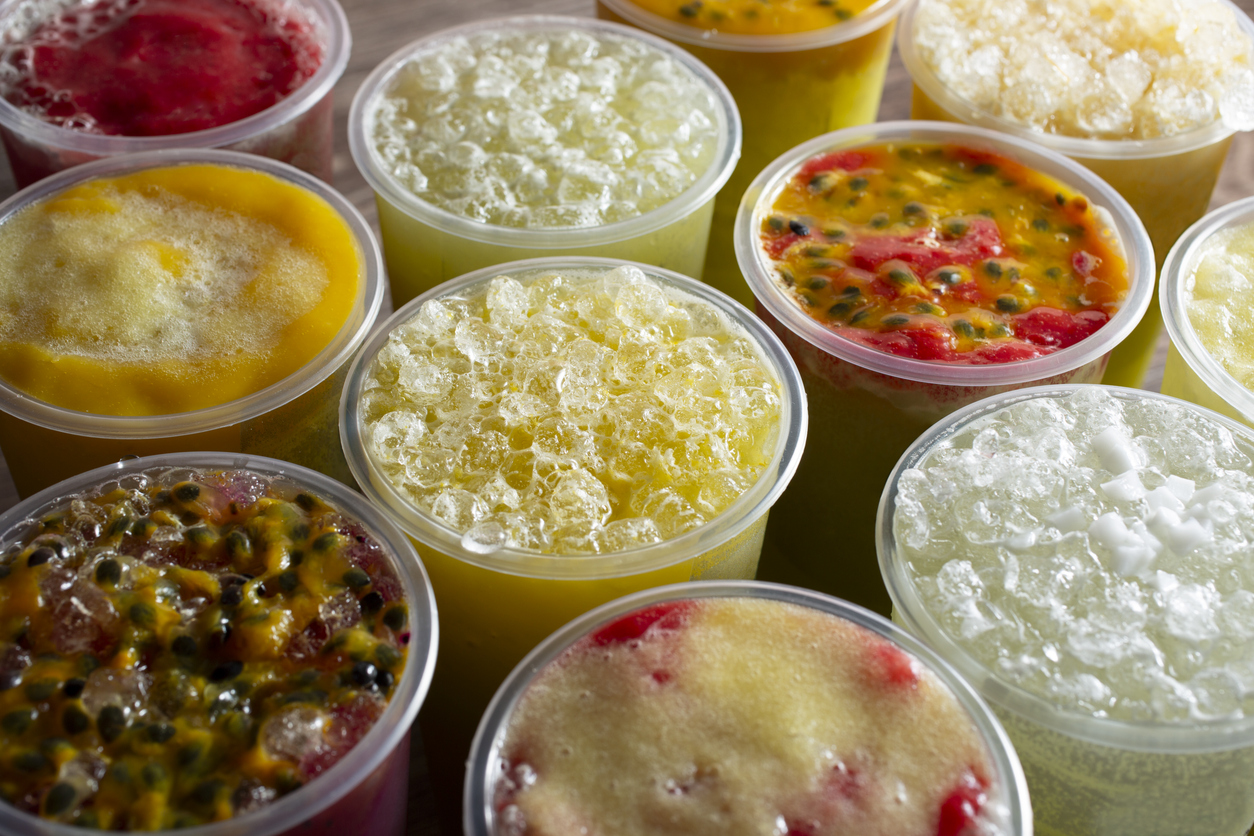
Raspas fit San Antonio because they are colorful, casual, flavorful, and rooted in community. They reflect the city’s climate, its food culture, and its Mexican American identity.
They are also democratic in the best way. You do not need a reservation, a big budget, or a special occasion. You just need a hot day, a few dollars, and a favorite flavor.
In a city known for its food traditions, from breakfast tacos to pan dulce to tamales, raspas hold their own. They may seem simple, but they carry a strong sense of place.
More Than Shaved Ice
San Antonio’s love for raspa is about more than cooling off. It is about childhood memories, neighborhood businesses, family outings, and flavors that speak to the city’s cultural history.
A raspa can be sweet and simple, spicy and bold, or packed with toppings. However it is served, it remains one of San Antonio’s most recognizable treats.
On a hot day, few things feel more local than standing outside a raspa shop, spoon in hand, watching bright syrup sink into a cup of shaved ice.
Comments (0)
No comments yet. Be the first to share your thoughts.
Leave a comment