


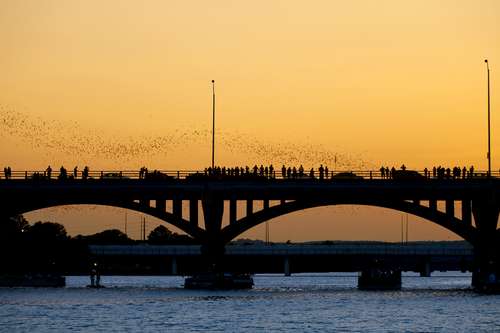
Austin, Texas, is home to the largest urban bat colony in the world, residing under the Congress Avenue Bridge. These bats, known as the Congress Bridge bats, become a spectacular sight as they emerge from their hiding places at dusk to hunt for insects. The nightly departure is a highly anticipated event and offers a unique experience for both residents and visitors.
Groups such as Bat Conservation International help protect these bats, ensuring their safe habitat. During bat season, which peaks in mid-August and is often celebrated with Bat Fest, visitors can see up to 1.5 million bats take flight. For those seeking more details on the best viewing times, the “bat hotline” can provide updated information on the bats’ activity influenced by factors like weather and climate change.
Quick Facts About The Austin Bats
- The Austin bats consume between 10,000 and 30,000 pounds of insects every night, aiding city pest control.
- The colony primarily consists of mothers and their pups, while male bats roost on nearby buildings.
- Approximately 1.5 million Mexican free-tailed bats live under the Congress Avenue Bridge, forming the largest urban bat colony.
- The bridge’s alcoves provide ideal roosting spots for these bats.
When Do The Austin Bats Come Out?
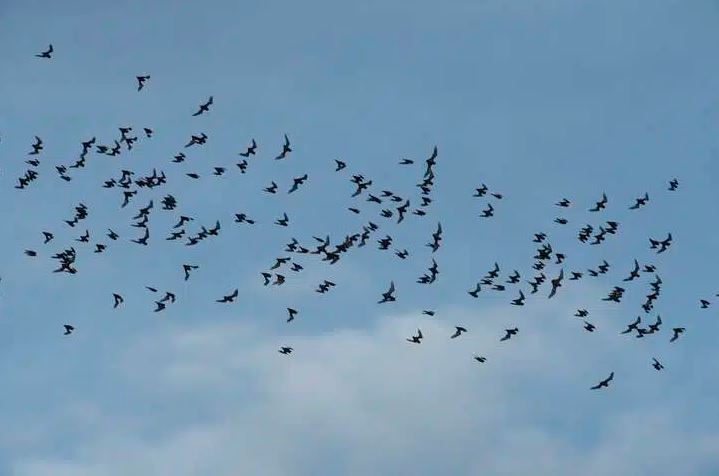
The Austin bats generally emerge from mid-March to late October or early November. These times can shift slightly based on the weather and sunset times. During Daylight Savings Time, you can expect to see the bats almost every night. The best months for viewing are mid-March to late July, with late July being particularly popular.
The bats usually take flight 30-60 minutes before sunset. This time can vary, but during bat season, it typically ranges from 7:30 PM to 9:00 PM. For the best experience, arrive early to secure a good viewing spot. Even during drizzles, the bats often still come out, though heavy storms might prevent them from flying. Once the rain stops, they tend to start flying about an hour later.
What Time Do The Austin Bats Appear?
Austin’s bats typically emerge just after sunset. However, this timing can vary throughout the year, as sunset times change with the seasons. It’s best to check your weather app for accurate sunset times. During peak summer months, spectators gather early at the Congress Bridge to get a good view of the bats’ flight patterns as they take off into the dusk.
How to see the Austin bats:
Visitors and locals gather at the Ann W. Richards Congress Avenue Bridge to watch the bats. Ideal vantage points include the Statesman’s Bat Observation Center and nearby grassy areas. Arriving 30-60 minutes before sunset ensures a good spot. Consider booking a river cruise on Lady Bird Lake for a unique view. Enjoy the spectacle as the bats emerge.
Where Do the Austin Bats Migrate To?
Each winter, the bats from Austin, primarily Mexican free-tailed bats, migrate south. They journey to regions such as Mexico City and the Yucatan Peninsula. When cold weather arrives in Central Texas around late October to mid-November, these incredible creatures begin their migration to warmer areas.
In the spring, about 750,000 bats return to Austin, specifically to their roost under the Congress Avenue Bridge. The majority of these returning bats are pregnant females. As a result, the population doubles to roughly 1.5 million when the pups are born. The high-pitched squeaks and humming sounds from the bridge announce their presence before they emerge in the evenings.
While most of the bats will stay under the Congress Bridge, some will disperse to other roosts around Austin. The males, usually gathering in smaller groups, can often be found on building sides or in other parts of the city.
Migration Path:
- Depart Austin around late October
- Head south to Mexico City and the Yucatan Peninsula
- Return to Austin in the spring
What is the Best Time to See the Bats in Austin?
Watching the bats in Austin is a popular activity that attracts both locals and tourists. The bats can be seen from early March until October. They leave during the first cold front, usually in late October, and return the following year around early March. Climate change can affect these patterns, with bats sometimes arriving earlier if February temperatures are warmer.
Evening Viewing
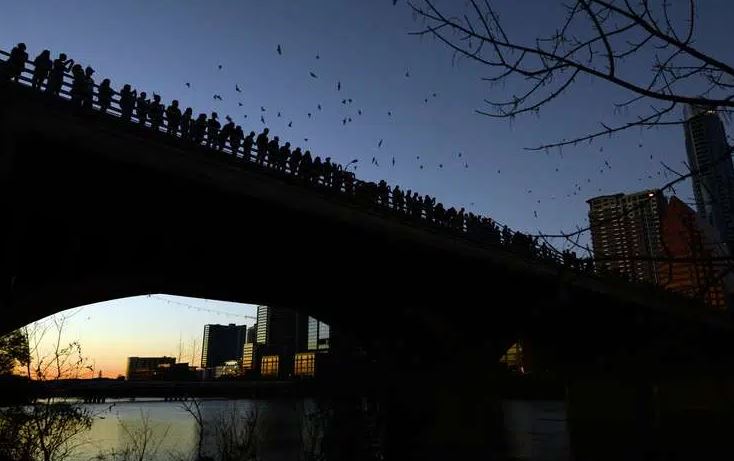
Dusk is the best time to see the bats. They typically emerge at sunset. Visitors are encouraged to arrive 30-60 minutes before sunset to secure a good viewing spot. Since sunset times change throughout the year, bat emergence varies between 7:30 PM and 9:00 PM. Using a weather app can help determine the exact sunset time.
Seasonal Variations
July sees the highest concentration of bats at the Congress Avenue Bridge. The bat population is largest during this month, providing a spectacular display. Bats can still be seen from March to October, but their numbers dwindle towards the end of the bat season.
FAQs:
Does Austin, Texas, have “Bat Season?”
In a way, Austin does have a period known as “bat season.” From March to October, the bats reside in the city. Pregnant mother bats give birth to their pups in early June. By late July or early August, the baby bats finish nursing and start flying, making August a peak time to see the whole colony of around 1.5 million bats. Late summer is when Austin’s bats are most active and visible.
How many hours will the bats fly at night in Austin?
The bats in Austin can take two to three hours to all emerge from the Congress Bridge after the initial wave at dusk. Bright lights and loud noises can disrupt this. Every night, this spectacle continues unless the first cold front or rain hits, which might affect their routine. These bats primarily hunt flying insects.
Do Bats Carry Rabies?
Bats can indeed carry rabies, similar to other wild mammals. It’s essential to be cautious if you encounter one up close. Though only about 0.05% of bats are susceptible to rabies, it’s better to stay safe. Never touch bats, pick them up with your bare hands, or get too close if they are on the ground.
If a bat falls to the ground, it may be a sign that it is sick and unable to fly properly. This increases the likelihood that something might be wrong, including the possibility of rabies. It’s crucial to avoid touching these bats. Admiring them from a distance is always the best approach.
In case a bat falls to the ground, it’s vital to have it removed by animal control professionals. Contacting animal control as soon as possible helps ensure safety for everyone. Observing these precautions helps prevent potential rabies exposure and keeps people safe.
How Far Do the Austin Bats Fly Every Night?
Each night, bats from the Congress Avenue Bridge head out to hunt along the tree canopies of the Colorado River. They often fly towards the farmlands in east Austin, searching for moths. Although they don’t travel together, they can cover significant distances. These bats are capable of flying about 30 miles in a single trip, reaching altitudes of up to 3,000 feet.
At speeds of up to 99 mph, they can easily cover these distances. A 30-mile round trip could allow them to travel as far as the Austin-Bergstrom International Airport and return in one night.
How Big Are Austin Bats?
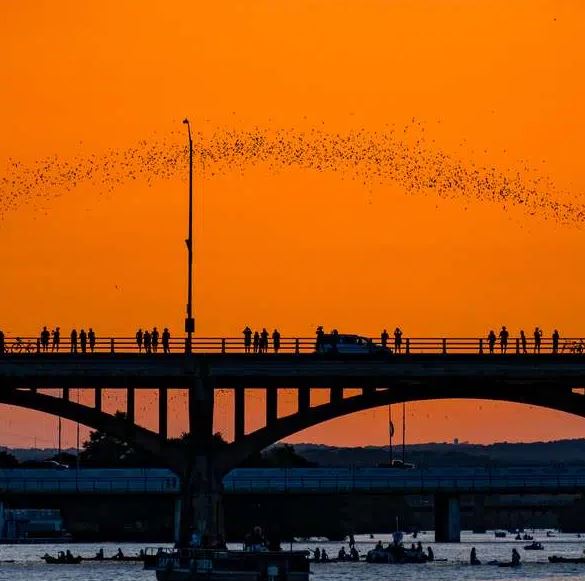
Austin bats are quite small. They weigh between 0.4 and 0.5 ounces, with females being a bit heavier due to extra fat stored for pregnancy. These bats measure about 3.5 inches in length, including a long tail that makes up half of their body length. Their large ears, compressed muzzles, and long, narrow wings allow them to fly swiftly and accurately.
Every night, the Congress Bridge bats consume 10,000 to 30,000 pounds of insects like moths and mosquitoes, making them excellent natural pest controllers. Despite larger bat colonies existing in Texas, such as the 15 million bats in Bracken Cave in San Antonio, the Congress Avenue bats in Austin hold the title for the largest urban bat colony in the world. This massive bat population, living so close to downtown Austin, draws about 100,000 visitors annually to witness this nightly spectacle.
Conclusion
Austin’s Congress Avenue Bridge is home to an awe-inspiring natural phenomenon: the largest urban bat colony in the world. Each evening from mid-March to late October, these bats emerge in a spectacular display, providing a unique and memorable experience for residents and visitors alike.
Watching up to 1.5 million bats take flight is not only a visual treat but also a testament to nature’s wonders in the heart of Austin. So, plan your visit, check the “bat hotline” for the best viewing times, and prepare to be amazed by this extraordinary urban wildlife spectacle.
Comments (0)
No comments yet. Be the first to share your thoughts.
Leave a comment