


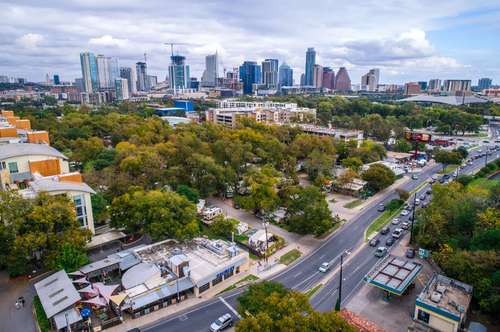
Austin is a city of strong opinions. Ask someone where to live, and you may hear a passionate case for tacos on the east side, laid-back weekends in South Austin, or the practical comfort of North Austin.
The truth is simple. Each area has its own rhythm. The best choice depends on how you live, where you work, what you value, and what kind of daily routine you want.
East Austin, South Austin, and North Austin all offer access to the city’s food, music, parks, and job market. Still, they feel very different once you start looking closely. This guide breaks down the major differences so you can choose with more confidence.
Start with Your Daily Life
Before comparing neighborhoods, think about your regular week.
Where do you work? How often do you go downtown? Do you want walkable restaurants nearby, or do you care more about space and parking? Are schools part of your decision? Do you prefer nightlife, quiet streets, or quick access to major roads?
Austin traffic can change the way a neighborhood feels. A place that looks close on a map may feel far during rush hour. That makes commute planning one of the most important parts of choosing where to live.
Once you understand your priorities, the differences between East, South, and North Austin become easier to see.
East Austin: Creative, Central, and Fast-Changing

East Austin has become one of the city’s most talked-about areas. It is known for its restaurants, bars, coffee shops, art spaces, older homes, new apartments, and strong local character.
For many people, the biggest appeal is location. East Austin sits close to downtown, the University of Texas area, the airport, and many entertainment districts. That makes it attractive for people who want to be near the action without living directly in downtown Austin.
Who East Austin Works Best For
East Austin can be a strong fit for people who want a lively, urban feel. It works well for residents who enjoy independent restaurants, music venues, patios, breweries, and local shops.
It can also appeal to people who work downtown, near the airport, or in central Austin. Depending on the exact neighborhood, commute times may be manageable compared with farther-out parts of the metro area.
East Austin may also suit people who like a mix of old and new. You can find historic homes, modern condos, updated bungalows, and new apartment buildings, sometimes on the same block.
What to Consider Before Choosing East Austin
East Austin is popular, and that popularity can come with higher prices in many pockets. Some areas have seen major redevelopment, which has changed the look and feel of long-standing neighborhoods.
Parking can also be a challenge in busier areas, especially near nightlife and restaurant corridors. If you want quiet evenings, you will need to pay close attention to the specific street, not only the general neighborhood name.
East Austin is best approached block by block. One area may feel busy and social, while another nearby pocket may feel more residential. Spend time there during the day and at night before making a decision.
South Austin: Relaxed, Local, and Full of Personality

South Austin has a strong identity. It is often associated with Austin’s laid-back side, with classic music spots, casual restaurants, vintage shops, food trucks, and neighborhoods that still carry an older Austin feel.
Areas near South Congress, South Lamar, and South First can feel energetic and highly connected to central Austin. Farther south, the area becomes more residential and can offer more space, larger apartment communities, and easier access to highways.
South Austin is a good example of how broad neighborhood labels can be. Living near South Congress is very different from living closer to Slaughter Lane or Circle C.
Who South Austin Works Best For
South Austin can be a great match for people who want a balance between city energy and a more relaxed lifestyle. You can enjoy restaurants, bars, parks, and shopping without feeling like you are always in the middle of downtown.
It is also appealing for people who want access to outdoor spaces. Zilker Park, Barton Springs, the Barton Creek Greenbelt, and Lady Bird Lake are easier to reach from many parts of South Austin than from farther north.
South Austin may also work well for people who like character. The area has a mix of older homes, newer builds, apartments, duplexes, and established neighborhoods. It feels less uniform than some suburban-style areas.
What to Consider Before Choosing South Austin
Traffic can be a major factor. Roads like South Lamar, South Congress, Ben White Boulevard, and I-35 can become slow during busy hours. If your job is in North Austin, Round Rock, or Cedar Park, the commute may become tiring.
Prices also vary widely. Central South Austin can be expensive because of its location and lifestyle appeal. Farther south may offer better value, but you may spend more time driving.
South Austin is best for people who like the Austin lifestyle and want access to both local hangouts and outdoor activities. It may be less ideal for someone who needs a quick daily commute to the north side.
North Austin: Practical, Spacious, and Convenient
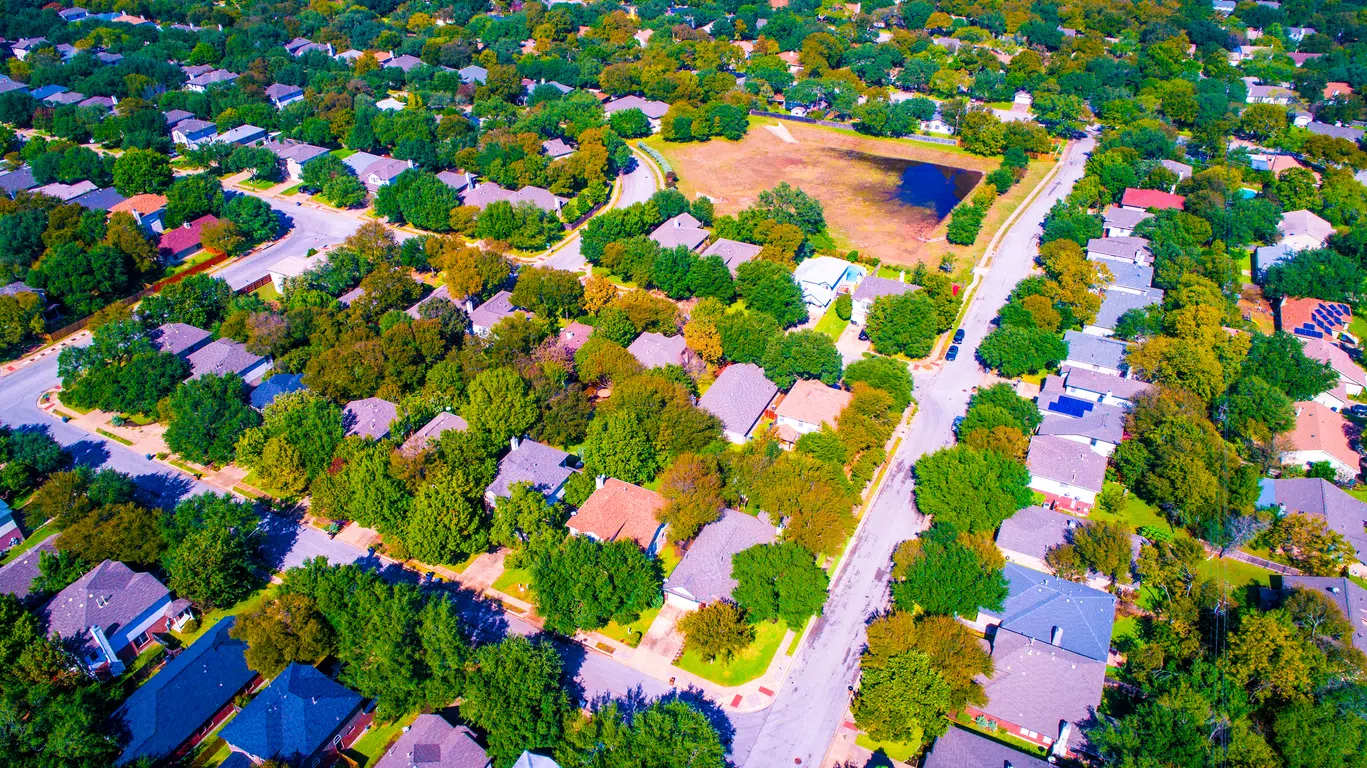
North Austin is often the most practical choice for many residents. It offers strong access to major employers, shopping centers, medical offices, highways, and established residential neighborhoods.
This area can include a wide range of places, from neighborhoods near North Loop and Brentwood to larger communities closer to The Domain, Tech Ridge, and Wells Branch. Because of that, North Austin can feel urban, suburban, or somewhere in between.
The Domain and surrounding areas have added a major mixed-use hub to North Austin. Residents can find shopping, dining, offices, apartments, hotels, and entertainment in one district.
Who North Austin Works Best For
North Austin can be a smart fit for people who work in the tech corridor, near The Domain, in Round Rock, or in nearby suburbs. It can also appeal to people who want easier access to major roads such as MoPac, I-35, Highway 183, and Parmer Lane.
Families may appreciate the wider range of residential neighborhoods, school options, parks, and larger homes. Renters may also find more apartment choices at different price points compared with some central neighborhoods.
North Austin can also work well for people who want convenience. Grocery stores, gyms, clinics, offices, and everyday services are usually easy to reach.
What to Consider Before Choosing North Austin
North Austin may not offer the same local charm or nightlife density as East Austin or parts of South Austin. Some areas feel more car-dependent, especially farther from mixed-use centers.
If you love walking to small independent restaurants, live music, and older neighborhood streets, you will need to choose carefully. Areas like North Loop and Brentwood may feel more central and character-filled, while farther north areas may feel more suburban.
For many people, North Austin wins on practicality. It may not always feel as iconic as South Austin or as trendy as East Austin, but it can make daily life easier.
Comparing the Three Areas
East Austin is often the best fit for people who want energy, food, nightlife, creativity, and proximity to downtown. It is lively, changing quickly, and full of local flavor.
South Austin is a strong choice for people who want a relaxed lifestyle with access to parks, restaurants, music, and classic Austin personality. It offers a nice middle ground between city access and neighborhood comfort.
North Austin is usually best for people who prioritize commute, space, convenience, and access to major job centers. It can be especially practical for families, tech workers, and people who want more everyday ease.
Think About Commute First

In Austin, your commute can shape your entire experience. A beautiful home in the wrong location may become frustrating if you spend too much time in traffic.
If you work downtown, East Austin or central South Austin may be convenient. If you work near The Domain, Apple’s campus area, or Round Rock, North Austin may make more sense. If you work remotely, you may have more flexibility and can focus more on lifestyle.
Test your commute during the actual times you would travel. Do not rely only on a quiet weekend drive.
Think About Your Budget
Housing costs in Austin can shift by neighborhood, property type, and distance from downtown. East Austin and central South Austin can command higher prices in popular areas. North Austin often offers a broader range of options, though prices near major job centers can still be high.
Renters should compare apartment age, parking, fees, commute time, and walkability. Buyers should consider taxes, maintenance, future development, and resale appeal.
A lower monthly payment may look attractive, but transportation costs matter too. If a cheaper location adds long drives every day, the savings may not feel as strong.
Think About Lifestyle
Each area gives you a different version of Austin.
Choose East Austin if you want restaurants, nightlife, art, and a central location. Choose South Austin if you want a relaxed feel, outdoor access, and classic Austin character. Choose North Austin if you want convenience, space, and stronger access to northern job centers.
The right choice depends on what you want your normal Tuesday to feel like. That matters more than what looks exciting during a weekend visit.
Visit at Different Times
Before choosing, visit each area in the morning, afternoon, evening, and on a weekend. Notice traffic, noise, parking, lighting, and how comfortable you feel walking around.
Try a grocery run. Drive to work. Walk around nearby streets. Eat at a local spot. Small details can tell you more than a neighborhood description ever will.
Also pay attention to construction and future development. Austin keeps growing, and today’s quiet block may look different in a few years.
Final Thoughts
East Austin, South Austin, and North Austin all have real advantages. East Austin brings energy and central access. South Austin offers personality and a laid-back lifestyle. North Austin provides convenience and practical value.
The best neighborhood is the one that supports your daily life. Think about commute, budget, space, walkability, noise, and how you like to spend your free time.
Once you match the area to your routine, the decision becomes much clearer. In a city as varied as Austin, the right fit is less about choosing the “best” side of town and more about choosing the side that feels right for you.
Comments (0)
No comments yet. Be the first to share your thoughts.
Leave a comment