


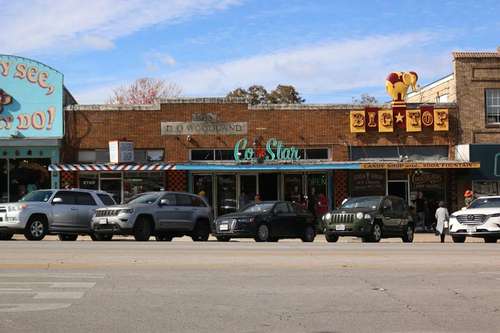
One of the biggest decisions people face when moving to Austin is whether to live in Central Austin or one of the surrounding suburbs.
At first glance, the answer may seem obvious based on budget or commute alone. But after spending time in the city, many newcomers realize the choice affects far more than where they sleep at night.
It changes:
- daily routines
- traffic patterns
- social life
- housing space
- outdoor access
- restaurant options
- and overall pace of life
Austin is large enough now that living in Central Austin feels completely different from living in suburbs like Cedar Park, Round Rock, Georgetown, Pflugerville, or Buda.
Some residents want walkability, nightlife, coffee shops, music venues, and quick access to the city’s cultural core. Others prioritize larger homes, quieter neighborhoods, newer developments, schools, and more manageable housing costs.
Neither option is automatically better.
The right choice depends heavily on lifestyle, work location, budget, family needs, and what someone actually wants daily life to feel like after the excitement of moving fades.
For anyone trying to decide between Central Austin and the suburbs, these are the biggest differences worth considering.
What Counts as Central Austin?
When people talk about Central Austin, they are usually referring to neighborhoods close to:
- Downtown Austin
- South Congress
- Zilker
- Hyde Park
- East Austin
- Clarksville
- Travis Heights
- Mueller
- and nearby urban districts
These neighborhoods tend to have:
- older housing
- more walkability
- local businesses
- restaurants
- bars
- coffee shops
- trails
- and stronger access to Austin’s cultural core
Central Austin is where much of the city’s personality feels strongest.
Live music venues, festivals, local restaurants, food trucks, murals, lakeside trails, and community events are all concentrated more heavily in and around the central city.
People who imagine themselves spending weekends walking to brunch, kayaking on Lady Bird Lake, attending concerts, or biking to coffee shops are usually imagining some version of Central Austin living.
What Defines the Austin Suburbs?
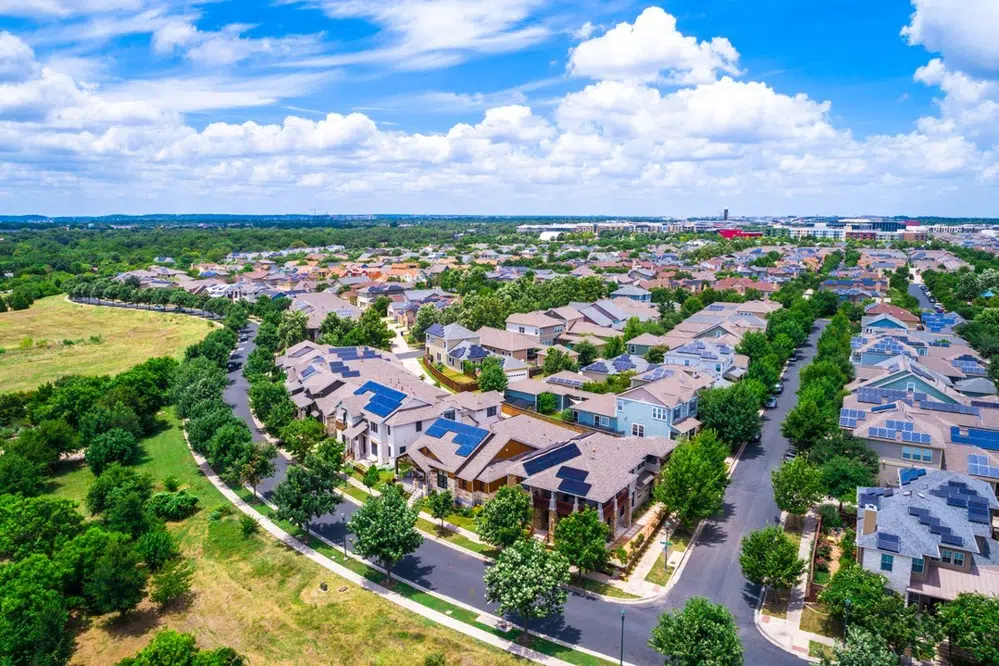
Austin’s suburbs stretch across multiple directions and vary significantly from one another.
Cities like:
- Round Rock
- Cedar Park
- Leander
- Georgetown
- Pflugerville
- Kyle
- Buda
- Lakeway
- and Bee Cave
all offer different lifestyles, but they generally share several suburban characteristics.
Most suburban areas provide:
- newer homes
- more square footage
- larger yards
- quieter neighborhoods
- easier parking
- and more family-oriented residential development
The suburbs also tend to include:
- newer schools
- large grocery stores
- retail centers
- sports complexes
- and master-planned communities
For many residents, suburban Austin feels more practical and financially manageable than living centrally.
But the tradeoff is usually distance from the city’s entertainment, nightlife, music culture, and walkable urban areas.
Central Austin Offers More Walkability and City Energy
One of the biggest advantages of Central Austin is convenience tied to lifestyle.
In neighborhoods like South Congress, East Austin, Downtown, or Zilker, residents can often walk or bike to:
- restaurants
- bars
- coffee shops
- gyms
- parks
- music venues
- and trails
That dramatically changes daily life.
People spend less time planning long drives and more time casually moving through the neighborhood itself. Even small routines — grabbing coffee, meeting friends, attending events, or taking evening walks — often feel easier and more spontaneous.
Central Austin also feels much more connected to the city’s identity overall.
Events like:
- Austin City Limits
- SXSW
- Blues on the Green
- and countless local festivals
feel far more integrated into everyday life for central residents.
For people who moved to Austin specifically because of its music, food, creative culture, and social energy, Central Austin often feels much closer to the version of the city they imagined.
The Suburbs Usually Offer More Space and Value
The biggest suburban advantage is straightforward: space.
In many Austin suburbs, residents can often afford:
- larger homes
- extra bedrooms
- garages
- home offices
- bigger yards
- newer construction
- and quieter streets
for prices that would buy far less square footage in Central Austin.
That matters enormously for:
- families
- remote workers
- pet owners
- and residents planning long-term homeownership
Suburban neighborhoods also tend to feel calmer and more predictable. Traffic inside residential areas is usually lighter, parking is easier, and many communities are specifically designed around family life.
Playgrounds, parks, trails, sports leagues, and newer schools are heavily integrated into many suburban developments.
For residents prioritizing practicality and long-term housing stability, the suburbs often make more financial sense.
Commute Patterns Can Completely Change the Decision
Austin traffic plays a massive role in where people ultimately choose to live.
Someone working Downtown may initially think suburban living sounds appealing until they experience daily commuting from far north or south suburbs during rush hour.
Likewise, residents working remotely may realize they no longer need to pay premium Central Austin housing costs if commuting happens only occasionally.
That is why work location matters heavily.
Living centrally can significantly reduce time spent on:
- Interstate 35
- Mopac
- Highway 183
- and Loop 1 traffic
Meanwhile, suburban residents sometimes trade shorter neighborhood drives for much longer city commutes.
For many Austinites, commute stress eventually becomes one of the biggest quality-of-life factors shaping where they choose to live long term.
Central Austin Feels More Social for Many Newcomers
One thing many newcomers notice quickly is that Central Austin can feel easier socially.
Because restaurants, patios, bars, trails, and gathering spaces are closer together, people tend to spend more time out in the city itself. Meeting friends spontaneously becomes easier, and many neighborhoods naturally encourage more interaction.
Areas like:
- East Austin
- South Congress
- Zilker
- and Downtown
often feel active throughout the week rather than only on weekends.
For younger professionals, newcomers, creatives, and people relocating without established friend groups, that social accessibility can matter quite a bit.
Suburban life tends to revolve more heavily around home-centered routines, schools, organized activities, and planned outings rather than casual walkable interaction.
Neither environment is inherently better, but the lifestyles feel noticeably different.
The Suburbs Often Feel Easier for Families
For families with children, suburban Austin frequently becomes more practical.
Many suburbs offer:
- larger homes
- quieter streets
- parks
- highly rated schools
- and more family-centered infrastructure
Cities like Cedar Park, Round Rock, and Georgetown especially attract families because daily life often feels more manageable than in dense central neighborhoods.
Parents may find:
- school drop-offs easier
- parking less stressful
- and youth activities more accessible
Suburban neighborhoods also often include community pools, playgrounds, trails, and sports fields built directly into residential developments.
While families certainly live in Central Austin too, suburban environments tend to align more naturally with larger households and long-term family routines.
Central Austin Housing Has Different Tradeoffs
Living centrally often means compromising on space.
Residents may pay significantly more for:
- smaller homes
- older properties
- apartments
- condos
- or limited parking
Some neighborhoods also have older infrastructure and more varied housing conditions block by block.
But many residents willingly accept those tradeoffs because location itself becomes the priority.
Being able to:
- walk to dinner
- bike to trails
- attend concerts nearby
- and avoid constant highway driving
can outweigh having extra square footage.
For people who spend much of their time exploring the city, Central Austin often feels more immersive and rewarding despite the higher costs.
Austin’s Culture Feels Strongest in Central Neighborhoods
Another major difference is cultural identity.
Central Austin still contains much of the city’s strongest:
- music culture
- local business activity
- historic neighborhoods
- festivals
- and creative energy
That does not mean the suburbs lack culture entirely, but they generally feel more residential and less tied to Austin’s traditional identity.
Residents who specifically moved to Austin because of:
- live music
- food trucks
- independent coffee shops
- outdoor festivals
- murals
- and nightlife
often feel more connected to those experiences when living centrally.
Meanwhile, suburban residents sometimes interact with the city more selectively rather than constantly being immersed in it.
There Is No Universal “Right” Choice
One important reality about Austin is that people often change preferences over time.
Someone who loves Downtown living in their twenties may eventually prioritize schools and yard space later. Meanwhile, longtime suburban residents sometimes move closer to the city once children leave home or remote work changes commuting needs.
The “best” option depends heavily on:
- life stage
- work situation
- housing priorities
- social preferences
- and budget
Some residents value energy and walkability above all else.
Others care more about affordability and space.
Austin offers strong options for both lifestyles.
Choosing the Right Austin Lifestyle
In many ways, choosing between Central Austin and the suburbs is really about choosing what you want everyday life to feel like.
Do you want:
- coffee shops nearby
- walkable nightlife
- music venues
- urban parks
- and city energy?
Or do you want:
- larger homes
- quieter neighborhoods
- easier parking
- family infrastructure
- and more breathing room?
Neither answer is wrong.
The good news is that the Austin area now offers enough variety that people can usually find a neighborhood matching their priorities fairly closely.
And understanding the differences beforehand can make settling into Austin far easier — and far more enjoyable — once daily life truly begins.
Comments (0)
No comments yet. Be the first to share your thoughts.
Leave a comment