


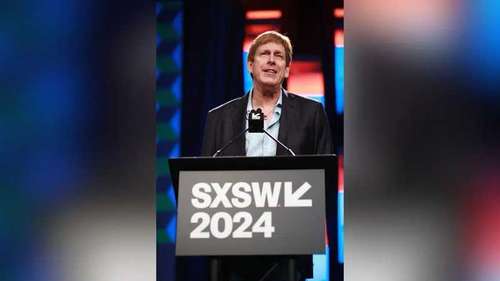
Few events have influenced Austin's identity as much as South by Southwest (SXSW).
Today, SXSW is known around the world as a gathering place for musicians, filmmakers, entrepreneurs, investors, creators, and technology leaders. Every March, thousands of people come to Austin to attend concerts, movie premieres, panel discussions, startup competitions, product launches, networking events, and industry conferences.
What makes SXSW unusual is not simply its size. It is the way it brings together industries that are often separated elsewhere.
Most music festivals focus on music. Most film festivals focus on movies. Most technology conferences focus on startups and business.
SXSW combines all three. That combination has helped make Austin one of the most recognizable creative and technology centers in the United States.
SXSW Began as a Music Festival

Source: sxsw
SXSW started in 1987 as a regional music festival and conference.
The original goal was straightforward: showcase Austin's growing music scene and attract music industry professionals to the city. Organizers wanted record labels, booking agents, promoters, journalists, and fans to discover the artists performing in Austin clubs and venues.
The idea worked.
The first SXSW attracted roughly 700 registrants, far exceeding expectations. Musicians performed throughout downtown Austin while industry professionals attended panels and networking events during the day. The event helped reinforce Austin's reputation as a live music destination.
At the time, Austin already had an active music scene fueled by legendary venues, local bands, singer-songwriters, blues musicians, and Texas country artists. SXSW gave that scene a larger platform.
Over the following years, attendance continued to grow, and the music festival became one of the most important industry events for emerging artists. Many musicians used SXSW to gain exposure, meet industry contacts, and perform for audiences far larger than they could reach on their own.
Even today, music remains one of the core components of SXSW.
The Film Festival Expanded SXSW's Reach
Source: sxsw
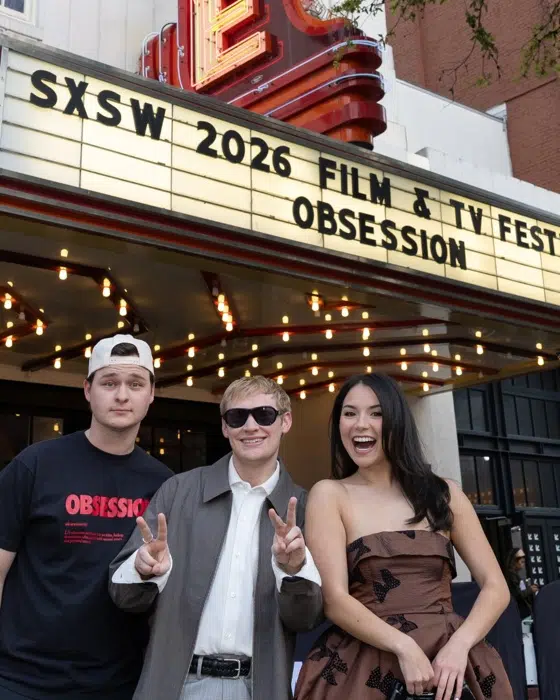
In 1994, SXSW added a film component.
The new festival created opportunities for independent filmmakers to screen their work, connect with industry professionals, and reach audiences outside traditional Hollywood channels.
The timing was significant. Independent film was gaining momentum during the 1990s, and SXSW provided a venue where filmmakers could showcase projects in a city already known for supporting creative work.
Over time, the film festival grew into one of the most respected parts of SXSW. Major studios now premiere films at SXSW, but the event continues to maintain a strong reputation for supporting independent creators.
Notable films that premiered at SXSW include:
- Bridesmaids (2011)
- Baby Driver (2017)
- Everything Everywhere All at Once (2022)
- A Quiet Place (2018)
The festival also became an important destination for documentaries, television premieres, and emerging filmmakers.
Unlike some larger film festivals, SXSW developed a reputation for being accessible and audience-focused. Filmmakers often interact directly with attendees through Q&A sessions and panel discussions.
The addition of film broadened SXSW's appeal while maintaining its creative focus.
SXSW Interactive Changed the Festival Forever
The same year SXSW added film programming, it also launched SXSW Interactive.
At first, Interactive was relatively small compared to the music festival. As the internet economy expanded during the late 1990s and early 2000s, however, the technology portion of SXSW began attracting entrepreneurs, developers, investors, and startup founders from around the world.
By the mid-2000s, Interactive had become one of the most influential technology gatherings in the country. One of the most famous examples came in 2007, when Twitter gained major attention during SXSW Interactive.
Although Twitter already existed before the festival, SXSW introduced the platform to a much larger audience. Usage reportedly increased dramatically during the event, helping accelerate the company's growth.
Another often-cited success story is Foursquare, which gained significant visibility during SXSW in 2009 after winning a startup competition.
Over the years, countless startups have used SXSW to:
- Launch products
- Meet investors
- Generate media coverage
- Recruit talent
- Build partnerships
- Test new ideas
The Interactive portion transformed SXSW from a music event into a major technology conference.
Why the Three Worlds Work Together
The reason SXSW remains influential is that music, film, and technology increasingly overlap.
Musicians depend on streaming platforms, social media, marketing tools, ticketing technology, and digital distribution. Filmmakers rely on editing software, visual effects tools, streaming services, audience analytics, and online promotion.
Startups often need artists, designers, storytellers, filmmakers, and musicians to help build products and brands. SXSW places all of these groups in the same environment.
A filmmaker might attend a technology panel about artificial intelligence. A startup founder might meet a documentary producer. A musician might learn about new distribution tools or licensing opportunities.
The overlap creates opportunities that would be less likely at a single-industry event. This has become increasingly important as creative and technology industries continue to merge.
Austin Provides the Perfect Setting
SXSW works partly because it reflects Austin itself.
Austin has long been known for live music, but over the past several decades it has also become a major technology center.
Companies such as Dell helped establish Austin's technology reputation. Later, firms including Apple, Google, Meta, Tesla, Oracle, IBM, and many others expanded their presence in the region.
At the same time, Austin maintained its strong music and creative communities.
The city also developed a growing film industry. Director Richard Linklater, filmmaker Robert Rodriguez, and actor Matthew McConaughey all helped strengthen Austin's connections to film and entertainment. Because Austin already contained these different industries, SXSW was able to bring them together in a way that felt natural.
The festival reflects the city that hosts it.
The Festival Creates Real Business Opportunities
SXSW is often described as a cultural event, but it is also a business event.
- For musicians, the festival provides opportunities to perform in front of booking agents, labels, media outlets, and potential fans.
- For filmmakers, SXSW can lead to distribution deals, industry relationships, and media exposure.
- For startups, the event offers access to investors, customers, journalists, and partners.
Companies frequently host product demonstrations, networking events, and branded experiences throughout Austin during SXSW.
The festival's value comes partly from these informal interactions. Deals are often discussed in hotel lobbies, coffee shops, restaurants, music venues, and networking events throughout the city.
The official conference schedule is important, but many attendees believe some of the most valuable connections happen outside conference rooms.
SXSW's Impact on Austin
The festival's influence extends well beyond the event itself.
SXSW has helped strengthen Austin's reputation as a place where creativity and entrepreneurship coexist. Many visitors first encounter Austin through SXSW. They arrive for a conference, film premiere, or concert and leave with a broader understanding of the city.
The festival has also generated substantial economic activity over the years through hotel stays, restaurant spending, transportation services, event production, tourism, and business development. More importantly, SXSW helped establish Austin as a place where different industries can interact.
That reputation continues to attract entrepreneurs, artists, investors, filmmakers, and creative professionals.
Why SXSW Still Matters
Many festivals focus on a single audience. SXSW succeeds because it attracts several audiences at once.
A musician can discover new technology. A startup founder can learn about storytelling. A filmmaker can connect with investors, designers, or musicians. A journalist can cover developments across multiple industries in one location.
Few events offer that combination. The festival has evolved significantly since 1987, but its core idea remains remarkably consistent: bring creative people together and create opportunities for collaboration.
That formula helped transform SXSW from a regional music conference into one of the world's most influential festivals. It also helped shape Austin's identity.
Today, SXSW serves as a reminder that music, film, and technology are not separate worlds. Increasingly, they are interconnected industries that influence one another. Every March, Austin becomes one of the few places where all three come together on the same stage.
Comments (0)
No comments yet. Be the first to share your thoughts.
Leave a comment