



Austin has plenty to keep visitors busy, from live music and food trucks to lakeside views and busy neighborhoods. Still, one of the best things about the city is how quickly you can leave it behind. A short drive in almost any direction brings you to historic town squares, barbecue landmarks, river towns, Hill Country views, and quiet streets that move at an easier pace.
These small towns near Austin make great day trips or weekend getaways. Each one has its own personality, so the best choice depends on what you want: history, food, shopping, outdoor time, or a slower afternoon away from city traffic.
Wimberley
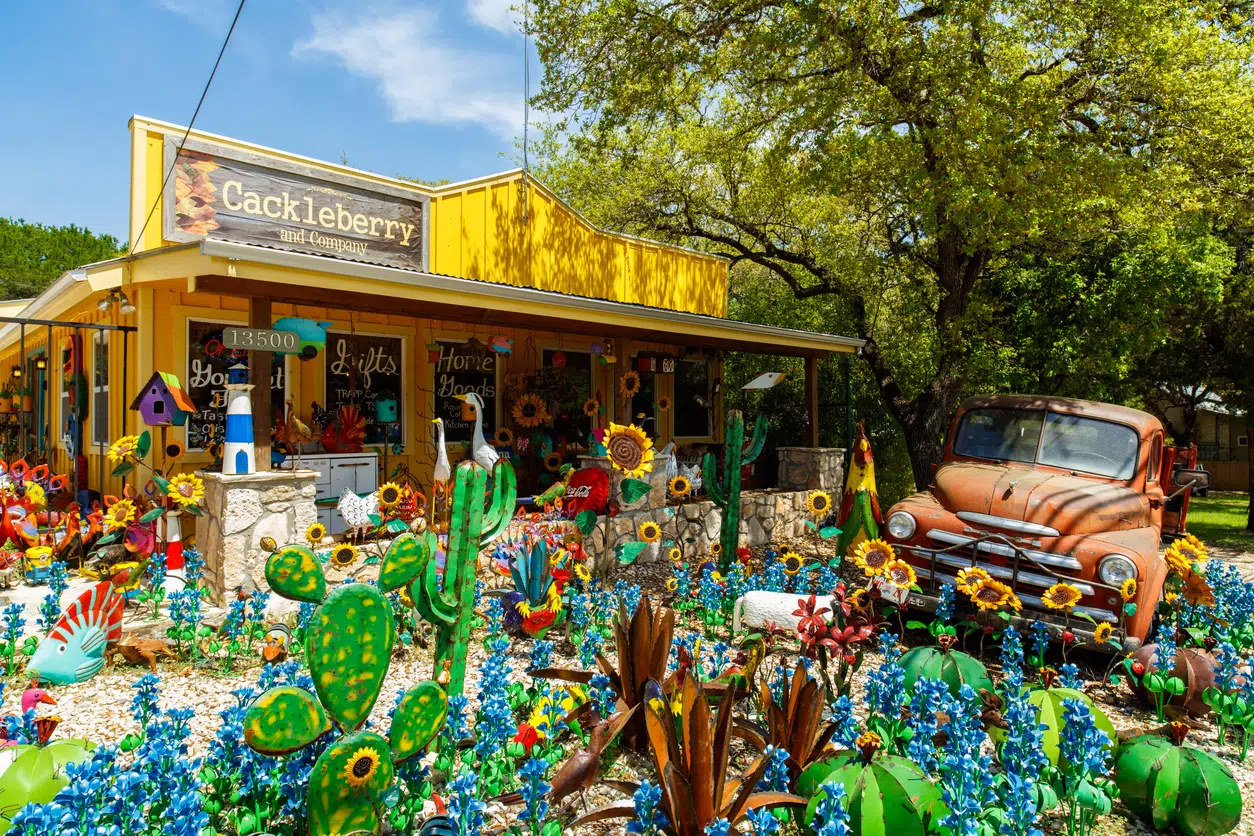
Wimberley is one of the most loved small towns near Austin, especially for travelers who want scenery and a relaxed Hill Country feel. It sits southwest of Austin and feels peaceful without feeling empty.
The town is known for its natural swimming spots, art galleries, local shops, and shady streets. Blue Hole Regional Park is one of the area’s best-known attractions, with cypress trees, clear water, trails, and picnic space. Austin’s official tourism site lists Blue Hole Regional Park as a Wimberley attraction, making it a strong choice for visitors who want outdoor time near Austin.
Downtown Wimberley is small but enjoyable. You can browse boutiques, stop for coffee, look for handmade goods, or take your time around the square. The town also has a creative side, with art studios and markets that make it feel different from a standard Hill Country stop.
Wimberley is a great pick for couples, families, and anyone who wants a peaceful day with nature close by.
Gruene
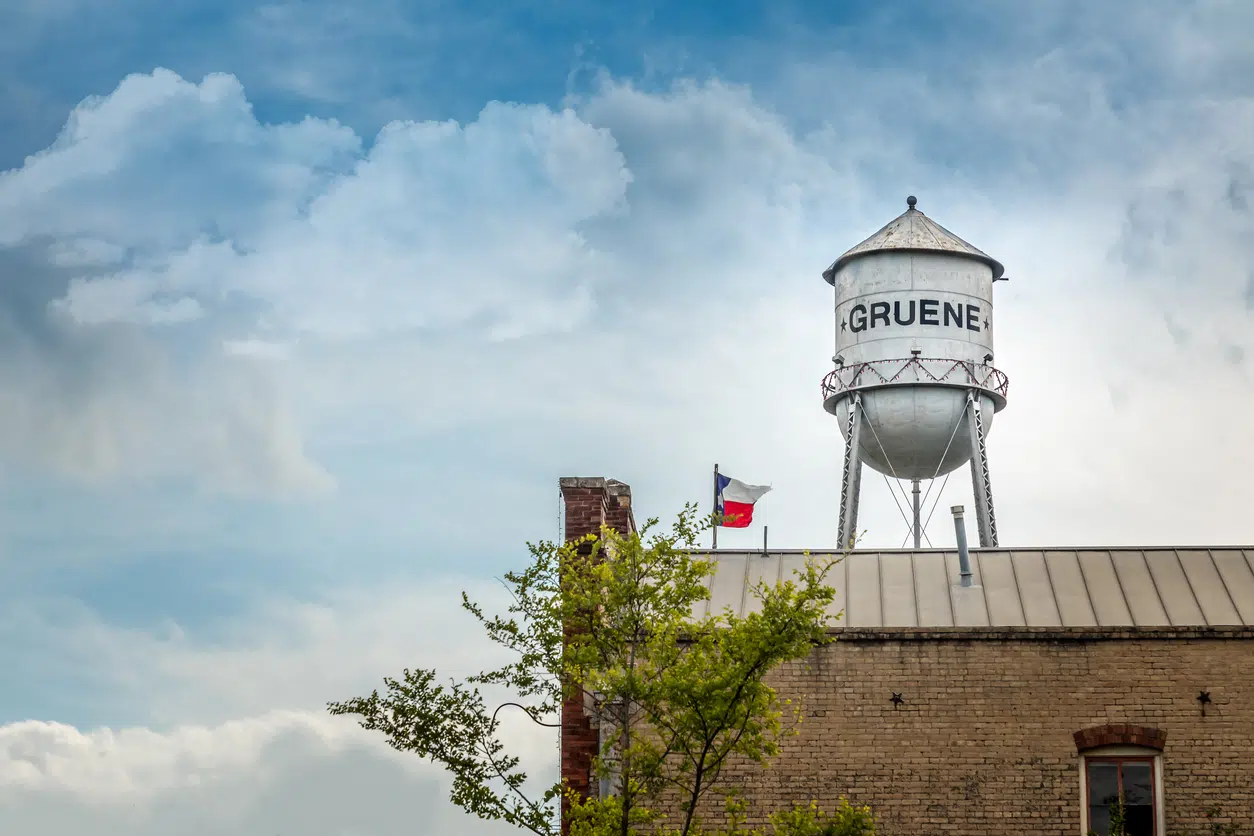
Gruene is technically part of New Braunfels, but it feels like its own historic small town. It is one of the most memorable places near Austin because so much of its older character remains visible.
The heart of town is the Gruene Historic District. You will find weathered storefronts, antique shops, restaurants, river access nearby, and one of the most famous music venues in Texas. Gruene Hall, built in 1878, is widely described as Texas’ oldest dance hall and remains a major stop for live music fans.
Gruene works well as a day trip because it has a simple rhythm. Walk around the historic district, eat near the river, shop for antiques, and catch live music if the timing works. It has enough to fill an afternoon, but it does not feel overwhelming.
For visitors who want Texas history with music and a classic small-town look, Gruene is one of the best choices near Austin.
Lockhart
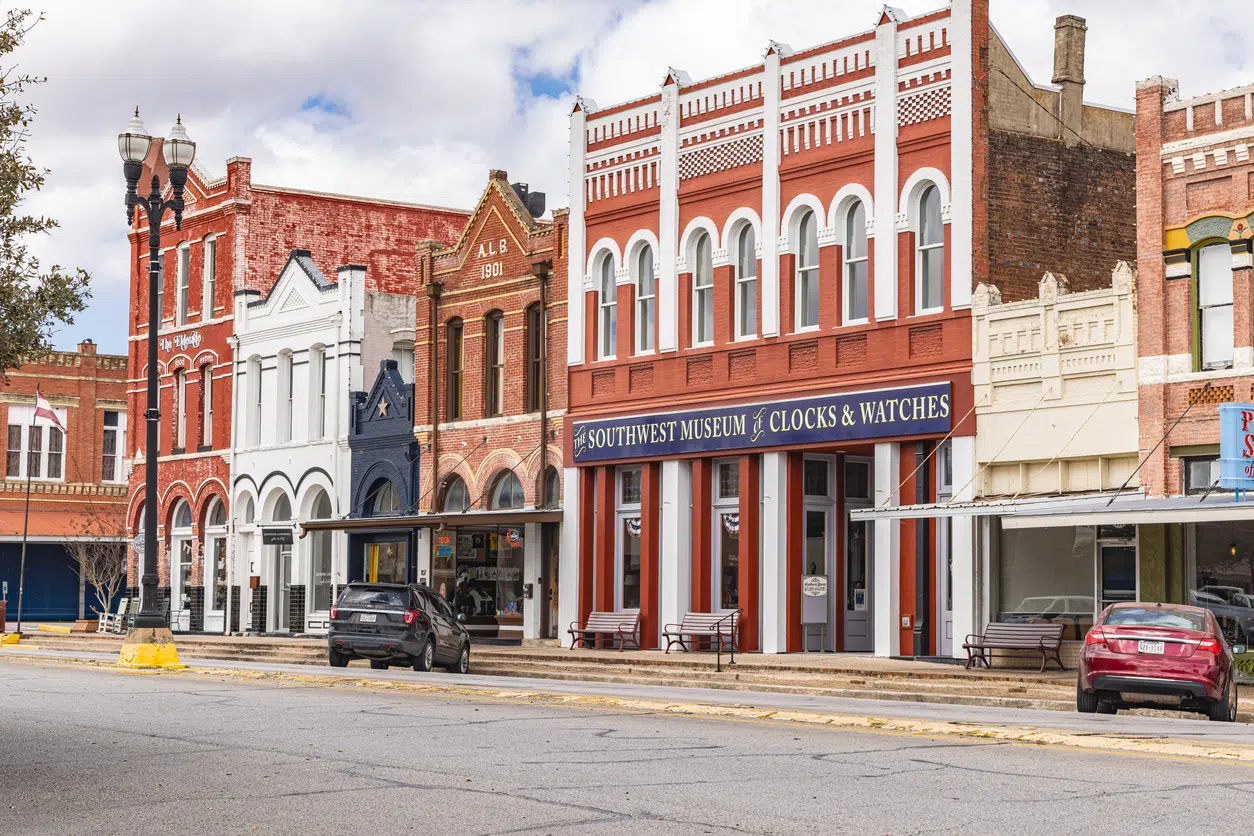
Lockhart is the place to go when barbecue is the main goal. Located south of Austin, this small city has long been associated with smoked meat, historic buildings, and old-school Texas food culture.
Lockhart is often called the Barbecue Capital of Texas. Well-known spots such as Black’s Barbecue, Smitty’s Market, and Kreuz Market have helped build that reputation. Recent coverage has also pointed to Lockhart’s growing food scene, including Barbs B Q and broader attention from national travel publications.
Food may bring people in, but Lockhart has more to offer. The Caldwell County Courthouse gives the town square a strong historic centerpiece. Around it, visitors can find shops, cafés, murals, and a growing arts scene.
Lockhart is ideal for a low-pressure food trip. Arrive hungry, walk the square, compare barbecue styles, and leave with a better understanding of why this town holds such a strong place in Texas food history.
Bastrop
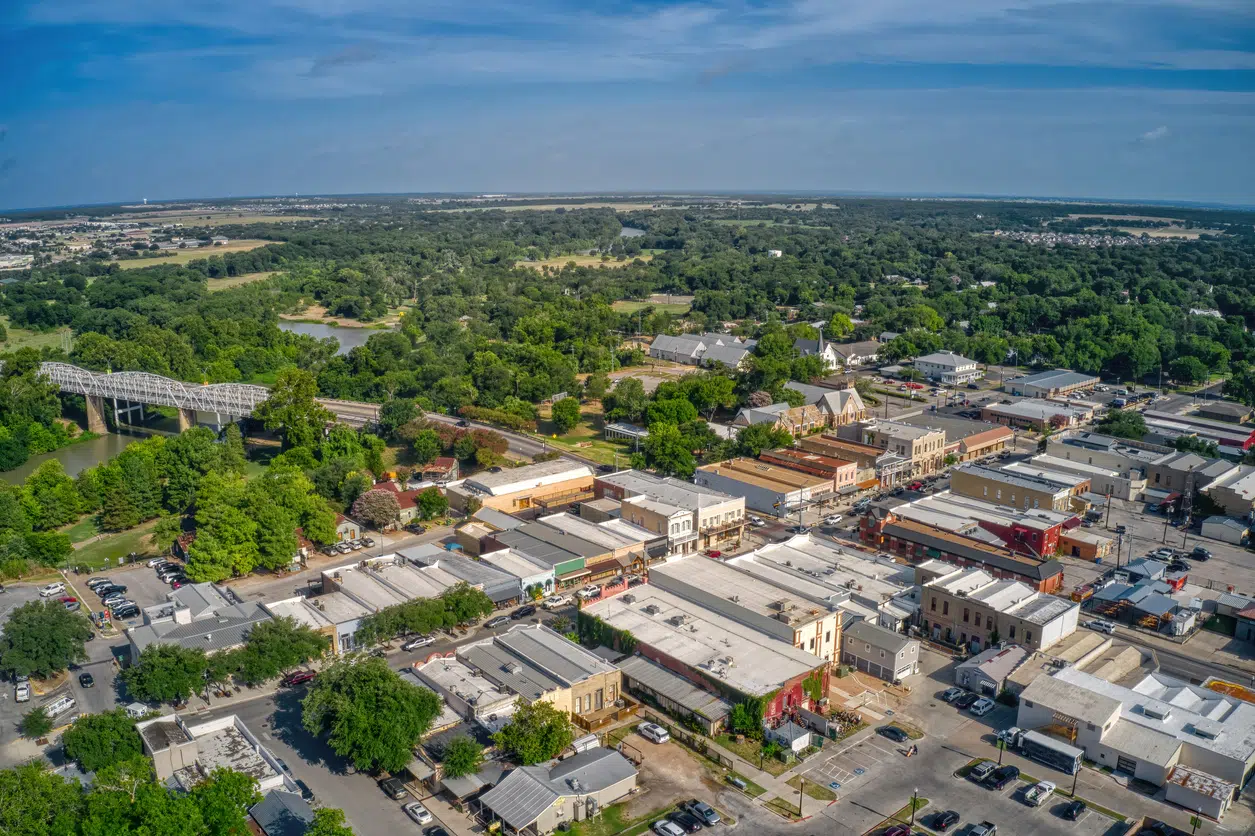
Bastrop sits southeast of Austin along the Colorado River. It feels close enough for a quick trip, but its historic downtown gives it a distinct identity.
The town has deep roots, with history dating back to the 1830s. Bastrop is also recognized as a Texas Main Street city, and it has many historic properties listed on the National Register of Historic Places. Recent travel coverage has highlighted Bastrop’s downtown charm, arts scene, music culture, and outdoor access.
Downtown Bastrop is easy to explore on foot. Visitors can find shops, restaurants, galleries, and river views without needing a packed itinerary. Bastrop State Park is nearby, which adds hiking, pine trees, and nature to the trip.
Bastrop is a good choice for people who want history and outdoor time in the same day.
Dripping Springs
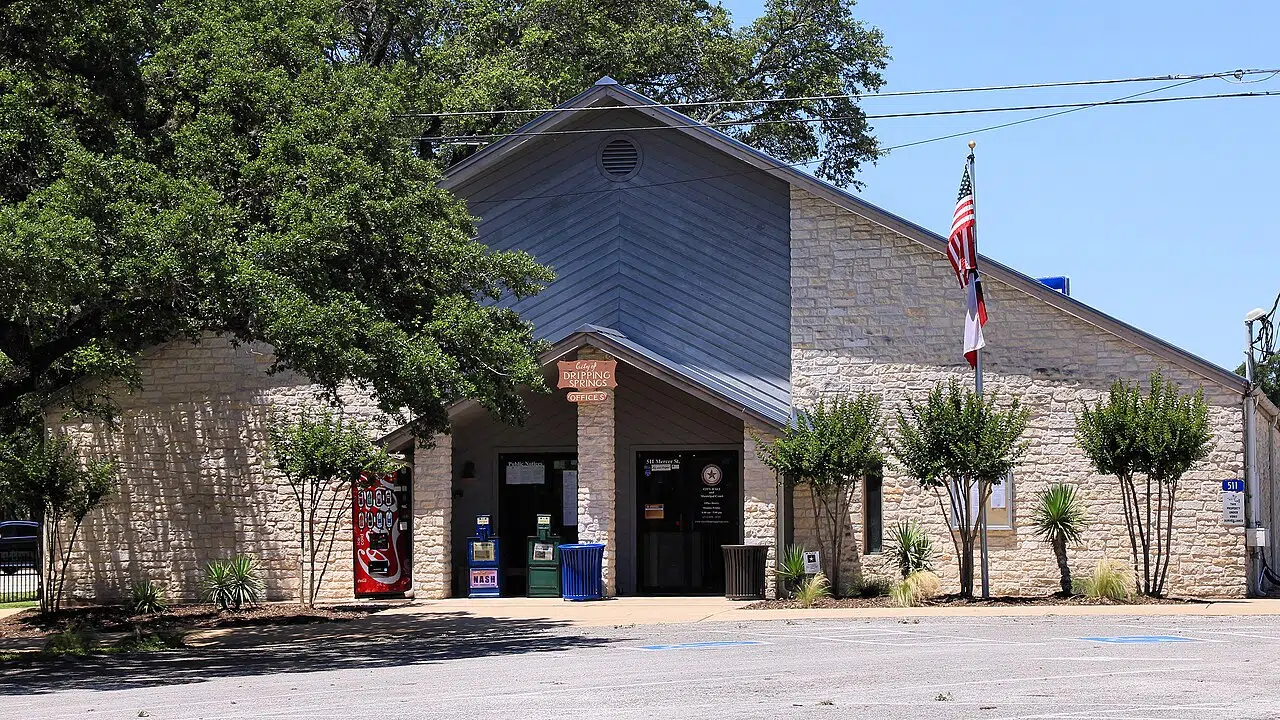
Larry D. Moore, Dripping Springs Texas City Hall 2019, CC BY 4.0
Dripping Springs has become one of the most popular Hill Country towns near Austin. It still has small-town roots, but it also has wineries, distilleries, wedding venues, restaurants, and scenic drives.
The town is often called the Gateway to the Hill Country. That nickname fits because the landscape begins to open up west of Austin, with rolling roads, oak trees, limestone, and wide views.
Visitors can explore local history at the Pound House Farmstead, sample Texas olive oil, visit wineries, or stop at distilleries and breweries. Austin’s tourism guide lists Dripping Springs among Hill Country towns worth visiting and points to attractions such as the Pound House Farmstead, Texas Hill Country Olive Co., Westcave Cellars, and Treaty Oak Distilling.
Dripping Springs is a strong pick for adults looking for a relaxed food-and-drink day trip. It also works well for scenic drives and special occasions.
Georgetown
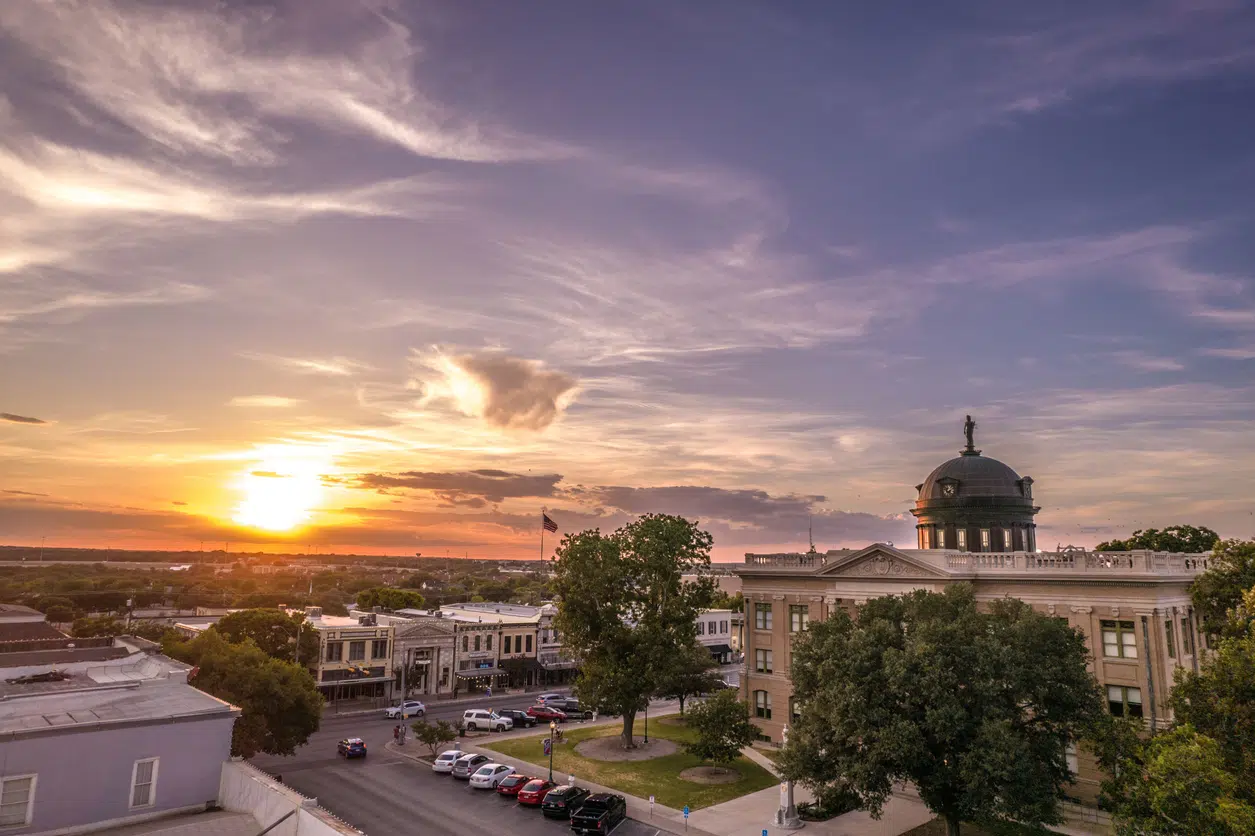
Georgetown is north of Austin and has one of the prettiest town squares in Central Texas. It is larger than some towns on this list, but its historic center still gives it a small-town feel.
The Williamson County Courthouse anchors the square, surrounded by restaurants, shops, and restored buildings. Georgetown is especially known for its red poppies in spring, when the town becomes colorful and photogenic.
Beyond the square, Inner Space Cavern gives visitors a completely different experience. The cave system offers guided tours and adds an educational stop to the trip. Travel guides often recommend Georgetown for its courthouse, architecture, town square, and access to Inner Space Cavern.
Georgetown is one of the best choices near Austin for visitors who want a classic downtown experience without driving too far.
Marble Falls
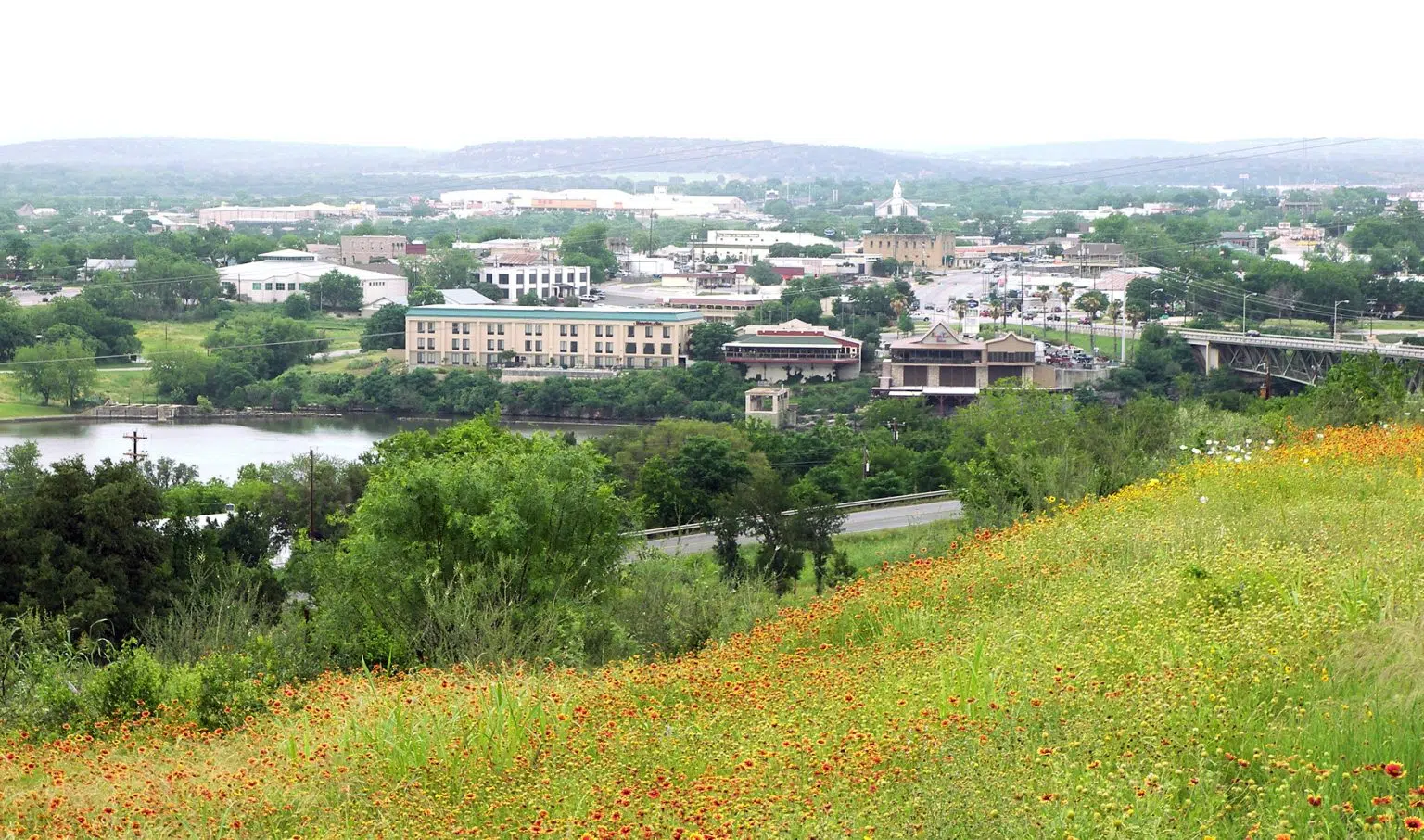
Larry D. Moore, Marble falls 2007, CC BY 4.0
Marble Falls sits northwest of Austin and offers a mix of lake views, Hill Country scenery, shopping, and casual dining. It is a great option when you want a small-town trip that feels connected to the outdoors.
The town is near Lake Marble Falls and not far from other Highland Lakes destinations. That makes it useful as a base for exploring water activities, parks, and scenic drives.
Downtown Marble Falls has local shops, restaurants, and bakeries. Many visitors also use it as a stop on the way to nearby natural areas, wineries, or lakeside attractions.
Marble Falls is a smart pick for travelers who want a slightly longer drive from Austin with a strong Hill Country payoff.
Johnson City
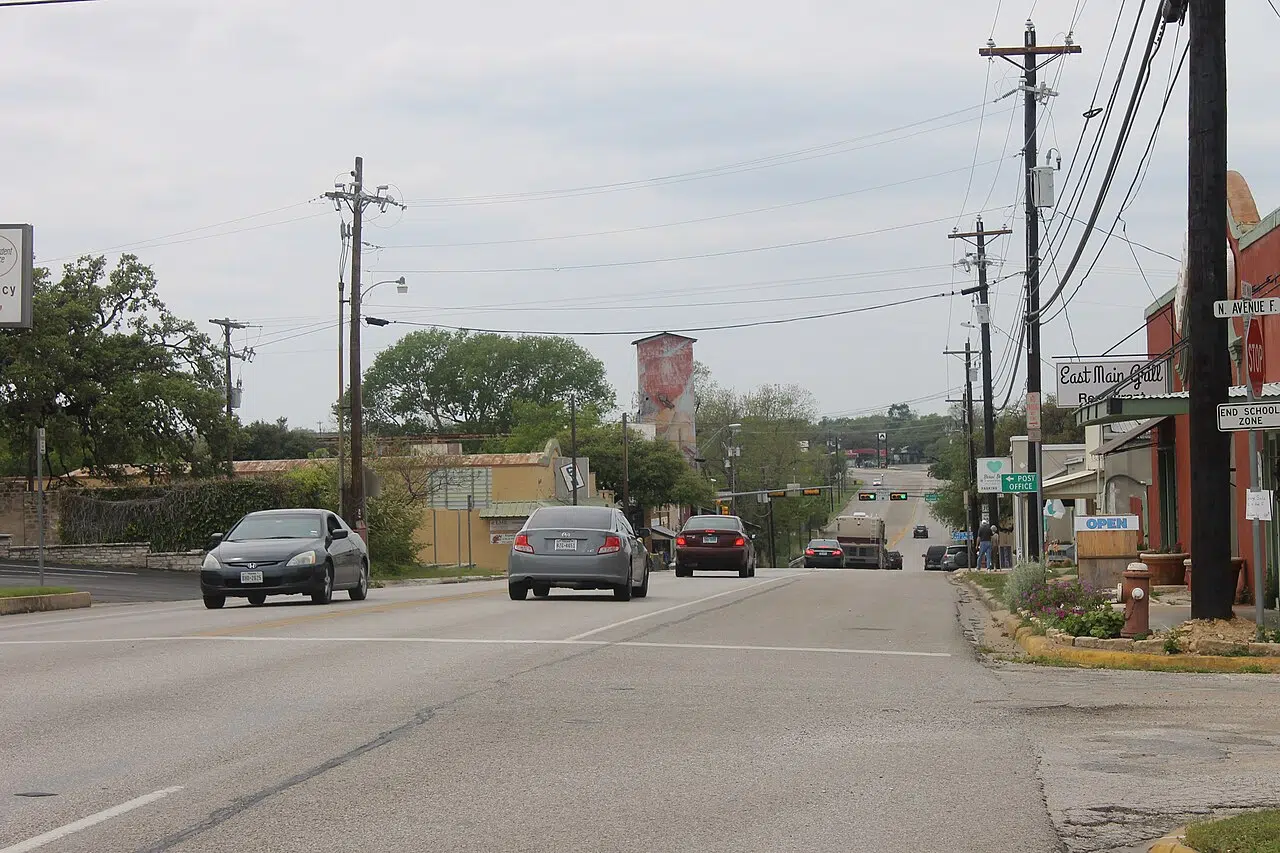
Billy Hathorn, Downtown Johnson City, Hwy. 290 IMG 1529, CC BY-SA 3.0
Johnson City is a small town with a major connection to Texas and U.S. history. It is best known as part of Lyndon B. Johnson country, with historic sites tied to the former president and his family.
The town has a quiet downtown, local shops, art stops, and nearby wineries. It also works well as part of a broader Hill Country route, especially if you are visiting Pedernales Falls State Park or heading farther west.
Johnson City is especially interesting for visitors who like history. It gives context to the Hill Country beyond scenery and shopping.
During the holiday season, Johnson City is also known for its lights, which bring many visitors into town.
Round Top
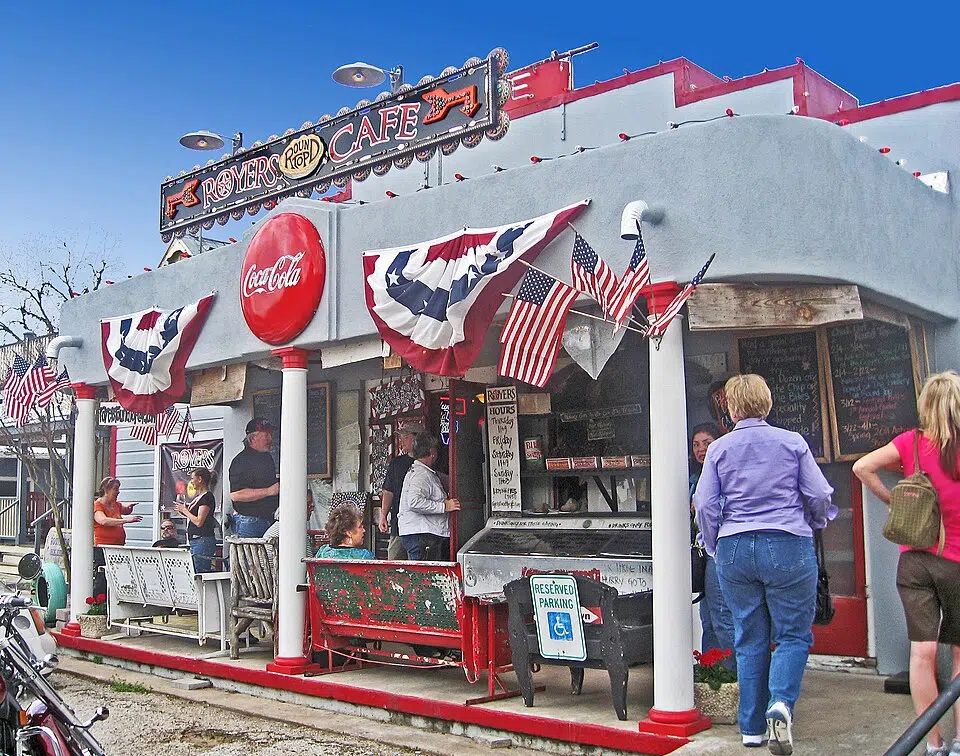
Jim Evans, Royers -- Round Top, Texas, CC BY-SA 4.0
Round Top is farther from Austin than some other towns on this list, but it is worth the drive for antique lovers, design fans, and travelers who enjoy small towns with a strong personality.
The town is famous for its antiques scene, especially during major market events. Even outside those busy periods, Round Top has shops, galleries, restaurants, and historic buildings that make it feel special.
Round Top is small in population, but it draws visitors from across Texas and beyond. Its appeal comes from the mix of rural scenery, creative businesses, and carefully preserved character.
This is a better fit for a full-day trip or overnight stay rather than a quick afternoon drive.
Smithville
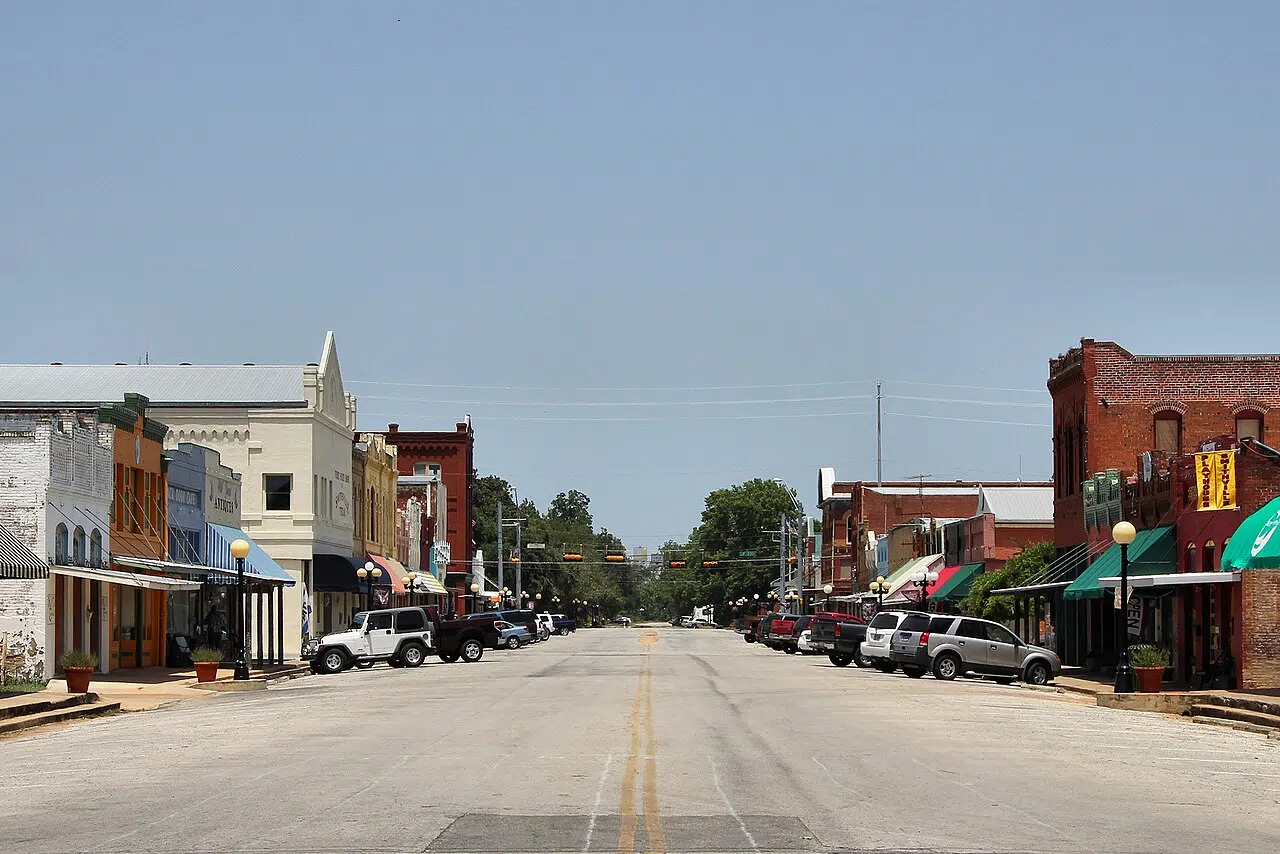
Larry D. Moore, Main street smithville, CC BY 4.0
Smithville sits east of Austin and has a quieter feel than many Hill Country destinations. It has a historic downtown, old homes, railroad history, and a slower pace.
The town has also attracted film attention over the years, which adds interest for visitors who enjoy movie locations and small-town streetscapes. Its downtown is easy to walk, with shops, murals, and local restaurants.
Smithville is close enough to combine with Bastrop for a fuller day trip. You can start in Bastrop, continue to Smithville, and get two different small-town experiences without a difficult drive.
Smithville is best for travelers who prefer a calm, low-key visit over a crowded destination.
Blanco
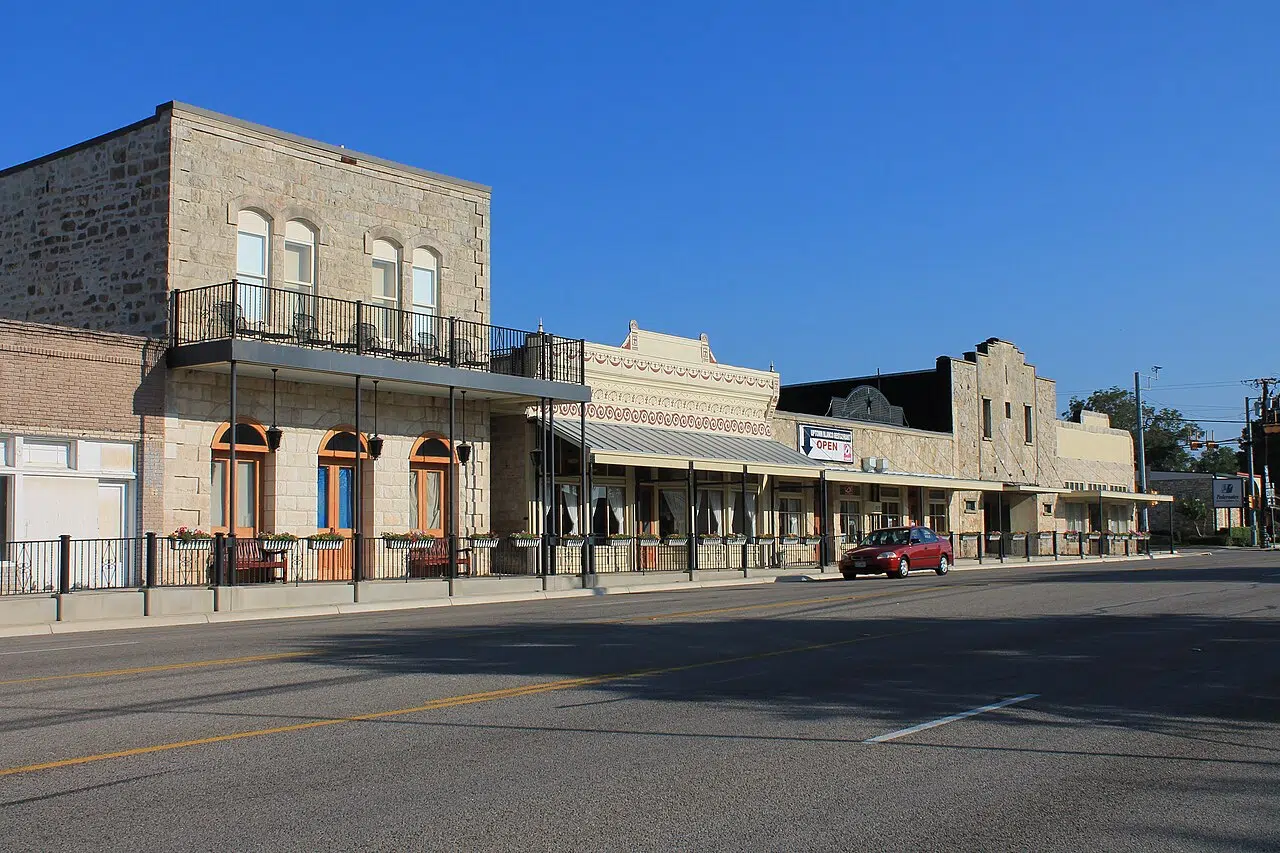
Renelibrary, Blancotx2, CC BY-SA 3.0
Blanco sits west of Austin and offers a classic Hill Country setting. The Blanco River runs through town, and Blanco State Park gives visitors a convenient place to enjoy the water, picnic, fish, or walk.
The town square has a historic courthouse and a simple, old-Texas feel. Blanco is also near wineries, scenic roads, and other Hill Country stops, so it can work as a quiet anchor for a weekend trip.
Blanco is a good choice when you want nature without a long hike or complicated plan. Bring lunch, spend time by the river, and enjoy the slow pace.
Choosing the Right Small Town for Your Trip
Each town near Austin offers a different kind of experience.
For nature, Wimberley, Blanco, and Marble Falls are strong choices. For food, Lockhart is hard to beat. For live music and Texas history, Gruene is a standout. For a classic square, Georgetown and Bastrop are both excellent. For wineries and scenic drives, Dripping Springs and Johnson City make sense.
The best part is that none of these places requires a complicated trip. Most can be visited in a day, and several can be paired together if you want a fuller route.
Final Thoughts
Austin may get most of the attention, but the towns around it help explain why Central Texas is such a rewarding place to explore. These communities offer courthouse squares, swimming holes, barbecue pits, historic dance halls, river views, antique shops, and quiet roads that show a different side of the region.
The next time you want a break from Austin, skip the long travel plans. Pick a nearby town, give yourself a few hours, and see what you find. Central Texas rewards curiosity, and these small towns make that easy.
Comments (0)
No comments yet. Be the first to share your thoughts.
Leave a comment