


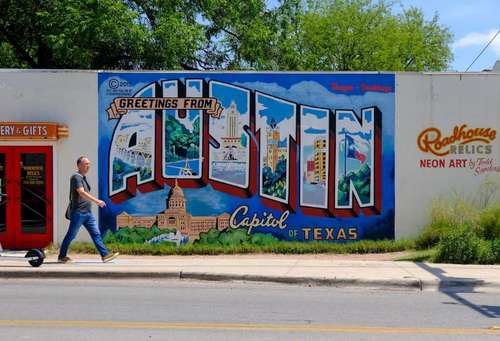
Austin has built its identity around music in a way few American cities have managed to do.
The city’s “Live Music Capital of the World” reputation is not just a slogan for tourists. Live music is woven directly into everyday life throughout Austin. Small bars host local singer-songwriters on weeknights. Coffee shops turn into performance spaces. Outdoor patios regularly feature blues, indie rock, country, jazz, folk, Tejano, and experimental acts. Even grocery stores and breweries occasionally host live performances.
For people moving to Austin specifically because they love music and local culture, choosing the right neighborhood matters enormously.
Some parts of the city place residents within walking distance of iconic venues and nightlife districts. Others offer quieter residential streets while still staying deeply connected to Austin’s creative identity. Certain neighborhoods attract musicians and artists directly, while others work better for people who want easy access to festivals, restaurants, and cultural events without living in the middle of the crowds every night.
Austin’s music scene is also far more spread out than many newcomers expect. While Downtown and Sixth Street remain famous, some of the city’s best local culture lives in East Austin, South Austin, and smaller neighborhood venues that feel much more connected to the city’s roots.
For anyone wanting to settle in Austin and stay close to live music, creative energy, and local culture, these are some of the best places to consider.
South Congress (SoCo)
If there is one neighborhood that immediately captures Austin’s blend of music, culture, nightlife, and personality, it is South Congress.
Often called SoCo, the area stretches south from Downtown Austin and remains one of the city’s most recognizable cultural districts. Music venues, local shops, food trucks, bars, vintage stores, coffee shops, and restaurants all sit along South Congress Avenue, creating an atmosphere that feels active almost every night of the week.
For music lovers, the biggest advantage of SoCo is accessibility.
Residents can walk to smaller live music venues, intimate acoustic performances, rooftop bars with local bands, and major events happening nearby downtown. Legendary venues like the Continental Club continue anchoring Austin’s live music identity decades after opening.
The neighborhood also attracts creative professionals, artists, musicians, and people who genuinely prioritize culture over suburban convenience.
Another major advantage is walkability. Residents often spend evenings moving between restaurants, bars, coffee shops, and live performances without needing to drive across the city.
Housing prices in South Congress tend to be higher because demand remains extremely strong, but for many residents, living close to Austin’s cultural heartbeat feels worth the cost.
East Austin
Over the past decade, East Austin has become one of the most influential cultural and music-focused areas in the city.
The neighborhood blends historic Austin identity with newer restaurants, bars, breweries, galleries, music venues, and creative spaces. While East Austin has experienced major redevelopment and rising housing costs, it still retains a strong artistic atmosphere that draws musicians, DJs, artists, and younger creative residents.
One reason music lovers gravitate toward East Austin is variety.
The area offers everything from intimate indie venues and jazz nights to warehouse-style performances, outdoor stages, and neighborhood bars hosting local bands. Residents can spend weekends discovering smaller acts and neighborhood performances that feel much more connected to Austin’s local scene than heavily tourist-focused entertainment districts.
The neighborhood also has strong food culture, mural art, and independent business presence, which adds to the overall creative environment.
East Austin especially appeals to people who want Austin’s music culture to feel woven into everyday life rather than something reserved only for weekends.
The area does continue evolving rapidly, however, and some longtime residents have voiced concerns about affordability and cultural displacement as development expands.
Still, East Austin remains one of the city’s most important hubs for local culture and live music.
Downtown Austin
For people who want immediate access to Austin’s biggest entertainment districts, Downtown Austin remains difficult to beat.
The area places residents near iconic nightlife streets, major music venues, festivals, rooftop bars, and year-round entertainment. Venues hosting touring artists and nationally recognized acts are concentrated throughout downtown, especially around Sixth Street, the Red River Cultural District, and nearby warehouse-style venues.
One major advantage of downtown living is convenience.
Residents can often walk to concerts, festivals, comedy shows, restaurants, bars, and late-night food spots without dealing with parking or rideshare logistics after events.
The Red River Cultural District is especially important for serious music fans. The area includes several of Austin’s most respected venues for rock, punk, indie, metal, and alternative music. Smaller clubs regularly host emerging artists alongside touring performers.
Downtown also becomes the center of the city during major events like South by Southwest (SXSW) and the Austin City Limits Music Festival season.
For residents who thrive on activity and want music constantly within reach, downtown offers unmatched access.
The tradeoff, of course, is noise, traffic, higher housing costs, and heavier tourist activity. Downtown works best for people who actively enjoy the energy rather than simply tolerate it.
Zilker
For music lovers who want a slightly calmer environment while still staying connected to Austin’s cultural scene, Zilker remains one of the strongest options.
Located just south of Lady Bird Lake near Barton Springs and Zilker Park, the neighborhood combines outdoor recreation with easy access to some of Austin’s biggest music events.
The most obvious example is Austin City Limits Music Festival, which takes over Zilker Park every year and draws massive crowds from around the world.
But even outside major festivals, Zilker residents benefit from proximity to South Congress, Downtown Austin, Barton Springs Road venues, and nearby restaurants and bars featuring live performances.
The neighborhood also appeals to musicians and creatives because of its lifestyle balance. Residents can spend mornings hiking or paddleboarding before heading to concerts or music venues later in the evening.
Zilker tends to feel more residential and relaxed than Downtown or East Austin, which makes it especially attractive for long-term residents who still want strong cultural access without constant nightlife outside their windows.
Hyde Park
For people who appreciate Austin’s older cultural identity, Hyde Park offers a very different but equally appealing atmosphere.
Located north of downtown near the University of Texas, Hyde Park is known for historic homes, tree-lined streets, local coffee shops, bookstores, and a quieter creative environment.
The neighborhood does not revolve around nightlife in the same way South Congress or Downtown does, but it remains deeply connected to Austin’s artistic culture.
Many local musicians, writers, professors, and longtime creatives have lived in Hyde Park over the years because of its slower pace and strong community feel.
The area also provides relatively easy access to venues near UT, Downtown, and Central Austin without requiring residents to live directly inside entertainment districts.
For music lovers who care about Austin’s creative identity but prefer quieter evenings and more neighborhood-oriented living, Hyde Park remains one of the city’s best long-term options.
South Lamar
South Lamar has increasingly become one of Austin’s most balanced neighborhoods for people who want entertainment access without fully committing to downtown living.
The area sits close to major music corridors while also offering apartment communities, restaurants, bars, breweries, and coffee shops that support everyday convenience.
Music venues throughout South Lamar and nearby Barton Springs Road help keep the neighborhood closely connected to Austin’s live entertainment scene.
Residents can quickly reach Downtown, South Congress, Zilker, and East Austin while still returning home to an area that generally feels more residential than Sixth Street or Red River.
Another advantage is diversity of lifestyle.
South Lamar works well for younger professionals, musicians, remote workers, and couples who want culture nearby without living in Austin’s busiest nightlife districts full-time.
The neighborhood also continues attracting residents who value walkability and local businesses over purely suburban development patterns.
Why Austin’s Music Culture Still Matters So Much
Austin’s music identity continues shaping how people experience the city.
Even as population growth, rising housing costs, and development transform many neighborhoods, live music remains one of the strongest reasons people move to Austin in the first place.
The city still supports hundreds of venues ranging from legendary clubs to neighborhood patios hosting local bands several nights a week. According to Visit Austin, the city has more than 250 live music venues spread throughout the metro area. (visitaustin.org)
For many residents, that culture affects daily life in meaningful ways.
People build routines around concerts, songwriter nights, festivals, food truck gatherings, vinyl shops, and local performances. Music becomes part of neighborhood identity rather than something separate from ordinary life.
That connection helps explain why certain Austin neighborhoods remain so desirable despite rising costs and rapid growth.
Things to Consider Before Choosing a Music-Focused Neighborhood
Living near Austin’s entertainment districts comes with tradeoffs.
Noise, traffic, festival crowds, and parking challenges are part of life in many music-heavy areas. During SXSW and Austin City Limits season especially, neighborhoods near Downtown and Zilker can become extremely crowded.
Housing prices also tend to be significantly higher in culturally active neighborhoods.
Some residents eventually prefer quieter nearby communities where they can still access music venues easily without dealing with nightlife every night of the week.
Ultimately, the best Austin neighborhood for music lovers depends on lifestyle priorities.
Some people want concerts and nightlife outside their front door. Others prefer quieter residential areas that still keep Austin’s music scene within a short drive or bike ride.
Fortunately, Austin still offers both.
Comments (0)
No comments yet. Be the first to share your thoughts.
Leave a comment