


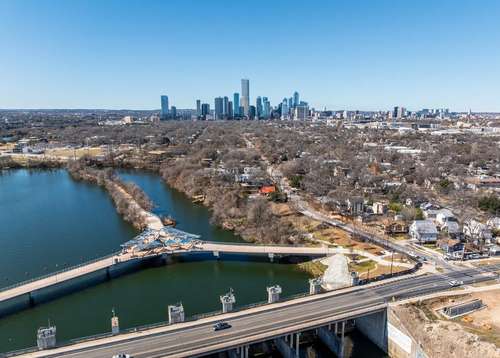
Moving to Texas can feel like a big shift, and Austin is often one of the first cities people consider. It has a strong job market, a well-known food scene, outdoor spaces, live music, major universities, and a growing mix of neighborhoods and suburbs. It also has traffic, summer heat, rising housing costs, and a layout that can surprise newcomers.
Austin officially passed 1 million residents in 2025, which shows how much the city has grown and why choosing the right area matters. The Austin metro has also expanded far beyond the city center, with many newcomers looking at suburbs in Williamson, Hays, and western Travis County for space, schools, and newer housing.
The best area for you depends on how you live day to day. Some people want a short commute to downtown. Others want a quiet neighborhood, good schools, a larger home, or access to trails. Here are some of the best Austin areas for people new to Texas, with a practical look at what each one offers.
Mueller
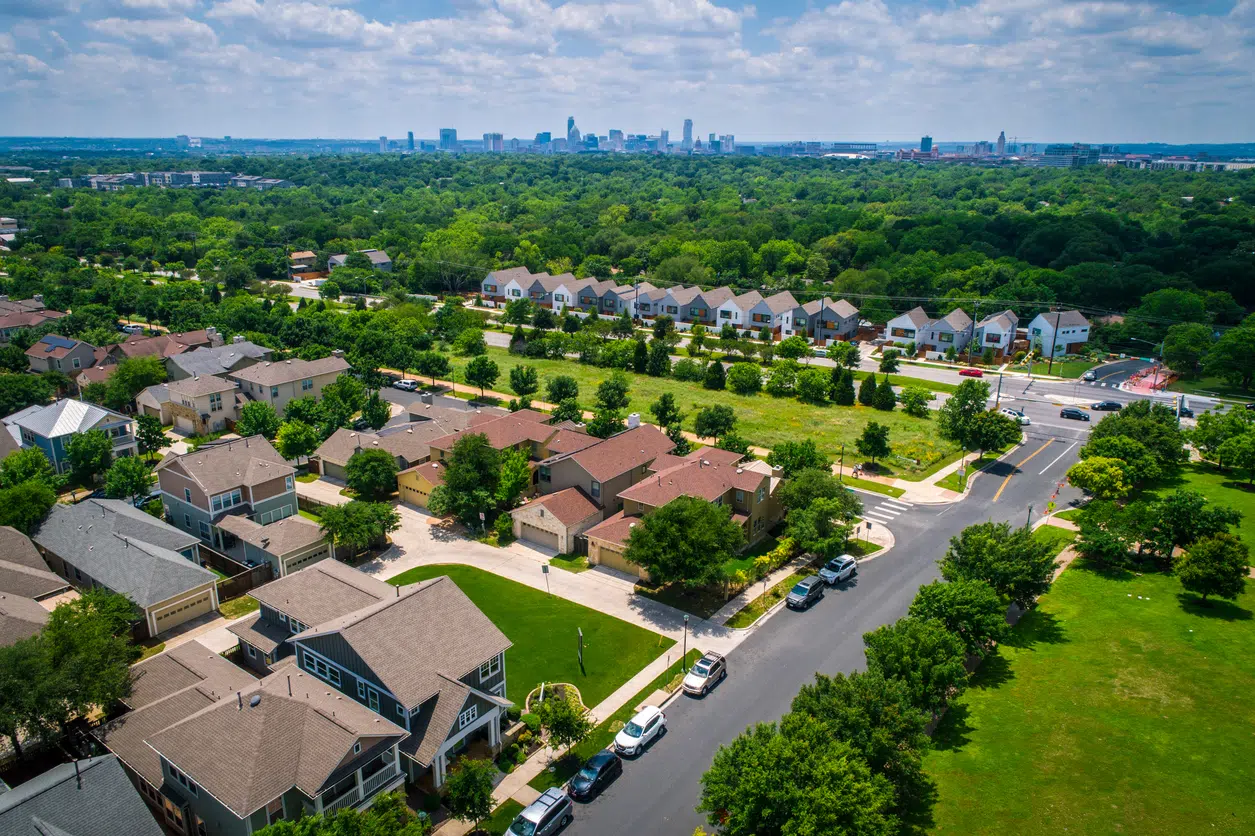
Mueller is one of the easiest Austin neighborhoods for newcomers to understand because it was designed as a planned urban community. It sits northeast of downtown on the former site of Austin’s old airport and has grown into one of the city’s most popular mixed-use areas.
The neighborhood has parks, trails, apartments, townhomes, single-family homes, restaurants, shops, and a weekly farmers market. That layout makes it appealing for people who want a neighborhood where daily errands do not always require a long drive.
Mueller works especially well for people who want a balance between city access and neighborhood comfort. Downtown Austin, the University of Texas, Dell Children’s Medical Center, and East Austin are all relatively close. It is also a good introduction to Austin’s newer style of development, where green space and retail are built into the neighborhood plan.
The tradeoff is price. Mueller is not usually the cheapest option in Austin. Homes and rentals can move quickly because the area is popular with families, professionals, and people relocating from larger cities.
North Loop and Hyde Park
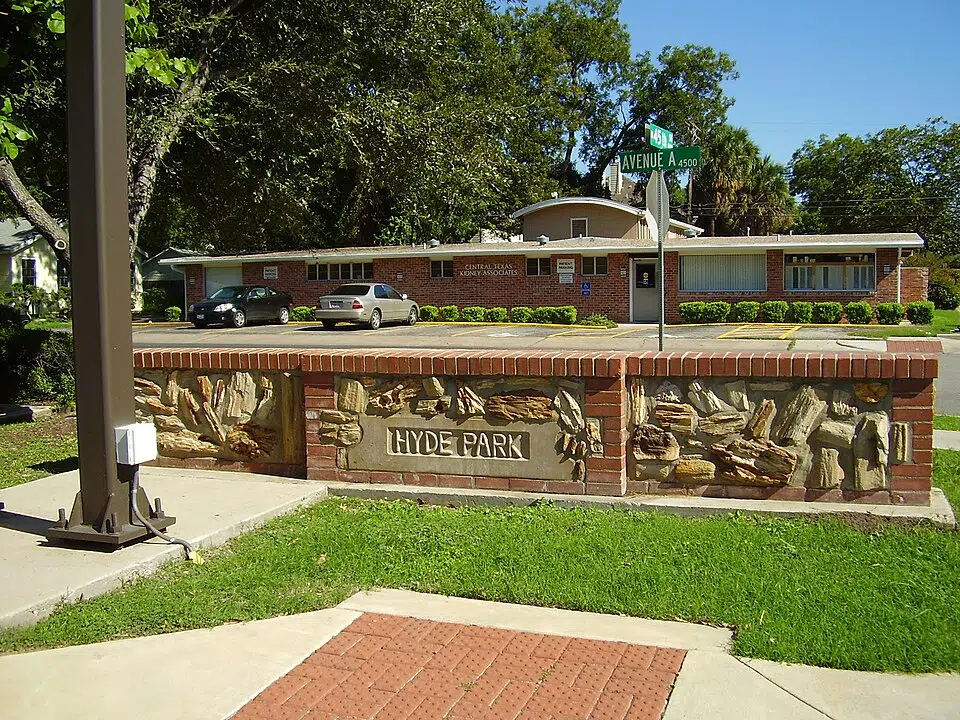
North Loop and Hyde Park are good choices for newcomers who want a classic Austin feel without living directly downtown. These areas sit north of the University of Texas and have older homes, tree-lined streets, coffee shops, vintage stores, casual restaurants, and easy access to central Austin.
Hyde Park has a quieter, historic feel. North Loop has a slightly funkier personality, with local businesses and a laid-back rhythm. Together, they give newcomers a strong sense of what longtime Austinites often like about the city: independent shops, walkable pockets, older homes, and a community feel.
These neighborhoods are a smart fit for people who value character over square footage. Many homes are older, so buyers should pay attention to condition, renovation history, parking, and energy efficiency. Renters may find garage apartments, duplexes, older apartment buildings, and smaller complexes.
The location is a major advantage. You can reach downtown, UT, the medical district, and many central restaurants without living in the busiest part of the city.
South Lamar
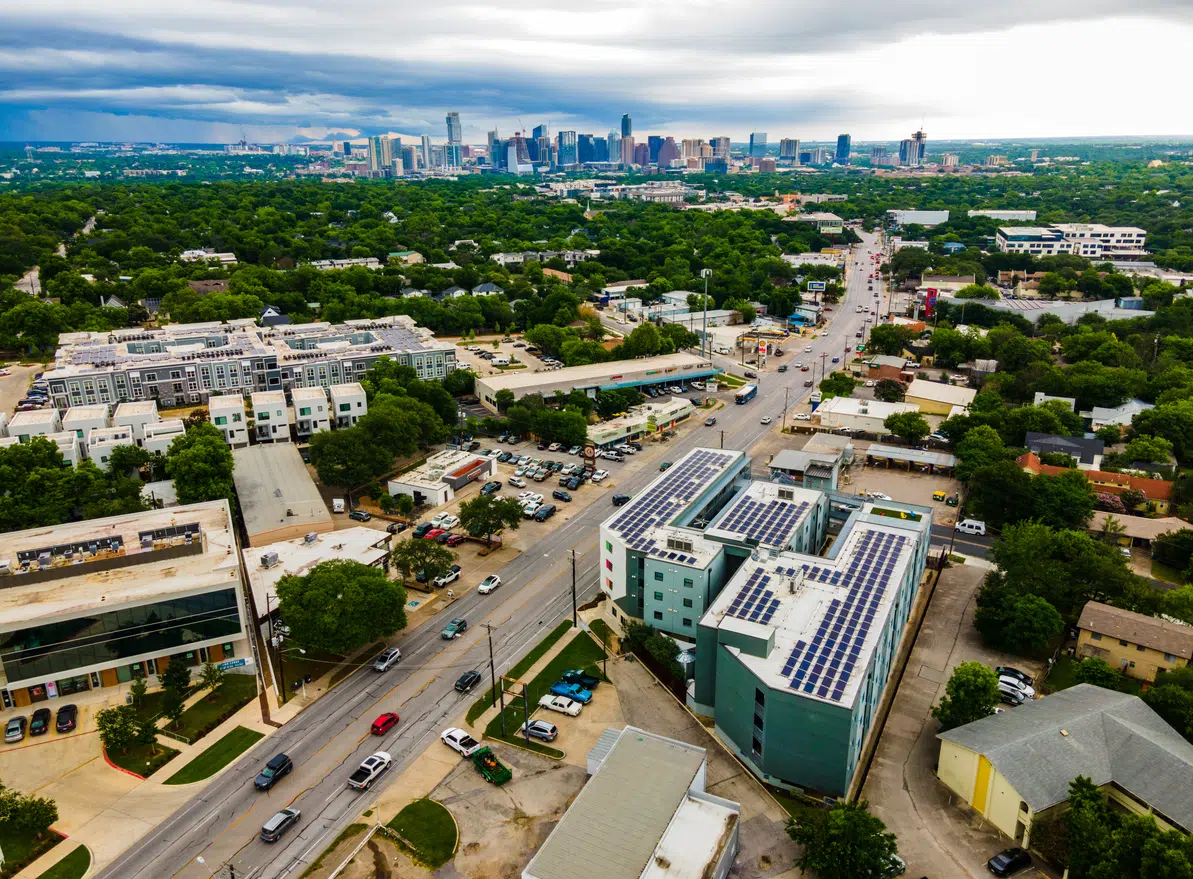
South Lamar is a strong pick for people who want Austin energy without being right in the middle of downtown. It offers restaurants, music venues, bars, coffee shops, apartments, condos, and quick access to Zilker Park and Barton Springs.
For newcomers, South Lamar feels convenient. It is close to downtown, South Congress, Barton Creek Greenbelt, and major roads. It also has many rental options, which makes it useful for people who want to learn the city before buying a home.
The area is best for people who enjoy an active lifestyle. You can grab dinner, meet friends, go for a walk, or head to a show without crossing the whole city. It also gives newcomers a taste of Austin’s casual social scene.
The main downside is traffic. South Lamar can get busy, especially during commute hours and major events. Parking may also be limited around popular spots. Still, for many new arrivals, the convenience makes up for the congestion.
East Austin
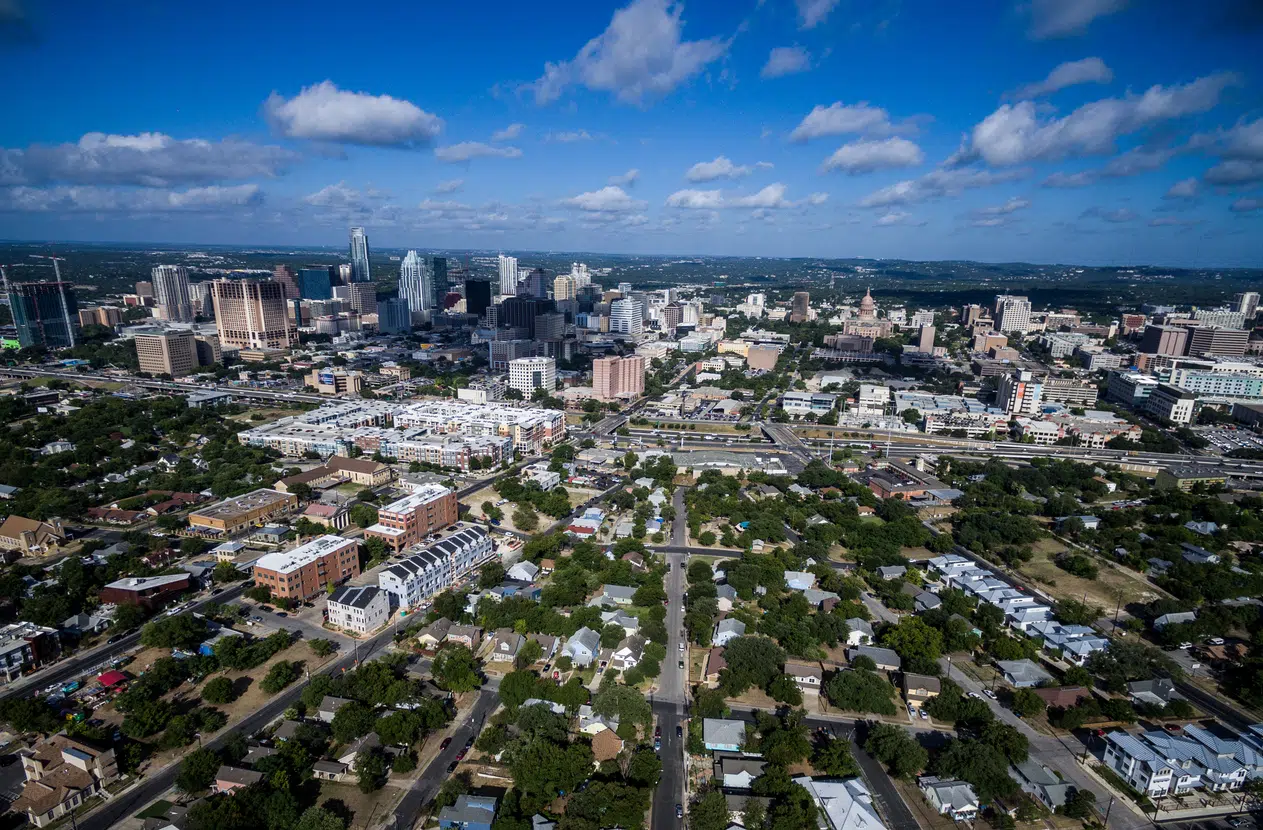
East Austin is one of the most talked-about parts of the city. It has restaurants, bars, coffee shops, art spaces, food trucks, older homes, new apartments, and a strong local identity. It is close to downtown, the airport, and major nightlife areas.
For newcomers who want an urban lifestyle, East Austin can be exciting. It has plenty to do, and the area changes from block to block. Some streets feel residential and quiet. Others are busy with restaurants and entertainment.
East Austin is also a place where newcomers should take time to understand the neighborhood history. Longtime communities have seen major change as development and rising housing costs have reshaped the area. That means it is worth learning about the local culture instead of treating it as simply a trendy place to live.
East Austin is best for people who want access to food, nightlife, and downtown. It may not be ideal for those who want a quieter suburban feel or larger lots.
Crestview and Brentwood
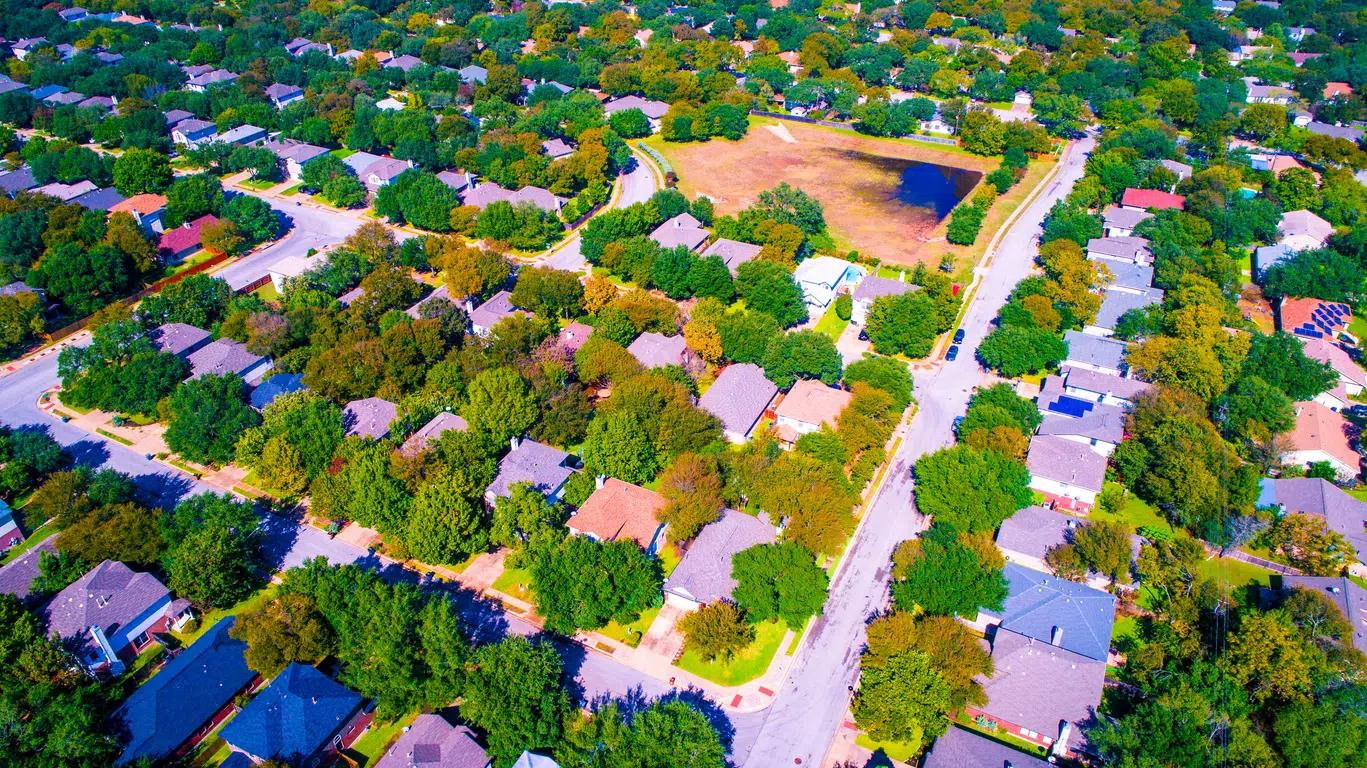
Crestview and Brentwood are excellent choices for people who want a central Austin location with a calmer residential feel. These neighborhoods sit north of downtown and west of I-35, with easy access to Burnet Road, North Lamar, and the MetroRail Red Line at Crestview Station.
CapMetro’s Red Line connects Leander and several North Austin stops to downtown, which gives some residents a transit option in a city where driving is still common.
Crestview and Brentwood appeal to people who like older homes, neighborhood streets, local restaurants, and a less hectic pace than downtown or South Congress. They are also practical for commuters who need to reach central Austin, North Austin, or The Domain.
The housing mix includes mid-century homes, remodeled properties, duplexes, apartments, and newer infill development. Prices can be high because the location is so convenient, but the area remains one of the better central options for newcomers who want Austin character without the constant bustle.
The Domain and North Burnet
The Domain and North Burnet are good choices for newcomers who want a modern, apartment-friendly area near major employers. This part of North Austin has become a major business and entertainment district, with offices, shopping, restaurants, hotels, apartments, and nightlife.
It is often called Austin’s “second downtown,” though it feels different from the original downtown. The streets are newer, the buildings are larger, and many people move here for convenience rather than old-neighborhood charm.
This area is especially practical for tech workers or anyone with a job in North Austin. It also works well for people who want to rent first. Many apartment communities are close to restaurants, gyms, grocery stores, and office buildings.
The downside is that it can feel less personal than older Austin neighborhoods. Some parts are walkable within the district, but you may still need a car for broader errands. For newcomers who prioritize convenience, though, The Domain and North Burnet are hard to ignore.
Circle C Ranch
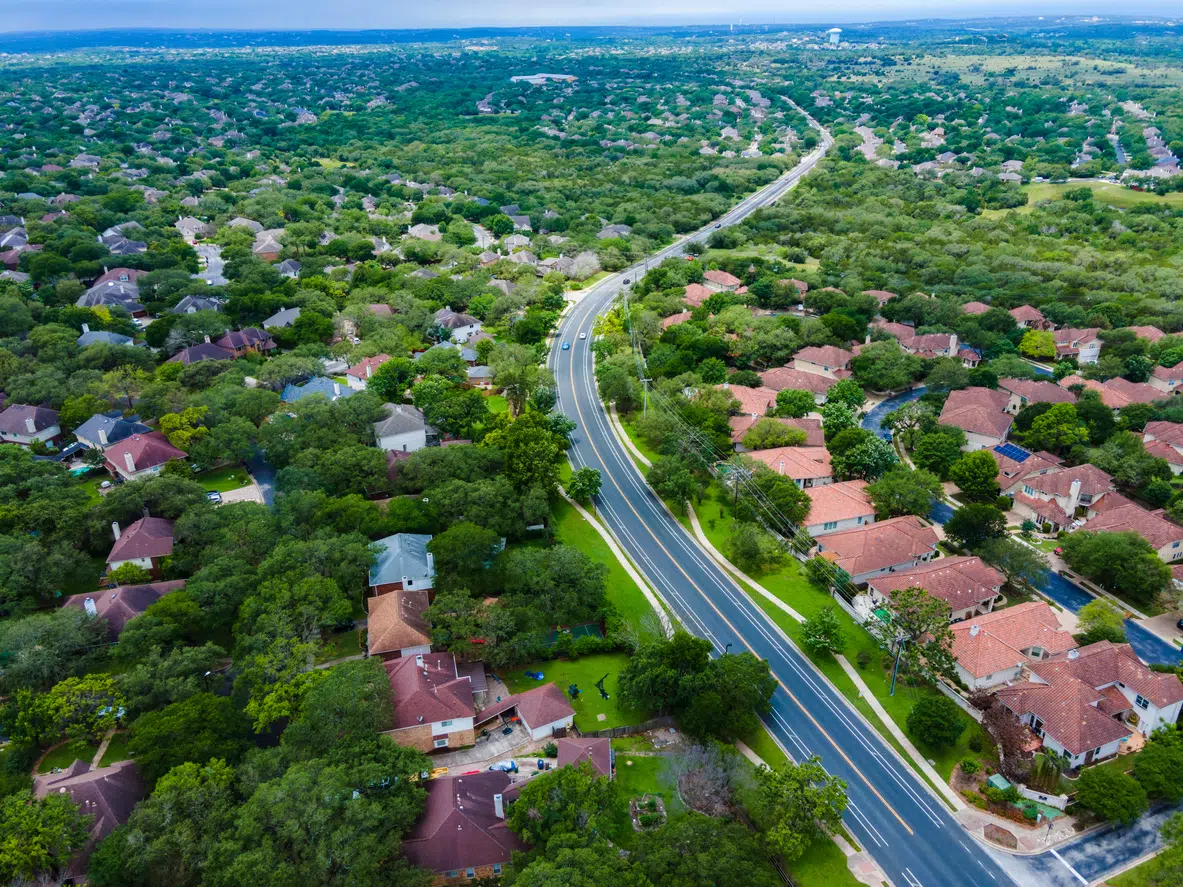
Circle C Ranch in Southwest Austin is a popular choice for families and people who want a suburban feel while staying within Austin city limits. It has larger homes, parks, trails, pools, and access to highly regarded southwest Austin amenities.
This area is a good fit for newcomers who want a quieter lifestyle and do not need to be near downtown every day. It offers a strong sense of neighborhood structure, which can help people settle in after moving from out of state.
Circle C is also close to outdoor areas like the Veloway, Lady Bird Johnson Wildflower Center, and parts of the Barton Creek Greenbelt. For people moving to Texas who want space, sunshine, and weekend outdoor options, that is a major plus.
Commute time is the biggest factor to consider. Getting downtown or to North Austin can take longer during peak traffic. Before choosing Circle C, newcomers should test the commute at the times they would actually drive.
Cedar Park
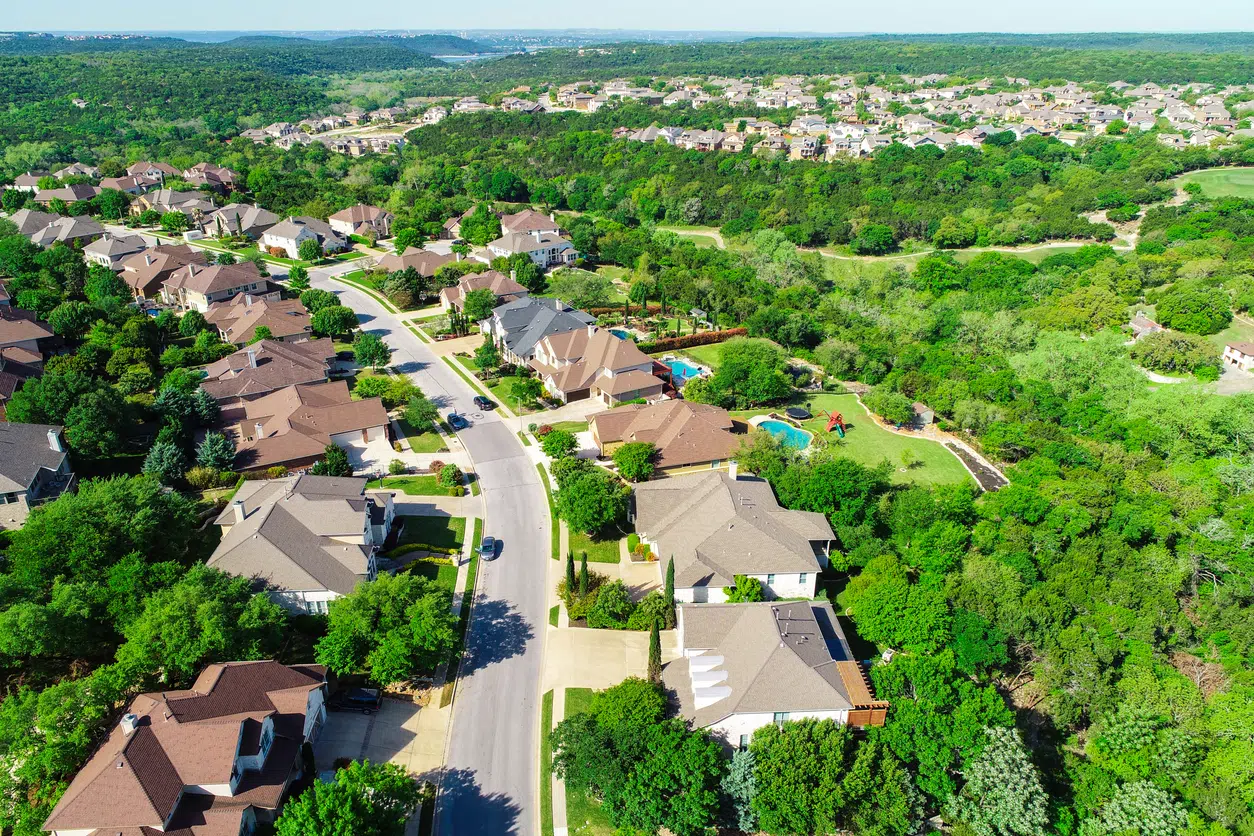
Cedar Park is one of the most practical suburbs for people new to Texas. It sits northwest of Austin and offers a strong mix of homes, schools, shopping, parks, and commute access. It is especially popular with families and people who want suburban convenience without moving too far from Austin.
Cedar Park has established neighborhoods as well as newer developments. It also has access to major roads like 183 and 183A, which helps with commuting into North Austin, The Domain, and other employment centers.
For newcomers, Cedar Park can feel easier to navigate than central Austin. Grocery stores, medical offices, schools, restaurants, and parks are spread throughout the city. It also has a more suburban pace, which many people moving from other states prefer.
The tradeoff is that downtown Austin is not right around the corner. If your job or social life is mostly central or south, the drive may become tiring. But for people working north or remotely, Cedar Park is one of the stronger all-around choices.
Round Rock
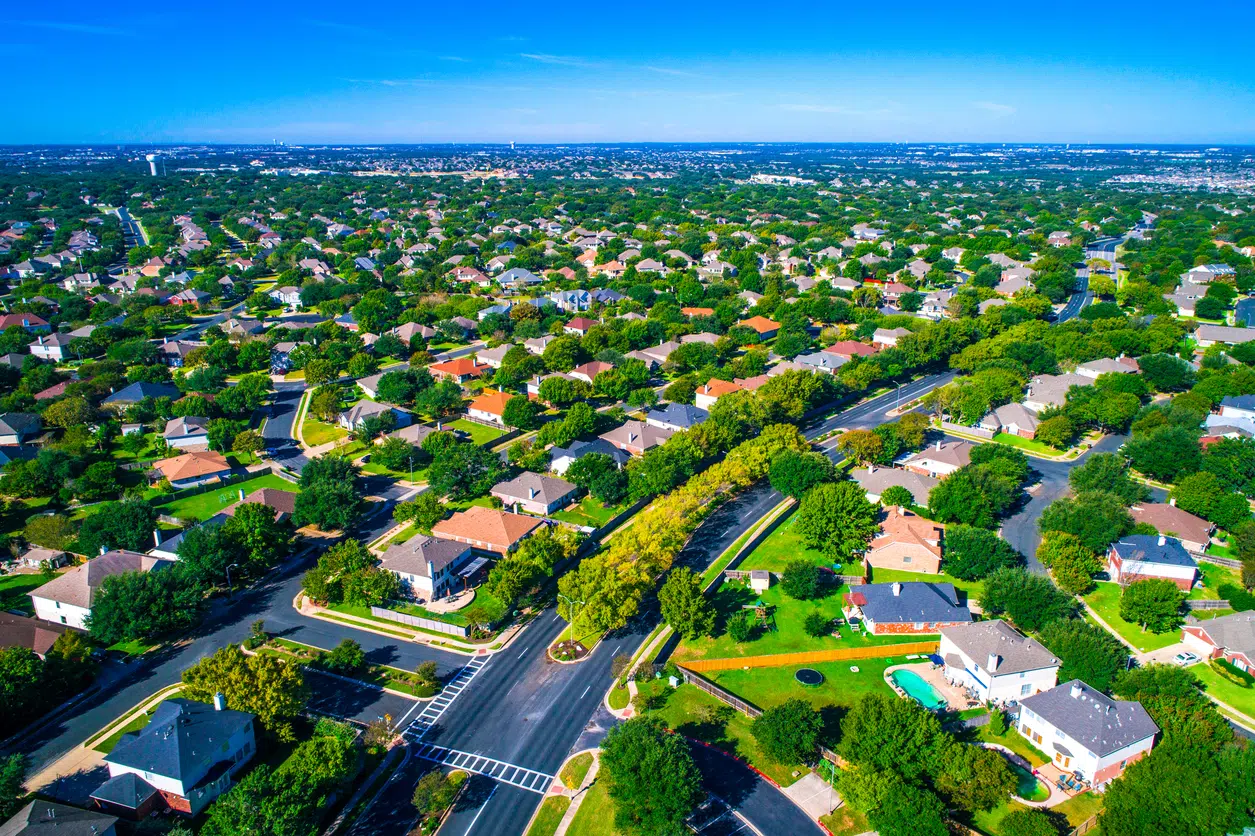
Round Rock is a major Austin-area suburb north of the city. It is well known for schools, sports facilities, family neighborhoods, shopping, and major employers. It has its own identity, which is useful for newcomers who want access to Austin without feeling dependent on it every day.
Round Rock is especially appealing for families, remote workers, and people who want more housing options than they may find in central Austin. The city has older established neighborhoods, newer subdivisions, apartments, and townhomes.
It also offers practical conveniences. There are hospitals, retail centers, restaurants, parks, and entertainment options nearby. For many new Texans, that makes Round Rock feel comfortable quickly.
Commute patterns matter here. Round Rock works best for people commuting to North Austin, The Domain, Georgetown, or other northern job centers. A daily downtown Austin commute can be manageable for some, but traffic should be taken seriously.
Pflugerville
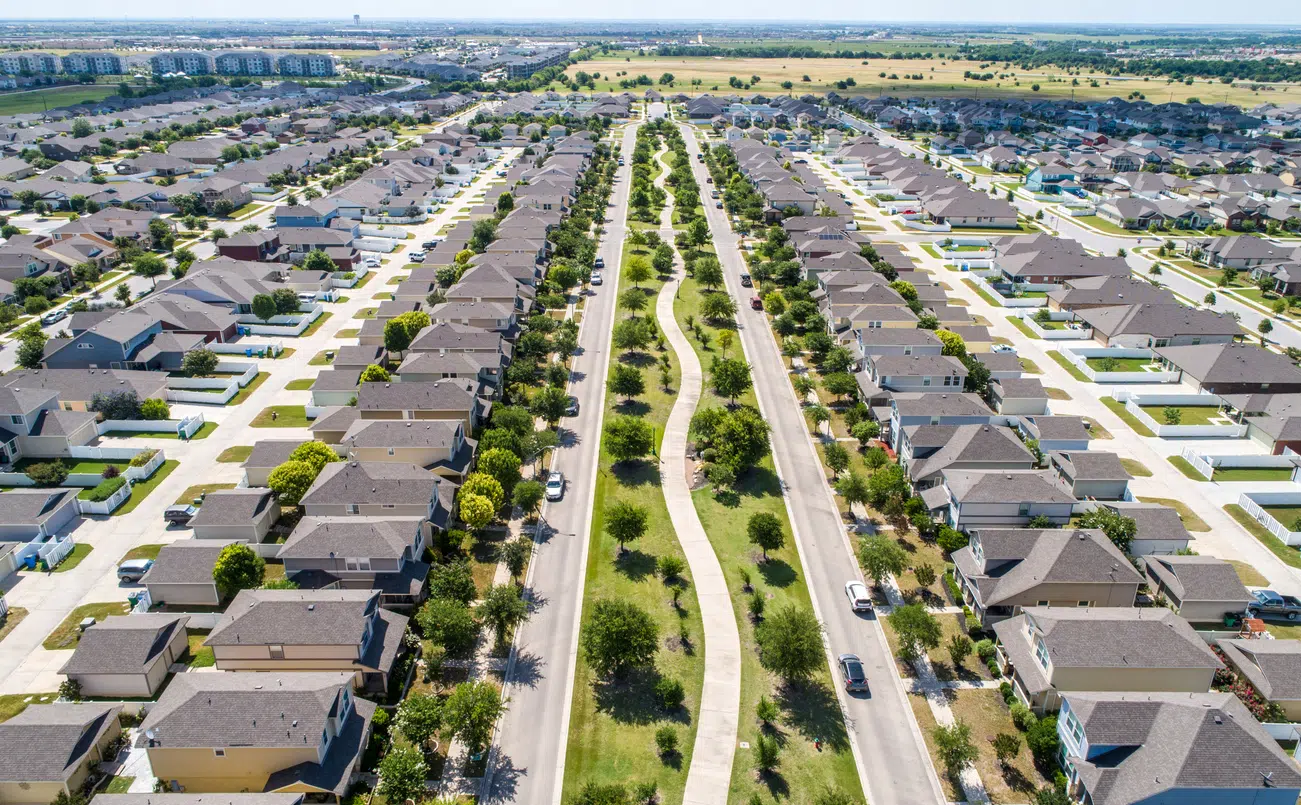
Pflugerville is a good fit for newcomers looking for relative affordability, suburban convenience, and access to both Austin and Round Rock. It sits northeast of Austin and has grown quickly as more people look outside the urban core for housing.
The area has newer subdivisions, established neighborhoods, parks, shopping, and access to major routes. It is also close to employment centers in North Austin and the tech corridor.
Pflugerville is often a smart option for first-time buyers or renters who want more space than central Austin usually allows. Families may also appreciate the parks, neighborhood layouts, and community events.
The area is growing, which brings both benefits and challenges. New retail and development can make daily life easier, but road congestion and construction may come with that growth. Newcomers should look carefully at commute routes before choosing a specific neighborhood.
Leander
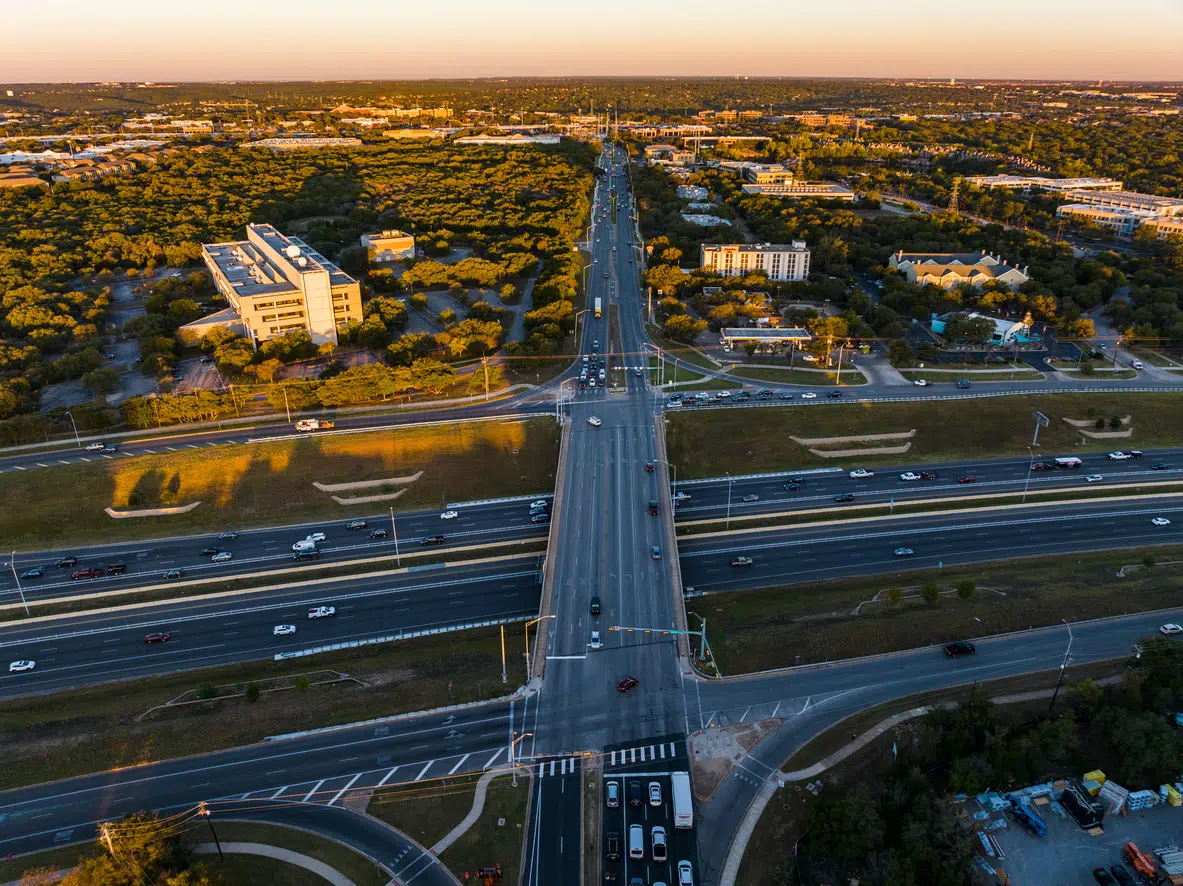
Leander is one of the fastest-growing suburbs in the Austin area and is a strong choice for people who want newer homes, master-planned communities, and access to the northwest side of the metro. It sits beyond Cedar Park and has become popular with families, remote workers, and buyers looking for more space.
One major advantage is rail access. The CapMetro Red Line reaches Leander, giving some commuters an alternative to driving into Austin. That does not replace a car for most households, but it can help people who work downtown or near rail-connected areas.
Leander offers newer subdivisions, trails, schools, and retail growth. It can feel less dense than Austin, which appeals to people moving from crowded cities.
The tradeoff is distance. Leander is best for people who do not need to drive into central Austin every day. It can be a great match for remote workers, hybrid workers, and families who prioritize home size and schools.
Georgetown
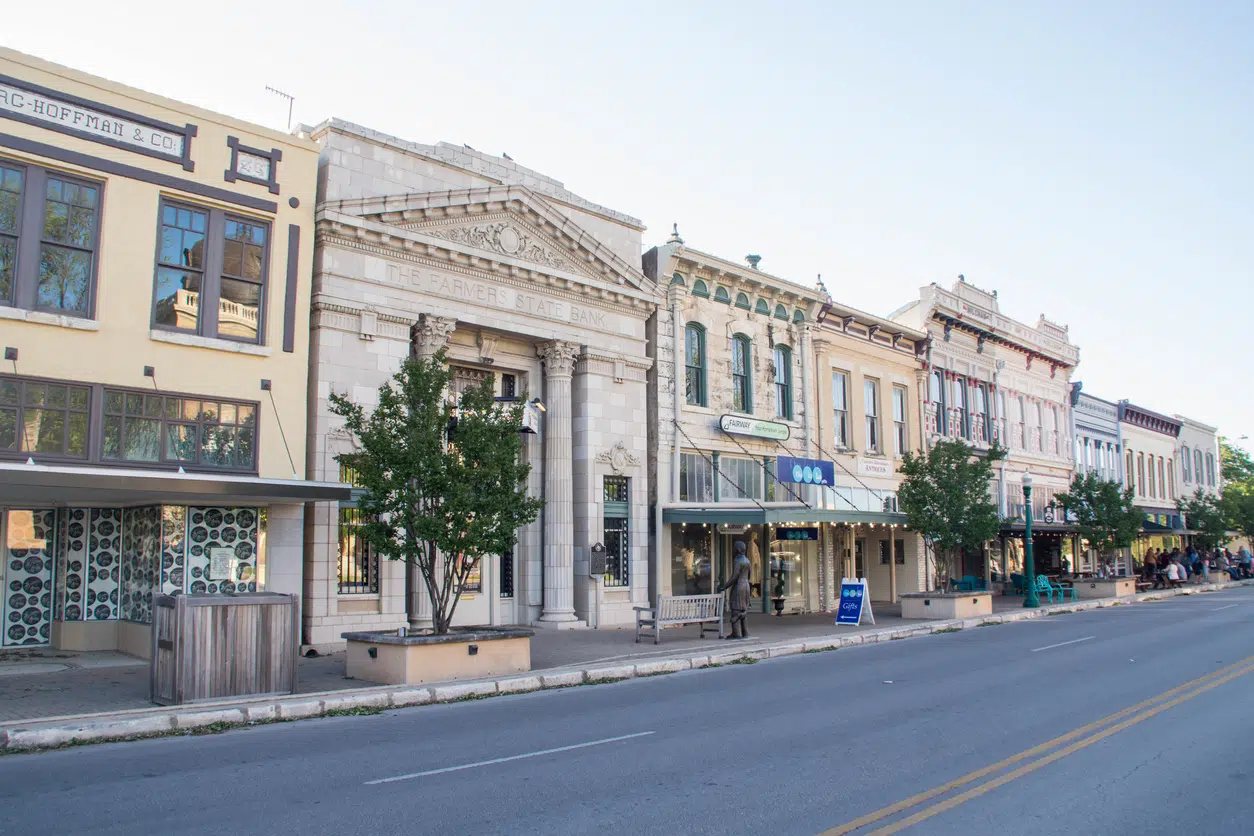
Georgetown sits north of Austin and has become one of the most popular choices for people who want a smaller-city feel with access to the larger metro. It has a historic downtown square, established neighborhoods, new communities, parks, and a slower pace than Austin proper.
For newcomers to Texas, Georgetown can be especially appealing because it feels welcoming and easy to understand. The downtown square gives the city a clear center, while newer growth provides modern housing options.
Georgetown is a good match for retirees, families, remote workers, and people who want community life without Austin’s daily intensity. It is also one of the suburbs often mentioned in discussions of rapid Austin-area growth.
The main drawback is distance from central Austin. A commute to downtown can be long, especially during traffic. Georgetown works best when your daily life is mostly north, remote, or flexible.
Buda and Kyle
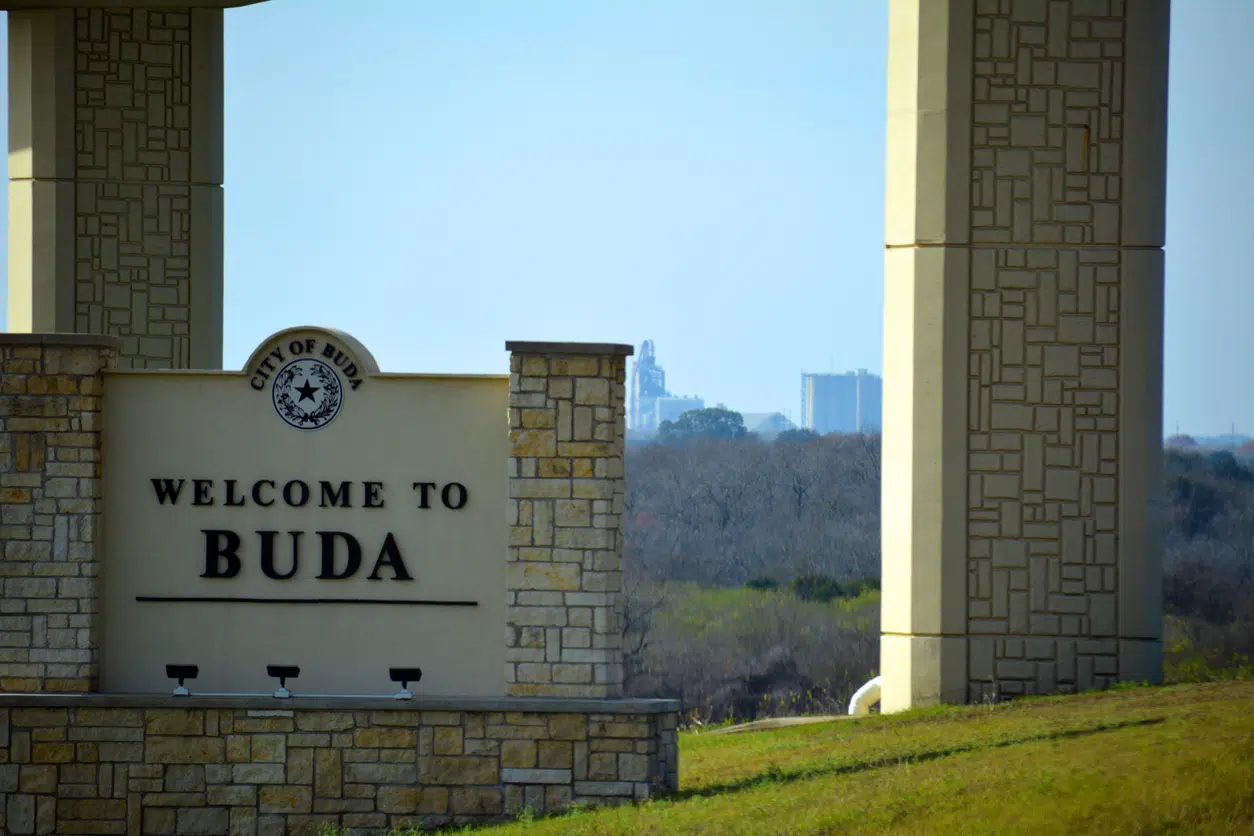
Buda and Kyle sit south of Austin along the I-35 corridor. They are popular with newcomers who want more affordable housing options while staying connected to Austin and San Marcos.
Buda has a smaller-town feel, with a historic downtown, parks, and a more relaxed personality. Kyle has grown quickly and offers many newer subdivisions, retail centers, and commuter-friendly housing options.
These areas can work well for families, first-time buyers, and people who need access to both Austin and San Antonio. They also appeal to newcomers who want a little distance from Austin’s busiest neighborhoods.
The biggest issue is I-35 traffic. Anyone considering Buda or Kyle should test the drive during rush hour. If your job is in South Austin, Southwest Austin, or remote, these areas may make a lot of sense. If you need to reach North Austin every day, the commute may feel too long.
Lakeway and Bee Cave
Lakeway and Bee Cave are west of Austin and offer a Hill Country lifestyle with access to Lake Travis, golf courses, trails, shopping, and larger homes. These areas are popular with families, executives, remote workers, and people who want a scenic setting.
For people new to Texas, this part of the Austin area can be attractive because it shows a different side of Central Texas. The landscape is hillier, the views are wider, and the pace feels removed from the city.
Bee Cave has strong retail access, especially around the Hill Country Galleria. Lakeway has a more established residential feel and is closely tied to lake-area living.
These areas are often pricier than many suburbs north or south of Austin. They are best for people with flexible commutes or jobs on the west side. Driving into downtown or North Austin can take time, especially during peak hours.
Dripping Springs
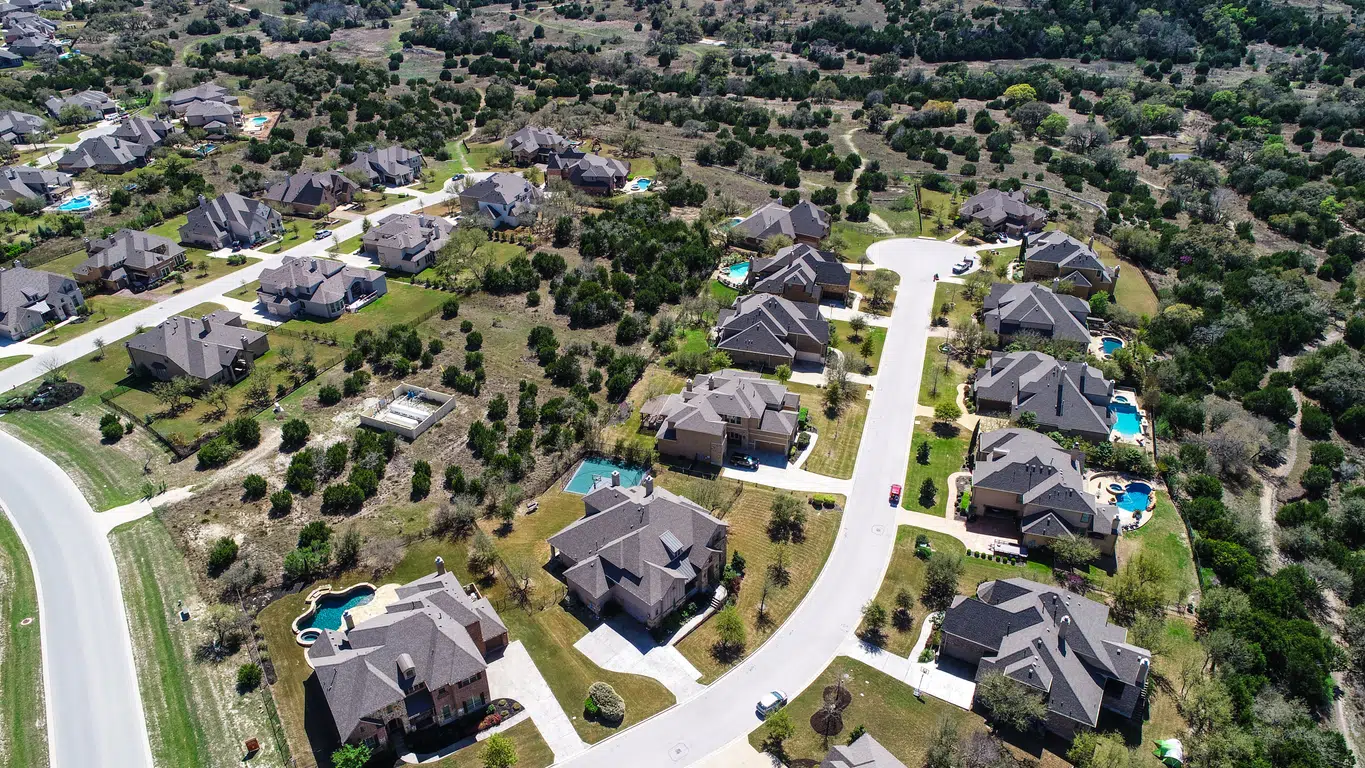
Dripping Springs is southwest of Austin and has become a favorite for people who want Hill Country space, newer homes, and a quieter lifestyle. It is known for scenic roads, breweries, wedding venues, parks, and access to outdoor recreation.
This area works well for newcomers who want a Texas Hill Country feel without moving too far from Austin. It is especially appealing to families, remote workers, and people who want larger lots or master-planned communities.
Dripping Springs has grown quickly, so newcomers should look closely at road access, school zoning, water issues, and commute times. The area can feel peaceful, but traffic on routes into Austin can still be a challenge.
It is a strong choice for people who value space and scenery over nightlife and urban convenience.
How to Choose the Right Austin Area
The best Austin area for a newcomer depends less on hype and more on daily routine. A neighborhood that sounds perfect online may feel wrong if the commute is painful or the housing style does not match your needs.
Before choosing, think through these questions:
- Where will you work, and how often will you commute?
- Do you want walkability, space, or the best balance of both?
- Are schools a major factor?
- Do you prefer older homes or newer construction?
- How close do you want to be to downtown Austin?
- Are you comfortable with toll roads?
- Do you want city energy or a quieter suburban routine?
For many newcomers, renting first can be a smart move. Austin’s neighborhoods and suburbs feel very different from one another. Living in the area for six months or a year can help you understand traffic, heat, school zones, weekend habits, and where you actually spend time.
Final Thoughts
Austin gives newcomers many ways to build a life in Texas. If you want walkability and activity, Mueller, South Lamar, East Austin, or The Domain may be a good fit. If you want neighborhood character, consider Hyde Park, North Loop, Crestview, or Brentwood. If you want space and suburban convenience, Cedar Park, Round Rock, Pflugerville, Leander, Georgetown, Buda, Kyle, Lakeway, Bee Cave, or Dripping Springs may make sense.
The key is to choose around your real routine. Austin is spread out, and traffic can shape your experience as much as the neighborhood itself. Start with commute, budget, lifestyle, and school needs. From there, the right area becomes much easier to spot.
Comments (0)
No comments yet. Be the first to share your thoughts.
Leave a comment