


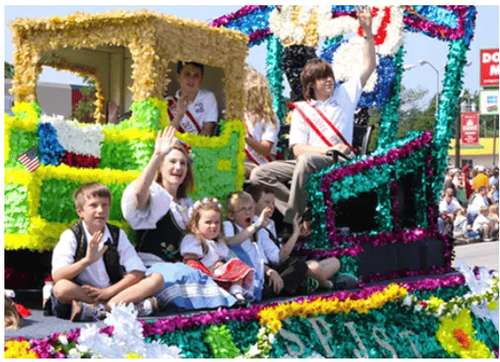
Arlene Honza, Caption from National Polka Festival parade in Ennis, Tx, CC BY-SA 3.0
If you think Texas is all wide-open ranches and cowboy hats, meet the side of the Lone Star State where accordions, kolaches, and frothy steins reign supreme. Across the Hill Country and beyond, generations of Czech and German immigrants left a legacy that shows up today in polka festivals, biergartens, historic dance halls — places where community, culture, and a love for good food and drink come together. In this article, we trace the threads of that heritage and where you can still tap your foot, raise a glass, and say “Prost!” or “Na zdraví!”A Heritage Built on Migration — Texas Style
In the mid- to late-1800s, waves of German and Czech immigrants settled in central and southern Texas. They brought with them their traditions: music, food, social halls, sense of community. Over time, their culture morphed into something uniquely Texan — out here, the polka mix met wide skies, and beer halls turned into integral parts of small-town life.
Today, traces of that heritage are obvious if you know where to look: churches with Czech inscriptions, annual festivals celebrating Slavic culture, old dance halls, family-run bakeries selling kolaches, and beer brewed with European heart.
Many of those traditions live on strongly in Hill Country towns — where history isn’t just preserved, but lived.
Polka Festivals: Accordion, Kolaches & Community
One of the clearest celebrations of Czech tradition happens each spring in the small town of National Polka Festival — held annually in Ennis, Texas (about 35 miles south of Dallas). Kids and adults travel in from all over just to dance, eat, listen, and celebrate. Expect live polka bands, traditional Czech food, kolaches, and even a kolache-eating contest. The vibe is festive, friendly, and rooted in a sense of shared identity. Many families return year after year, generation after generation.
But Ennis isn’t the only spot. Across Texas, small towns with Czech roots — from Fayetteville to Hallettsville to Praha — hold their own get-togethers, heritage celebrations, and polka-friendly events. At such events, you’ll often find live music, authentic food, community dances, and lots of heart.
For a flavor of Hill Country life, these festivals provide a bridge to immigrants’ roots — just with sweeter pastries and louder accordions.And for a slice of classic Czech-German–Texan beer legacy, Shiner Bock stands out. The beer traces its roots to Shiner, Texas, a town with deep Czech and German immigrant history — a place where brewing and community went hand in hand.
Whether you sip a dark, malty brew at a riverside biergarten or raise a stein to polka lines in a dance hall, beer remains a uniting thread in these cultural celebrations — a nod to heritage, craftsmanship, and good times.
Places to Go: Where Polka Meets Pints
If you want to soak up this heritage for yourself, here are some of the best spots and events:
- Ennis, TX – National Polka Festival: Held each spring, this festival draws families, band lovers, and pastry fans — a vibrant celebration of Czech heritage.
- Fredericksburg, TX – Altstadt Brewery and local festivals: With its deeply German roots, Fredericksburg offers Oktoberfest-style celebrations, biergarten vibes, and polka or oompah music in autumn and beyond.
- Small towns across central and southern Texas: Keep an eye out for local Czech festivals, kolache events, dance halls or community celebrations — especially in places like Fayetteville, Praha, Hallettsville, and other “Czech towns.”
Why It Works: Heritage, Heart & Hip Boots
Polka and beer gardens endure in Texas because they represent more than just nostalgia — they’re living culture. Here’s why this mix still resonates:
- Cultural preservation: For descendants of German and Czech immigrants, these festivals and beer gardens preserve — and celebrate — identity, history, and roots.
- Community connection: In small towns especially, these events bring people together. It’s not just about music or beer — it’s families, traditions, and shared memory.
- Accessible fun: Not all Texas trips need wide-open ranches or major concert venues. Polka halls and beer gardens are accessible, welcoming, often affordable, and family-friendly.
- Music, food & festivity: Between kolaches, bratwurst, dancing, beer, and live music — it’s good clean fun that appeals to ages and tastes broadly.
- Blend of past and present: German/Czech heritage, Texan openness, and modern taste converge — you get classic tunes and food, with a bit of Texas twist (yes, perhaps a Shiner Bock over a pilsner).
What to Know Before You Go
If you decide to explore Texas polka and beer culture, a few tips help make it smooth:
- Check festival or brewery schedules — many events happen seasonally, especially around spring and fall (for polka festivals and Oktoberfest-style beer fests).
- Respect tradition — many halls and festivals value modesty, heritage attire, and community vibe.
- Come hungry — kolaches, sausage, sauerkraut, hearty German-style meals and snacks are common. Don’t skip the food.
- Be open to community — some of the best experiences come from meeting locals, dancing, laughing, sampling homemade beer, and sharing stories.
- Stay safe — if there’s beer (or other drinks), have a plan to get back safely.
Polka & Pints: A Texas Tradition Worth Tasting
In the Hill Country and small towns across central Texas, you’ll find a world where band music pairs with beer mugs, where kolaches and bratwurst meet cowboy boots, and where heritage is as real as the next paycheck. Polka festivals, biergartens, dance halls — they’re not just quaint customs, but active, living traditions.
So whether you’re a first-timer or looking for a weekend escape, consider letting your next trip include accordion melodies, steins raised, and a dance floor full of boots and smiles. The Czech and German spirit is alive — and still calling you to “Prost!” / “Na zdraví!”
Biergartens & Beer Culture: From Spoetzl to Shiner
If you want beer with your polka, you’re in luck — the Hill Country does history-forward beer well. One standout example is Altstadt Brewery, a destination where Bavarian-style beer, live music, outdoor seating and sunset views combine under Texas skies.
Comments (0)
No comments yet. Be the first to share your thoughts.
Leave a comment