


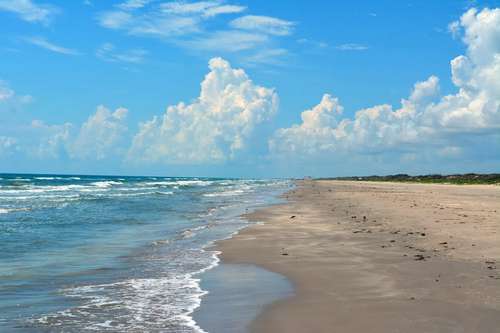
The Texas Gulf Coast has always been a place where history and legend meet. Its long beaches, shallow bays, barrier islands, and stormy waters have carried stories of shipwrecks, smugglers, privateers, and buried treasure for centuries.
Some of those stories are based on real events. Others grew from rumor, local pride, and the human love of mystery. Pirate gold may be hard to prove, but the Texas coast gives people plenty of reasons to keep wondering.
From Galveston Island to Padre Island, tales of hidden coins and lost cargo still capture the imagination. They also reveal a larger story about trade, war, storms, and the dangerous world of the Gulf of Mexico.
Why the Texas Coast Became a Place of Treasure Stories
The Texas Gulf Coast sits along one of the most important maritime regions in North America. For centuries, ships moved through Gulf waters carrying silver, gold, hides, weapons, food, enslaved people, and goods from Mexico, the Caribbean, Europe, and the American South.
Before railroads and highways connected Texas to the wider world, the coast was a major route for trade. It was also a risky place to sail.
The shoreline is full of hazards. Sandbars shift. Storms rise quickly. Barrier islands can be hard to see from offshore. Hurricanes and strong currents have wrecked ships along the coast for hundreds of years.
When a ship went down, its cargo often became the center of stories. If that cargo included silver coins, gold, or luxury goods, the story could grow bigger with each generation.
Pirates and privateers added even more excitement. They knew the Gulf well. They used hidden bays, quiet inlets, and remote islands to avoid authorities. Texas, especially before it became part of the United States, offered plenty of room for people who wanted to stay out of sight.
Pirates, Privateers, and the Line Between Them
Pirate gold stories often use the word “pirate” for anyone who attacked ships or smuggled goods. The real history is more complicated.
A pirate attacked ships for personal gain without legal authority. A privateer also attacked ships, but did so under a government license during wartime. That license, called a letter of marque, allowed private ship captains to target enemy vessels.
In practice, the line between pirate and privateer could get blurry. A captain might claim to be fighting for a government, while also keeping profits from captured cargo. Governments sometimes looked the other way when privateers helped weaken an enemy.
That gray area shaped many Gulf Coast stories, especially those tied to Jean Lafitte.
Jean Lafitte and Galveston Island
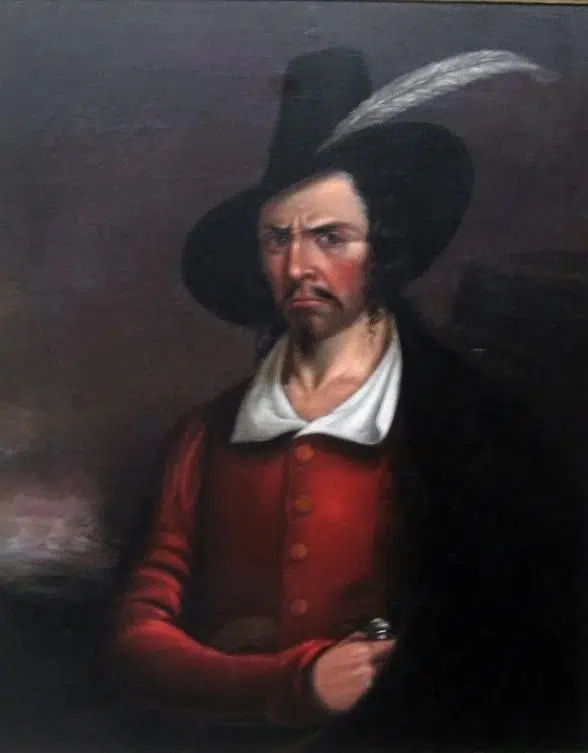
No name is tied more closely to Texas pirate lore than Jean Lafitte. He was a French-born privateer and smuggler who became famous along the Gulf Coast in the early 1800s.
Before coming to Texas, Lafitte operated out of Barataria Bay near New Orleans. He and his men captured ships, sold goods, and built a powerful smuggling network. His story became even more famous after the War of 1812, when he helped the United States defend New Orleans against the British.
Around 1817, Lafitte moved his base to Galveston Island. At the time, Galveston was remote and lightly controlled. It belonged to Spanish Texas, but Spain had limited power over the island. That made it useful for men who wanted distance from American and Spanish authorities.
Lafitte named his Galveston settlement Campeche. It became a busy outpost for privateering and smuggling. Ships came and went. Goods were stored, traded, and sold. Men loyal to Lafitte lived and worked there, turning Galveston into one of the most active Gulf Coast bases of its time.
This real history gave later treasure stories a strong foundation. If Lafitte ran a wealthy smuggling operation on Galveston Island, many people wondered where all that wealth went.
The Legend of Lafitte’s Buried Treasure
The most famous Texas pirate gold stories claim that Lafitte buried treasure somewhere along the coast before leaving Galveston. Some versions place the treasure on Galveston Island. Others move it to Bolivar Peninsula, High Island, Sabine Pass, Matagorda Island, or hidden spots farther down the coast.
The basic story usually sounds simple. Lafitte and his men captured ships. They gained silver, gold, jewelry, and valuable goods. When pressure from the United States increased, Lafitte prepared to leave Galveston. Before sailing away, he supposedly buried part of his fortune where only he or trusted men could find it.
That story has survived because it feels possible. Lafitte really did live in Galveston. He really did command ships. He really did deal in captured goods. He also left the island under pressure, and parts of his later life remain uncertain.
Still, there is a difference between possible and proven.
No confirmed Lafitte treasure cache has ever been found on the Texas coast. Many people have searched. Some claimed success. Most claims lack reliable evidence. Coins, old weapons, or metal objects found near the coast may be interesting, but they do not automatically prove a pirate treasure story.
The Lafitte legend remains powerful because it lives in the gap between fact and mystery.
Maison Rouge and the Galveston Treasure Mystique
One of the best-known locations tied to Lafitte is Maison Rouge, or the Red House. This was said to be his Galveston headquarters. Over time, the site became part of local legend.
Stories describe Maison Rouge as a stronghold, warehouse, home, and command center. It became the kind of place people could imagine filled with maps, chests, weapons, stolen goods, and secret plans.
When Lafitte left Galveston, stories say his men burned parts of the settlement. A burned pirate base is exactly the kind of detail that helps legends grow. If buildings disappeared, people could wonder what had been hidden beneath them or carried away before the fire.
Modern historians and researchers continue to study Lafitte’s Galveston years. Archaeology may help clarify where structures stood and how the settlement functioned. Even when research does not uncover gold, it can reveal something valuable: how people lived, traded, and survived on a rough frontier coast.
Padre Island and the 1554 Spanish Shipwrecks
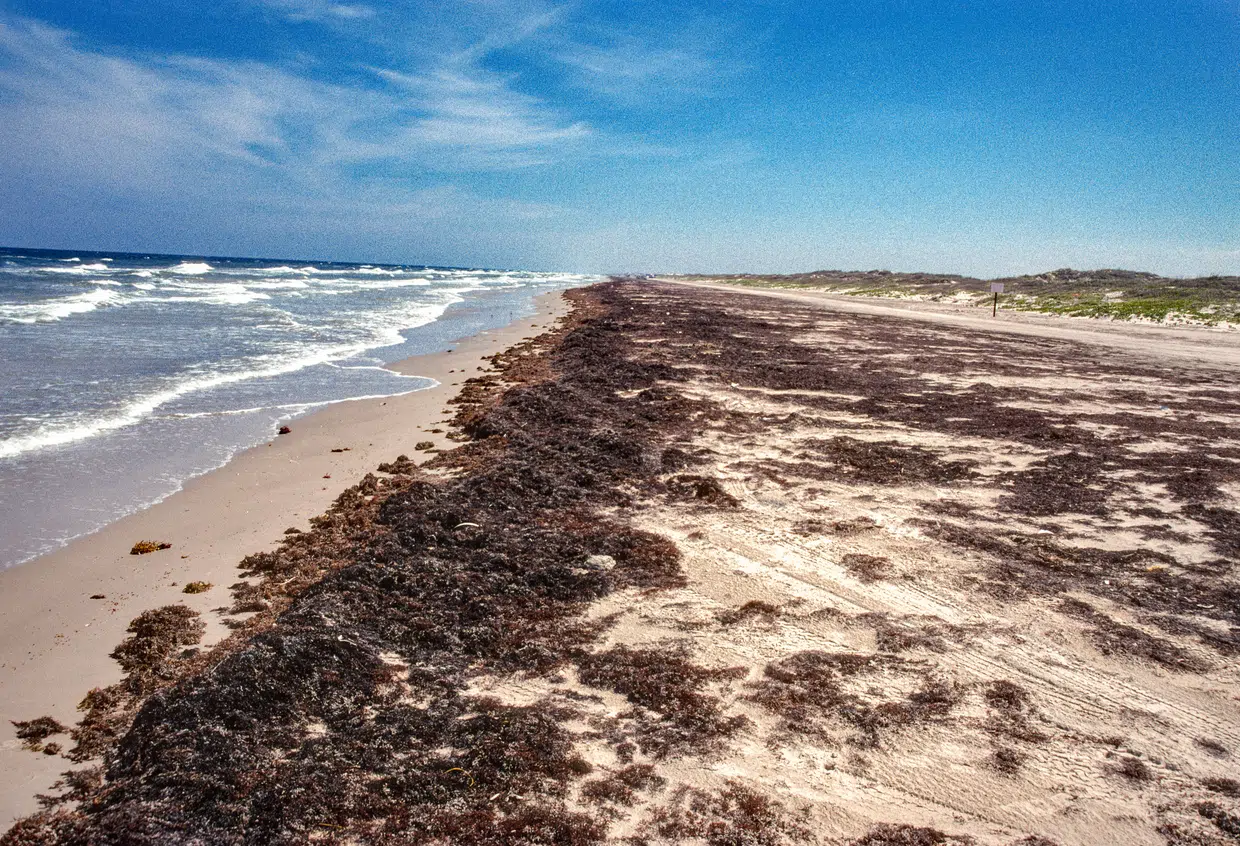
Pirate stories are only one part of Texas treasure lore. Some of the most important real treasure history on the Texas coast comes from Spanish shipwrecks.
In 1554, a Spanish fleet sailed from Veracruz toward Havana. The ships carried people and valuable cargo from New Spain. A storm pushed several of them off course and wrecked them near what is now Padre Island.
This disaster became one of the earliest major European shipwreck events connected to the Texas coast. The wrecked ships carried silver and other valuable goods. Survivors faced a harsh and dangerous coastline, far from help.
Unlike many pirate gold stories, the 1554 shipwrecks are well documented. Artifacts from the wrecks have been recovered, studied, and preserved. The story includes real treasure, real tragedy, and real archaeology.
The Padre Island wrecks also show why treasure hunting can be complicated. Shipwrecks are historical sites, not simple prize boxes. Coins and artifacts can teach researchers about shipbuilding, trade, navigation, colonial life, and the people aboard those vessels.
Because of that, protected wreck sites should never be disturbed by casual treasure hunters.
How Shipwreck Treasure Became Pirate Treasure in Local Stories
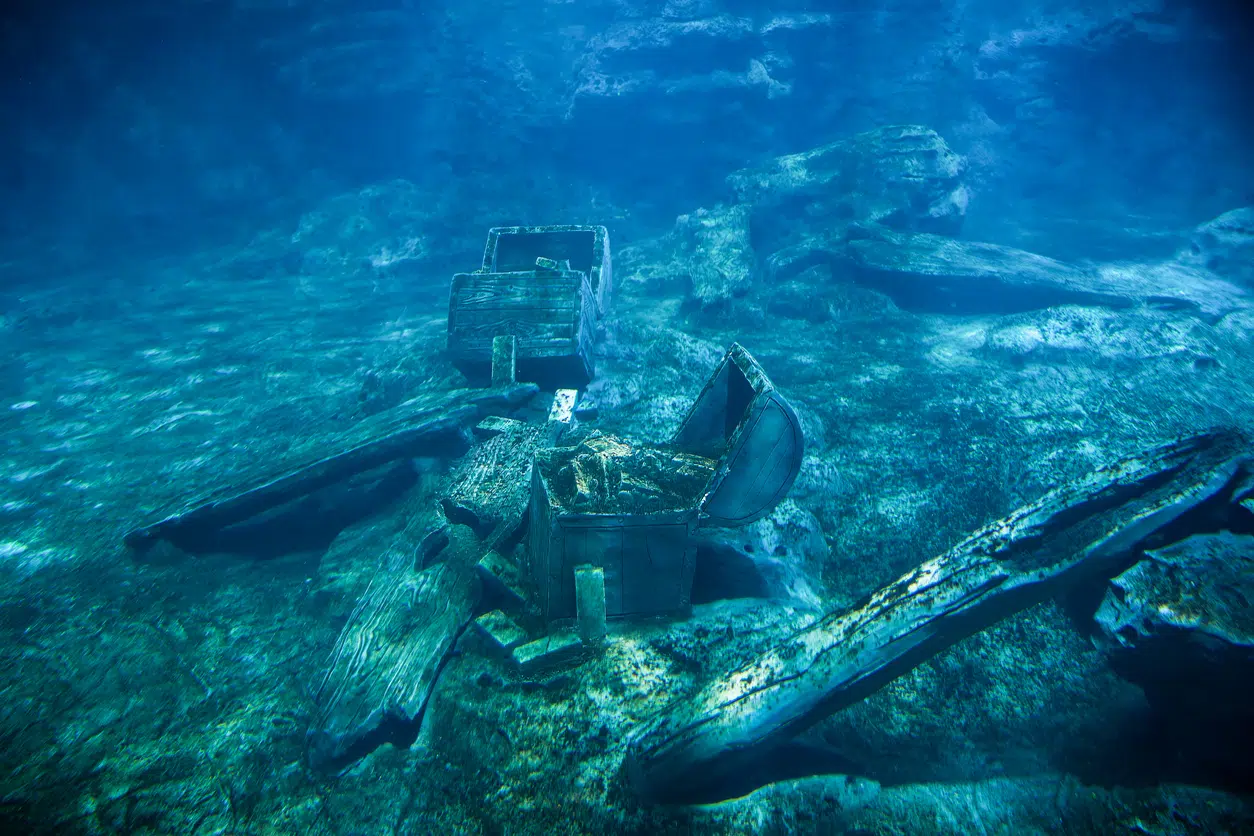
Over time, shipwreck stories and pirate stories often blended together. A Spanish ship might wreck in a storm. Later generations might retell the story with pirates added in. A rumor about silver coins could become a tale about buried chests.
This happened because the Gulf Coast had all the right ingredients: real shipwrecks, real privateers, isolated beaches, shifting sand, and incomplete records.
Many local stories follow a familiar pattern. A storm uncovers a strange object on the beach. Someone finds an old coin, a rusted blade, or a piece of metal. A family passes down a story about a hidden chest. Soon, the object becomes tied to Lafitte or another pirate figure.
That does not mean every story is false. It means the Texas coast has many layers of history, and those layers can be hard to separate.
A Spanish colonial coin might come from a shipwreck, a trading post, a later collector, or even modern loss. Without careful study, the object alone cannot prove the legend.
Bolivar Peninsula and Hidden Treasure Tales
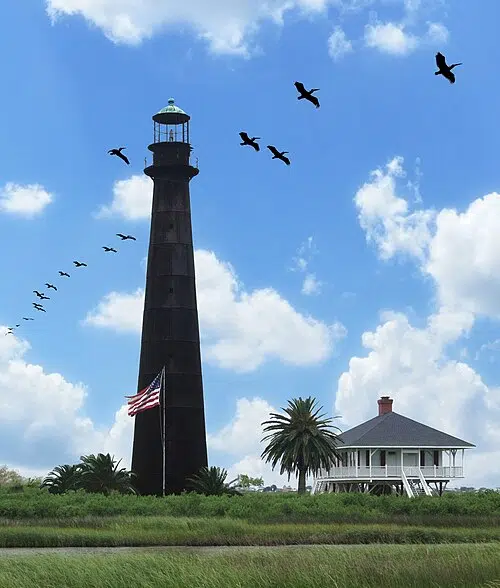
Jim Evans, Bolivar Lighthouse -- Point Bolivar, Galveston, Texas, CC BY-SA 4.0
Bolivar Peninsula, across the water from Galveston, appears in many treasure legends. Its beaches, marshes, and remote stretches made it a natural setting for stories about buried loot.
Some tales claim Lafitte’s men hid valuables there. Others mention mysterious markers, old trees, or coded maps. Like many treasure legends, the details change depending on who tells the story.
Bolivar’s location makes the stories believable to many people. It sits close to Galveston, faces the Gulf, and offers access to bays and waterways. Privateers and smugglers would have known the area.
Still, belief is not proof. No verified Lafitte treasure has been documented there. The peninsula’s real value lies in its role as part of the larger coastal world that made smuggling and privateering possible.
Matagorda Island and Remote Coast Legends
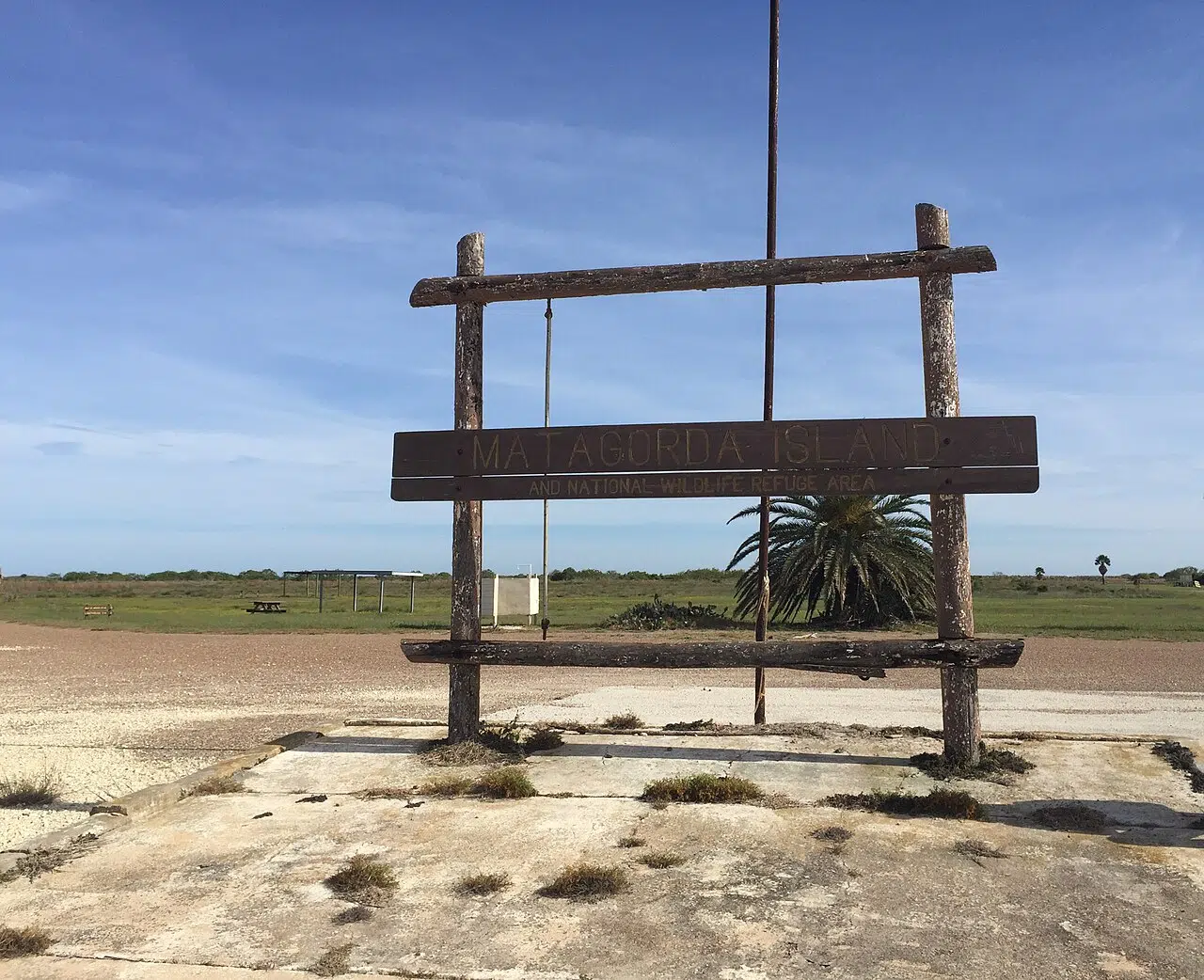
Farther down the coast, Matagorda Island has its own share of mystery. Its isolation made it a good setting for treasure stories. Long stretches of undeveloped land, old trails, and storm-washed beaches helped fuel rumors of hidden gold.
Some legends connect Matagorda to pirates. Others focus on shipwrecks or lost Spanish cargo. In many versions, treasure was buried quickly to avoid capture, then never recovered because the people who hid it died, fled, or forgot the exact location.
These stories are difficult to prove, but they reflect a real historical pattern. Remote coastal areas were useful to smugglers, raiders, and ships seeking shelter. They were also dangerous. A sudden storm could scatter cargo, sink vessels, and erase landmarks.
That combination makes Matagorda a natural part of Texas Gulf Coast treasure lore.
Mustang Island, Padre Island, and Tales from the Sand
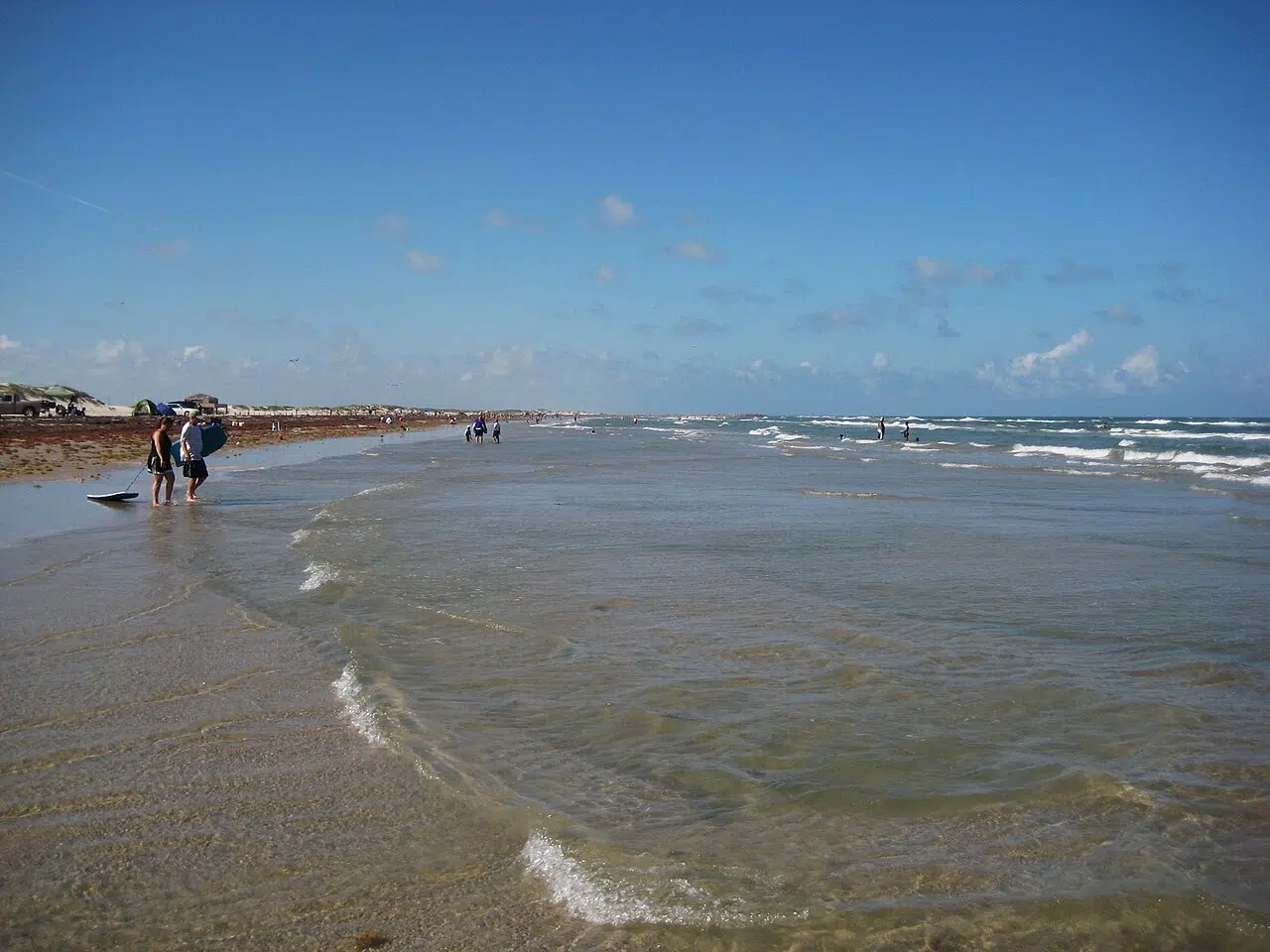
Liveon001 ©Travis Witt, Mustang Island, CC BY-SA 3.0
Mustang Island and Padre Island have long histories of shipwrecks, storms, and beachcombing. Before modern navigation, vessels could easily run aground along this coast.
For generations, people walking the beach found pieces of wreckage, driftwood, metal, and sometimes coins or other artifacts. These discoveries helped create a culture of coastal treasure stories.
Padre Island, in particular, has a strong connection to real maritime history because of the 1554 Spanish shipwrecks. The island’s long, narrow shape made it a dangerous barrier for ships driven off course by storms.
Treasure stories from this area often carry a different mood than the Lafitte legends. They are less about a pirate burying gold and more about the sea taking a ship and slowly giving pieces of it back.
Why People Still Love Pirate Gold Stories
Pirate gold stories continue to fascinate people because they combine history with possibility. They invite a simple question: what if something is still out there?
The Texas Gulf Coast makes that question easy to ask. Beaches change after storms. Sand dunes move. Old channels close. New cuts open. What looks ordinary one year may reveal something unusual the next.
There is also something personal about treasure stories. They make history feel close. A person standing on a Texas beach can imagine ships offshore, lanterns in the distance, and men moving cargo under cover of darkness.
That sense of connection keeps the stories alive, even when evidence remains thin.
The Responsible Way to Think About Treasure
Modern treasure hunting is not as simple as grabbing a shovel and searching the beach. Many coastal areas are protected by state and federal laws. Shipwrecks, artifacts, and archaeological sites may belong to the public, the state, or protected historical collections.
Removing artifacts can damage historical evidence. Once an object is taken from its location without proper recording, much of its meaning can be lost.
A coin in a display case is interesting. A coin found in a carefully studied site can tell a much bigger story. It can help date a wreck, identify trade routes, or connect people to a specific event.
Anyone interested in coastal history should respect protected areas, report important finds, and leave artifacts where laws require them to remain.
What Is Real and What Is Legend?
The Texas Gulf Coast has real treasure history. The 1554 Spanish shipwrecks near Padre Island prove that valuable cargo did end up in Texas waters. Jean Lafitte’s Galveston settlement also proves that privateering and smuggling shaped the coast’s past.
The buried pirate gold stories are harder to confirm. Lafitte may have had wealth. He may have hidden goods. His men may have used secret storage places. Yet no confirmed treasure chest has settled the question.
That uncertainty does not make the stories worthless. Legends can preserve memory. They can point people toward real history. They can inspire research into old maps, ship records, archaeology, and coastal communities.
The key is to enjoy the mystery while respecting the facts.
A Coastline Full of Stories
Pirate gold stories along the Texas Gulf Coast are part history, part folklore, and part coastal imagination. They grew from real danger, real trade, real shipwrecks, and real people who lived outside the law.
Galveston gave Texas its most famous pirate figure in Jean Lafitte. Padre Island gave Texas one of its most important shipwreck stories. Bolivar, Matagorda, Mustang Island, and other coastal places added their own rumors and local legends.
The gold may never be found. In some cases, it may never have existed in the way the stories claim. Even so, the search for answers has value.
These stories remind us that the Texas coast was once a wild edge of empires, trade routes, storms, and ambition. Every stretch of sand has seen change. Every bay has carried secrets. And every old treasure tale, true or not, keeps a piece of Gulf Coast history alive.

Comments (0)
No comments yet. Be the first to share your thoughts.
Leave a comment