



Image: Carl Lender, Pinetop Perkins 1, CC BY 2.0
You can explore the remarkable influence of Pinetop Perkins on Austin’s blues scene and the genre at large. Beginning with the guitar and later shifting to the piano, Pinetop’s sounds were shaped by Delta blues and embody a legacy stretching from his days with Muddy Waters to an influential solo career.
Relocating to Austin, he invigorated the local community with mentorship and performances. Discover how this blues legend’s path unfolded and its lasting impact.
Early Life and Musical Influences
Although Pinetop Perkins is celebrated as a blues pianist, his musical path began with the guitar. Growing up on Honey Island Plantation near Belzoni, Mississippi, you’d find young Pinetop immersed in the rich Delta blues culture.
During his early life, he strummed the guitar, drawing inspiration from local musicians and the vibrant musical environment around him. His initial professional gig was with blues legend Robert Nighthawk, which honed his blues expertise.
However, Pinetop’s musical influences extended beyond the guitar. Clarence “Pine Top” Smith’s “Pine Top’s Boogie Woogie” deeply resonated with him, ultimately shaping his artistic identity.
The boogie woogie style and Smith’s recordings guided him toward the piano, marking the beginning of his legendary impact on the blues genre.
Transition From Guitar to Piano
In the world of blues, few stories are as compelling as Pinetop Perkins’ shift from guitar to piano. At the outset, Perkins played guitar alongside the legendary Robert Nighthawk.
However, a knife injury to his left arm forced him to abandon the guitar and switch to piano. Inspired by local pianists and the sounds of Clarence “Pine Top” Smith, Perkins adopted the name “Pinetop” and immersed himself in the piano’s vibrant tones.
His career as a pianist took off in the 1940s when he performed on radio broadcasts with Nighthawk and Sonny Boy Williamson II. By 1950, he recorded his first piano session with Nighthawk in Helena, Arkansas.
Perkins’ version of “Pinetop’s Boogie Woogie” for Sun Records in the early 1950s solidified his role in blues history.
Breakthrough With Muddy Waters
Pinetop Perkins’ mastery of the piano set the stage for his next big leap in the blues world.
In 1969, he joined Muddy Waters’ band after the departure of Otis Spann, marking a pivotal moment. This collaboration brought Perkins international acclaim. Through extensive touring and recording, he elevated his stature within the blues community.
His signature piano style—melding Delta blues with postwar urban blues—added a powerful layer to Waters’ sound. Perkins recorded several albums with Waters, further solidifying his reputation as a top-tier blues pianist.
He remained with the band until 1980, when he left to co-found the Legendary Blues Band, continuing to shape and uplift the genre with his timeless skills.
Launching a Solo Career
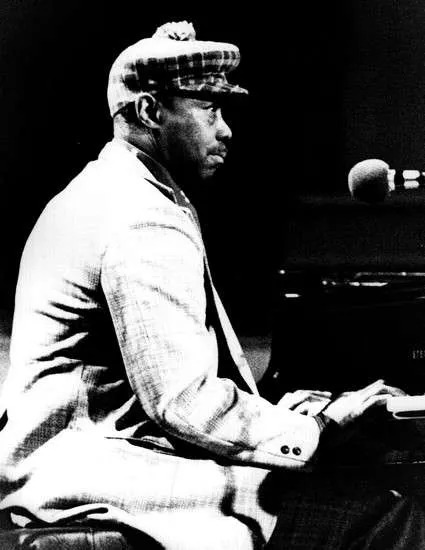
Image: Lioneldecoster, Pinetop Perkins 2, CC BY-SA 3.0
Launching a solo career at the age of 75, Pinetop Perkins defied expectations and proved that age is no barrier to creative excellence.
After forming the Legendary Blues Band in 1980, he released his first solo album in 1988, marking the start of an extraordinary solo journey. Over the next two decades, Perkins recorded more than fifteen albums, earning widespread acclaim and a dedicated fan base.
His blues piano mastery was on full display, anchoring him as a mainstay of traditional blues. In 2011, he won the Grammy Award for Best Traditional Blues Album for Joined at the Hip, further affirming his legacy.
Perkins’ solo career not only celebrated his talent but also inspired younger musicians to carry on the blues tradition.
Impact on the Blues Community
Though already revered, Pinetop Perkins’ move to Austin in 2003 rejuvenated the city’s blues community. His legendary stature inspired musicians and fans alike, adding energy to Austin’s renowned live music scene.
Perkins’ approachable style during shows—often at Antone’s Nightclub—helped foster deep community ties. More than a performer, he was a mentor, nurturing the next generation of blues talent and reinforcing the cultural roots of the genre.
Notable impacts include:
- Mentoring: Perkins guided up-and-coming artists with wisdom and encouragement.
- Community Presence: His birthday celebrations at Antone’s became annual highlights.
- Unmatched Work Ethic: Even in his 90s, he performed 30 to 40 shows a year.
- Cultural Stewardship: He ensured blues traditions were passed down with care and reverence.
Legacy and Recognition
A titan in blues history, Pinetop Perkins left an indelible legacy that resonates to this day. His influence on boogie woogie, Delta, and Chicago blues is widely acknowledged.
His 2011 Grammy Award for Joined at the Hip was a crowning achievement of his late solo work. More importantly, the Blues Foundation renamed their piano award the “Pinetop Perkins Piano Player of the Year”, a lasting tribute to his excellence.
The Pinetop Perkins Foundation, based in Clarksdale, Mississippi, continues to honor his legacy by providing blues education to young musicians. Annual tributes at Antone’s in Austin further ensure that Pinetop’s spirit lives on, inspiring all who cherish blues music.
Pinetop Perkins’ Role in Austin’s Music Scene
When Pinetop Perkins relocated to Austin in 2003, he immediately became a cornerstone of the city’s blues culture. His presence inspired admiration and collaboration, transforming venues like Antone’s into hubs of blues reverence.
His mentorship helped develop Austin’s music talent, while his annual birthday shows became iconic celebrations of blues heritage. Fans were drawn not only to his piano brilliance but also his down-to-earth nature.
Highlights of Pinetop’s Austin legacy include:
- Inspiration: He mentored rising artists, leaving a lasting impression.
- Community Events: His birthday parties drew musicians and fans citywide.
- Unwavering Dedication: Despite his age, he performed regularly, never losing his passion.
- Cultural Bridge: He helped connect the roots of the Delta blues with Austin’s modern music scene.

Comments (0)
No comments yet. Be the first to share your thoughts.
Leave a comment