


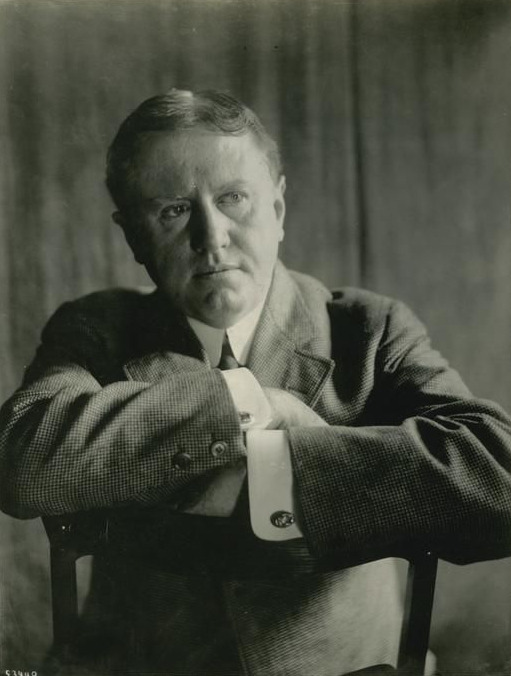
O. Henry, born William Sydney Porter, was an Austin author whose short stories have charmed generations with their surprise endings and ironic twists. He explored the lives of ordinary people in works like Cabbages and Kings, crafting stories with wit and empathy.
His experiences, including time in prison, shaped his narrative style. O. Henry’s influence extends from literature to film. Uncover how his storytelling continues to resonate and inspire today.
Early Life and Education
Born William Sydney Porter, O. Henry’s early life in Greensboro, North Carolina, was steeped in storytelling and literature. His father and grandmother fostered a love for reading that would shape his future literary talents.
By 1876, he had completed elementary school and further developed these skills at Lindley Institute.At 19, he became a licensed pharmacist, working at his uncle’s drugstore. This practical experience honed his attention to detail and later informed some of his stories.
After moving to Austin in 1884, he immersed himself in the local culture and began capturing the spirit of everyday life through storytelling. His varied experiences and occupations deeply influenced his writing, making O. Henry a master of character and plot.
Journey to Texas
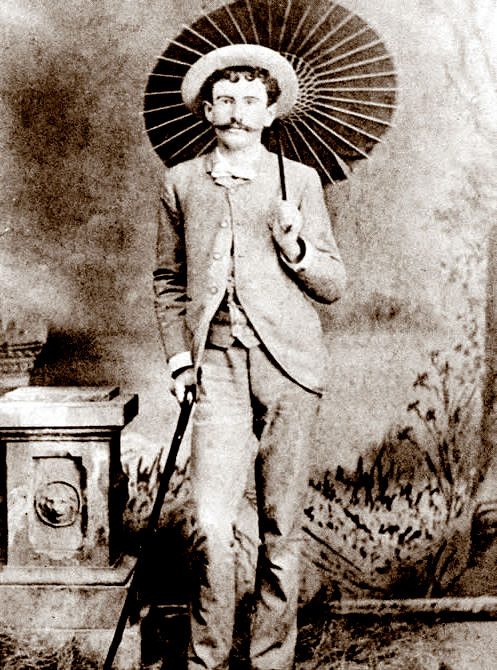
When William Sydney Porter, later known as O. Henry, arrived in Texas in March 1882, he sought better health and new opportunities. He first worked on a sheep ranch near Sonora, Texas, where he learned Spanish and German, enriching the linguistic and cultural range of his later stories.
Settling in Austin by 1884, he worked as a draftsman at the Texas General Land Office and later as a bank teller at the First National Bank of Austin. These experiences exposed him to diverse people and scenarios that later fueled his fiction. His marriage to Athol Estes in 1887 and the birth of their daughter, Margaret, in 1889 added emotional depth to his writing. However, his life changed dramatically when embezzlement charges surfaced in 1896 during his time at the bank, adding complexity to the moral dilemmas featured in his stories.
Legal Troubles and Imprisonment
Despite his literary promise, O. Henry faced serious legal troubles. In 1896, he was indicted for embezzling $854.08 from the First National Bank of Austin. To avoid prosecution, he fled to Honduras, where he stayed for several months. After learning that his wife was terminally ill, he returned to the U.S. in early 1897 and surrendered to authorities.
He was sentenced on February 17, 1898, to five years at the Ohio Penitentiary in Columbus. During his imprisonment, he published 14 stories under pseudonyms, including the now-iconic O. Henry. Due to good behavior, he was released early on July 24, 1901, after serving just over three years. This difficult period marked the beginning of his most prolific phase as a writer.
Writing Career and Style
O. Henry’s professional writing career accelerated with the publication of Cabbages and Kings in 1904, establishing him as a master of the short story. Living in New York City, he chronicled urban life with humor, irony, and unexpected endings. His narratives often explored love, sacrifice, and moral complexity.
What defines his style:
- Prolific Output: From 1903 to 1906, he wrote a story nearly every week for the New York Sunday World.
- Witty Dialogue: His characters are known for sharp, humorous exchanges.
- Vivid Imagery: He captured the energy and diversity of early 20th-century urban life.
- Moral Lessons: His stories explore the human condition and social dynamics with empathy and insight.
Notable Works and Themes
Beyond his unique voice and productivity, O. Henry’s best-known works—The Gift of the Magi, The Ransom of Red Chief, and A Retrieved Reformation—remain literary staples. These stories explore universal themes of love, generosity, redemption, and the contrast between rich and poor.
Each narrative captivates with a twist ending, inviting readers to reflect on their own values and assumptions. Set primarily in New York City, his tales mirror the cultural and moral tensions of his time while maintaining timeless emotional relevance. His characters’ struggles are relatable, making his work both enduring and widely loved.
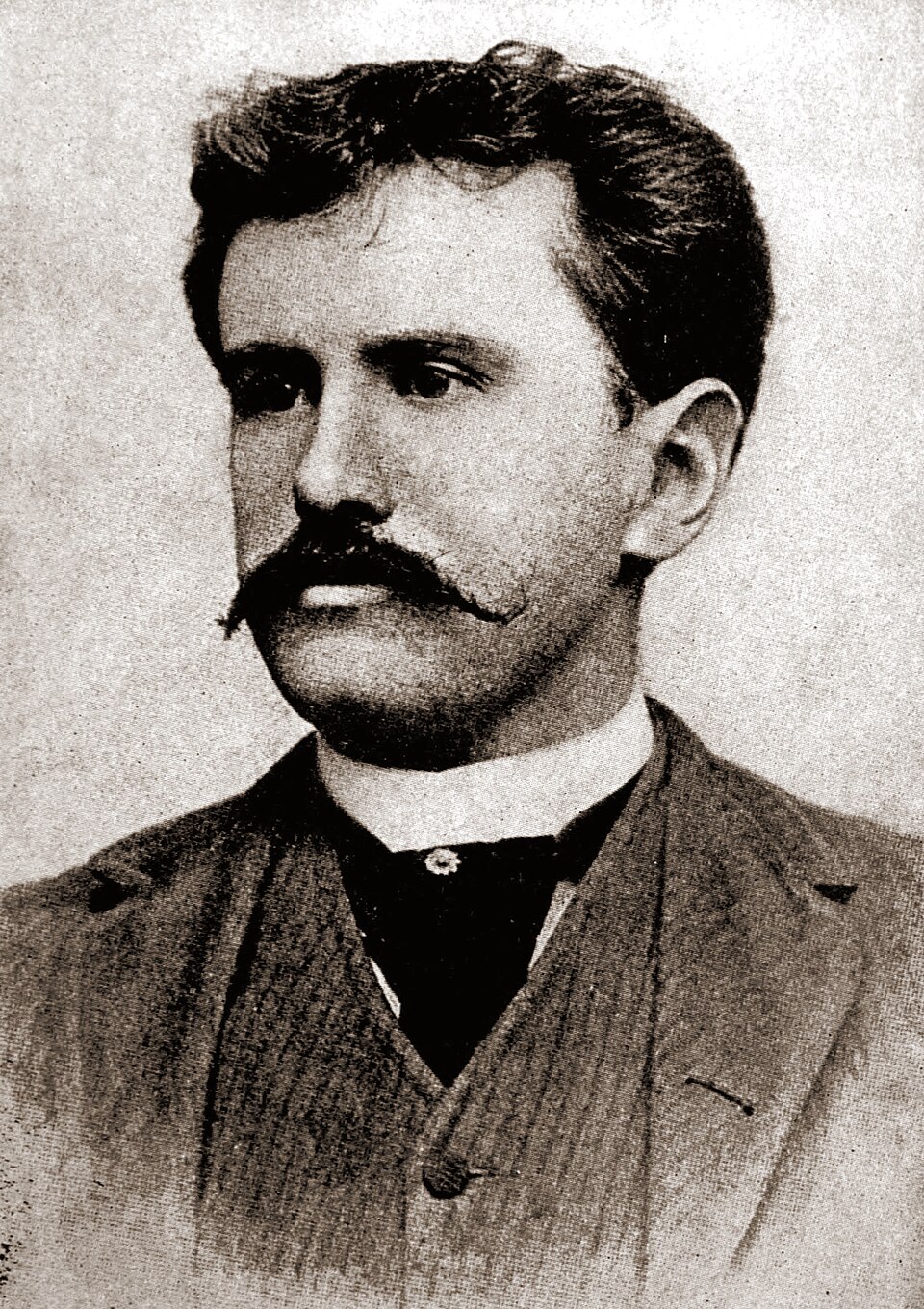
Legacy and Cultural Impact
If you explore the legacy of O. Henry, you’ll find his influence stretches across literature, cinema, and popular culture.
- Literary Influence: His twist-ending structure became a standard in short fiction, influencing generations of writers.
- Cinematic Impact: His stories have been adapted in both Hollywood and Bollywood, attesting to their global resonance.
- Cultural Themes: His explorations of irony, humility, and kindness continue to inspire empathy in modern audiences.
- Lasting Recognition: The O. Henry Prize, established in 1919, honors exceptional short fiction in his name.
Commemorations and Honors
Commemorations of O. Henry’s work ensure his legacy continues to be celebrated. The O. Henry Award, founded in 1919, remains one of the most prestigious prizes for short fiction. In 2012, the U.S. Postal Service issued a commemorative stamp to mark the 150th anniversary of his birth.
Austin honors him with landmarks like O. Henry Middle School and the O. Henry Museum, located in his former residence. Although his conviction still stands, applications for a posthumous pardon have been filed, aiming to reflect his rehabilitated legacy. The Library of America’s 2021 volume, collecting 101 of his best stories, further cements his status as a literary icon, ensuring his relevance for new generations.

Comments (0)
No comments yet. Be the first to share your thoughts.
Leave a comment