


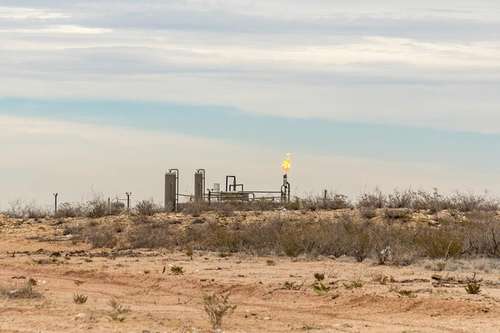
If you have ever driven across West Texas, you know the landscape can feel endless. Flat land. Big sky. Long highways. Then, almost suddenly, Midland and Odessa appear. These neighboring cities sit at the center of one of the most productive oil regions in the world, the Permian Basin. For more than a century, oil has shaped their fortunes, their culture, and their reputation as classic boomtowns.
Yet Midland and Odessa do not quite fit the usual boom-and-bust story. Many oil towns rise fast and then fade just as quickly when prices crash or wells run dry. Midland and Odessa have certainly felt the highs and lows, sometimes sharply. But they never fully went bust. Instead, they adapted, diversified, and rebuilt, again and again.
This is the story of how two West Texas cities learned to ride the cycles of oil and come out standing.
Before Oil Changed Everything
Long before oil rigs dotted the horizon, this part of Texas was cattle country. Ranching defined the early economy. Midland began as a stop on the Texas and Pacific Railway in the 1880s. It served as a shipping point for cattle, cotton, and wool. Odessa followed a similar path, founded a bit later but also tied closely to the railroad.
Life was slow and difficult. Water was scarce. Summers were brutal. Dust storms were common. These were practical towns built around survival and trade, not glamour. No one imagined they would one day become symbols of oil wealth.
That changed in the early twentieth century.
The Permian Basin Awakens
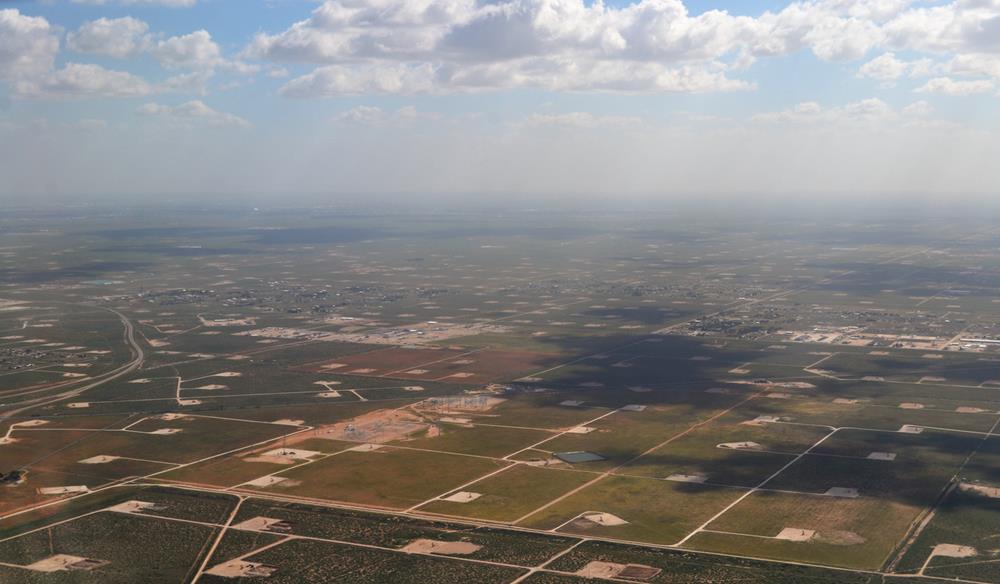
Oil exploration began in the Permian Basin in the 1920s. Early discoveries were promising, but the real turning point came in the 1940s and 1950s. Major oil fields were developed, and production expanded rapidly. Midland and Odessa found themselves sitting on top of a vast energy reserve.
The population surged. Workers arrived from across Texas and beyond. Housing construction exploded. Downtowns filled with banks, equipment suppliers, diners, and bars. Money flowed fast, and optimism ran high.
Midland, in particular, gained a reputation for wealth and ambition. Oil executives built large homes and invested in cultural institutions. Odessa developed more as a blue-collar oilfield town, rougher around the edges but deeply tied to the industry.
The boom was real, and so was the sense that it might last forever.
First Lessons in Bust

The oil industry is never stable for long. Price drops and production cuts hit Midland and Odessa hard at different points, especially during the 1980s oil crash. When global oil prices collapsed, drilling slowed dramatically. Companies closed offices. Workers packed up and left.
Vacancy signs appeared. Home values dropped. Downtown buildings emptied out. For a moment, it seemed like the classic boomtown ending had arrived.
But something different happened here.
Unlike towns built around a single short-lived oil field, Midland and Odessa were tied to a massive basin with long-term potential. Even when drilling slowed, oil did not disappear. Companies scaled back rather than vanished entirely. Support industries, from equipment repair to transportation, continued operating at reduced levels.
The cities shrank, but they did not collapse.
Institutions That Anchored the Cities
One reason Midland and Odessa avoided total bust was the presence of stabilizing institutions. Schools, hospitals, and local governments had grown alongside the oil industry and did not simply disappear during downturns.
Midland Independent School District and Ector County ISD remained major employers. Medical centers expanded to serve the region, not just oil workers. Midland College and later the University of Texas Permian Basin provided education and jobs that were not tied directly to drilling activity.
These institutions helped keep families in place even when oil jobs declined. Teachers, nurses, administrators, and students stayed. That stability mattered more than it might seem at first glance.
Learning to Plan for Cycles
Over time, local leaders learned an important lesson. Oil would always be cyclical. Planning had to account for that reality.
Cities began saving during good years and tightening budgets during downturns. Infrastructure projects were paced more carefully. Some of the flashy excesses of earlier booms were replaced with longer-term investments in roads, utilities, and public facilities.
Midland took particular pride in building a business-friendly environment that appealed to corporate offices and service companies. Odessa leaned into its role as a logistics and operations hub for oilfield activity. Each city found its own way to stay relevant even when drilling slowed.
The goal was no longer to outrun the cycle. It was to survive it.
The Shale Revolution Changes the Game
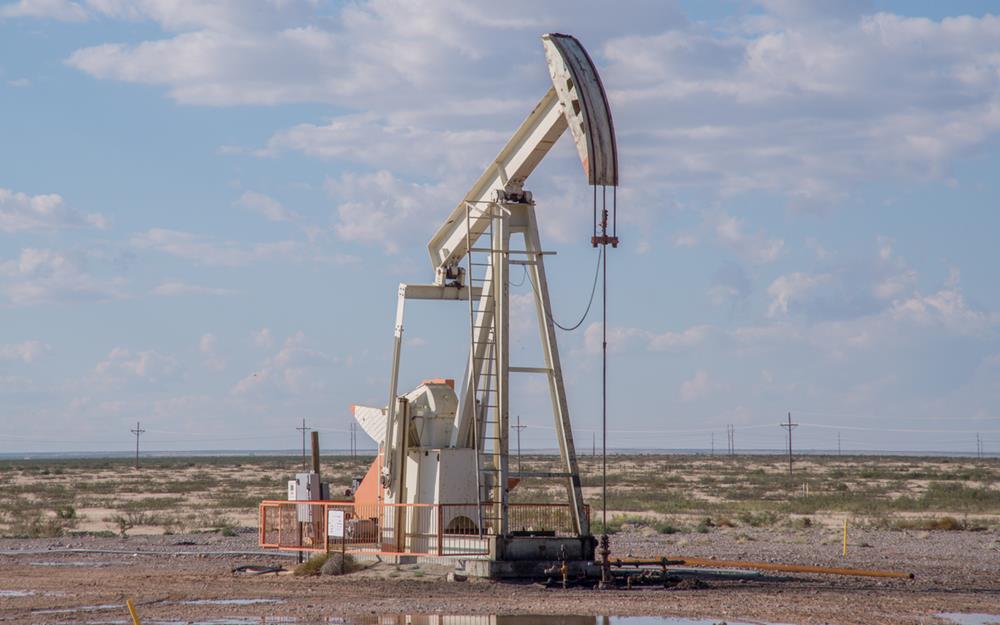
The 2000s brought a new chapter. Advances in hydraulic fracturing and horizontal drilling unlocked enormous reserves in the Permian Basin. Suddenly, fields once considered marginal became highly profitable.
Another boom arrived, bigger and faster than many before it. Midland and Odessa saw rapid population growth. Traffic increased. Hotels filled up. Rents soared. New restaurants and retail followed close behind.
This time, though, there was more awareness. Residents remembered past crashes. City planners talked openly about preparing for the next downturn even as cranes filled the skyline.
When oil prices dropped again in the mid-2010s, the impact was real. Layoffs returned. Construction slowed. But once again, the cities did not empty out. Production rebounded faster than expected, helped by lower drilling costs and improved efficiency.
The pattern repeated, but with less panic.
Culture Shaped by Resilience
Living in Midland or Odessa shapes a certain mindset. People understand that good times do not last forever, and neither do bad ones. This attitude shows up in everyday life.
Many residents have lived through multiple cycles. They remember neighbors leaving and later returning. They know how to budget carefully, even when paychecks are large. Businesses often plan with flexibility, ready to expand or scale back as conditions change.
This culture of resilience is one of the region's defining traits. It is not flashy, but it is deeply practical.
Beyond Oil, But Not Without It
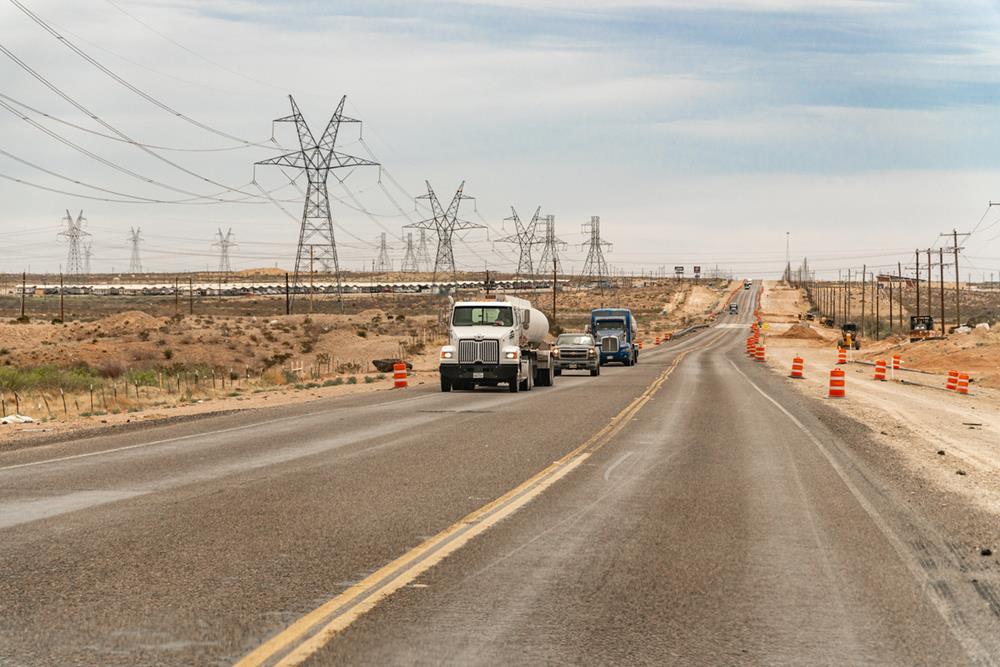
Despite repeated efforts to diversify, oil remains the backbone of both cities. Energy companies fund schools, charities, and public projects. Sales tax revenue rises and falls with drilling activity. Even industries that seem unrelated often depend indirectly on oil money.
At the same time, diversification has made real progress. Healthcare has become a major employer. Education continues to grow. Retail and hospitality have expanded as populations increased. Technology and data services linked to energy operations now play a role as well.
Neither Midland nor Odessa pretends it can fully separate from oil. Instead, the goal has been balance. Oil drives growth, but other sectors help cushion the fall.
Two Cities, One Region, Different Personalities
Midland and Odessa are often grouped together, but they have distinct identities.
Midland is frequently described as more corporate and polished. It hosts regional offices, financial services, and cultural institutions like museums and theaters. It tends to attract executives and long-term residents tied to management roles.
Odessa has a reputation for grit and toughness. It is closely connected to field operations, logistics, and hands-on work. The city's energy feels more industrial, shaped by shift work and round-the-clock activity.
These differences actually strengthen the region. Together, the two cities form a complete ecosystem that supports everything from drilling decisions to field execution.
Weathering Recent Challenges
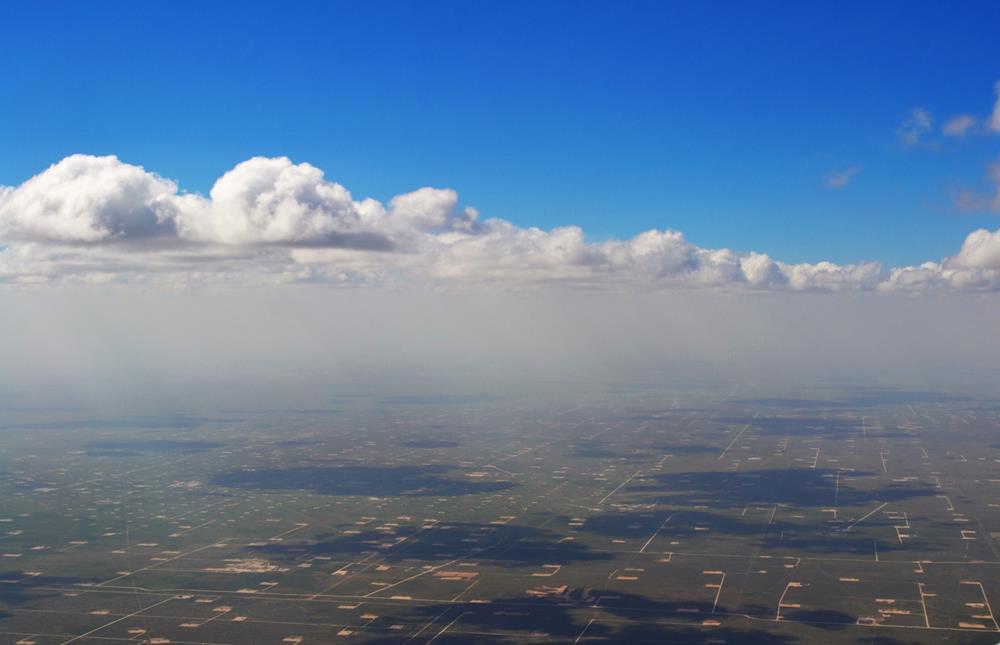
In recent years, Midland and Odessa have faced challenges beyond oil prices. Housing shortages, infrastructure strain, and environmental concerns have all come into focus. Rapid growth has tested schools, roads, and healthcare systems.
The COVID-19 pandemic added another layer of uncertainty, briefly disrupting energy markets and local businesses. Yet, once again, the region adapted. Oil production rebounded. Construction resumed. Population levels held steady.
The cities did not escape hardship, but they avoided the kind of long-term decline seen elsewhere.
Why They Never Fully Went Bust
So why did Midland and Odessa survive when other boomtowns faded?
First, the Permian Basin itself is unusually large and productive. Oil did not simply run out. It became cheaper or harder to extract at times, but it remained valuable.
Second, both cities developed institutions that extended beyond oil. Schools, hospitals, and colleges created economic anchors.
Third, experience taught caution. Leaders and residents learned to expect cycles and plan accordingly.
Finally, the people themselves played a role. Workers who arrived for oil jobs often stayed, put down roots, and built lives that did not vanish with the next price drop.
Looking Ahead
The future of Midland and Odessa will still be tied to energy. Even as renewable sources grow, oil and gas remain central to global markets, and the Permian Basin remains key to U.S. production.
At the same time, the region continues to evolve. New technologies, environmental standards, and workforce needs are shaping what the next boom looks like. Growth may be steadier, less explosive, but still significant.
What seems clear is this. Midland and Odessa are no longer fragile boomtowns waiting for the next collapse. They are seasoned cities that understand their strengths and their risks.
They have boomed many times. They have stumbled more than once. But they have never fully gone bust, and that may be their most impressive achievement of all.
Comments (0)
No comments yet. Be the first to share your thoughts.
Leave a comment