


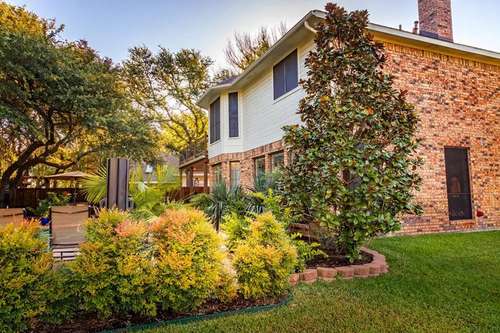
Landscaping in Texas can feel demanding. Long stretches of heat, unpredictable rainfall, and soil that changes from yard to yard make traditional landscaping harder to maintain than many homeowners expect. Native Texas plants offer a practical solution. These plants developed in Texas conditions long before modern lawns existed, which means they are naturally prepared for what the climate delivers.
Designing a yard with native plants reduces water use, lowers maintenance, and creates a landscape that feels at home in its surroundings. It does not mean sacrificing color or visual interest. In many cases, native landscapes feel fuller, more dynamic, and more seasonal than yards built around imported plants.
This article explains why native Texas plants work so well, how to design a low-maintenance yard that still looks intentional, and which types of plants perform reliably across the state.
Why Native Texas Plants Work So Well
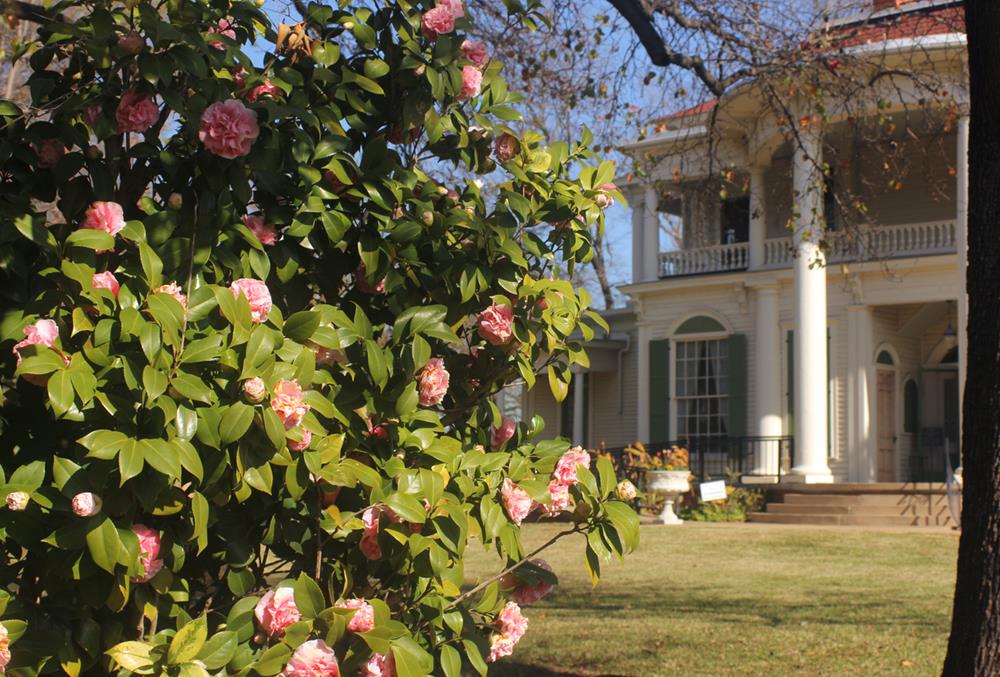
Native plants are species that grew naturally in Texas before widespread development and irrigation. Over thousands of years, they adapted to local rainfall patterns, temperature extremes, and soil conditions. That long adaptation gives them an edge in home landscapes.
One of the most noticeable benefits is water efficiency. Once established, many native plants survive primarily on natural rainfall. This reduces irrigation needs and helps homeowners stay within water restrictions during dry periods.
Native plants also tend to resist local pests and diseases more effectively than non-native species. Because they evolved alongside native insects and wildlife, they are less likely to require frequent chemical treatments.
Maintenance needs are generally lower as well. Many native plants hold their natural shape without constant pruning. Fertilizer is rarely necessary, and overuse can actually weaken them.
For many homeowners, the appeal comes down to a few practical advantages that add up over time:
- Reduced water use once plants are established
- Fewer pest and disease problems
- Less frequent pruning and fertilizing
- Better support for birds, pollinators, and beneficial insects
Beyond ease of care, native plants contribute to the larger environment. They provide food and shelter for wildlife, helping residential landscapes function as part of a healthy local system.
Understanding Texas Growing Regions and Conditions
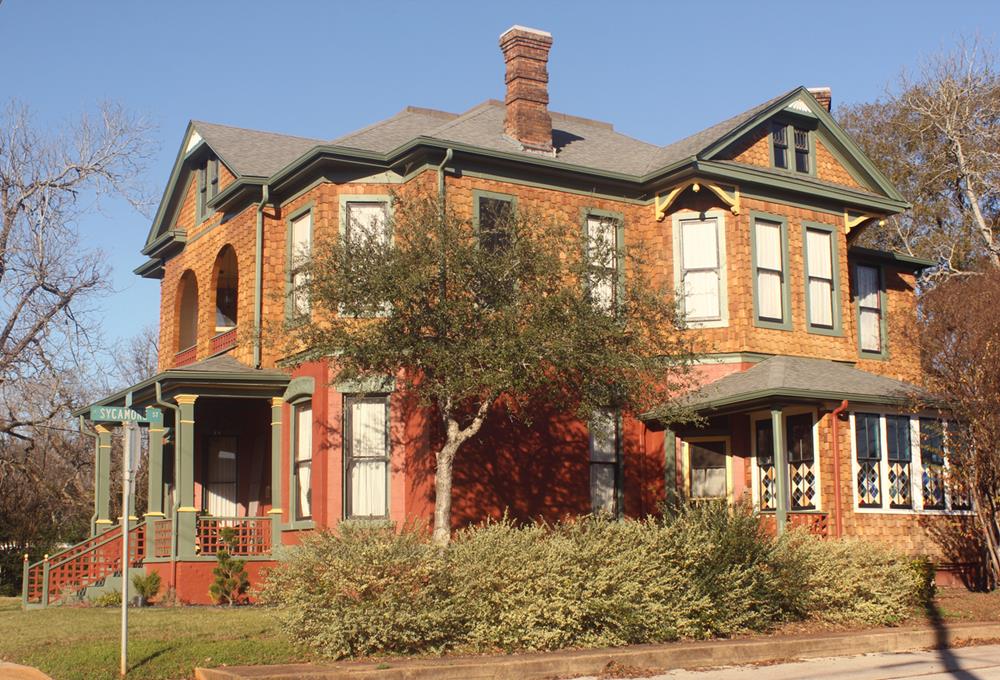
Texas is not a single growing environment. The state includes forests, prairies, deserts, coastal plains, and rocky hill country. Knowing which region you live in helps guide better plant choices.
East Texas typically receives more rainfall and has more acidic soil. Plants adapted to woodland settings perform well there. Central Texas and the Hill Country are defined by limestone soils, intense summer heat, and periodic drought. South Texas has long growing seasons and strong sun exposure, while West Texas is much drier with wide temperature swings.
In addition to the regional climate, each yard has its own conditions. Sun exposure, drainage, slope, and soil composition all affect how plants perform. Observing your yard through different seasons provides valuable insight before planting.
Landscaping choices are also part of a bigger picture of outdoor comfort and curb appeal, especially in a hot climate, as outlined in our guide to outdoor and exterior services for Texas homes.
Designing a Low-Maintenance Native Landscape

Successful native landscapes start with thoughtful design. Instead of planting one area at a time without a plan, it helps to think about how the entire yard functions.
Begin by identifying areas that already struggle. Sloped sections that dry out quickly, shady spots where grass fails, or low areas that collect water are all good candidates for native plants. These plants often thrive where turf struggles.
Early planning usually comes down to a few simple observations:
- Where sun and shade fall throughout the day
- Which areas drain quickly or hold moisture
- Spots where grass consistently fails to thrive
Grouping plants with similar water and light needs simplifies care. When plants require the same level of irrigation, watering becomes more efficient and plant health improves. This approach also prevents overwatering drought-tolerant species.
Reducing lawn size is one of the most effective ways to lower maintenance. Traditional turf typically requires more water, mowing, and fertilization than native planting beds. Replacing unused lawn areas with native plants creates visual interest while reducing ongoing work.
Mulch plays an important role in low-maintenance landscapes. A layer of organic mulch helps conserve moisture, regulate soil temperature, and suppress weeds, especially during the first few years as plants establish.
Native Trees as the Foundation of the Yard
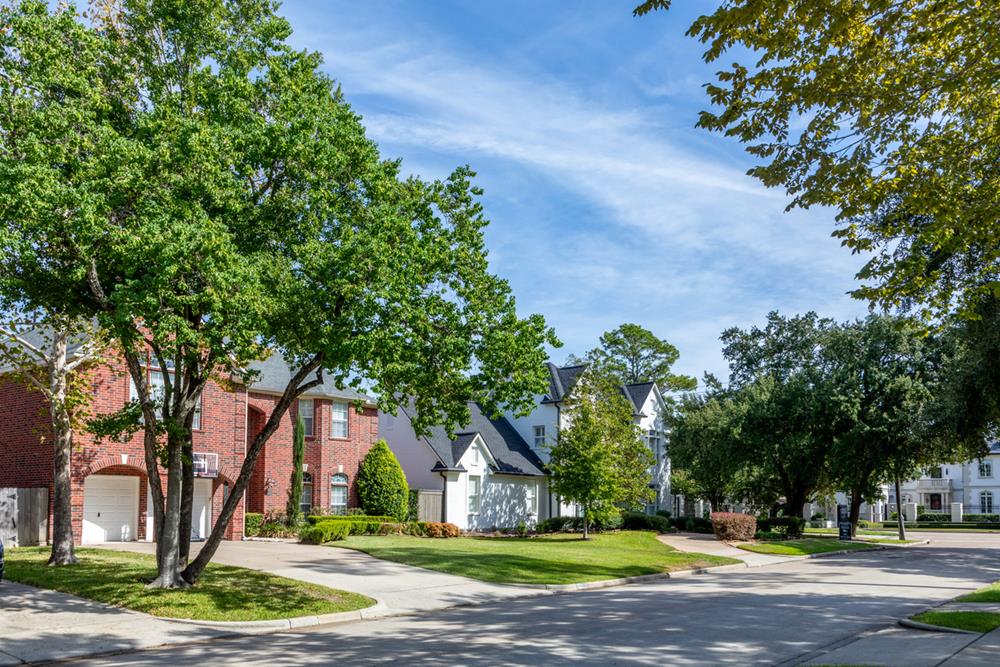
Trees provide structure, shade, and long-term stability. Native Texas trees are well suited for local conditions and offer benefits that extend beyond aesthetics.
Large shade trees like live oak help cool the landscape and reduce energy costs by shading homes and outdoor spaces. Cedar elm adapts well to urban environments and tolerates a wide range of soils. Texas red oak adds seasonal color in areas with well-drained soil, while Mexican plum works well in smaller yards where space is limited.
Native trees require consistent watering during their first year or two. Once roots are established, they usually need minimal supplemental water and little maintenance beyond occasional pruning.
Native Shrubs That Fit Their Space

Shrubs often create maintenance problems when they outgrow their planting areas. Native shrubs tend to maintain a balanced shape that requires less frequent trimming.
Texas sage is widely used for its silvery foliage and purple blooms that appear after rain. Yaupon holly adapts to sun or partial shade and works well as a foundation plant or natural screen. Flame acanthus produces bright flowers that attract hummingbirds and thrives in hot, dry conditions. Agarita offers evergreen foliage and early-season color, particularly in rocky soils.
When shrubs are placed with their mature size in mind, maintenance becomes far easier over time.
Perennials That Provide Ongoing Color
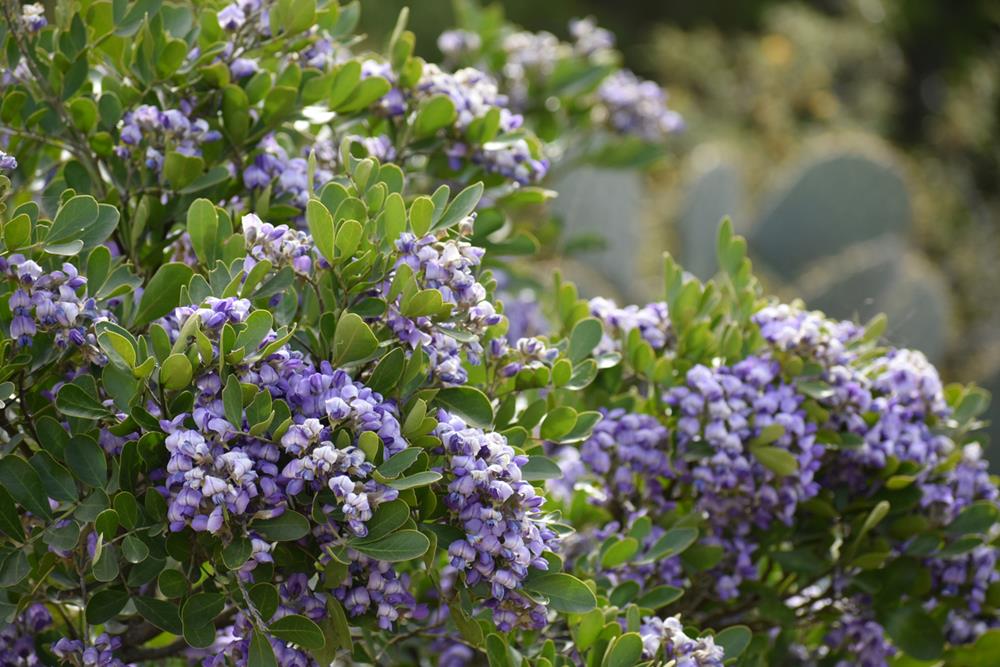
Native perennials return each year and form the backbone of colorful planting beds. They offer seasonal interest without the need for replanting.
Black-eyed Susan is a dependable bloomer that adapts to many soil types. Autumn sage flowers over long periods and attracts pollinators. Purple coneflower handles drought well and adds strong visual presence, while Gregg's mistflower provides fall color and performs well in partial shade.
Most native perennials only require a single annual cutback, usually in late winter, to prepare for new growth.
Native Grasses for Texture and Movement
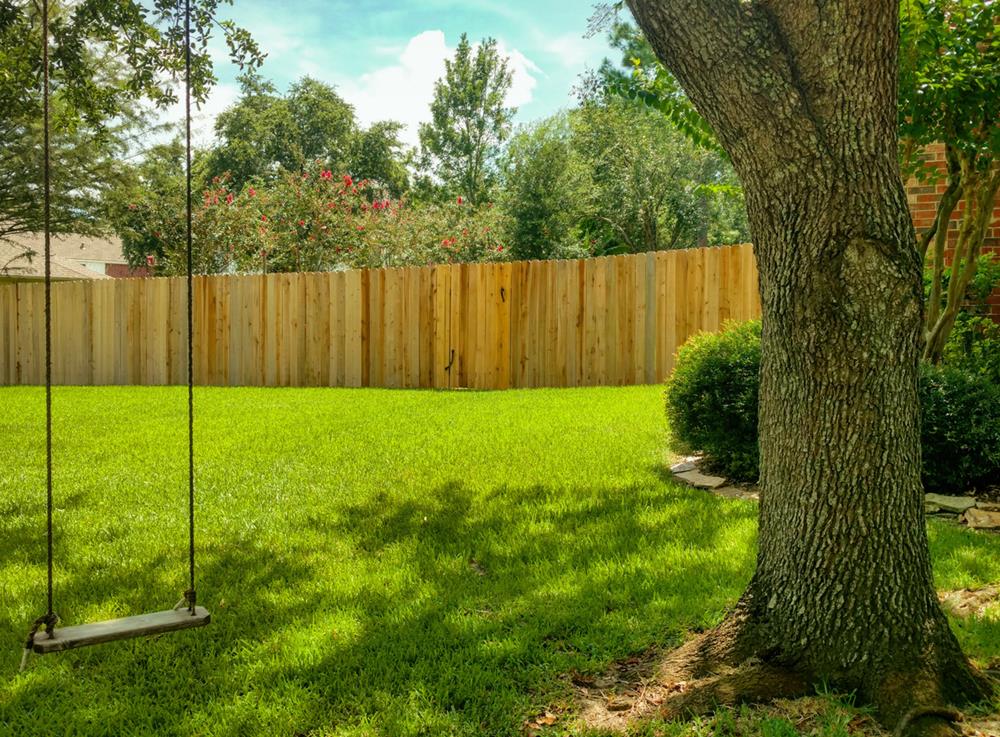
Grasses add movement and contrast to a landscape, especially when combined with flowering plants. Native grasses are particularly resilient in Texas conditions.
Little bluestem offers color changes throughout the year and tolerates poor soils. Gulf muhly produces soft pink plumes in fall and works well in mass plantings. Switchgrass fits larger spaces and provides wildlife habitat. Sideoats grama, the Texas state grass, performs reliably in heat and drought.
Annual trimming is typically all native grasses need to stay healthy.
Groundcovers That Reduce Lawn Dependence
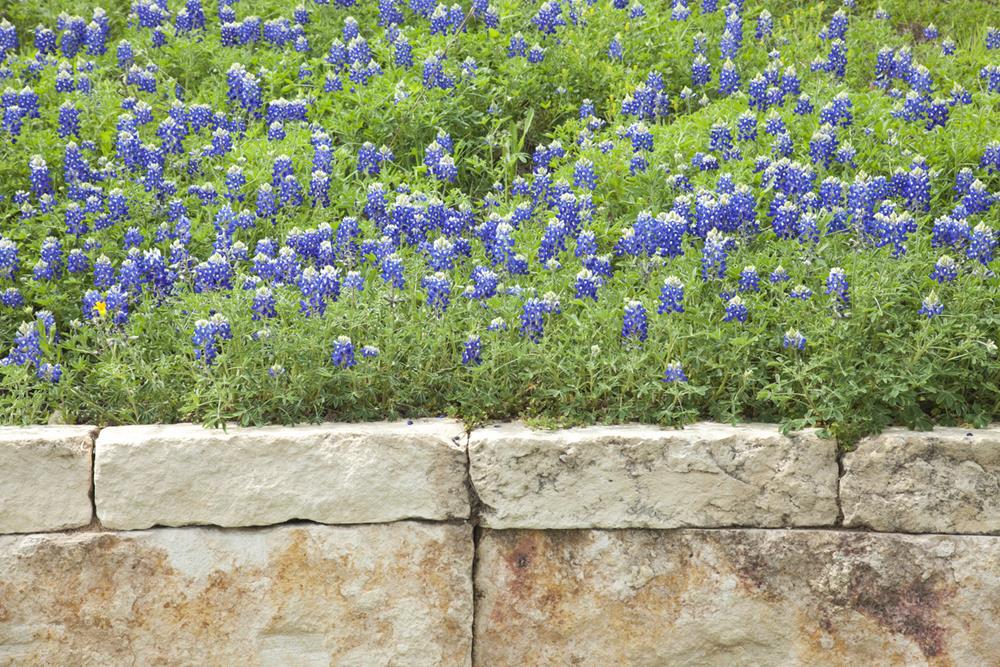
Groundcovers help replace traditional turf in areas where mowing and watering are difficult. Native groundcovers spread naturally and help suppress weeds.
Horseherb performs well in shaded areas and stays green during mild winters. Frogfruit tolerates light foot traffic and supports butterflies. Buffalo grass offers a low-input lawn alternative for sunny areas and requires far less water than conventional turf.
Using groundcovers strategically reduces overall yard maintenance while keeping spaces usable.
Establishing Native Plants Successfully
Even drought-tolerant plants need consistent care during their first growing season. Proper establishment is key to long-term success.
Early success usually depends on a few basic practices:
- Water deeply to encourage roots to grow downward
- Space watering sessions farther apart over time
- Pay attention during extreme heat or extended dry spells
As plants mature, irrigation can be reduced significantly. Many native plants eventually thrive with little to no supplemental watering.
What Long-Term Maintenance Really Looks Like
A native Texas landscape is not maintenance-free, but the work is manageable and predictable. Seasonal cleanup, light pruning, and occasional mulch refreshes are usually sufficient.
Weeds decrease as plants mature and fill in. Fertilizer is rarely needed, and avoiding excess inputs helps plants stay healthier.
A Yard That Works With Texas Weather
Landscaping with native Texas plants means working with local conditions instead of trying to override them. These plants handle heat, drought, and weather extremes far better than many imported species.
A low-maintenance yard does not have to feel sparse or unfinished. With thoughtful design and region-appropriate plant choices, native landscapes provide color, texture, and interest throughout the year.
Whether you replace a small section of lawn or redesign your entire yard, native Texas plants offer a practical path to a landscape that looks good and requires less ongoing effort.
Comments (0)
No comments yet. Be the first to share your thoughts.
Leave a comment