


Most folks who spend time in New Braunfels know about the Comal River, the sausage, the music, and the strong German roots that built the town. What many people never hear about is a village that once sat on the southwest side of the city. It was known as La Calera, a place that shaped the lives of hundreds of families and quietly influenced the character of the region. Today, the village is gone, yet the stories, memories, and footprints on the landscape remain.
La Calera was never a big town. It was never polished or wealthy. It was a community built through hard work and steady determination at a time when the Hill Country was changing with every passing year. Many current residents drive right past the spot where La Calera once stood without realizing that a lively village full of gardens, children, music, and family life used to fill the area. Learning its history feels like uncovering a hidden chapter in the story of New Braunfels.
Where the Village Began
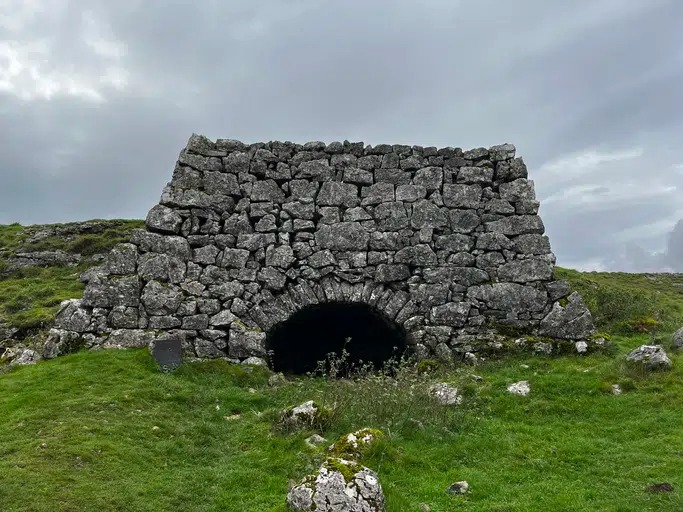
La Calera started in the early 1900s as a company village for the Dittlinger Lime Company. The company mined limestone and produced lime, which was a valuable material for construction and agriculture. The name “La Calera” comes from the Spanish word for lime kiln. It was an accurate label for a place built around the production of lime and the people who carried out the work.
The man behind the company, Hippolyt Dittlinger, knew the region well and understood the strength of the local limestone. He also needed dependable workers and knew that many Mexican families were looking for new opportunities in Texas during that era. The company offered steady work and a place to live, which brought a wave of families who would shape the village for decades.
Before long, La Calera grew into a close community. Workers lived near the plant, children played in the dusty open areas around the homes, and grandparents tended small gardens and shared what they grew. Daily life revolved around the rhythms of the plant and the needs of the families who called this place home.
What Everyday Life Looked Like
Life in La Calera was simple and structured. Houses were modest and often built with board and batten walls and corrugated metal roofs. Many did not have indoor plumbing. Water was drawn from nearby sources, and families made do with what they had. Even with limited materials, residents took pride in keeping their homes tidy and welcoming.
Gardens were a central part of life. Families raised vegetables like squash, beans, tomatoes, and peppers. Some kept chickens or goats. Others hunted local wildlife when times were lean. It was common to see rows of corn outside small homes, with children helping parents harvest whatever the family could grow.
Food was a group effort. If one family had extra beans, they shared. If another family hunted a possum or an armadillo, the meat might be divided among several neighbors. Even without much money, residents supported one another. Many families remember these years as a time of togetherness and community strength, even though living conditions were tough.
Children filled the village with noise and movement. Games were played in open lots, and stories were passed from one generation to the next. Spanish and English mixed in homes and on porches. The sound of laughter floated through the dusty roads between the houses. The village may not have had luxuries, but it had a strong sense of belonging.
Two Villages, Two Experiences
Just a short distance from La Calera stood another neighborhood known as the Anglo Village. This area housed managers and skilled workers, most of whom had German heritage. The difference between the communities was clear. The homes in the Anglo Village were larger and more comfortable, and the residents had more resources and opportunities.
There was an invisible boundary between the villages. Many Mexican American families in La Calera have shared memories of being unwelcome in the Anglo Village, even though both areas depended on the same industrial plant. These divisions shaped daily life and influenced where children played, where families shopped, and where gatherings took place.
Even with these social divides, La Calera maintained a strong identity. Families preserved their language, culture, and traditions. Community events centered on food, music, prayer, and family ties. Parents encouraged their children to work hard and pursue better opportunities through education and determination. This spirit helped many descendants of La Calera families move forward in life and establish new paths outside the village.
The Village Fades From the Map
Over time, the industrial landscape began to change. Technology improved, labor needs shifted, and the company village model slowly disappeared across Texas and the nation. La Calera followed the same pattern. As the years passed, families moved away, houses were abandoned or torn down, and new development reshaped the land.
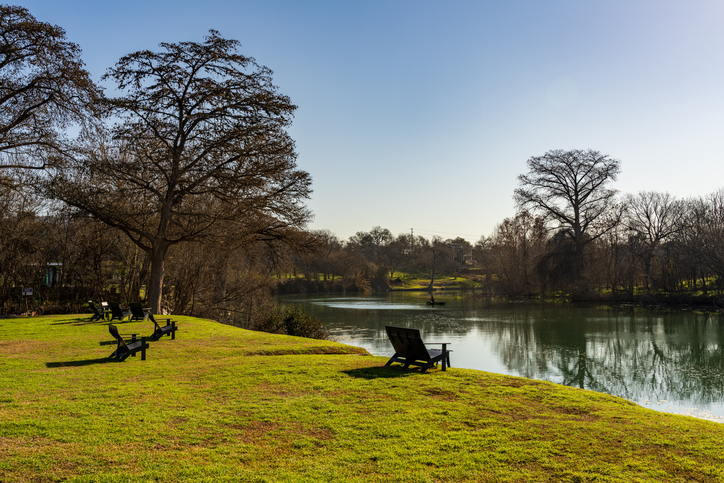
Today, the original structures are gone. The land is overgrown with brush and trees, and most visitors would never guess that nearly nine hundred people once lived in the area during the village’s peak. A few stone steps, bits of foundation, and scattered traces of past homes give silent hints about the life that once filled the area.
Even though the buildings have been lost, the stories remain strong. Families who grew up in La Calera continue to share memories with their children and grandchildren. These stories keep the village alive and preserve an important part of New Braunfels history.
Why La Calera Matters Today
La Calera represents a key chapter in the story of the Hill Country. It shows how Mexican American families shaped the region through hard work and resilience. It reminds us that history does not belong only to the large or well-known communities. Small villages, even ones that disappear with time, help define the character of a place.
Many residents of New Braunfels know the German history that built the city. That history is important and celebrated. Yet La Calera tells another part of the story: the story of Mexican families who formed a strong community, raised children, and supported one another with little more than determination and family bonds.
Recognizing La Calera helps create a more complete understanding of the city. It fills in gaps that were often overlooked. It gives credit to the labor and culture that helped shape the region. And it encourages people today to honor the stories that may not appear in textbooks but still matter deeply to local families.
Preservation Efforts and New Interest
In recent years, there has been renewed interest in documenting and preserving the story of La Calera. The Comal County Historical Commission worked to secure a Texas Historical Marker for the site. The marker has been approved and is expected to be installed soon. It will stand as a permanent reminder of the community and the families who lived there.
The Sophienburg Museum of History and Archives has also created an exhibit centered on La Calera. The exhibit began as part of Hispanic Heritage Month and is set to continue on a semi-permanent basis. Visitors can see photos, household items, maps, and personal memories that paint a picture of the village as it once existed.
These efforts show how important it is to preserve local history. By documenting places like La Calera, communities can honor the people who contributed to the region and make sure their stories are passed down.
Visiting the Area Today
The site of La Calera is quiet now, and visitors should arrive with the right expectations. The experience is less about what you can see and more about understanding what once stood there.
- No original buildings are standing on the property.
- Much of the area is covered with brush, trees, and natural growth.
- The appeal comes from knowing a thriving community once filled this quiet stretch of land.
- Walking the site with its history in mind can create a meaningful connection to the past.
- A new historical marker is planned and will make the location easier to identify.
- The marker will help visitors picture the former village and understand its place in the region’s story.
A Lasting Legacy Right Beneath the Surface
La Calera may no longer appear on maps, but it lives on through memories, photos, family histories, and the efforts of local historians. Many modern families in New Braunfels can trace their roots back to the village. Their grandparents and great-grandparents helped build the lime plant, kept gardens alive during dry seasons, raised children with hope, and created a culture of community strength.
When people learn about La Calera, they often say the same thing. They cannot believe such a large and lively place once stood there without them knowing it. That surprise shows why this story matters. There are still parts of Texas history waiting to be uncovered. La Calera is one of those stories.
It reminds us that history can sit quietly along familiar roads. It can hide in empty fields and wooded areas. It can live in the memories of families who still feel proud of where they came from.
La Calera may be gone, but its influence remains strong. It shaped the lives of the families who lived there, and those families helped shape New Braunfels itself. A village does not have to stay standing to matter. Sometimes the most meaningful stories are the ones you learn when you finally take a closer look.
Comments (0)
No comments yet. Be the first to share your thoughts.
Leave a comment