


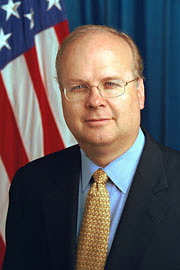
Karl Rove’s groundbreaking campaign techniques have shaped U.S. elections. As an Austin-based political advisor, he helped George W. Bush win governorship in Texas and the presidency. He pioneered data-driven campaigning, crafting winning strategies using computer models and grassroots mobilization.
His influence extended into the Bush Administration, and later as a political commentator. This legacy offers insights into political strategy, hinting at more tactics and collaborations waiting to be uncovered.
Early Career and Rise to Prominence
Despite the challenges of entering the political arena, Karl Rove’s career took off when he was elected Chairman of the College Republicans in 1973, thanks in part to backing from political strategist Lee Atwater.
This key moment marked the start of Rove’s influential role within the Republican Party. He showcased his fundraising skills early on as finance director for the Virginia GOP, raising more than $400,000.
Rove founded Rove and Company in 1981, strengthening the Republican presence in Texas. His relationship with the Bush family began in 1980 and grew as he helped George W. Bush secure the Texas governorship in 1994, later becoming chief strategist for Bush’s presidential campaign.
Strategic Innovations in Political Campaigning
While many political consultants relied on traditional outreach, Rove revolutionized campaigning by using data analytics and technology. He developed a computer model in 1992 to pinpoint the minimum winning coalition for candidates.
He embraced digital tools, growing the American Crossroads Senate Leadership Fund’s digital budget from 5% to 30%, highlighting the increasing importance of online voter outreach. His creation of the 72-Hour Task Force optimized get-out-the-vote efforts in the final days of elections.
The 2000 Presidential Election: A Turning Point
Rove’s strategic genius culminated during the 2000 presidential election, where he served as chief strategist for George W. Bush against Al Gore. The race came down to Florida, where Bush won by only 537 votes.
Rove’s targeted messaging and data-driven outreach were critical to mobilizing voters. The contested election ultimately resulted in a Supreme Court decision that affirmed Bush’s Electoral College win—solidifying Rove’s reputation as one of the most effective strategists in U.S. political history.
Influence in the Bush Administration
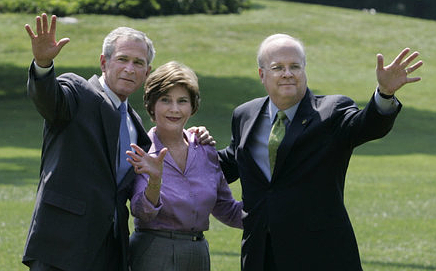
Within the Bush Administration, Rove became a central figure in both policy formation and political strategy. As Senior Advisor and Deputy Chief of Staff, he helped steer legislation and crafted Bush’s reelection plan in 2004.
Nicknamed “The Architect,” Rove’s strategic footprint was evident in education reform through the No Child Left Behind Act, and in enhanced interagency coordination. His ability to manage public perception helped the administration navigate complex national events.
Transition to Media and Political Commentary
After departing the White House, Rove became a Fox News contributor and launched a second act as a political commentator. His Wall Street Journal column showcases his continued influence and analytical depth.
Rove’s commentary has appeared in Forbes, Newsweek, and The Daily Beast, reflecting his authority in campaign strategy. He even co-teaches an online course on strategy with David Axelrod, highlighting his ongoing commitment to political education.
Legacy in Texas Politics
Rove’s influence in Texas politics is just as significant as his national profile. He played a major role in the Republican takeover of Texas in the 1980s and 1990s, guiding the GOP to dominate statewide offices by the end of the decade.
He helped shape the Texas GOP’s pro-business, socially conservative platform, laying the foundation for the state’s long-standing Republican control. Despite demographic changes, his strategies helped maintain the GOP’s dominance.
Navigating Political Shifts in the Lone Star State
Texas’s political landscape is shifting due to urban growth and demographic changes. Rove has remained active in helping Republicans adapt to these realities.
He emphasizes:
- Voter registration as a way to counter Democratic gains
- Targeted outreach to increasingly diverse suburban voters
- Reinforcing the GOP’s economic and cultural messaging
Rove’s foresight remains crucial as Texas faces the potential of becoming a battleground “purple” state.
Rove’s Approach to Modern Campaign Challenges
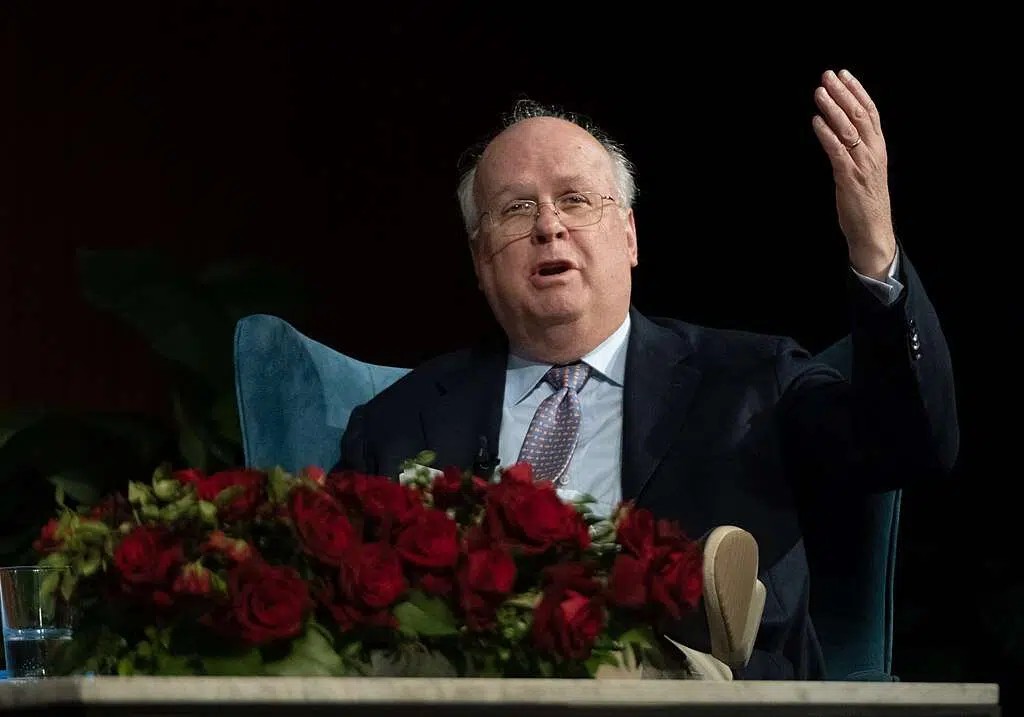
Rove has consistently evolved his tactics to keep pace with changing political dynamics. His early use of data modeling evolved into a broader digital strategy, and by 2010, he had pushed digital budgets to 30% of major campaign spending.
He focused on long-term voter data collection, which allowed for hyper-targeted outreach. His team also implemented aggressive online strategies, such as buying domain names of Democratic opponents, showcasing his readiness to adopt new tools for political gain.
Collaborations and Cross-Party Initiatives
Though best known as a Republican icon, Rove has engaged in cross-party initiatives, most notably with David Axelrod, former Obama campaign strategist.
Their joint efforts include:
- Teaching an online course on campaign strategy
- Promoting mental health and suicide prevention
- Advocating for bipartisan dialogue on national issues
These efforts show Rove’s pragmatic side, reinforcing that even political adversaries can collaborate for the greater good.

Comments (0)
No comments yet. Be the first to share your thoughts.
Leave a comment